Most people plan a road trip around the fun part: the playlist, the snacks, the scenic overlook they saw on Instagram. Fewer people think about the small habits that quietly turn a good trip into a stressful one, or worse, a dangerous one. With another record-setting travel season already behind us in 2026, it’s worth looking at the mistakes that even seasoned drivers tend to overlook.
1. Skipping the tire pressure check before departure
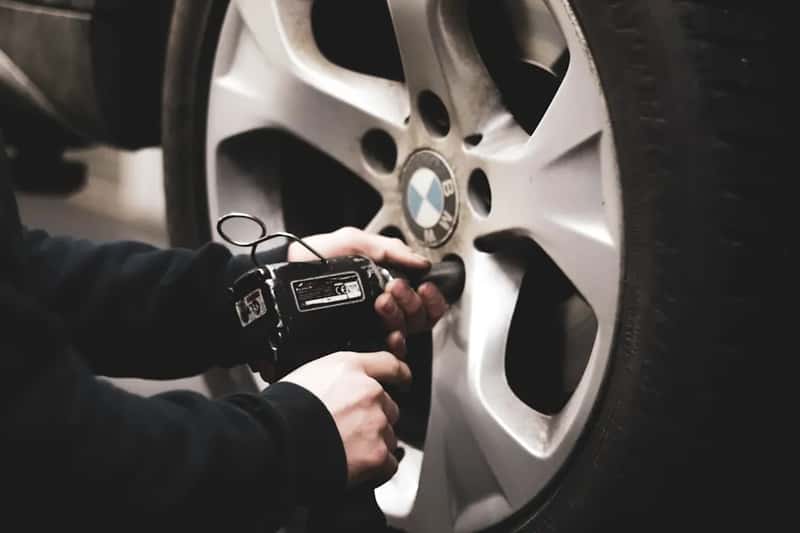
Tires lose air gradually, and most drivers never notice until something goes wrong. NHTSA recommends that vehicle operators check their tire pressures at least once a month and before long trips, using the manufacturer’s recommended pressure found on the door placard.[1] Yet historical NHTSA survey data has repeatedly shown that only about 5 percent of drivers check their air pressure specifically before a long trip, while roughly 71 percent check less than once a month.[2]
The consequences aren’t trivial. Vehicles underinflated by more than 25 percent are three times more likely to be involved in a crash related to tire problems than vehicles with proper inflation.[3] A five-minute check at a gas station before you leave costs nothing and can prevent a blowout hours into your trip.
2. Assuming gas stations and food will always be nearby
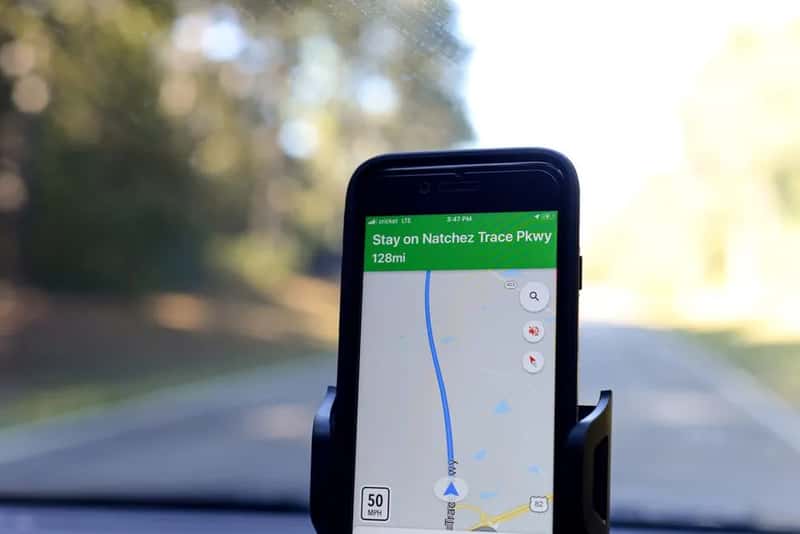
GPS makes route planning feel effortless, which is exactly why this mistake sneaks up on people. One of the most common mistakes that people make when planning a road trip is assuming that they will be able to easily stop for food or gas along the way, when in reality you can end up on long stretches of highway with none for miles.[4] This is especially true on rural interstates or mountain routes where exits can be sparse.
Before setting out, it helps to look at the map with fuel stops in mind rather than just the destination. Travel guides recommend checking distances between towns on unfamiliar routes and topping off the tank whenever it drops below half, rather than waiting for the low-fuel light.
3. Skimping on sleep the night before

Excitement (or last-minute packing) often eats into sleep the night before a big drive, and that’s a riskier trade-off than most people realize. Drivers who sleep for seven hours or fewer in the past 24 hours have a significantly elevated crash risk, according to a study by the AAA Foundation for Traffic Safety.[5] Fatigue doesn’t always feel dramatic behind the wheel; it can show up as drifting attention or slower reaction times long before someone actually nods off.
The scale of the problem is easy to underestimate. A AAA Traffic Safety Culture Index found that more than 40 percent of surveyed drivers reported getting less than 6 hours of sleep a night in a typical week.[6] Treating a good night’s rest as part of trip prep, not an afterthought, makes a real difference on longer drives.
4. Relying entirely on a phone for navigation

Cell service isn’t guaranteed everywhere, and a dead phone battery can turn a simple detour into a real problem. Longtime road trippers often prefer printed maps because they provide the big picture of the area, whereas a cell phone’s small screen can be limiting and spotty service can leave a driver without directions unless maps were downloaded in advance.[5] It’s a low-tech backup, but it works when nothing else does.
This doesn’t mean ditching GPS entirely. It means having a physical map or offline map download as insurance, especially before heading into mountain passes, deserts, or other areas with unreliable coverage.
5. Overpacking the car
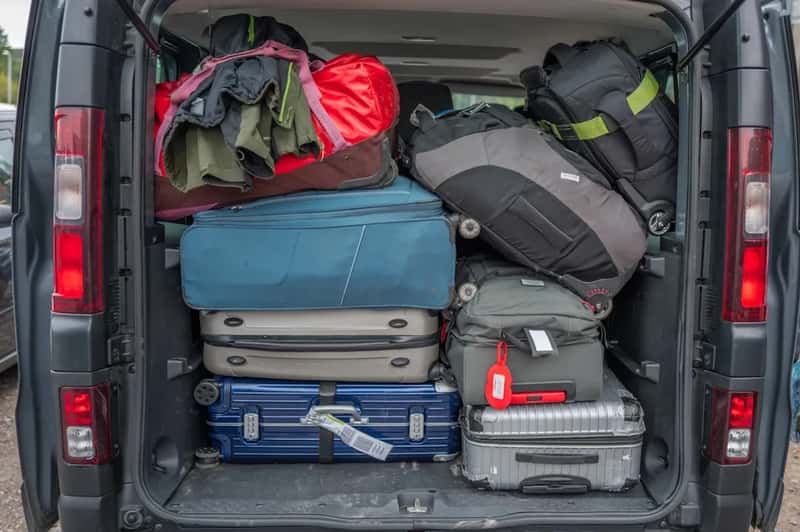
It’s tempting to bring “just in case” items for every possible scenario, but a trunk stuffed to the ceiling creates real problems. One of the most common blunders on road trips is overpacking.[7] Extra weight affects fuel economy and handling, and a cluttered cabin makes it harder to find what you actually need when you need it, like a phone charger or a first aid kit buried under three suitcases.
A smarter approach is packing by trip length and climate rather than by anxiety. Roll clothes instead of folding them, keep frequently used items within reach, and leave the “might need it” pile at home unless there’s a genuine reason to bring it.
6. Skipping the pre-trip mechanic check
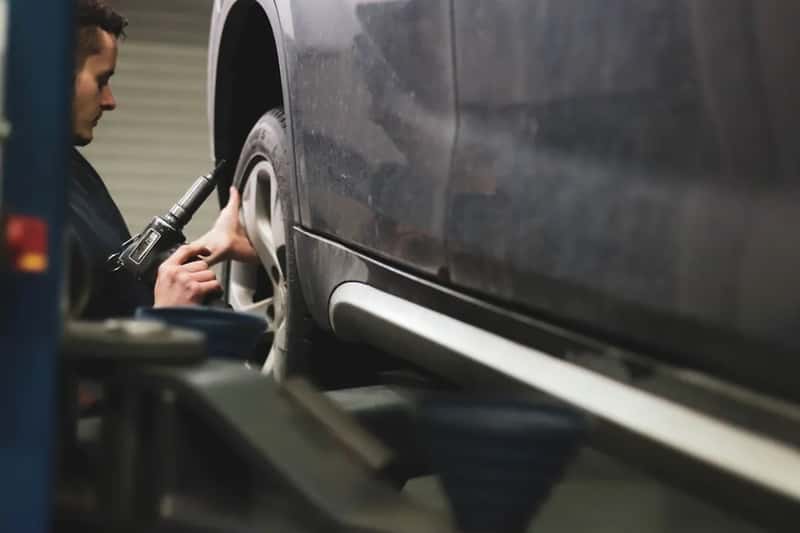
A car that runs fine around town can still have issues that only show up under sustained highway driving. It’s smart to see an approved auto mechanic before setting out on a long trip, having the shop check the brakes, fluid levels, hoses, and tires to help make sure the trip won’t end with a ride in a tow truck.[5] Fluid levels, belts, and battery health are especially easy to overlook when a car has been running fine locally.
This is different from the tire pressure check mentioned earlier; this is a full once-over, ideally a week or two before departure so there’s time to fix anything that turns up. It’s a cheap insurance policy against being stranded somewhere with no cell signal and no easy tow options.
7. Underestimating how much distracted driving adds up on long stretches

Long, monotonous highway stretches invite exactly the kind of behavior that causes crashes: glancing at a phone, fiddling with a playlist, eating while driving. These habits feel harmless in short commutes but compound over hours of driving. AAA Driving School instructors, who train thousands of new drivers annually, consistently point to distraction and inattention as recurring issues even among experienced drivers navigating unfamiliar roads.
The fix isn’t complicated, just consistent. Set the destination and music before pulling out of the driveway, use voice commands sparingly, and treat every phone notification as something that can wait until the next stop.
8. Ignoring the weather forecast along the entire route
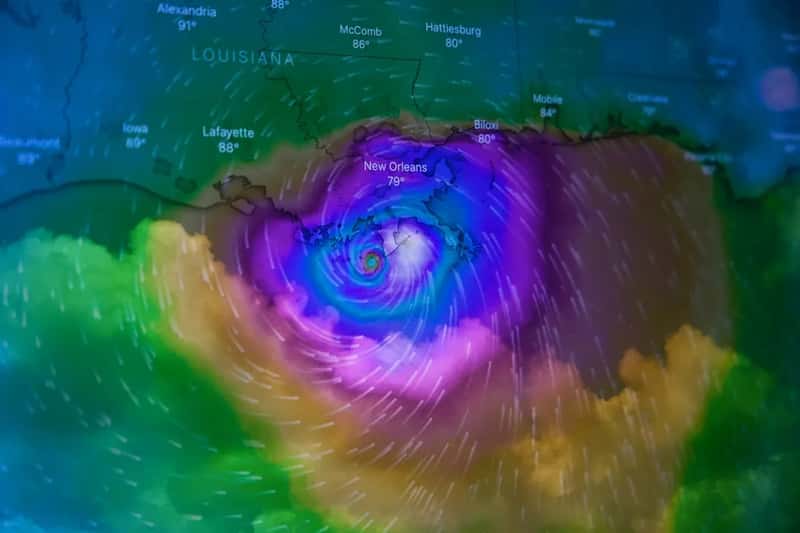
Checking the weather at the destination is common sense. Checking it along every leg of the route in between is the part people skip. Disregarding weather conditions can result in unexpected challenges such as storms, extreme temperatures, or road closures, so it helps to monitor forecasts for the entire route, pack accordingly for different conditions, and be ready to adjust plans if weather poses safety risks.[7]
This matters most on trips that cross multiple climate zones or elevation changes, where conditions at the start and end of a drive can be completely different. A quick forecast check for each major stretch, not just the final destination, can save a lot of headaches.
9. Skipping roadside assistance coverage
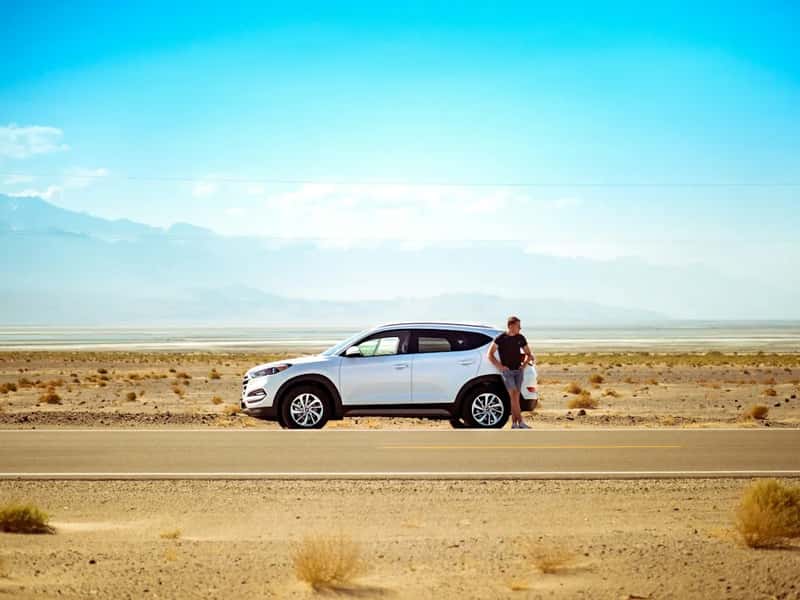
Nobody plans on breaking down, which is exactly why so few people are prepared for it. Roadside assistance is something people never think they need until they desperately do, because a flat tire, a dead battery, running out of gas, or locking keys in the car happen to experienced road trippers too; it’s not a matter of if, it’s a matter of when.[8] Without coverage, a simple flat tire on an isolated stretch of road can turn into hours of waiting for a tow truck found through a frantic search.
For added security, a AAA membership with roadside assistance can start at around $59 a year[9], and many credit cards include similar benefits at no extra cost. Given how often minor breakdowns happen on high-mileage trips, this is one of the cheapest forms of peace of mind available before hitting the road.
Small oversights rarely feel urgent in the moment, which is exactly why they pile up unnoticed until a trip goes sideways. Checking tire pressure, getting real sleep, and building a little slack into the schedule and budget cost almost nothing compared to the trouble they prevent. The best road trips tend to belong to the drivers who did the boring prep work before the fun part even started.