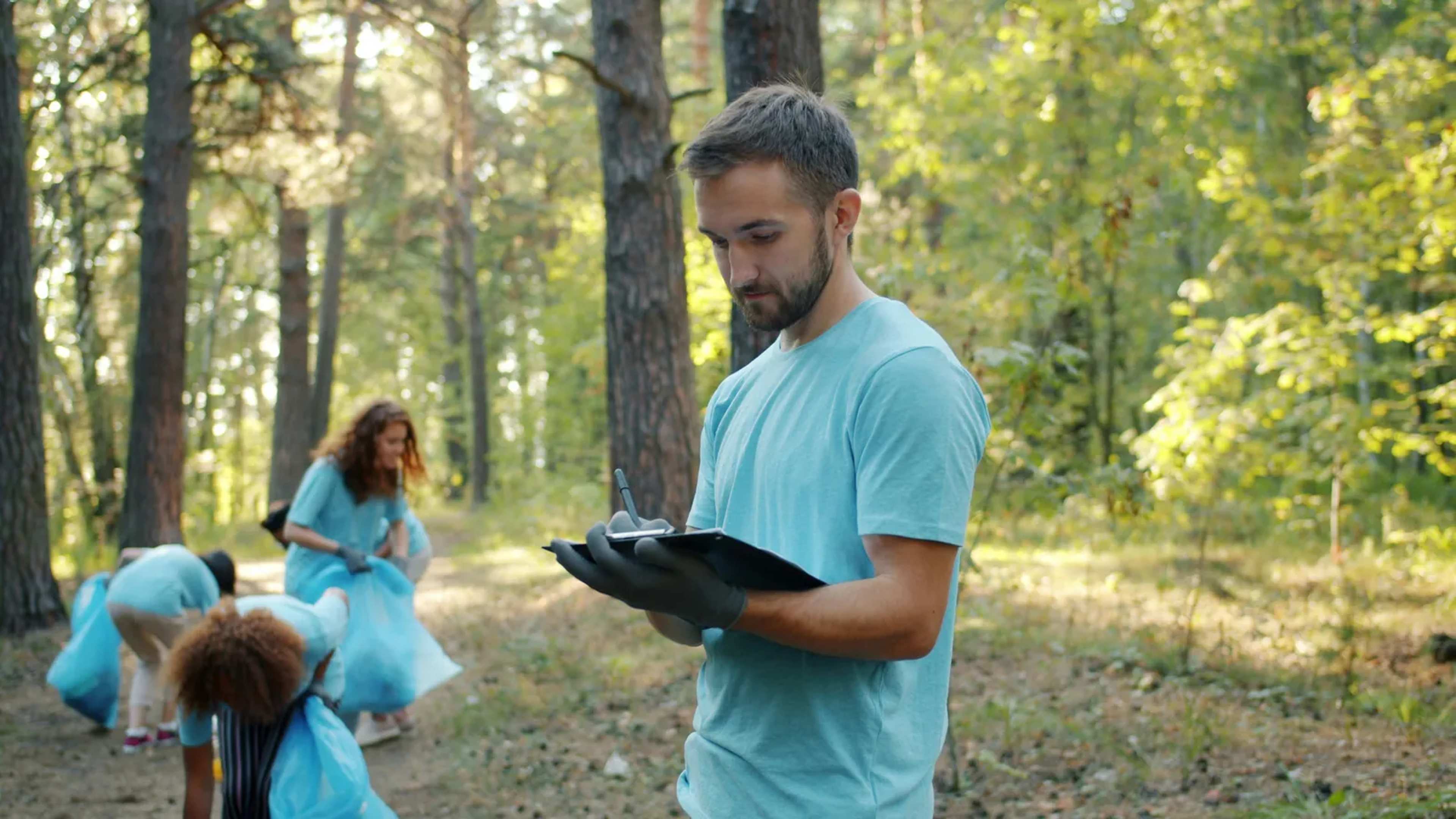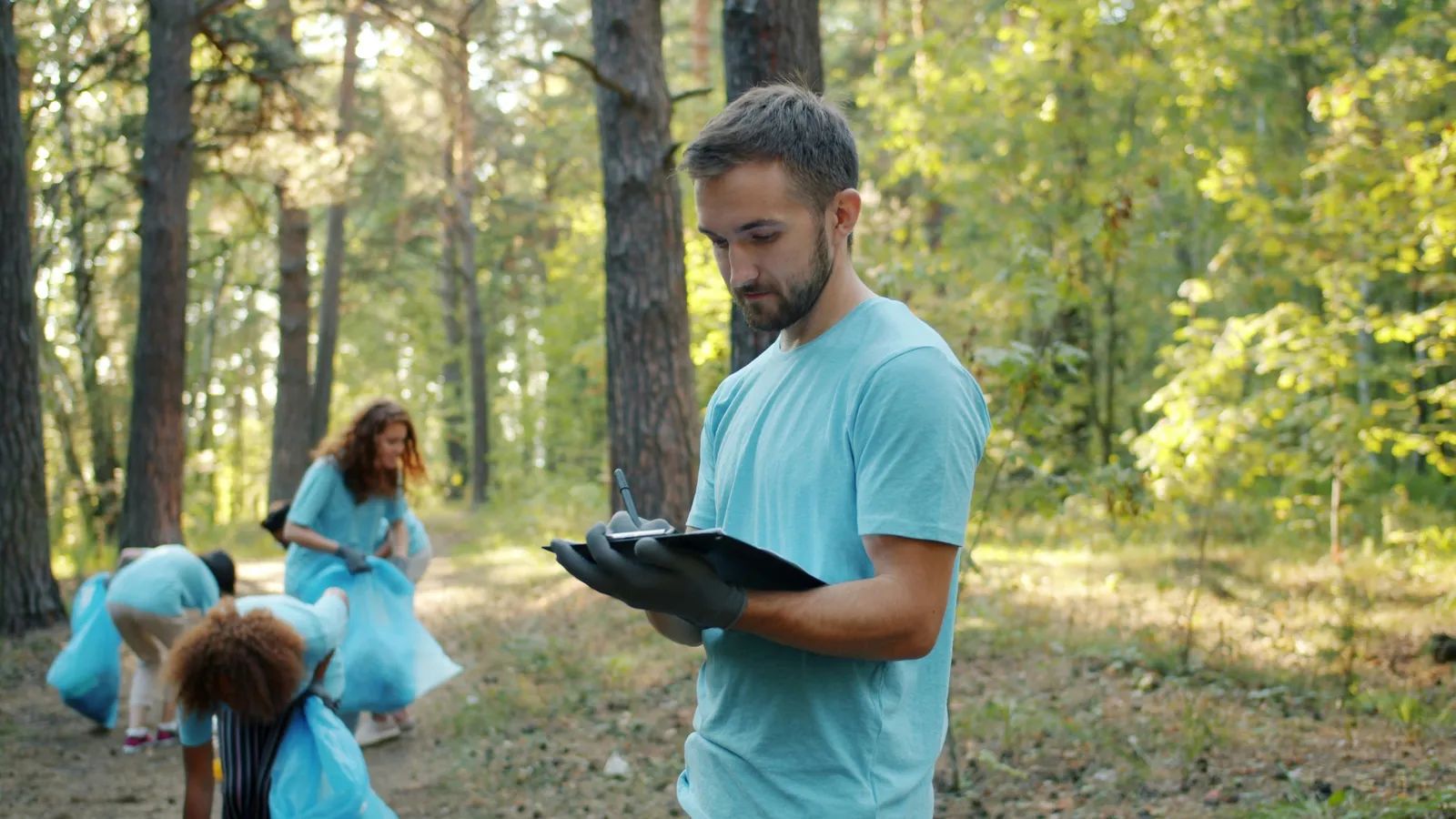
Pune, India – Every weekend, a group of residents walks the banks of the Mula and Mutha rivers with clipboards and survey notes, recording every tree they find. The work is not a pastime. According to Mongabay [1], the volunteers hope their records will serve as evidence when development projects reach the city’s riverfront greenery. ([1])
From Weekend Routine to Field Records
The volunteers belong to Pune River Revival, a grassroots movement that took shape in response to the Pune Riverfront Development Project. That project plans promenades, recreational spaces, and infrastructure along the two rivers. Its estimated cost is around 47 billion rupees, or about $500 million.
For the group, the mapping work answers a simple question: what is still there? Raghunandan Patil, a volunteer with the group, told Mongabay that the data is essential. “Without this data, we cannot even grasp how much damage has already occurred,” he said. He added that the records also show nature lovers what remains worth protecting.
Patil said the group had been mapping trees by hand for some time. In 2024, it began working more systematically with iNaturalist, a citizen-science app. The platform keeps the records organized within defined projects and makes them easy to access.
Why the Tree Count Carries Weight
Planners and officials typically weigh environmental information when they review large projects, and detailed inventories can shift those discussions. The volunteers see their data as a way to argue for alternatives that protect greenery while still improving the riverbanks. Patil described the mapping as evidence to present to authorities when advocating for more sustainable options.
The approach has already drawn attention to specific places. The Ram-Mula Devrai, a sacred grove where the Ram and Mula rivers meet, is one example. Local communities say the small forest patch is the home of a village deity, and the mapping has helped the group highlight its importance.
What matters now
- Volunteers from Pune River Revival record riverside trees on weekends.
- Their work responds to the Pune Riverfront Development Project, estimated at about 47 billion rupees.
- The group uses iNaturalist to organize its tree data since 2024.
A Test for Planning Beside the Water
The report does not say how the tree records will influence the riverfront project, and it does not describe any decision that has been made. The volunteers are working to build a documented baseline before construction decisions harden. Whether that baseline shapes the final plans will depend on how authorities respond to the data.
The story also reaches beyond Pune. Riverfront redevelopment is a common goal in many cities, and walkways and green corridors often become the places visitors seek out. How those spaces balance new amenities with existing trees is a question that affects residents and travelers alike.
For now, the Pune volunteers offer a practical model. Their records are slow to compile, one tree at a time, but they give planners and residents a shared reference point. In a debate that often turns on competing priorities, that kind of documentation may prove as important as the trees themselves.