Retirement math has gotten harder in recent years, with grocery bills, homeowners insurance, and healthcare premiums all climbing faster than most fixed incomes can keep up with. Yet a fixed budget of $40,000 a year still stretches surprisingly far in the right zip code. The towns below were chosen because they combine low housing costs, reasonable everyday expenses, and access to real healthcare infrastructure, not just cheap rent with nothing else to back it up.
Each of these places has its own personality, from riverfront history towns to lakeside mountain communities, but they share a common thread: retirees who move there tend to report that their Social Security check or modest pension actually covers the basics, with room left over for the occasional dinner out or weekend trip.
1. Fort Smith, Arkansas
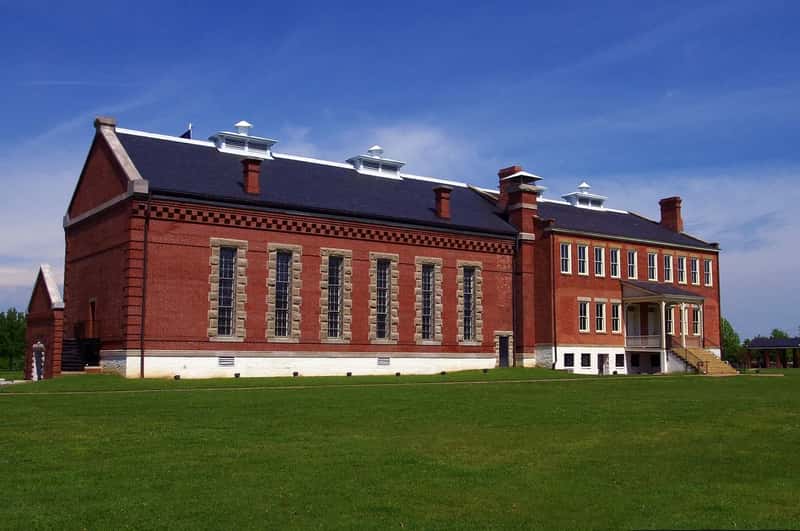
Fort Smith has a fascinating history as a frontier town on the Arkansas River, and that heritage is on full display at the Fort Smith National Historic Site, which preserves the old federal courthouse and jail, beyond which it’s simply an affordable, well-serviced city with strong health care infrastructure. Mercy Hospital Fort Smith is a major regional facility, so residents aren’t stuck driving hours for serious medical care.
Fort Smith’s 2026 cost of living runs around $2,154 per month for singles, with living costs about 13% lower than the U.S. national average. On top of that, Arkansas exempts up to $6,000 in retirement income from state taxes for residents aged 59 and a half and older, which gives fixed-income retirees a little extra breathing room every year.
2. Erie, Pennsylvania
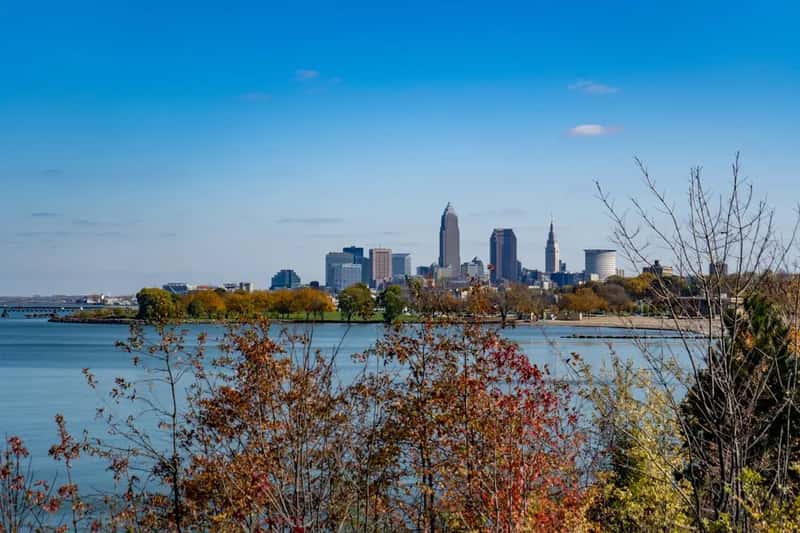
Erie sits right on the shore of Lake Erie, and that location does a lot of heavy lifting for retirees who want scenery without a coastal price tag. Erie is the most affordable city on many retirement lists by a significant margin, and Presque Isle State Park, a sandy peninsula extending into Lake Erie with 13 miles of shoreline, delivers a resort-quality outdoor experience at no cost.
The Erie Art Museum and Bayfront district add cultural programming year-round, and Pennsylvania fully exempts all pensions, Social Security, and retirement account distributions from state tax. That tax treatment alone makes a meaningful difference for anyone trying to make $40,000 cover a full year of living expenses.
3. Cortland, New York

With a cost of living 20% lower than the New York state average, Cortland is a good retirement spot for seniors who appreciate affordability, safe neighborhoods, and walkable streets. It’s a smaller, quieter alternative to the pricier college towns nearby, without giving up easy access to bigger cities when needed.
Cortland sits close to Syracuse and Ithaca, but retirees are unlikely to have to wander that far to enjoy four-season outdoor recreation in the Finger Lakes region. For anyone who wants small-town pricing with genuine natural beauty just outside the front door, this upstate New York town checks that box.
4. Branson, Missouri

Branson has a reputation as a tourist town thanks to its theaters and theme parks, but the year-round cost of living tells a different story. Moving to Branson means joining a tight-knit community of under 15,000 residents who share a love of nature walks and the breathtaking views of the Ozarks and Table Rock Lake.
Branson residents also enjoy affordable home prices, low property taxes, and a slower pace of life, despite the town’s tourist appeal, driven by the Silver Dollar City theme park. It’s the rare place where the entertainment infrastructure built for visitors also ends up benefiting the retirees who live there year round.
5. Columbus, Indiana
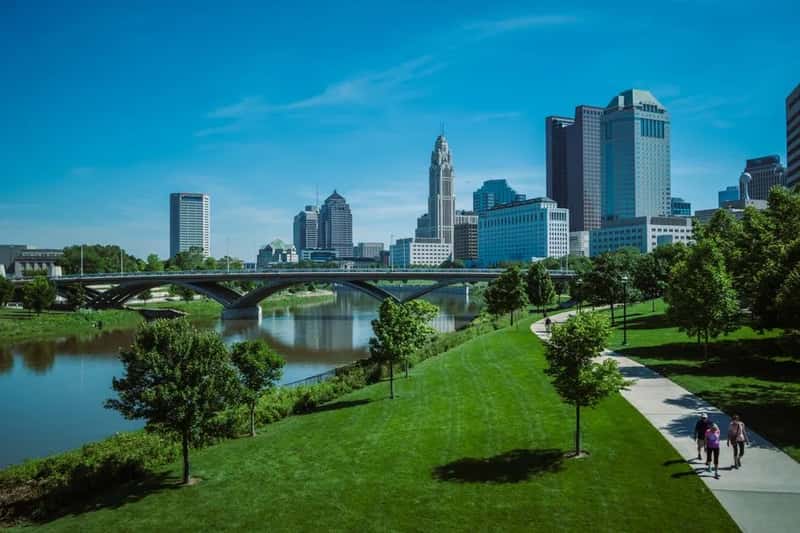
Columbus keeps showing up at the top of national affordability rankings, and the numbers explain why. Columbus, Indiana landed at the very top of a recent cost-of-living ranking, and the numbers back up the claim, with an average annual cost of living of $38,795, putting it comfortably within a $40,000 budget.
That figure includes housing, groceries, healthcare, and other everyday expenses for a retired household, which makes it one of the more complete affordability snapshots available right now. GOBankingRates ranked Columbus the safest and most affordable city in America for retirees in 2026, based on crime rates, housing costs, and total expenditure, with a full retirement achievable here on under $50,000 a year.
6. Eureka Springs, Arkansas
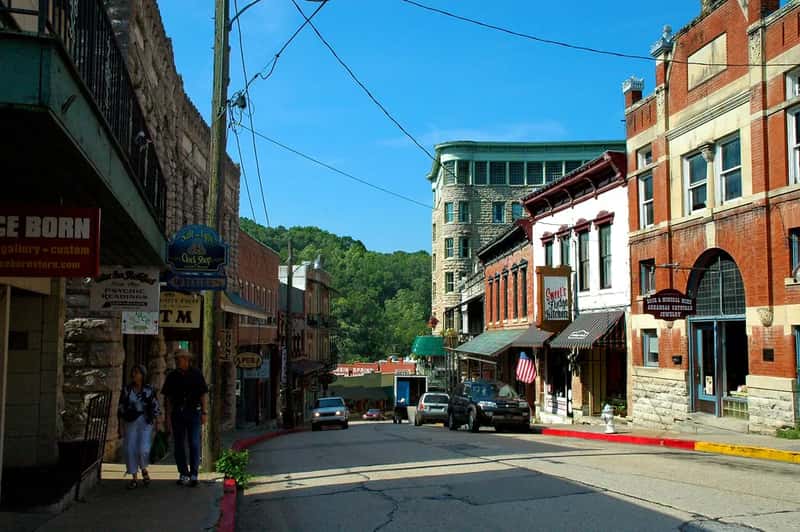
Tucked into the Ozark Mountains, Eureka Springs is one of those towns that manages to feel like a permanent vacation without the vacation-town price tag. Eureka Springs, which is much smaller than Little Rock, home to a population of nearly 2,200, has a cost of living that’s 23.7% lower than the national average.
Housing prices are 23% cheaper than the national average here, and retirees can also save 24% on the overall cost of living compared to other US communities. With medical centers like the Eureka Springs Hospital right in town, residents prioritizing their health can also save on transportation costs, and the whole downtown is built for walking rather than driving everywhere.
7. Hickory, North Carolina

Known historically as a furniture-making hub, Hickory has quietly become one of the more appealing retirement spots in the Carolinas. Just an hour’s drive from Charlotte, the charming town of Hickory is a hub for craftsmanship and is one of the area’s most affordable places to retire, with a growing reputation for its lively downtown filled with locally owned bars and restaurants.
Hickory offers vibrant downtown living just an hour from Charlotte, which gives retirees the option of a big-city day trip without the big-city cost of living the rest of the time. The growing arts scene includes quite a few destinations, as well, for such a modest-sized town.
8. Winterville, North Carolina

Winterville is small enough to feel like a genuine town rather than a suburb, but it still sits close to a regional healthcare hub. Winterville, North Carolina, is a great option for retirees seeking a more small-town vibe, as it has a population of about 11,393 people, and it’s great for anyone who prefers to live in a suburb but still wants access to a large city, as Greenville, North Carolina, is about an 18-minute drive away.
Salary.com estimates the current cost of living to be about $32,168 per year for individuals, a figure the town reports to be about 9.9% below the national average, which leaves plenty of room within a $40,000 budget. Winterville apartments typically cost around $1,113 monthly, which Apartments.com notes is about 32% lower than the nationwide median price.
9. Tryon, North Carolina
Tryon sits at the base of the Blue Ridge Escarpment and has built a reputation as one of the friendliest small towns in the South. Nestled at the base of the steep Blue Ridge Escarpment in western North Carolina is “The Friendliest Town in the South,” according to the town’s branding, and in this equestrian community many residents bonded with their love of horses.
Retirees can enjoy wineries, vineyards, golf courses, and many parks and trails in this dramatic mountainside town, which is situated in the “thermal belt” with cool summers and mild winters. A home can be found in Historic Beaumont Village for around $127,320 and Downtown for about $266,158, prices that make homeownership realistic even on a modest fixed income.
None of these nine towns will show up on a glossy list of glamorous retirement destinations, and that’s really the point. What they offer instead is something more useful for anyone living on $40,000 a year: reasonable housing costs, real access to healthcare, and enough character and community to make daily life feel good rather than just affordable. The math still matters, but so does quality of life, and these towns manage to deliver both without asking retirees to compromise on either one.