Family road trips used to run on paper maps, printed reservations, and a healthy dose of winging it. Boomer parents packed the station wagon, trusted a AAA TripTik, and figured the rest out along the way. Millennial parents travel with the same basic goal, getting the kids somewhere fun and back in one piece, but the methods have shifted so much that some of the old habits now look almost quaint.
1. Mapping the entire route with paper AAA TripTiks
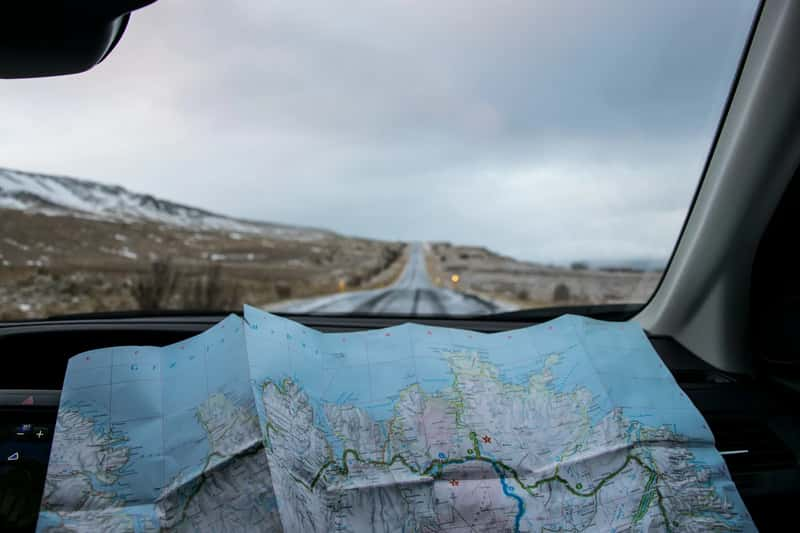
Before GPS existed, planning a road trip meant a trip to the local AAA office to pick up a custom strip map, often called a TripTik, that laid out the whole route mile by mile. Parents would flip through the booklet at rest stops, tracing the highlighted line with a finger while kids in the back seat asked how much farther. It was slow, occasionally outdated, and required actually knowing how to read a map, a skill that has quietly faded for a lot of younger adults.
Millennial parents rely on phone navigation apps that recalculate instantly, warn about traffic, and suggest gas stations without anyone touching a paper booklet. There’s no glovebox stash of maps to keep updated every few years. The convenience is obvious, though something about the ritual of physically tracing a planned route has simply disappeared along with it.
2. Packing a cooler stocked for the entire drive
A backseat cooler was practically a fixture of the boomer-era road trip, loaded with bologna sandwiches, juice boxes, and whatever fruit hadn’t gone soft yet. The idea was to avoid stopping for food as much as possible, since restaurant meals for a family of five or six added up fast and burned daylight. Parents packed enough for two or three meals, refilling ice at gas stations along the way.
Millennial parents still pack snacks, but the full-meal cooler has largely given way to grabbing something at a drive-through or ordering ahead through an app before arrival. Time pressure plays a role too, since many families now fit trips into shorter windows and don’t want to lose an hour to a roadside picnic. The cooler hasn’t vanished entirely, but it’s more snack station than mobile kitchen these days.
3. Calling ahead to book a motel with an actual phone call
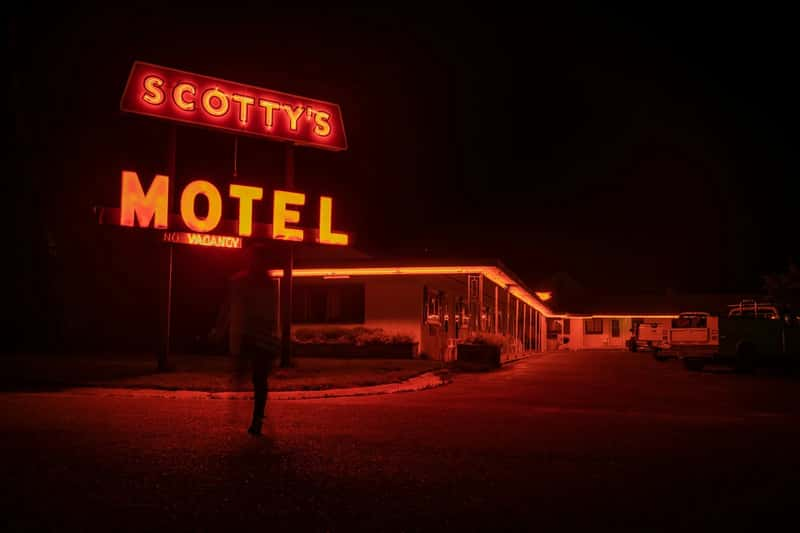
Reserving a room used to mean calling a motel directly, often from a payphone or a house phone before leaving, and hoping the person on the other end quoted an accurate price and had rooms available. Some boomer families skipped reservations altogether, driving until they found a vacancy sign lit up along the highway. There was a certain gamble built into travel that just doesn’t exist in the same way now.
Millennial parents book almost everything online weeks or months ahead, comparing prices across booking sites and reading reviews before committing. Same-day availability searches on a phone have replaced the vacancy sign entirely. The spontaneity of driving until something turns up has mostly been traded for the security of knowing exactly where the family will sleep each night.
4. Bringing along a physical camera and getting film developed later

Vacation photos meant loading a roll of film into a camera, being selective about every shot since film and developing cost money, and then waiting days or weeks after returning home to actually see the pictures. Many boomer parents rationed shots carefully, saving film for the “important” moments like a big landmark or a family group photo. Whole trips sometimes existed only in memory until the prints came back from the drugstore.
Millennial parents document everything instantly with smartphones, often sharing photos in real time through texts or social media before the trip is even over. There’s no waiting period and no rationing, since storage is cheap and photos can be deleted if they don’t turn out well. The delayed reveal of a stack of prints has been replaced by an endless, immediate scroll.
5. Playing license plate bingo and other car games with no screens involved
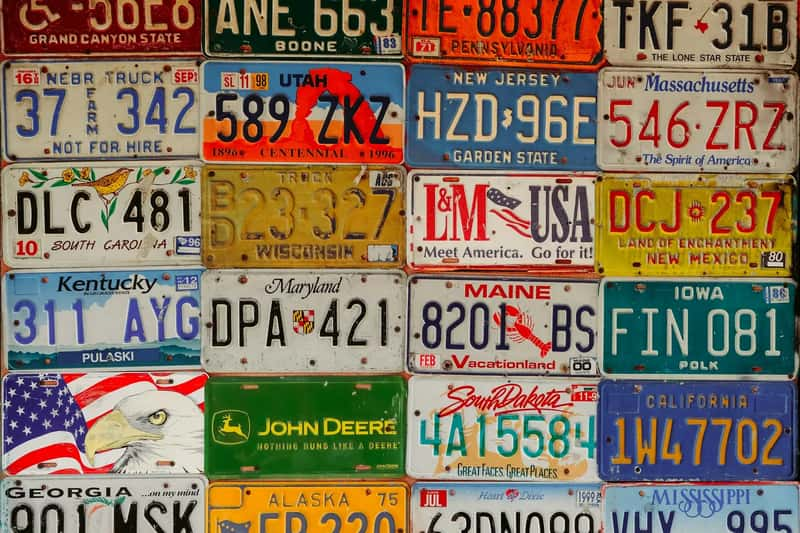
Long stretches of highway used to be filled with games like license plate bingo, spotting cows, or the alphabet game, all designed to pass time without any electronics because there simply weren’t any to use. Parents sometimes kept a printed bingo card or a notepad handy specifically for these games. Boredom was part of the deal, and kids were expected to entertain themselves with whatever was visible out the window.
Millennial parents lean heavily on tablets, phones, and in-car entertainment systems to keep kids occupied during long drives, and it’s hard to blame them given how much calmer a quiet backseat makes a multi-hour drive. Car games haven’t disappeared completely, but they’re often a backup rather than the default. Screens have simply become the more reliable tool for stretches of highway that used to be filled with counting license plates from other states.
6. Sending postcards home to relatives and neighbors
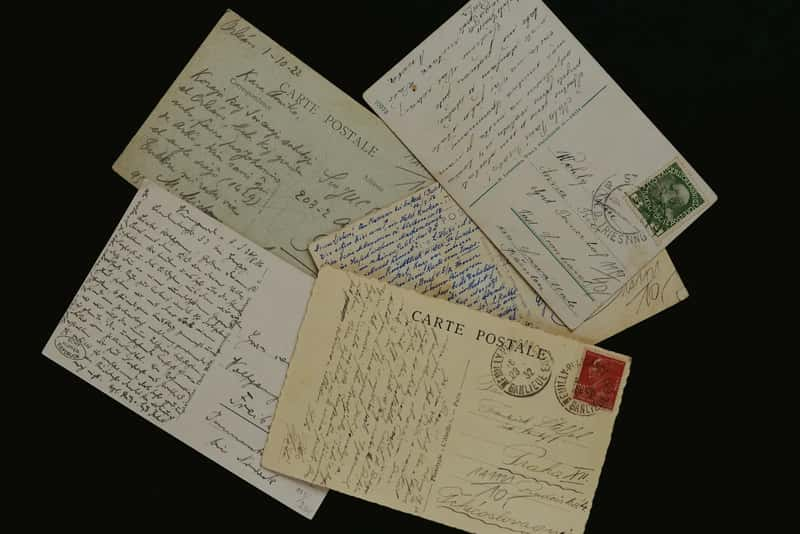
Buying a handful of postcards at a gas station or gift shop and writing a quick note to grandparents or neighbors was a near-universal habit on boomer-era trips. It gave kids a small writing task and gave relatives back home a tangible souvenir that usually arrived days after the family returned. Postcard racks were everywhere, from motel lobbies to diners to rest stops along interstates.
Millennial parents mostly skip the postcard step, opting instead for a quick photo text or a social media post that relatives see within minutes rather than days. The instant version accomplishes the same goal of sharing the trip, just without a stamp or a wait. Postcard racks still exist in tourist areas, but they’ve become more of a novelty souvenir than a genuine communication tool.
7. Packing an entire suitcase of paperback books and travel games
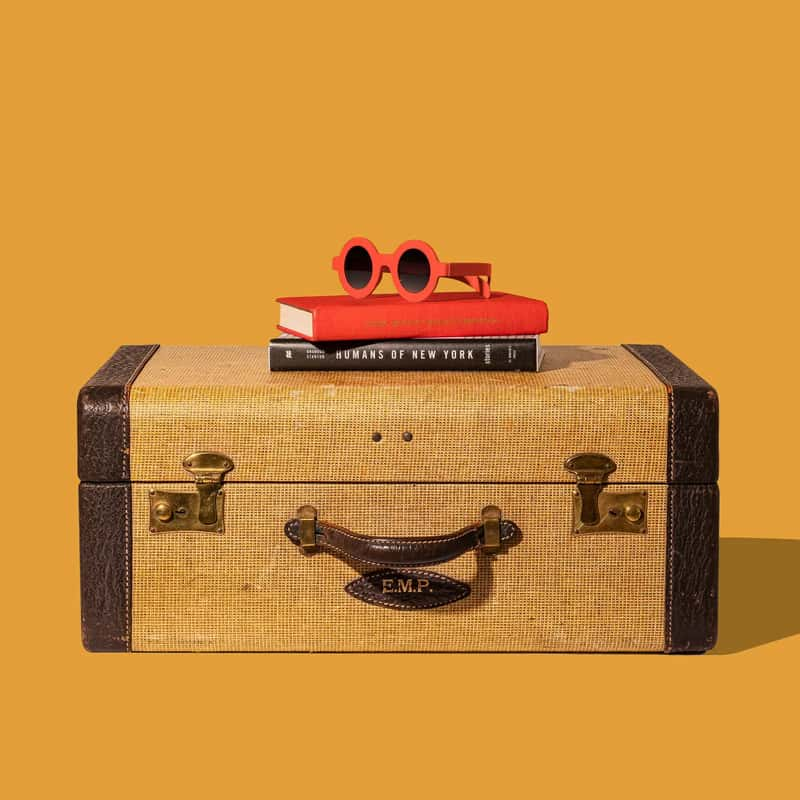
Before digital entertainment, keeping kids occupied on a long trip meant packing a small library of paperbacks, coloring books, travel-sized board games like checkers or cards, and maybe a Mad Libs book for the car. Parents often bought a stack of new books specifically for the trip as a way to buy some quiet time. Suitcases sometimes weighed as much from books and games as they did from clothes.
Millennial parents load a tablet with e-books, apps, and streaming shows instead, cutting down dramatically on physical bulk. A single device now holds more entertainment than an entire suitcase used to carry. The tradeoff is less physical clutter, though also less of the specific kind of quiet that comes from a kid actually flipping pages.
8. Relying on printed brochures and visitor centers for planning activities
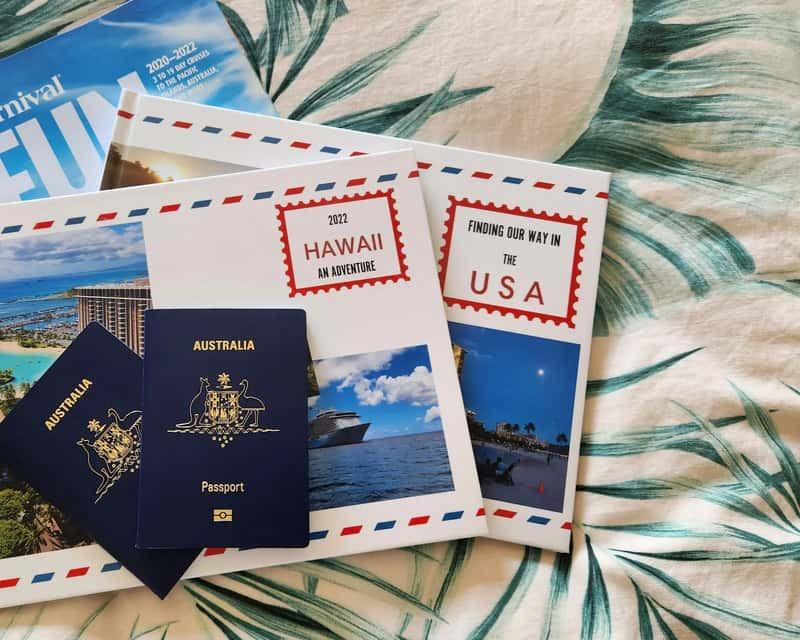
Figuring out what to do once you arrived somewhere used to depend heavily on roadside visitor centers, hotel lobby brochure racks, and whatever a local tourism office handed out. Boomer parents would grab a stack of pamphlets and sort through them at breakfast, deciding on the fly which attraction sounded worth the admission price. It was a fairly analog way to plan a day, built on whatever information happened to be printed and available nearby.
Millennial parents research destinations in advance using review sites, travel blogs, and social media recommendations, often booking tickets or reservations before ever setting foot in a visitor center. The spontaneous brochure-flip through method has largely been replaced by pre-trip scrolling and saved lists on a phone. Visitor centers still exist, but they’re more of a backup resource than the primary planning tool they once were.
9. Traveling without any real communication plan for emergencies

Without cell phones, boomer families traveling meant being essentially unreachable for the length of the trip unless something urgent required tracking someone down through a hotel switchboard or a payphone call home. Parents left an itinerary with a relative if they were especially cautious, but many just left and figured they’d be reachable once they got back. It was a level of disconnection that would feel unusual, maybe even stressful, to a lot of parents today.
Millennial parents stay reachable at essentially all times through cell phones, location-sharing apps, and instant messaging, which changes the entire risk calculation of traveling with kids. A missed connection or a delayed flight gets communicated in real time rather than discovered after the fact. That constant connectivity has quietly become one of the biggest, and most taken for granted, shifts between how these two generations approached family travel.