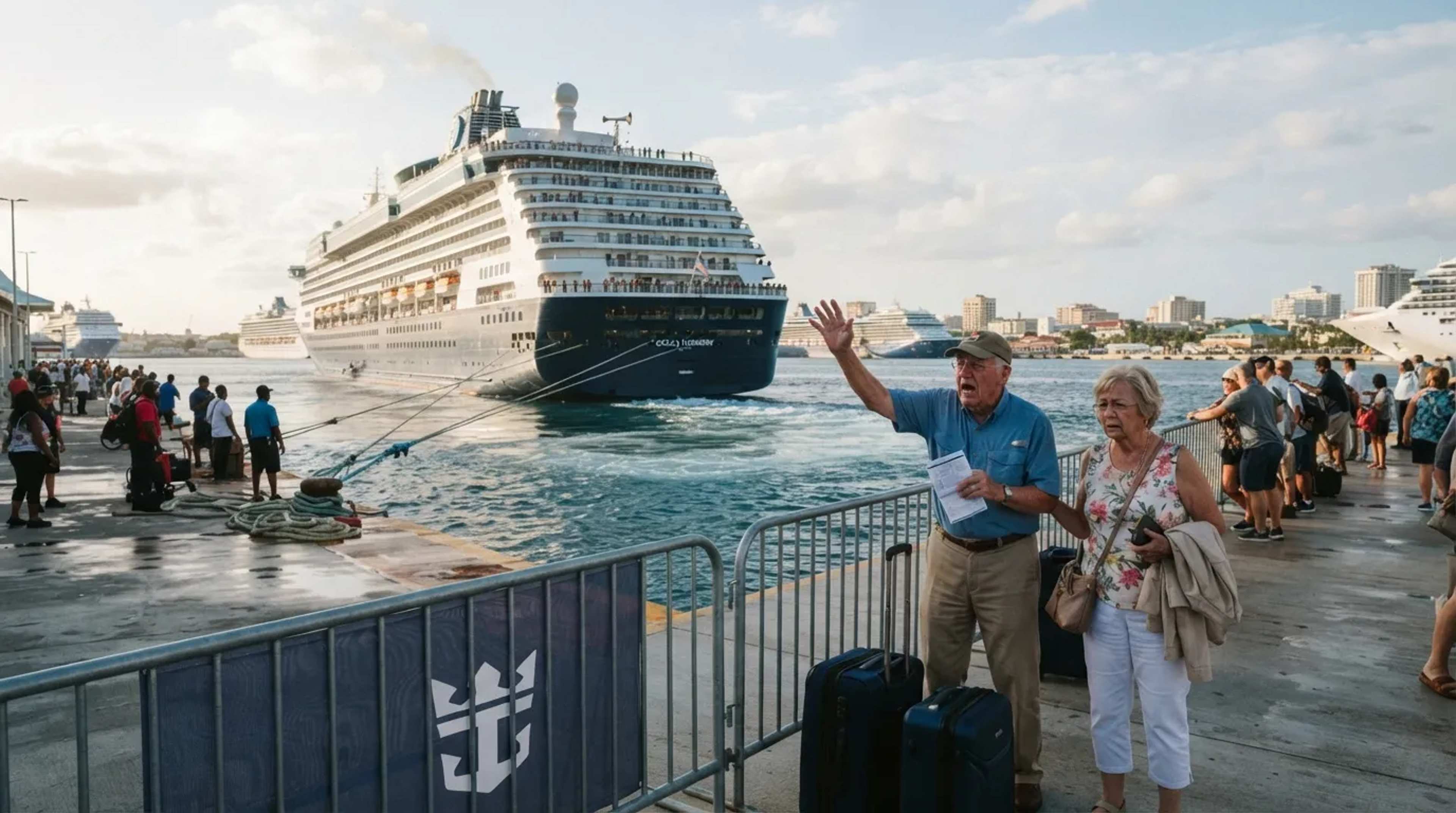
Stepping off a ship onto a sunny dock feels like entering a bubble of vacation rules, where the biggest decision is whether to book the excursion or just wander into town. That casual mindset is exactly what gets people in trouble. Local laws do not pause because you are only in port for eight hours, and plenty of ordinary habits, from packing the wrong shorts to picking up a pretty rock, carry real legal consequences overseas.
Cruise lines post plenty of warnings in their daily newsletters and app notifications, but those notices get skimmed or ignored more often than not. Below are nine everyday behaviors that seem harmless on the surface yet can lead to fines, confiscated belongings, or worse in the countries cruise ships visit most.
Wearing camouflage print ashore in the Caribbean

Packing a pair of camo shorts or a camo bathing suit feels like a wardrobe choice, not a legal one, but in much of the Caribbean it is treated as impersonating a soldier. Wearing garments with camouflage is illegal in 18 countries, including the Philippines, nations in Africa and the Middle East, and nine gorgeous getaways in the Caribbean.[1] The rule is not limited to the classic green and brown pattern either. The ban extends beyond the typical green variety, applying to hues across the rainbow, like blue, grey, black, and even pink.[1]
The list of enforcing destinations reads like a cruise itinerary highlight reel. Countries including Antigua, Barbados, Dominica, Grenada, Jamaica, St. Kitts and Nevis, St. Lucia, Saint Vincent and the Grenadines, and Trinidad and Tobago all enforce strict bans on camouflage clothing at their ports, and violations can carry serious consequences ranging from hefty fines to jail time.[2] Rules differ by island, and in some places the enforcement is unforgiving regardless of age. In Saint Lucia, the prohibition is absolute, covering all clothing and accessories for every passenger, including children.[3]
Flying a drone without checking local rules first
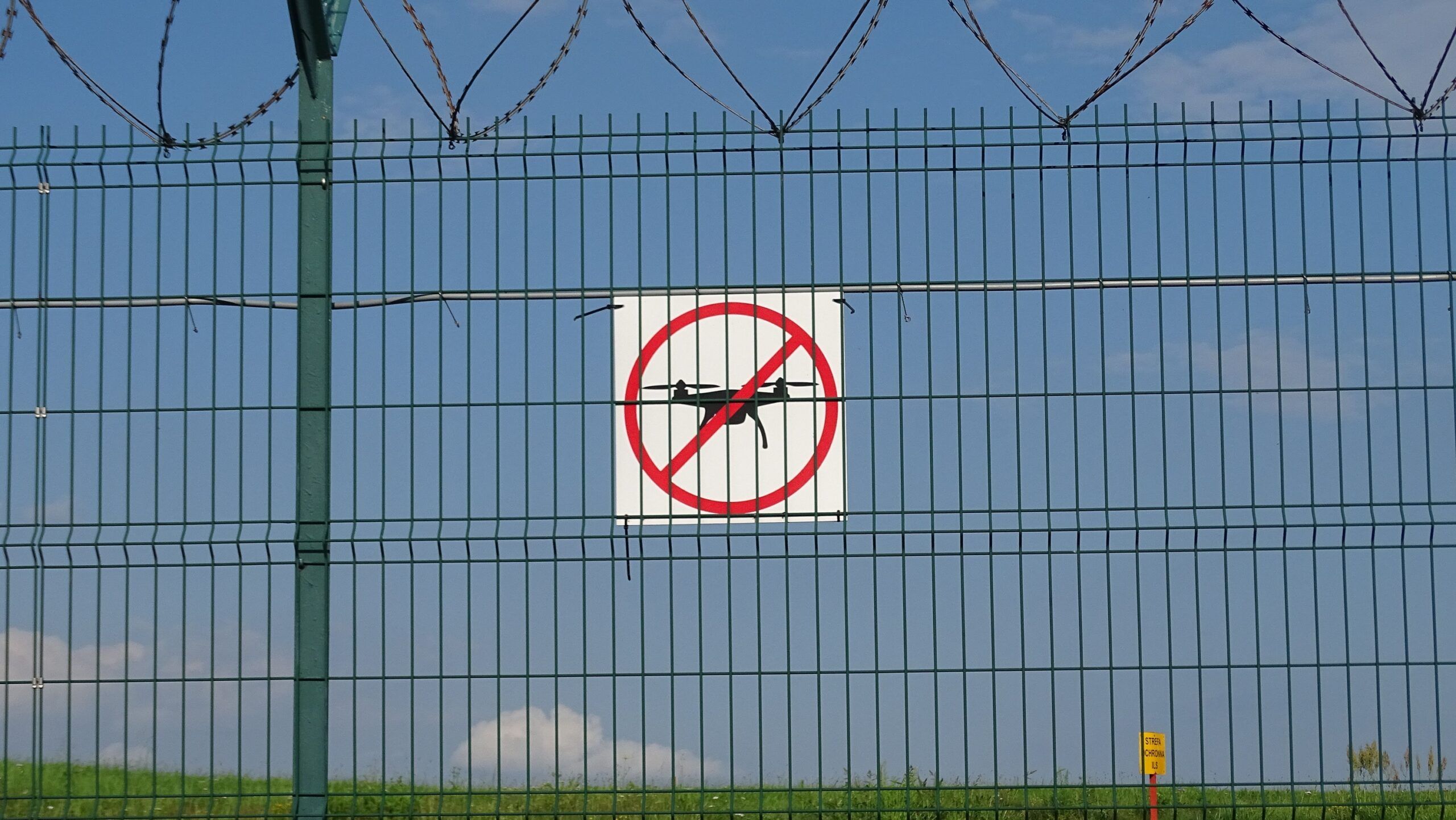
A drone seems like the perfect tool for capturing a sweeping shot of a turquoise bay, but launching one in a foreign port is rarely as simple as pressing a button. Guests must verify each port’s drone rules before flying, since permissions and licenses vary and some areas, like Galveston, restrict drone use near terminals and ships.[4] Cruise terminals themselves are often treated as secured zones. Because cruise ports are often secure facilities, it can be illegal to fly drones in those areas.[5]
The penalties abroad are not symbolic. Penalties vary by country but can include fines, confiscation of equipment, or imprisonment.[6] Even within the Caribbean, the patchwork of rules changes from island to island. In the Caribbean, each island or territory has its own regulations: some islands completely prohibit the import of drones, others require temporary import permits, while a few have relatively flexible rules.[7]
Pocketing sand, shells, or pebbles from protected beaches
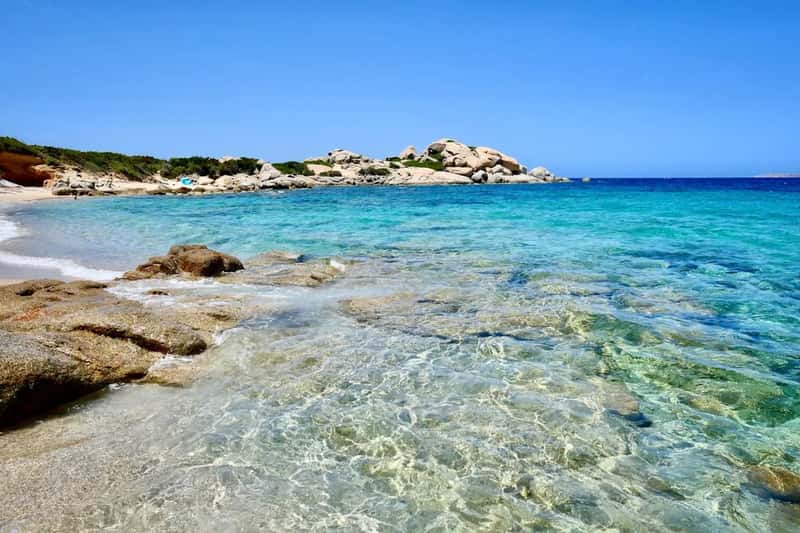
It is an old vacation habit, scooping a jar of sand or a handful of shells to remember a beach by. On Sardinia, that souvenir can turn into a costly mistake. Sardinia’s white sand beaches are world-famous, but anyone found taking, holding or selling sand, pebbles, stones or shells from the coast can end up with a fine of up to €3,000.[8] The rule has been in place for years and is actively enforced at airports and ports alike.
The law was written specifically because so many visitors were unknowingly breaking it. In 2017, it became illegal to remove sand, shells and pebbles from Sardinia’s beaches as they were classed as protected resources.[8] Fines are only part of the risk for larger quantities. People breaking these rules face fines of between €500 and €3,000, and anyone caught attempting to take larger quantities risks a prison term, particularly if they are convicted on the charge of theft with the aggravating circumstance of having stolen a public asset.[8]
Feeding the pigeons in Venice’s piazzas
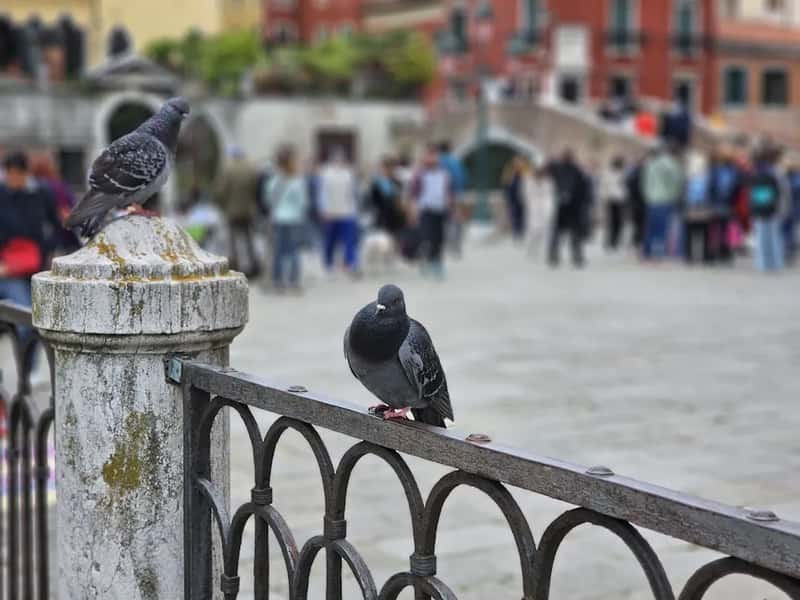
Tossing breadcrumbs to pigeons in St. Mark’s Square used to be a classic Venice photo opportunity. These days it is simply against the law across the whole city. Feeding pigeons anywhere in Venice has been banned since 2008, but it is especially enforced in and around Piazza San Marco.[9] The rule exists for practical reasons rather than sentimental ones.
City officials point to real damage from the birds, not just noise or mess. The ban was introduced to reduce pigeon populations that cause significant damage to historic marble facades through their droppings.[9] Enforcement is not just theoretical either, with on the spot fines a genuine possibility. From wearing the wrong shoes in Capri to feeding pigeons in Venice, these surprising rules could get tourists fined in Italy, sometimes up to €2,500.[10]
Wandering off the beach in a swimsuit or going topless

Walking from the beach to a nearby shop or restaurant still in swim gear feels completely normal to most travelers. In parts of the Caribbean it is a punishable offense. In Grenada, it’s actually illegal to wear your swimsuit outside of the island’s beaches, and you could face a fine of up to $270 for doing so.[11] Barbados takes a similarly strict stance on exposure.
Beach etiquette that seems obvious back home does not always translate. In Barbados, for example, topless sunbathing is illegal on all beaches.[11] Venice has its own version of the rule for a very different reason, tied to public decency in a historic city center. Anyone walking around Venice in swimwear or topless will be fined up to 250 euros.[12]
Touching or removing coral from protected reefs
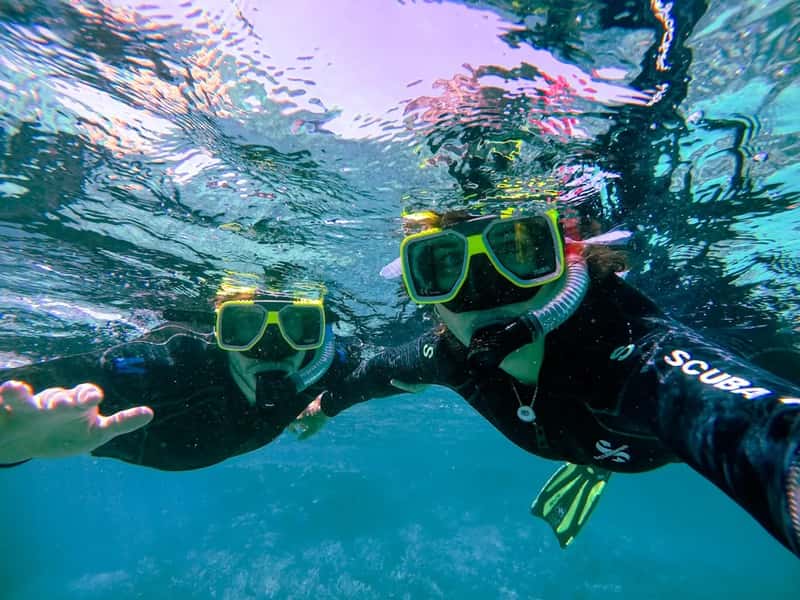
Snorkeling excursions bring passengers close enough to reefs that grabbing a small piece of coral as a memento feels tempting. Nearly every popular reef destination visited by cruise ships, from the Cayman Islands to parts of the Bahamas and the Florida Keys, protects coral and marine life under conservation laws that apply to visitors as much as residents. Breaking off even a small piece can count as environmental damage, and customs officials at airports and cruise terminals regularly check luggage for coral, shells, and other marine souvenirs.
The reasoning mirrors the logic behind Sardinia’s sand law. Reefs recover slowly, and cumulative small acts of souvenir hunting by millions of annual visitors add up to serious ecological harm over time. Excursion guides typically remind snorkelers not to touch anything underwater, and that instruction doubles as a legal warning rather than just a courtesy.
Buying counterfeit designer goods from street vendors

Market stalls near cruise terminals in cities like Rome, Naples, and various Caribbean ports often display knockoff handbags, sunglasses, and watches at tempting prices. In several European countries, including Italy and France, the person buying a counterfeit item can be fined, not just the vendor selling it. Customs officials in many countries are also authorized to confiscate counterfeit goods discovered in luggage when travelers try to bring them home.
The rules exist because counterfeit trade is treated as a form of organized commercial fraud rather than a harmless bargain. Passengers who assume a small souvenir purchase carries no risk are often surprised to learn that possession alone, not just resale, can trigger a fine in jurisdictions with strict intellectual property enforcement. It is worth remembering that a deal that looks too good tends to come with strings attached somewhere down the line.
Photographing ports, military sites, or government buildings

Snapping photos is second nature on a shore excursion, but not every backdrop is fair game. Many countries restrict photography near military installations, naval bases, government buildings, and border checkpoints, and cruise ports themselves sometimes sit adjacent to restricted zones. Some Middle Eastern and North African ports enforce this rule strictly, and even an accidental photo that includes a guard post or naval vessel in the background can lead to a confrontation with local authorities.
Signage is not always present or in a language passengers understand, which makes the rule easy to break without realizing it. The safest habit is checking with a local guide or the cruise line’s port information before photographing anything that looks even remotely official or security related. A missed photo is a small price compared to having a camera or phone confiscated on the spot.
Public drinking or disorderly conduct in conservative ports

A drink or two before heading back to the ship feels like standard cruise behavior, but public intoxication laws vary enormously between destinations. In several Middle Eastern and Southeast Asian ports, visible drunkenness in public spaces is treated as a criminal offense rather than a minor nuisance, and enforcement does not make exceptions for tourists on a tight excursion schedule. Loud or disruptive behavior in quiet residential neighborhoods near ports can also draw police attention faster than passengers expect.
The mismatch between shipboard culture, where alcohol flows freely, and shoreside expectations is one of the more common sources of friction between cruise passengers and local authorities. What passes for harmless fun on the pool deck can look very different to a local police officer in a country with stricter public conduct standards. Pacing drinks with the destination in mind, rather than the ship’s happy hour schedule, tends to keep the day simpler for everyone involved.
None of these situations require paranoia, just a bit of homework before the gangway opens each morning. A quick look at the destination guide the cruise line provides, or a few minutes checking a country’s basic customs rules, closes most of the gaps that catch travelers off guard. The nine habits above are common enough that almost anyone could slip into one without meaning to, which is exactly why they are worth remembering before the next port call.