Most travelers assume boarding is just a shuffle down a narrow aisle before the real flight begins. In reality, the moment you step through that cabin door, a trained set of eyes is already reading you, quickly, quietly, and with more purpose than you’d expect. Cabin crew members aren’t being nosy; they’re running a rapid safety and service assessment that shapes how the next few hours will go for you and everyone around you.
1. Whether You Return Their Greeting
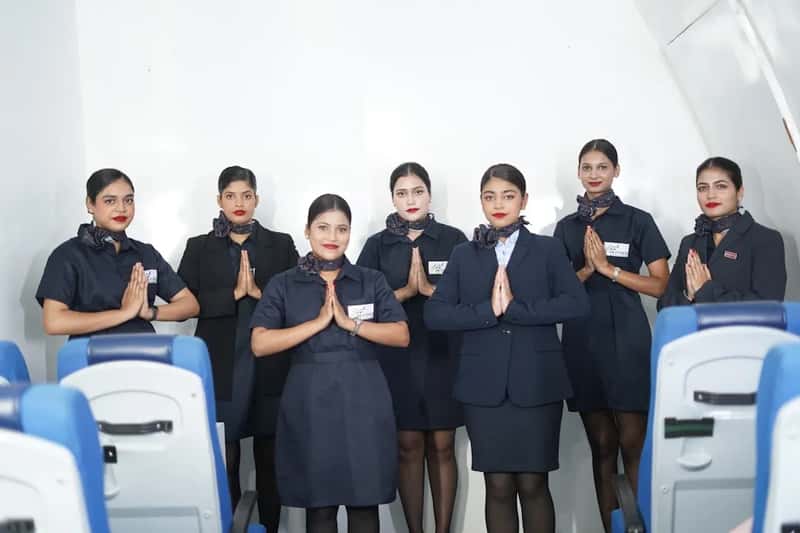
That cheerful “welcome aboard” at the door isn’t just customer service script. A senior flight attendant described the greeting as one of the most judgmental welcomes a passenger will ever receive, adding that crews are judging a lot in those few seconds as part of the job.[1] It’s a fast behavioral check disguised as a hello.
Flight attendants from multiple airlines have shared that passengers who make eye contact and say hello are immediately flagged as cooperative and pleasant to work with, while those who brush past without a glance tend to receive less personalized attention.[2] It costs nothing, yet an Alaska Airlines flight attendant noted that a quick smile and a greeting help set a positive tone for the entire trip, and crews remember who treated them like a person.[2]
2. What’s on Your Feet
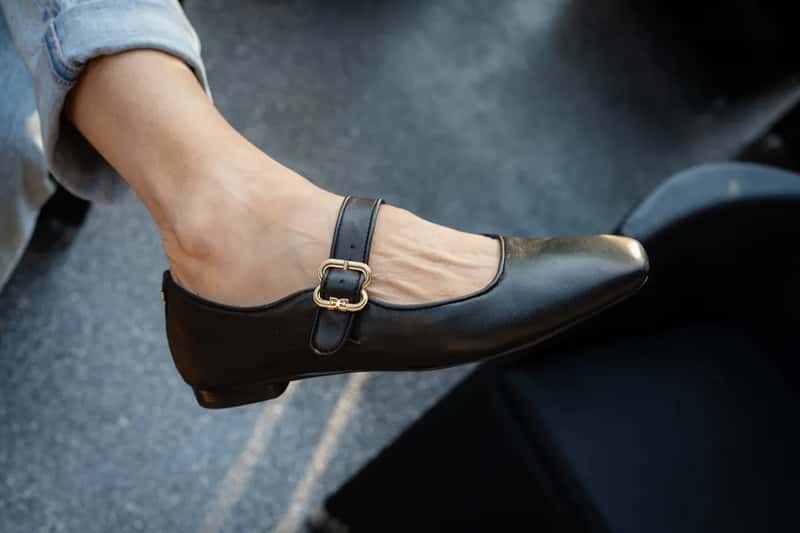
Shoes might seem like a strange thing for a stranger to clock, but there’s real logic behind it. Flight attendants notice footwear because it helps them determine whether a passenger could move quickly in an emergency, not out of any fashion curiosity.[3] High heels, flip-flops, and anything unstable get filed away mentally.
The concern isn’t cosmetic at all. Crew will notice any sharp item, including spiky jewelry or high-heeled shoes, that would need to be removed in a planned or unplanned emergency, since such items can puncture an evacuation slide.[4] Sturdy, closed-toe shoes tend to earn a quiet nod, while loose sandals or stilettos raise a small mental flag.
3. The Size and Number of Your Bags
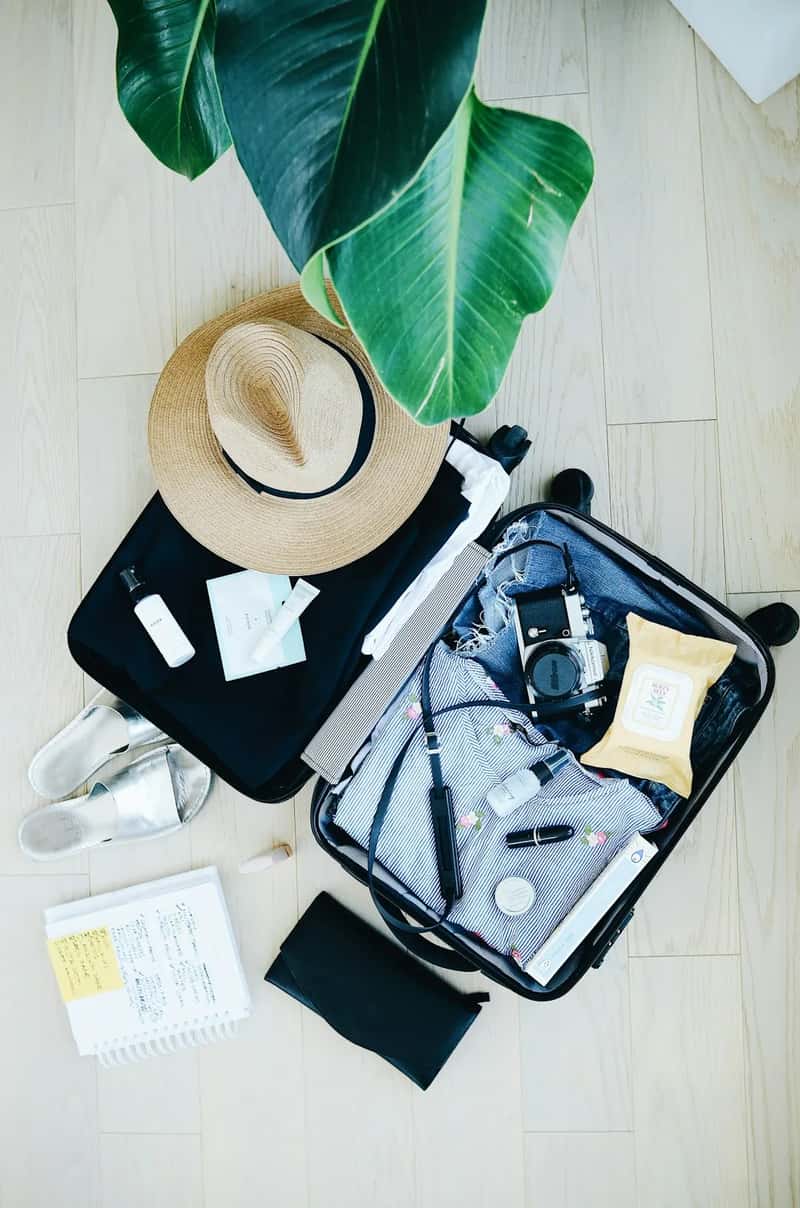
Your carry-on gets sized up before you’ve even reached your row. Flight attendants notice luggage the moment a passenger lifts it, since an oversized suitcase or overstuffed backpack can slow boarding and create stress in the aisle.[5] That quick glance determines whether they’ll need to intervene before the bin situation turns into a bottleneck.
It isn’t just about tidiness either. Flight attendants zero in on carry-ons, paying close attention to how many bags a passenger has and how large they are.[3] A bag that’s clearly too big for the overhead locker is noticed almost instantly, long before anyone tries to force it in.
4. If You’re Glued to Your Phone

Distraction during boarding is one of the easiest things for crew to spot. Flight attendants need to know that passengers are paying attention and will try to catch someone’s eye if they’re on their cellphone, watching for texting or talking that holds up the boarding process.[3] It matters for timing as much as attentiveness.
The same instinct carries into the safety briefing. Eye contact, nodding, or pausing while using a device shows engagement, while scrolling through a phone during instructions has the opposite effect.[5] Crews aren’t trying to police your screen time, but they are trying to gauge whether you’ll follow directions if something goes wrong.
5. Any Signs of Intoxication
This one is less about judgment and more about safety math. Staff can pick up on signs of intoxication almost instantly, whether that’s slurred speech, unusual and disruptive behavior, or aggressiveness, which is one reason crews greet passengers so closely at the door.[6] The greeting doubles as a screening moment.
Airlines have a real incentive to catch this early rather than mid-flight. Once a passenger shows clear signs of impairment before takeoff, crews can flag the issue with the flight deck and gate staff while there’s still time to act, rather than managing a disruptive situation at thirty thousand feet.
6. Whether You Look Unwell
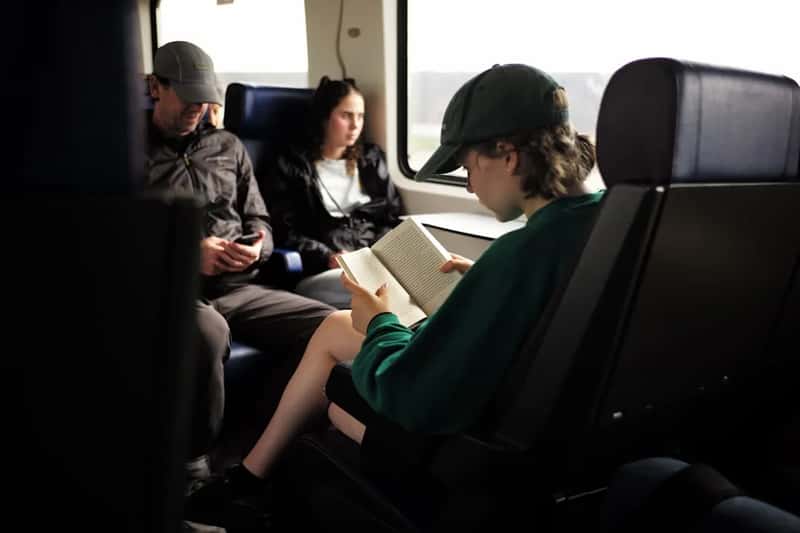
Health cues get read almost automatically, the same way anyone notices if a friend looks tired or under the weather. People can usually tell if someone looks well-rested and healthy or sniffly, sleep-deprived, and anxious, and this health assessment is magnified for flight attendants searching for signs of illness during boarding.[6] It’s a practical concern, not idle curiosity.
The reasoning is straightforward once you think about the setting. Crews are about to share a confined space with hundreds of people, where illness can spread very easily.[6] A passenger who looks pale, feverish, or clearly struggling may quietly get extra attention from crew throughout the flight, just in case.
7. Who You’re Traveling With
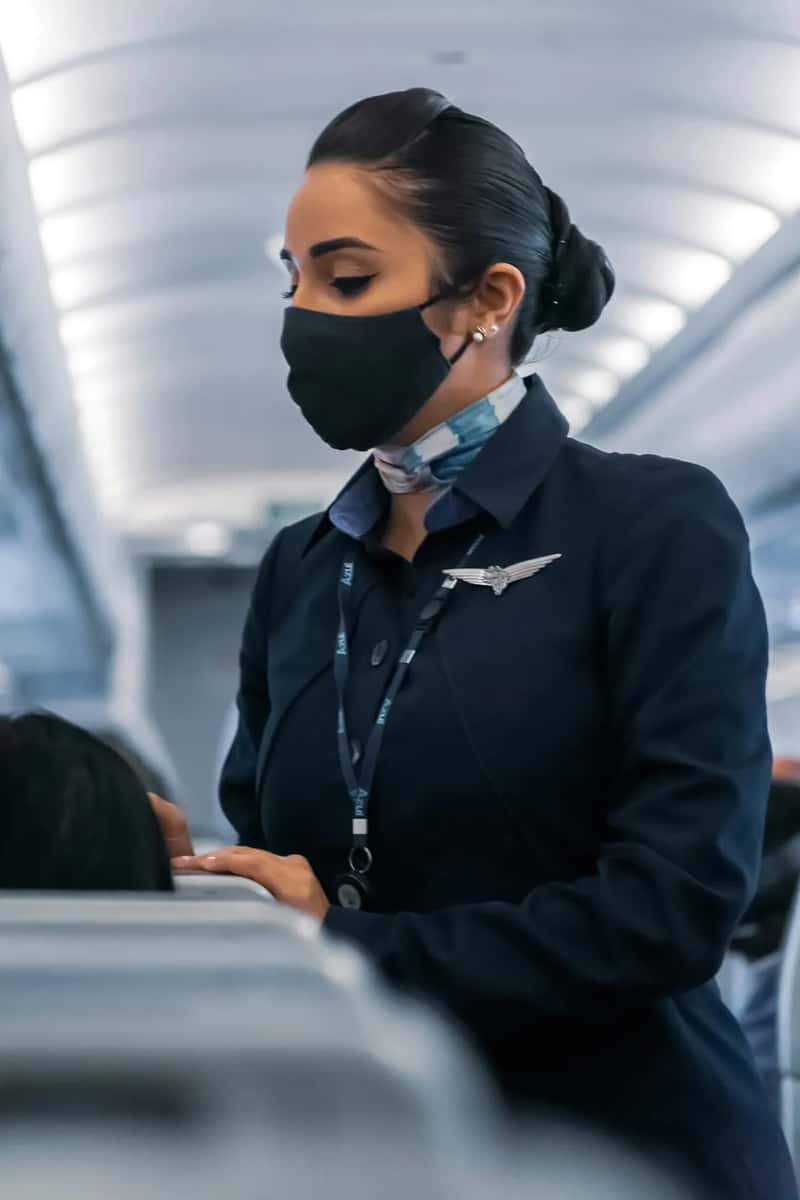
Group dynamics matter more than most passengers realize. A fairly obvious but important thing flight attendants notice upon boarding is a passenger’s group, carefully noting who someone is boarding with.[6] Families with small children, unaccompanied minors, and couples traveling together all get filed differently in a crew member’s mental checklist.
This isn’t just bookkeeping. Crews look for passengers who need extra assistance during boarding or in an emergency evacuation, already aware of people with reduced mobility, unaccompanied minors, and those with sight or hearing challenges from the pre-flight briefing, along with elderly passengers and parents with infants who may need extra help.[4] Knowing the makeup of a traveling group helps crews plan who might need a hand later.
8. How Physically Capable You Seem
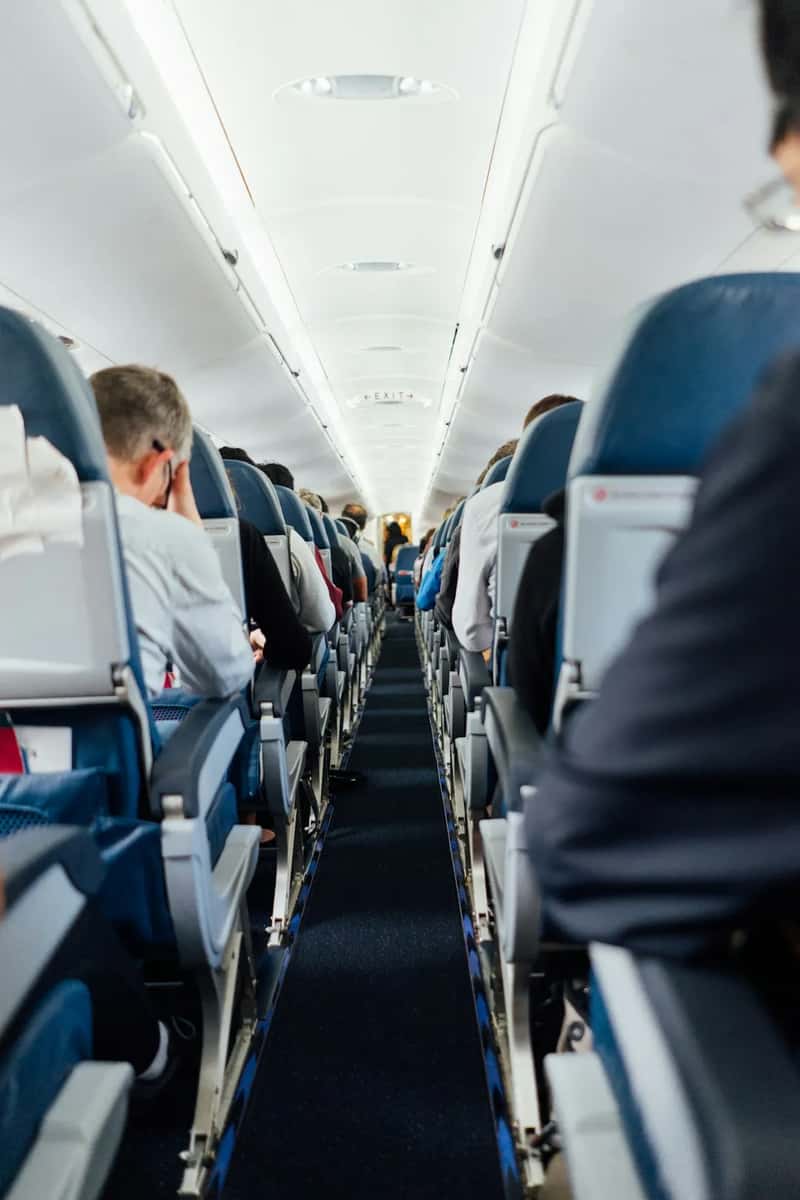
There’s a quieter, more strategic layer to boarding observation that most passengers never suspect. As they watch guests step aboard, crews are assessing which passengers are an “ABP,” or able-bodied passenger.[7] A Reddit post from a flight attendant described being expected to “pick out” and assess a number of able bodied customers and keep them in mind throughout every flight in case of emergency.[7]
This assessment isn’t limited to formal exit-row briefings, either. Cabin crew pay attention to passengers who are assisting others in line, since small details like that can help determine who might be most helpful in an emergency.[7] Because safety is the first concern, crews make a mental note of passengers who appear fit and could help lift heavy items or lend a hand if necessary.[3]
9. Whether You Come Across as Demanding
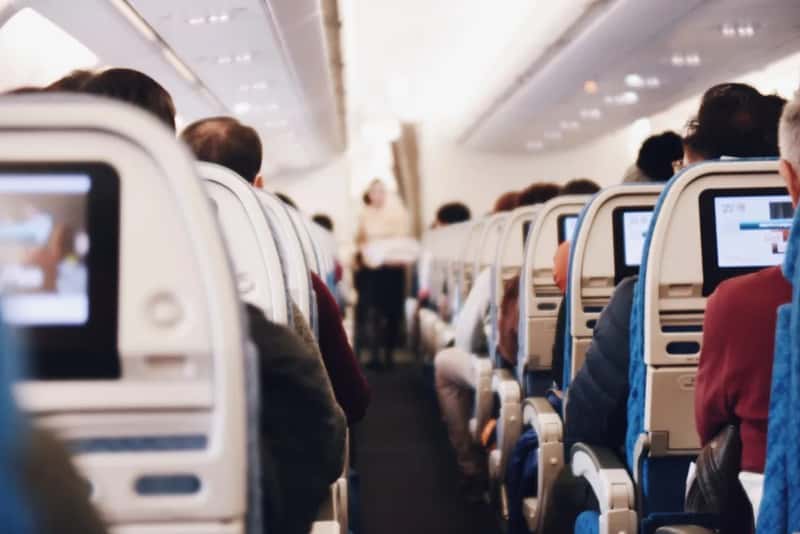
Attitude tends to announce itself before a passenger even sits down. Flight attendants notice passengers who don’t have obvious needs but still ask for accommodations from the get-go, sometimes watching them approach the boarding bridge and knowing they’re about to start asking for things, occasionally even yelling over the line for attention.[3] It’s a pattern crews recognize quickly.
Entitled or rude behavior gets remembered well beyond a single flight. Passengers who act entitled and are rude to flight attendants will be made a note of, which can be added to their information for future flights or, in extreme cases, lead to a ban from flying with the airline.[8] On the flip side, small gestures of appreciation stand out just as clearly, and gifts like chocolates or coffee gift cards have become increasingly common among frequent flyers[9] looking to start the flight on good terms.
None of this happens because flight attendants enjoy sizing people up. It happens because a cabin full of strangers has to function as a coordinated group for a few hours, sometimes under pressure, and those first few seconds at the door give crews the fastest read they’ll get all flight. The next time you step onto a plane, that quick glance and greeting from the crew member at the door is doing a lot more work than it looks like.