My first long-haul flight was thirteen hours from Chicago to Tokyo, and I remember landing feeling like I’d aged five years overnight. Nobody warns you about the small stuff until you’re the one dealing with it at thirty thousand feet, wondering why your feet feel like balloons and your throat feels like sandpaper.
Looking back, most of the discomfort could have been avoided with a little preparation. These are the lessons that actually stuck with me, the ones I now pass along to anyone booking their first transoceanic trip.
1. Cabin air is drier than a desert, and it sneaks up on you
Airplane cabins typically maintain humidity levels between ten and twenty percent, which is significantly drier than most deserts. That dry air pulls moisture from your skin, sinuses, and eyes faster than you’d expect, especially on flights longer than eight hours. I didn’t understand this on my first trip and spent the last few hours with a raw throat and a headache I blamed on everything except the obvious cause.
Now I bring a small saline nasal spray and reapply moisturizer or lip balm every couple of hours. Drinking water consistently, rather than just when a flight attendant passes by with the cart, makes a noticeable difference too. It sounds minor, but arriving without a dehydration headache changes how the first day of a trip actually feels.
2. Compression socks are not just for older travelers

I used to think compression socks were something my grandparents packed, not something a twenty-something needed. Then I learned that sitting still for long stretches at altitude can slow circulation in your legs, and the risk of blood clots, while still low for most healthy travelers, increases with flight duration. Doctors and aviation health groups generally recommend graduated compression socks for any flight over four hours, particularly for anyone sitting in an aisle or window seat where movement is harder.
They’re inexpensive, they pack flat, and they genuinely reduce that heavy, swollen feeling in your calves and ankles by the end of a long flight. I wear mine from the moment I sit down until I’m off the plane. It’s one of those small habits that took zero effort to adopt once I understood why it mattered.
3. Seat selection should match your body, not the seat map’s promises
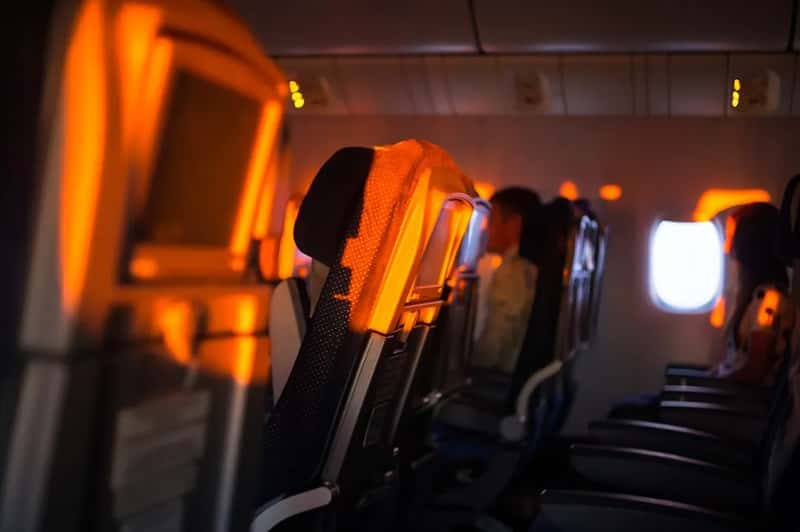
I picked a window seat on my first long-haul flight because I wanted the view, and I ended up climbing over a sleeping stranger twice to use the bathroom. Seat maps look appealing, but they don’t tell you about legroom quirks, proximity to galleys, or how close you’ll be to a bassinet zone with a crying infant. Apps and seat review sites that track actual aircraft configurations are far more useful than the airline’s own booking page.
Now I choose aisle seats for flights over six hours simply because getting up doesn’t require negotiating with anyone. If sleep is the priority, a window seat with something to lean against still wins. Knowing your own habits matters more than chasing whatever seat looks best in a diagram.
4. Your carry-on needs a real system, not just headphones and a phone charger
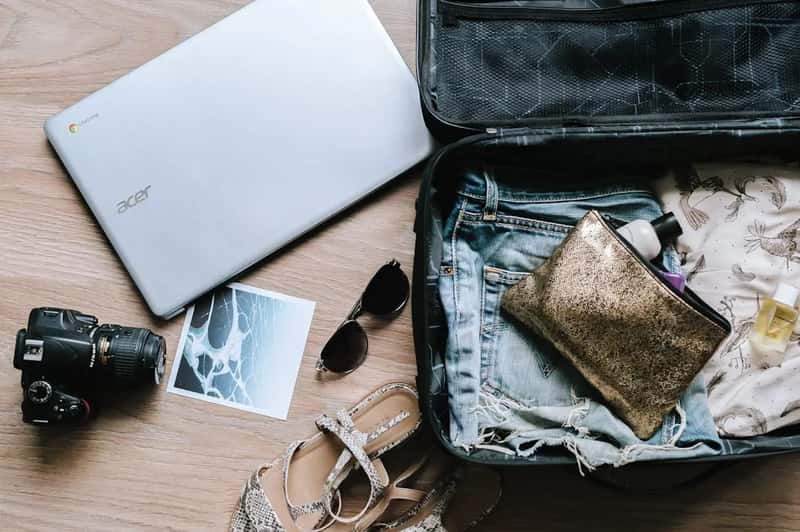
I packed my first carry-on like I was going on a two-hour domestic flight, which meant one book and a nearly dead phone battery by hour four. Long-haul flights demand a slightly different kit: a portable charger, a change of socks, a toothbrush, and something to eat that isn’t airline food if you have dietary restrictions. Even something as simple as a spare set of earbuds can save a trip when the first pair inevitably stops working somewhere over the Pacific.
I also learned to keep essentials accessible rather than buried under souvenirs or bulky items. A small pouch with medication, a pen for customs forms, and a portable charger sitting right at the top of the bag has saved me more than once during a rushed connection. It’s a small organizational habit that pays off disproportionately on longer routes.
5. Jet lag starts before you even board the plane
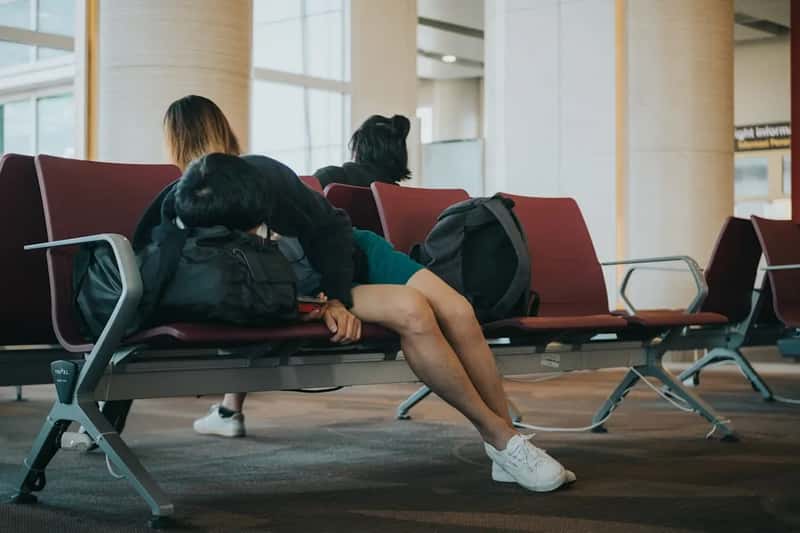
I assumed jet lag was something that happened after landing, so I did nothing to prepare beforehand and paid for it with three groggy days in Tokyo. Sleep researchers generally agree that shifting your sleep schedule gradually in the days leading up to a major time zone change reduces the severity of jet lag considerably. Even shifting bedtime by thirty minutes to an hour each day before departure gives your internal clock a head start.
On the flight itself, setting your watch to the destination time zone immediately and eating or sleeping according to that new schedule, rather than your home time, helps too. It sounds like a small mental trick, but it genuinely nudges your body into adjusting faster once you land. I now treat the days before a long-haul flight as part of the trip itself, not just administrative prep.
6. Movement matters more than any in-flight snack

On my first long flight, I sat still for nearly the entire twelve hours because I didn’t want to disturb anyone nearby. That was a mistake, since prolonged immobility is one of the main contributors to the leg swelling and stiffness that make long flights feel so much worse than they need to. Airlines and health authorities generally recommend standing or walking the aisle for a few minutes every couple of hours, along with simple ankle rotations and calf raises while seated.
Now I set a phone timer as a reminder to stretch, even if it means squeezing past a sleeping neighbor. The difference in how my legs feel after landing is significant, and it takes maybe five minutes total spread across a flight. It’s a habit that costs almost nothing but pays off the moment you’re finally standing in the airport.
7. Noise-canceling headphones are worth every penny

I flew my first long-haul trip with basic wired earbuds and spent hours listening to engine hum at a volume loud enough to give me a mild headache. Cabin noise on most wide-body aircraft sits in a range that, over many hours, contributes to fatigue even if you don’t consciously notice it. Quality noise-canceling headphones cut that ambient roar dramatically, which makes both movies and actual sleep far more achievable.
I didn’t buy a pair until my third long trip, and I genuinely regret waiting that long. They’re one of the few travel purchases that immediately proves its value the first time you use them. Whether it’s an expensive over-ear set or a more affordable in-ear model, the difference compared to standard headphones is immediately obvious.
8. Layovers need an actual plan, not just hope
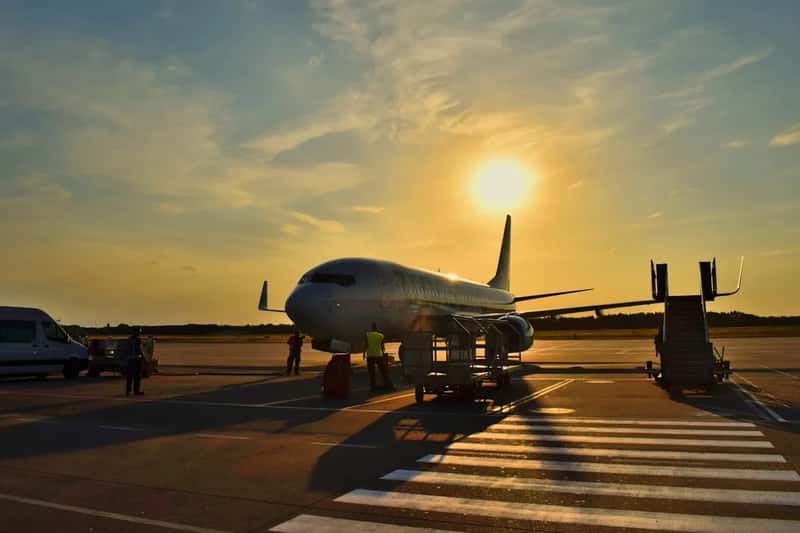
I once had a ninety-minute layover in a massive international hub and nearly missed my connection because I underestimated how long security re-screening and terminal transfers would take. Some of the world’s busiest airports, including major hubs in the Middle East and Asia, require passengers to walk or take a train between terminals, and that alone can eat up twenty or thirty minutes. Checking the airport’s layout ahead of time, rather than assuming all gates are close together, avoids unnecessary stress.
Now I always look up minimum connection times for a specific airport before booking, and I build in extra buffer for anything under ninety minutes on an unfamiliar layout. Apps that map terminal distances have saved me from sprinting through an airport more than once. A little research before the trip removes a surprising amount of anxiety during the actual travel day.
9. Comfortable clothing beats a curated “travel outfit” every time

I wore jeans and a fitted sweater on my first long-haul flight because I wanted to look put together landing in a new country, and I regretted it somewhere around hour six. Cabin temperature fluctuates throughout a flight, often running cooler than expected, and restrictive clothing makes the swelling and stiffness from sitting even more uncomfortable. Layers, breathable fabric, and shoes that are easy to slip off make a far bigger difference to how you feel than anything stylish ever will.
Now I default to loose pants, a soft layer I can add or remove, and slip-on shoes I can wear with compression socks underneath. It’s not a glamorous outfit, but it’s the difference between landing rested or landing wrecked. Comfort on a long flight isn’t optional if you want to actually enjoy the destination once you arrive.