Selling the house you’ve lived in for decades and moving to another country sounds simple enough in theory. Pack up, sign some papers, buy a plane ticket. In practice, the sequence matters more than most people expect, and skipping a step can cost thousands of dollars or months of frustration once you’ve already landed overseas.
The good news is that most of the groundwork can be done from your kitchen table, long before a moving truck shows up. Here’s what actually needs attention before you list the house and start dreaming about your new address.
1. Confirm your capital gains tax exclusion before listing
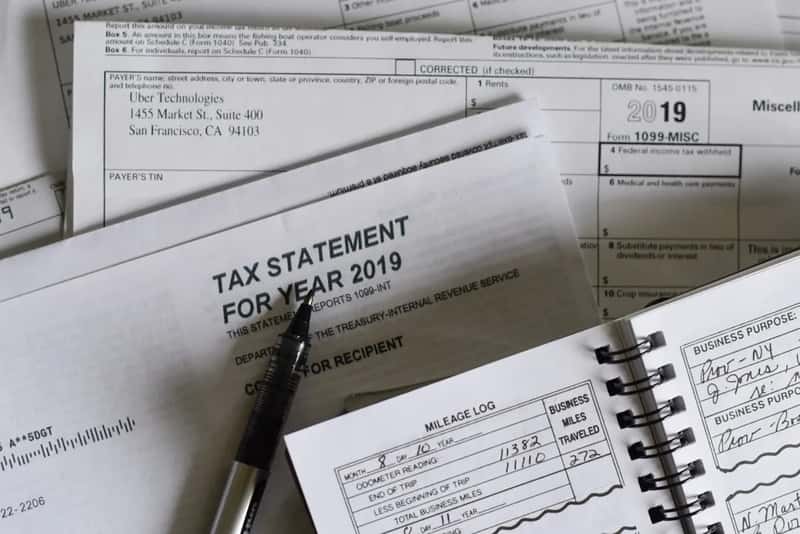
Before you sign anything with a real estate agent, figure out exactly how much of your home sale profit will actually be tax-free. Under the federal Section 121 exclusion, if you have a capital gain from the sale of your main home, you may qualify to exclude up to $250,000 of that gain from your income, or up to $500,000 of that gain if you file a joint return with your spouse. To qualify, you must have owned the home for at least 24 months out of the last 5 years leading up to the sale, and you must have used it as a residence for at least 24 months of that same period.
If your gain is likely to exceed those thresholds, this is worth planning around rather than discovering after closing. For 2026, the federal long-term capital gains rates run from 0% for taxable income up to $49,450 for single filers, to 15% up to $545,500, and 20% above that, with most home sellers landing in the 15% bracket on any taxable portion. Keeping receipts for renovations matters too, since home improvements increase your cost basis and reduce your taxable profit. A few hours with a tax professional before the sale can save far more than it costs.
2. Research the exact residency visa you’ll need

Almost every country that welcomes retirees requires proof of income, not just a passport and good intentions. Portugal’s D7 visa is a common example: as of January 1, 2026, the minimum passive income requirement is €920 per month, totalling around €11,040 per year, and this income can come from pensions, transferable equity, real estate, intellectual property, or financial sources. That figure isn’t fixed forever either, since the amount increases 50% for a spouse and 30% for each dependent child.
Beyond the income test, most programs want proof of housing and a clean record. For Portugal specifically, applicants need to show they have a residency, meaning they either own a property or have a long-term rental agreement of 12 months or more. Every country runs its own version of this checklist, and rules shift year to year, so verify current numbers directly with a consulate or licensed immigration advisor rather than relying on a blog post from a couple of years back.
3. Work out what happens to your Medicare coverage

This one catches a lot of retirees off guard. Medicare coverage outside the U.S. is limited, and in most situations, Medicare won’t pay for health care or supplies you get outside the U.S. That covers routine care, prescriptions, and even most emergencies once you’re settled abroad.
The decision about whether to keep paying premiums is genuinely complicated. Keeping Part B may not be worth the cost if you live abroad permanently and do not take frequent trips to the U.S., since you must continue paying monthly premiums even though Medicare won’t cover your care there. But dropping it isn’t free either: if you drop Part B while living abroad and later move back to the U.S., your monthly premium increases by 10% for every full 12-month period you were eligible but didn’t have it, and that’s not a one-time fine but a lifetime penalty. Map out your likely healthcare needs and how often you’d realistically return to the U.S. before you decide either way.
4. Line up health insurance for your new country

Once Medicare is out of the picture for daily care, you need a real plan for doctors, hospitals, and prescriptions abroad. Many popular retirement destinations offer surprisingly affordable options once you’re a legal resident. Countries like Spain, Portugal, and Thailand allow non-residents to buy into their public healthcare systems for affordable annual fees.
Portugal is a good illustration of how this can work in practice. In countries with national healthcare systems that extend to legal residents such as Spain, Portugal, Italy, or Greece, expats can use local public healthcare and purchase supplemental catastrophic insurance for emergencies, paying modest fees of five to ten euros for appointments and small co-pays for prescriptions, with major care covered. Layering a private international policy on top for faster specialist access is common and usually still cheaper than U.S.-based coverage.
5. Get your U.S. tax and reporting obligations sorted
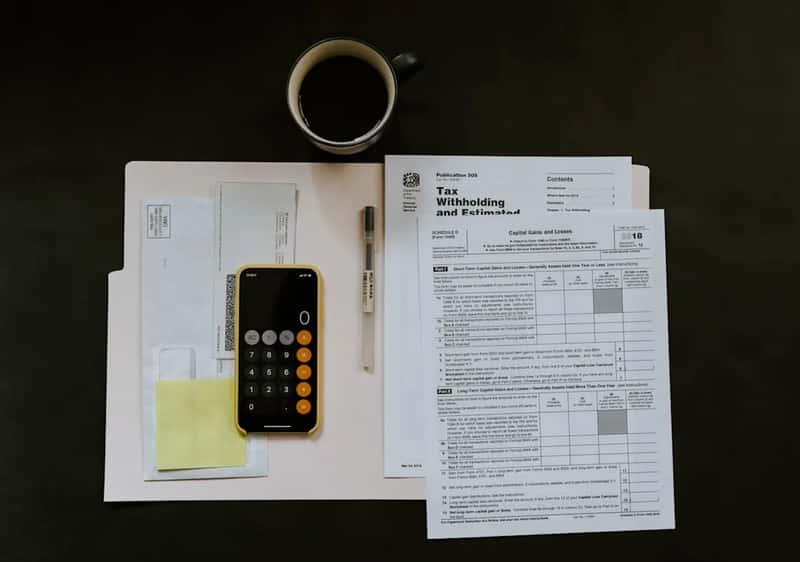
Moving abroad doesn’t end your relationship with the IRS, and it adds new paperwork rather than removing it. American citizens owe U.S. tax on worldwide income no matter where they live, and foreign bank accounts above certain thresholds trigger separate reporting requirements like the FBAR and FATCA forms. Missing these isn’t a minor slip either, since penalties for unreported foreign accounts can be steep even when no tax is actually owed.
On top of your U.S. filing, you’ll likely owe taxes in your new country as well once you cross the residency threshold. The D7 visa requires spending significant time in Portugal, which triggers tax residency obligations, and holders who spend 183 days or more per year become Portuguese tax residents, which means their worldwide income becomes subject to taxation there too. A cross-border tax advisor who understands both systems is worth the consultation fee before you sell anything.
6. Set up international banking and a plan for moving money

You’ll need a way to receive pension payments, Social Security deposits, or home sale proceeds and turn them into usable local currency without losing a chunk to fees along the way. Most expats end up keeping a U.S. bank account open for pension deposits and premium payments while opening a local account in their new country for everyday spending. That local account often has its own prerequisites, since Portuguese banks and consulates typically expect a tax identification number before an account can even be opened.
Currency risk is the part people underestimate the most. If your income arrives in dollars but your rent, groceries, and utilities are billed in euros or pesos, exchange rate swings directly affect your monthly budget. Setting up a relationship with a low-fee international transfer service, rather than relying on your regular bank’s wire transfer rate, can meaningfully change how far your retirement income stretches.
7. Rent in your target location before committing to buy

It’s tempting to sell the house, pocket the proceeds, and immediately buy a place abroad in one clean move. Resist that urge. A neighborhood that feels perfect on a two-week vacation can feel very different once you’re there through a rainy winter or a stretch of homesickness.
Renting for six months to a year gives you room to test transportation, healthcare access, language barriers, and the actual cost of living before locking in a purchase in an unfamiliar legal system. It also buys time to finish your visa paperwork, since programs like Portugal’s D7 already accept a signed long-term lease as proof of accommodation rather than requiring outright ownership. There’s no rush to buy the moment you land.
8. Downsize deliberately and decide what actually crosses the ocean

Selling a home you’ve lived in for years usually means confronting decades of accumulated belongings, and shipping most of it overseas rarely makes financial sense. International shipping containers are expensive, furniture built for U.S. electrical standards and room sizes often doesn’t fit new spaces, and customs regulations in many countries add duties or restrictions on used goods.
A more practical approach is sorting possessions into three piles early: what genuinely matters enough to ship, what gets sold or donated, and what goes into storage if you’re not fully certain the move is permanent. Selling furniture and vehicles domestically, ideally timed close to your closing date, also adds extra cash to your relocation fund at a moment when you’re likely to need it.
9. Put your legal and estate documents in order first

A will, power of attorney, and healthcare directive drafted for a life in the United States may not hold up cleanly once you’re a legal resident somewhere else. Some countries require documents to be notarized, translated, or apostilled before local authorities will recognize them, and estate law varies enough between countries that assets abroad can end up governed by rules you never anticipated.
Update your will and powers of attorney before you sell the house, not after you’ve moved, while you still have easy access to a U.S. attorney familiar with your full financial picture. It’s also worth naming a trusted contact back home who can handle mail, banking issues, or paperwork on short notice, since being a full ocean away makes even small administrative problems slower and more stressful to fix.
Selling the house is often the easiest part of this whole process. It’s the visa applications, insurance decisions, tax filings, and legal paperwork that determine whether the move actually goes smoothly once you’ve handed over the keys. Working through these nine items before the “for sale” sign goes up gives you a real head start, rather than trying to solve them from a hotel room in a country where you don’t yet speak the language or know which office handles what.