Most of us try to be decent passengers. We shuffle down the aisle, stuff our bags overhead, buckle in, and hope for a smooth ride. But somewhere between gate and destination, a lot of travelers unknowingly do things that make cabin crew quietly lose their minds. Honestly, it’s not always obvious. Some habits seem perfectly reasonable from the passenger’s perspective. Yet from the other side of that drink cart, they’re the stuff of legend.
Flight attendants deal with hundreds of passengers per flight, day after day. They juggle safety duties, service, conflict resolution, and the occasional medical emergency, all with a professional smile locked in place. So when certain behaviors keep coming up again and again, it’s fair to say the frustration is real and well-earned. Here’s what really gets under their wings.
1. Abusing the Call Button Like It’s a Concierge Service
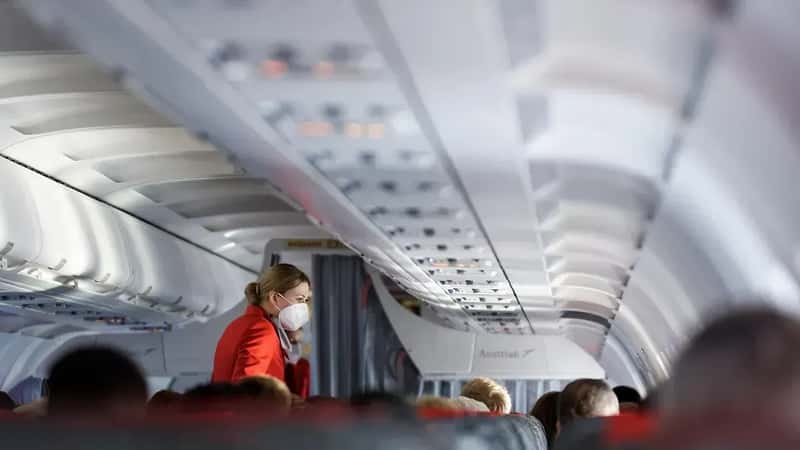
People are pressing the flight attendant call button way more than they used to. One flight attendant told USA Today it’s up to 40% more often. That is a staggering jump. And flight attendants are noticing.
The call button has become like a hotel concierge bell for some people. Flight attendants understand emergencies and legitimate needs, but they’ve noticed a disturbing trend where passengers use it for requests they could easily handle themselves. Think: asking for a napkin when the attendant is two rows away already handing them out.
Here’s what you need to understand: flight attendants are safety professionals first. When you hit that button, they’re expecting an emergency. Using it to request a specific water brand or ask about a Wi-Fi connection is, to put it plainly, tone-deaf. Save the button for when it counts.
2. Going Barefoot, Especially Into the Lavatory
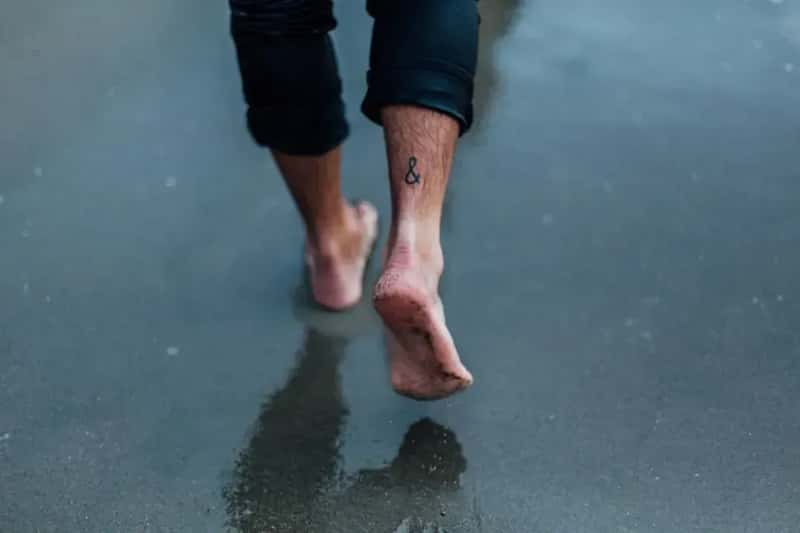
Passengers use the bathrooms all the time on the airplane with either bare feet or with only socks on. This in-flight habit gives flight attendants “the ick” because of what could be on the restroom floor. Let’s just say what flight attendants know: that liquid on the lavatory floor is almost certainly not just water.
Restroom floors on planes are exposed to constant traffic, turbulence, spills, and whatever drips from bags or clothing. Even if you do not see a mess, flight crews say you cannot assume the floor is clean. Hundreds of people move through that tiny space every single day.
Airlines have recently been shifting their dress codes, and footwear is increasingly referenced in the rules. A number of domestic airlines now have policies that say you can be taken off a flight for coming in barefoot. Delta’s code of conduct says it can remove a barefoot passenger from a flight, and Spirit Airlines says the same thing. Keep your shoes on. It’s not negotiable.
3. Ignoring the Safety Demonstration
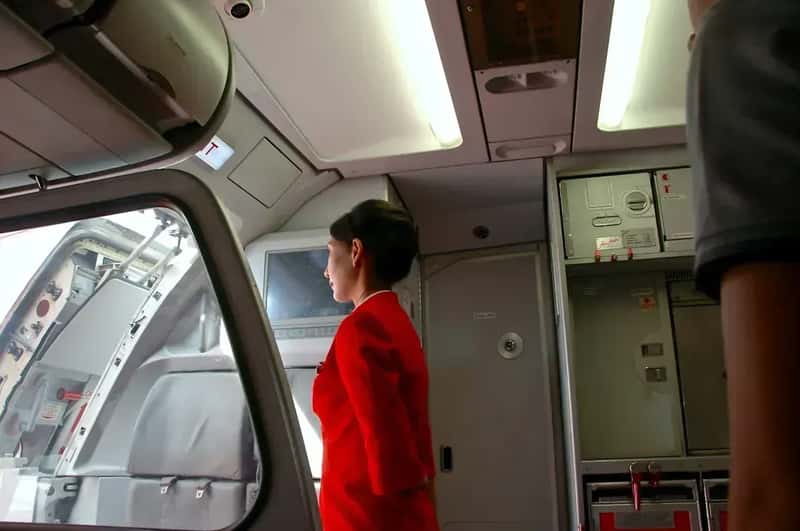
Travelers often ignore safety demonstrations on flights, says the head of the largest flight attendant union in the U.S. That union represents cabin crews at major carriers including United, Alaska, and Frontier. This is not a minor complaint. It is a documented, systemic problem.
Flight attendants will notice when people are playing with their phones or wearing headphones during the safety demonstration or talking all the way through it. It is important to know what to do in an emergency, and people who do not watch or listen are less likely to know what to do or comply with the crew’s instructions.
During those first few minutes of the flight when the door is closed and safety procedures are explained, there are distractions aplenty: streaming entertainment, emails and texts, and increasingly, gate-to-gate Wi-Fi. Two major airline incidents in January 2024 alone, involving Japan Airlines and Alaska Airlines, reminded the world exactly why paying attention matters. Flight attendants shouldn’t have to beg for your eyes.
4. Bringing Oversized or Overweight Carry-On Bags
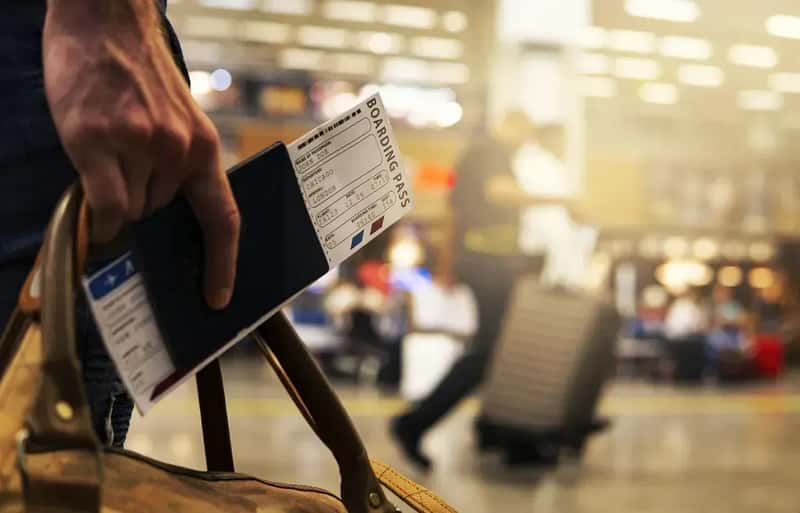
If you’re bringing too many bags onboard, it’s a surefire way to make your flight attendant dislike you. So many aircraft depart late because passengers bring too many bags and there isn’t enough space for them in the overhead bins. The bags then have to get placed in the cargo, which delays everyone.
The real frustration, multiple attendants said, comes from passengers who bring bags they know are too large, expecting flight attendants to perform miracles. As one attendant put it, “We’re not magicians,” but somehow we’re expected to make a bag that barely fit through the airport scanner suddenly shrink to fit in an overhead bin.
As one flight attendant explained, “my biggest pet peeve would be when passengers bring their super heavy, bursting at the seams, carry-on luggage and ask us to lift it into the bins for them. If they can’t lift it, then there’s a high chance neither can I.” Safety is the main concern during boarding, and flight attendants are usually juggling ten safety-related things at once without passengers realizing.
5. Physically Touching Flight Attendants to Get Their Attention
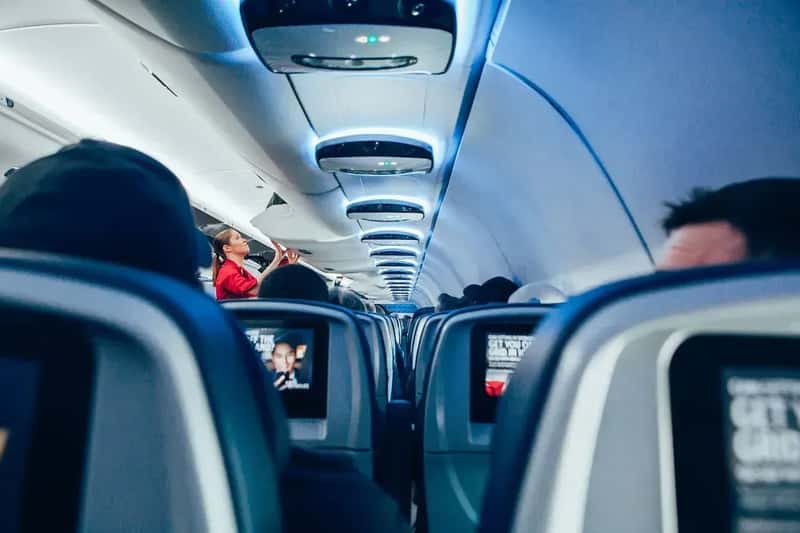
Some passengers think it’s more polite to gently tug on a flight attendant’s sleeve or elbow to get their attention, especially if their neighbor is sleeping or if the plane is very quiet. On the upside, at least it’s not whistling or snapping their fingers, which is very rude. Though honestly, neither approach is a good look.
Even if you’re gentle and trying to be polite, most flight attendants prefer not to be touched at all. The call button exists for this exact reason. It’s not loud. It’s not disruptive. It’s simply the correct way to ask for help.
Sometimes well-intentioned touches, like a gentle nudge or tapping, cross a boundary. Flight attendants prefer a polite “Excuse me” or pressing the call button rather than physical contact. Treat them the way you’d treat any professional in a workplace. You wouldn’t tap your doctor’s shoulder mid-examination. Same principle applies here.
6. Standing Up the Second the Plane Lands
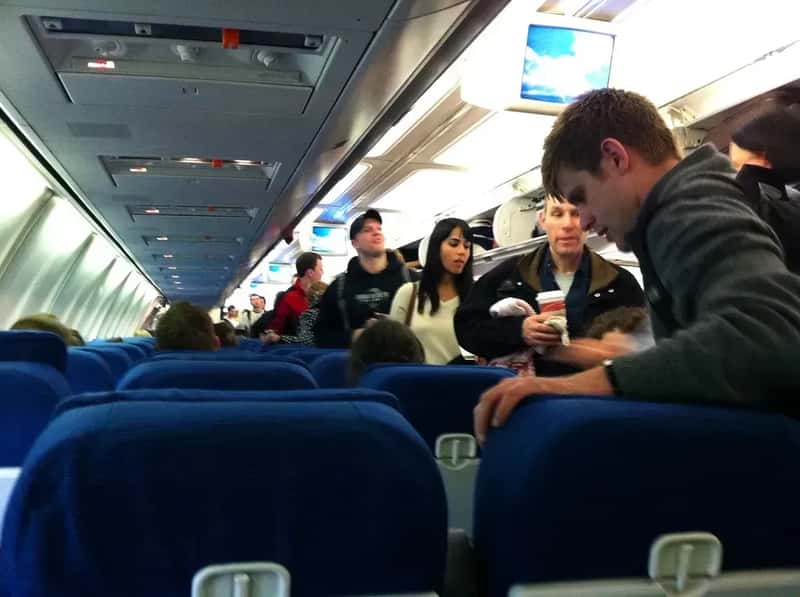
According to flight attendants and an unofficial poll of Reddit forums, the number one rudest deplaning behavior has earned itself a vivid nickname: being “aisle lice.” Aisle lice are the passengers who leap out of their seats the millisecond the plane arrives at the gate, sometimes even before the seatbelt sign is off, push their way into the aisle, and attempt to deplane before the rows ahead of them.
The overeager traveler jumps up before the seatbelt light is turned off. Not only is this dangerous because the plane is still moving, but this behavior can force the plane to stop on the tarmac. And then everyone is delayed. Because of one person who couldn’t wait 90 seconds.
It’s not just annoying, but it also slows everything down, making those passengers even less likely to get what they want. Airlines actually have a method to deplaning: passengers are supposed to deplane row by row, starting from the front and working their way back, all in an orderly fashion. Trust the system. It exists for a reason.
7. Ignoring Flight Attendants When Being Addressed
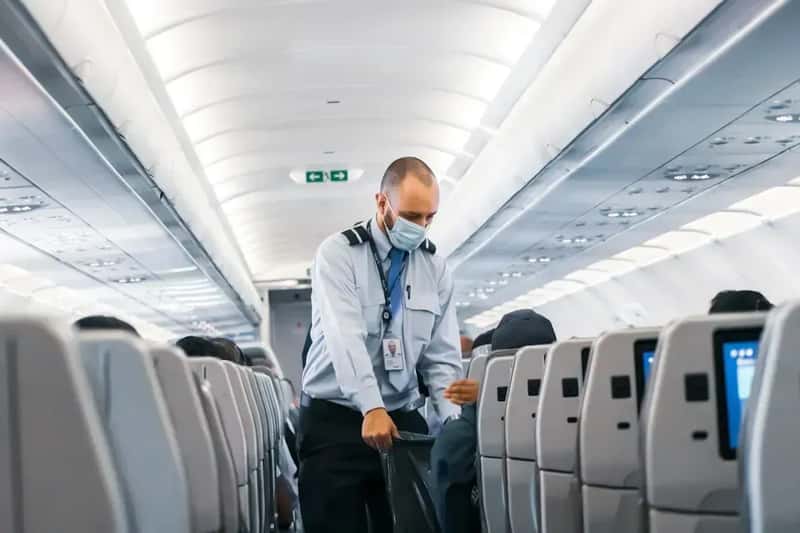
Flight attendants hate it when they put effort into giving each passenger a friendly greeting only to get ignored. “And it’s bad when they look you in the eye and they ignore you.” Even if you’re not intentionally being rude, it comes off as quite shady.
Many flight attendants have had to repeat themselves three times when approaching a passenger to ask for a drink order. It’s not that they expect passengers to keep an eye out for them, and they understand that a movie might be entertaining. Once you see them and they’re speaking to you, however, an answer is simply expected. Many passengers ignore the crew, keep their earphones in, and give their order while not peeling their eyes off their screens.
This one is honestly more about basic human dignity than aviation etiquette. These are people doing a demanding job. Acknowledging them is the bare minimum. Literally the least anyone can do at 35,000 feet.
8. Blocking the Aisle During Boarding
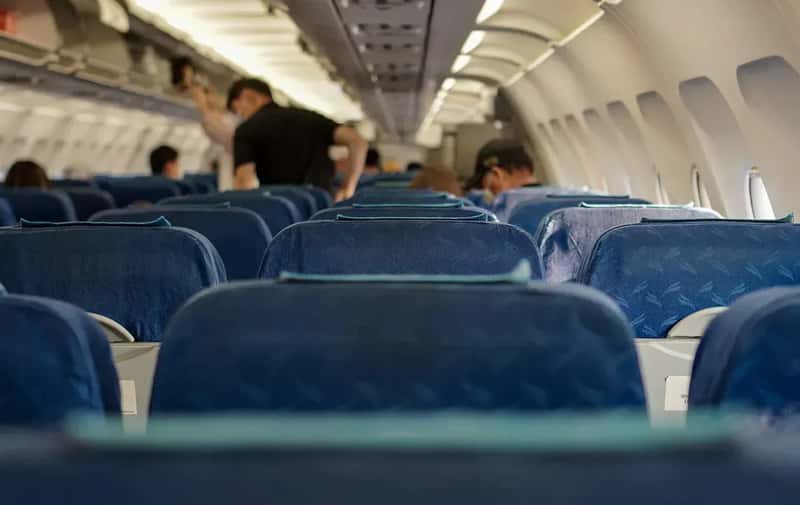
Getting organized during boarding, and not in the lounge beforehand, blocking the aisle, creating a traffic jam, and slowing down the boarding process are among the biggest frustrations for flight attendants. People holding up the aisle and repacking their bag in the aisle ultimately pushes back the time for flight attendants to secure the plane before taking off.
Blocking the aisle while you reorganize your entire bag, standing up the second the seatbelt sign turns off and pushing past everyone, and taking forever to deplane while crew members have tight turnarounds might not seem like a big deal in the moment, but they demonstrate a consistent disregard for others and create real operational problems.
Flight attendants are evaluated on on-time performance. When passengers cause delays, it affects their professional metrics and potentially their ability to make their own connections. Reorganize your bag at the gate, not in the aisle. That’s it. That’s the tip.
9. Handing Flight Attendants Trash, Diapers, or Used Sick Bags
Don’t hand the sick bag to the flight attendant if you have to use it. Instead, take it to the closest bathroom and dispose of it in the trash bin. If you don’t feel up to that, take the bag with you when deplaning and throw it in the airport bathroom. Flight attendants serve food and drinks to other passengers and are not permitted to take vomit-filled bags due to health precautions.
Flight attendants prefer passengers hold onto trash until official collection moments, especially items like diapers, since handling by bare hands is unpleasant and a diaper on the service cart can actually halt service entirely. Think about what that means for the entire cabin during a long-haul flight.
Most planes have a roughly 50-to-1 passenger ratio, so flight attendants come by periodically to collect trash. Trash is not an emergency. Wait for the collection round. Be patient. The person pushing that cart has been on their feet for hours, serving a full cabin, and they haven’t exactly signed up to be a walking wastebasket on demand.
—
Flight attendants operate in one of the most demanding and underappreciated service environments in the world. Responsible for the comfort and safety of passengers as they soar tens of thousands of feet above the earth, these aviation professionals can genuinely make or break a trip. Unruly passengers are becoming a major problem for airlines worldwide, and in 2024, the aviation industry saw a significant increase in disruptive passenger behavior, putting crew members at risk and causing flight delays and safety concerns.
Most of the habits above don’t come from malicious intent. They come from inattention, self-absorption, or simply not knowing better. Now you know. Next time you board, bring a little awareness with your carry-on. What do you think – are you guilty of any of these? Tell us in the comments.