
There was a time when American travel habits carried a certain swagger. Big cars, big road trips, big hotel chains built on the promise of predictable comfort from coast to coast. Some of that pride has aged well, and some of it has quietly curdled into habits that now feel more embarrassing than admirable.
Looking back at these travel traditions says as much about how the country saw itself as it does about how it actually moved through the world. Here are nine of them, and why the shine has worn off a few.
1. The Great American Road Trip

For decades, the cross-country road trip was practically a rite of passage, a symbol of freedom tied to cheap gas, wide highways, and the sense that the whole continent was yours to explore. Route 66 became shorthand for this idea, celebrated in songs and postcards long after much of it had been bypassed by interstates. Families genuinely took pride in logging thousands of miles, treating the odometer like a badge of honor.
These days the math looks different. Gas prices remain volatile, EV charging infrastructure is still uneven outside major corridors, and many younger travelers openly prefer flying or train travel when the option exists. The romance hasn’t disappeared entirely, but it’s no longer the default flex it once was.
2. Loyalty to a Single Airline or Hotel Chain

Brand loyalty used to be a point of pride. Frequent flyer cards, hotel status tiers, and branded credit cards were badges people wore, and staying loyal to one airline or chain felt like a smart, even sophisticated choice. Elite status was something to mention at dinner parties, a small signal of frequent business travel and insider know-how.
That loyalty has frayed. Airline mergers, shrinking legroom, and increasingly complicated award charts have made many travelers skeptical of the value they’re actually getting. Booking sites and point-comparison tools now make it easy to shop around, so fewer people feel locked into, or particularly proud of, a single brand.
3. The All-Inclusive Resort Vacation

All-inclusive resorts, especially in the Caribbean and Mexico, became a symbol of accessible luxury for American families starting in the 1980s and 1990s. Unlimited food, drinks, and entertainment for one flat price felt like a genuinely smart deal, and returning from one of these resorts with a tan and a wristband was its own kind of status marker.
The appeal hasn’t vanished, but the pride has softened. Critics increasingly point to the environmental and economic footprint of resorts that keep tourist dollars inside a walled compound rather than circulating through local communities. More travelers today openly say they prefer smaller, locally owned stays, even if all-inclusives remain popular for convenience.
4. Tipping Generously as a Point of National Identity

Americans have long taken a kind of quiet pride in being generous tippers, treating it as a marker of good manners and fairness toward service workers who often depend on tips for a living wage. The custom became so deeply embedded that many Americans traveling abroad kept tipping heavily out of habit, sometimes confusing or even annoying locals in countries where tipping isn’t customary.
Domestically, though, the mood around tipping has shifted noticeably. Rising prices, tip creep into self-checkout kiosks and coffee counters, and general fatigue with constant prompts have made many Americans feel less proud and more exhausted by the expectation. Surveys in recent years have consistently shown growing frustration with how widespread and automatic tip requests have become.
5. Packing Light Being Someone Else’s Problem
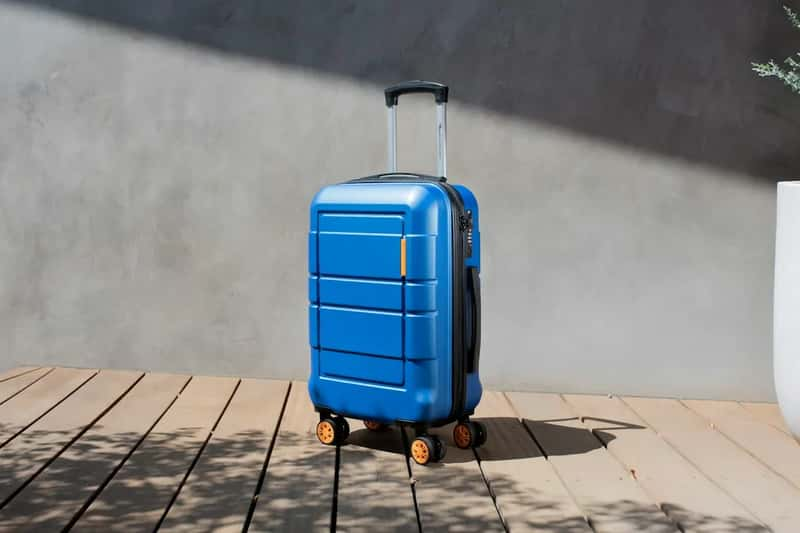
For a long stretch, checked bags were simply part of flying, and Americans didn’t think twice about bringing multiple large suitcases for a week away. Airlines included checked luggage in the ticket price for most of the twentieth century, so there was little incentive to pack lean, and doing so wasn’t seen as a skill worth bragging about.
Baggage fees introduced in the late 2000s changed the calculus, and packing light has since become something closer to a badge of savvy rather than an afterthought. Now travelers who master a single carry-on for a two-week trip are the ones getting the compliments, while over-packing is quietly viewed as a rookie mistake.
6. Treating National Parks Like an Endless Resource
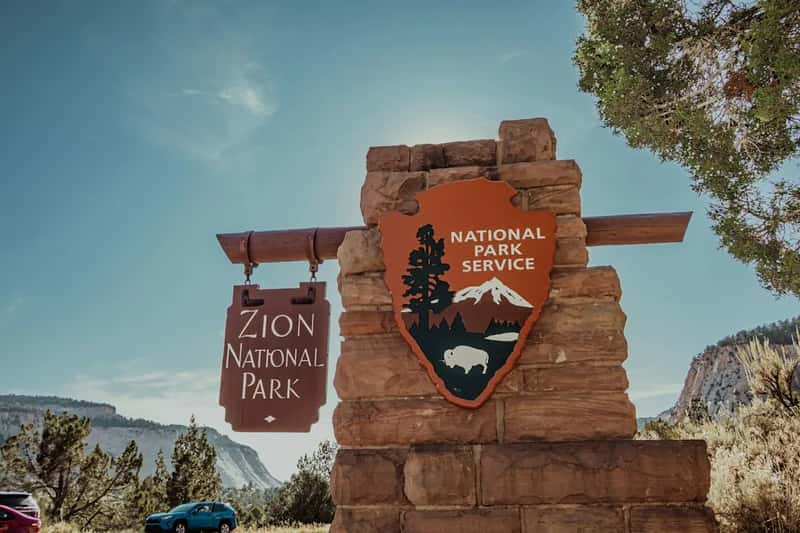
Visiting national parks has always been a source of genuine American pride, and rightly so, given the scale and beauty of places like Yellowstone, Yosemite, and the Grand Canyon. For a long time, though, that pride came with a casual attitude toward capacity, as if the parks could simply absorb whatever number of visitors showed up.
Recent years have made the limits obvious. Several popular parks, including Arches, Glacier, and Zion, have expanded or introduced timed-entry reservation systems in the 2020s to manage overwhelming crowds. What used to be a point of pride, unlimited access, has been replaced by a growing acceptance that some form of rationing is simply necessary to protect the parks themselves.
7. The Motel and Roadside Diner Circuit

Independent motels and roadside diners once formed the backbone of American road culture, offering cheap, no-frills stops that felt distinctly homegrown. Neon signs, drive-up parking right outside the room door, and diners with laminated menus were treated almost affectionately, a symbol of unpretentious American travel.
Many of these independent spots have closed over the past two decades, squeezed out by chain hotels and fast food that offer more predictable quality. Nostalgia for the old motel strip is real, and a small niche of travelers actively seeks out surviving examples, but the everyday pride in choosing them over a Marriott or a Cracker Barrel has largely faded.
8. Assuming English Would Be Understood Everywhere

There was a period when many American travelers abroad simply assumed that speaking louder or slower in English would eventually get the point across, treating this as a mildly amusing quirk rather than a real problem. It wasn’t malicious so much as a byproduct of growing up in a country where English dominates daily life, but it did little to endear American tourists to locals.
That assumption has become harder to defend as international travel has grown more accessible and more Americans have had direct experience navigating language barriers themselves. Translation apps, more widespread multilingual signage, and a general cultural shift toward humility about language skills have made the old approach feel outdated rather than charming.
9. Bragging About Visiting the Most Countries

For a stretch of time, a certain kind of American traveler took real pride in totaling up passport stamps, treating the number of countries visited almost like a scoreboard. Social media amplified this instinct in the 2010s, with travel influencers openly ranking themselves by country counts and encouraging followers to chase similar tallies.
That framing has lost much of its shine. Slow travel, deeper cultural engagement, and repeat visits to fewer places have become the more admired approach among a growing share of travelers, particularly younger ones who increasingly describe quality of experience as more meaningful than quantity of stamps. The passport count hasn’t disappeared as a talking point, but bragging about it now reads more as dated than impressive.
These shifts don’t mean every old habit was wrong or every new one is automatically better. Travel trends move in cycles, shaped by economics, technology, and the slow accumulation of collective experience. What Americans took pride in a generation ago says less about bad judgment and more about a different set of circumstances, ones that have simply moved on.