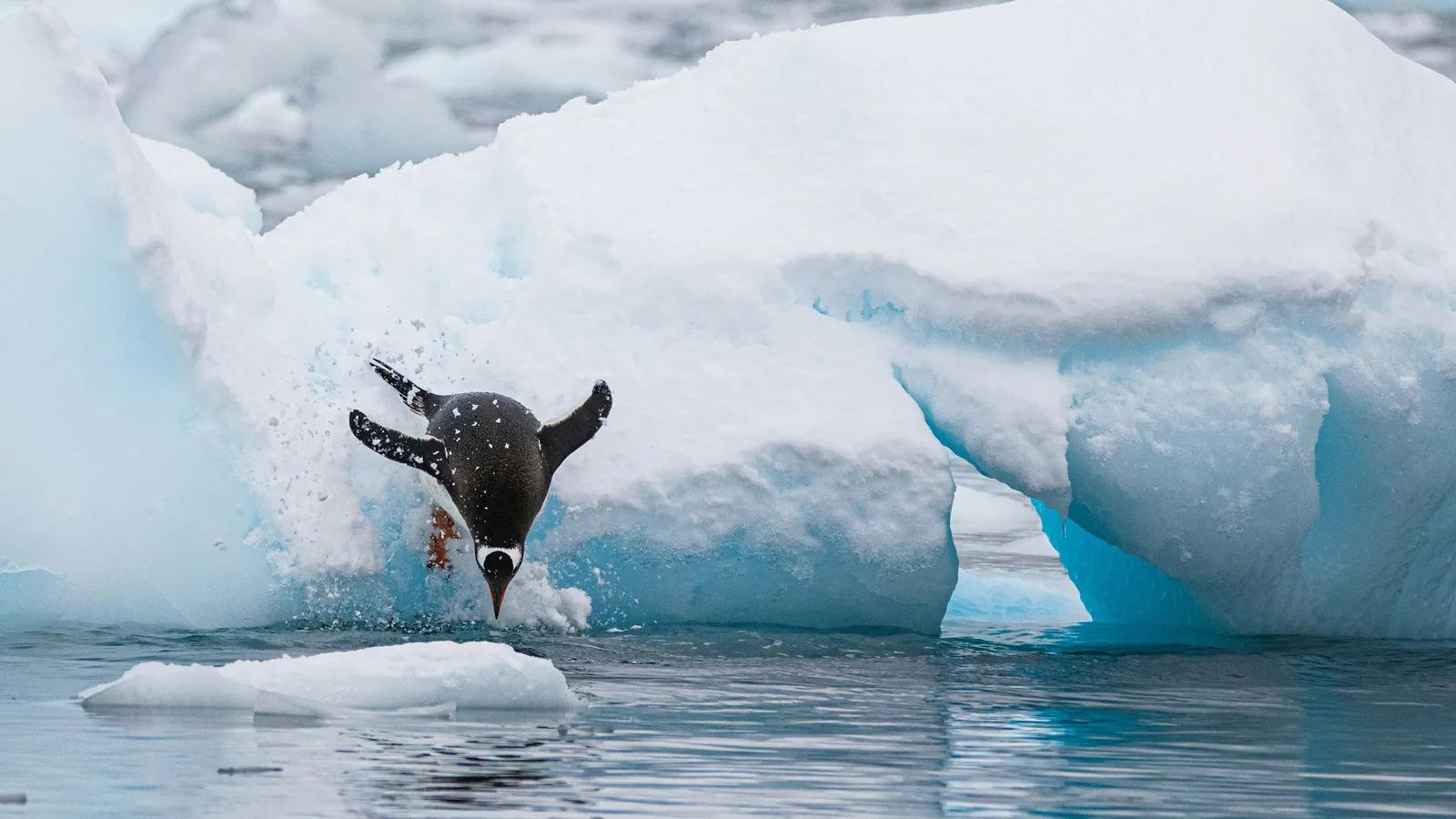
The author first reached Antarctica in 2022 aboard an expedition ship that crossed the notoriously rough Drake Passage and continued south along the Antarctic Peninsula. That initial voyage delivered a series of brief landings at scenic and wildlife-rich sites. A later return proved far more immersive, with an entire season spent living and working at Port Lockroy as a wildlife monitor for the UK Antarctic Heritage Trust.
The Drake Passage Crossing Sets the Stage
Most Antarctic Peninsula cruises begin with the same demanding passage across the Drake. The stretch of ocean between South America and the Antarctic continent is known for strong winds and large swells that can last several days. Passengers often spend that time adjusting to the motion while attending lectures on the region’s history, geology, and wildlife. ([1])
Once the ship reaches calmer waters near the Peninsula, the pace quickens. Zodiac boats ferry visitors ashore for walks among penguin colonies, visits to historic huts, and occasional kayaking or camping opportunities. These stops provide memorable but necessarily limited encounters with the landscape and its residents.
Port Lockroy Becomes Home for an Entire Season
Port Lockroy sits on Goudier Island in the Palmer Archipelago and serves as both a working research station and a popular cruise landing site. The author’s second visit transformed the location from a brief stop into a full-time base. Duties as a wildlife monitor included tracking penguin breeding success, recording visitor impacts, and maintaining the historic British base that now functions as a museum and post office.
Living on site meant experiencing daily rhythms that cruise passengers rarely witness. Weather windows, supply deliveries, and the slow progression of the breeding season shaped every day. Interactions with the resident gentoo penguins extended beyond photo opportunities to include careful observation of nesting behavior and chick development over weeks rather than hours.
The role also involved managing the small museum and post office that receive hundreds of visitors during the austral summer. Processing mail from around the world and answering questions from arriving passengers offered a direct view of how short visits shape public understanding of the continent.
Contrasts Between Brief Stops and Extended Residence
A typical cruise itinerary allows only a few hours at each landing site, weather and ice permitting. Extended residence reveals how conditions change from one day to the next and how wildlife responds to those shifts. Penguin chicks grow, molt, and fledge on timelines that a single visit cannot capture.
Staff at Port Lockroy also observe the cumulative effects of tourism. Monitoring programs track foot traffic around nests and measure any disturbance to breeding pairs. These data help inform guidelines that keep visits sustainable while still allowing passengers to experience the site’s unique character.
The contrast extends to logistics as well. Cruise passengers return to a heated ship with meals and entertainment each evening. A season-long posting requires self-sufficiency in a remote setting where resupply depends on the same expedition vessels that bring tourists. That shared infrastructure highlights how closely the cruise industry and long-term research and heritage work are linked in this part of Antarctica.