From the passenger side, the gate podium looks like a place where things simply happen. Names get called, boarding passes get reprinted, and someone somehow ends up in an aisle seat. Behind that counter is a system with queues, fare rules and a clock that matters more than most travelers realize.
Two requests come up constantly: a spot on an earlier flight, and a better seat on the one you already have. Both depend on rules that changed noticeably across 2025 and 2026. Here is how they work from the agent’s side of the desk.
Standby and a Confirmed Change Are Different Things
The two terms get mixed up all the time. According to a 2026 comparison from Autopilot, a same day confirmed change moves you to a guaranteed seat on another flight, usually for a flat fee, while same day standby only lists you for one, usually for free, and you fly as booked if no seat opens.[1]
Standby also isn’t a new purchase. Pack Lightly describes it as a request to swap your existing ticket onto a different flight the same day, with no seat confirmed until the gate agent closes the door.[2] You keep your original booking as a safety net.
What It Costs, and Why the Numbers Don’t Always Match
Fees shifted in recent years, and published figures vary by source. One August 2026 breakdown says on U.S., Puerto Rico and U.S. Virgin Islands routes, an American confirmed change starts at $60 and standby is $0.[3] The same source says Delta’s confirmed changes on Classic and Main fares start at $75 and standby is free, subject to availability, route and fare.[3]
United is where the reporting gets messy. One guide lists no flat fee, with non elite travelers paying the fare difference[1], while another lists a $75 confirmed change fee[4]. JetBlue’s figures differ too, with one source citing $100 for standby and same day switches on main fares, waived for Mosaic[3] and another citing $75 for standby[4].
Given that spread, the airline’s own same day page is the only number worth trusting on the day you fly.
Getting Your Name on the List
You need a ticket for travel that same day first. From there, Pack Lightly says you can request standby through the airline’s app, an airport kiosk, or a gate agent directly.[2] The app is usually quickest, since it lets you add yourself before you even reach security.[2]
Delta’s own announcement of its free standby policy says the new flight must depart the same day, and standby requests or confirmed changes must be made within 24 hours of departure.[5] American’s window is tighter at the airport, where you can list at the counter or gate at least 45 minutes before departure.[1]
How the List Gets Ranked
Nobody gets cleared in the order they walked up. Navan’s explainer says airlines weigh fare class, frequent flyer status and check in time, in that order of importance.[6] If two travelers are otherwise equal, whoever submitted the request first wins the tiebreaker.[6]
That’s why listing digitally and early matters. Autopilot notes that asking an agent in person is still possible, but you give up priority to everyone who listed digitally first.[4] Agents also have limited room to reshuffle things, though travelers with genuine urgency, such as a missed connection, can sometimes ask for consideration.[6]
What Happens Near Boarding Time
The real action comes late. Navan reports that agents typically assign standby seats within 30 to 45 minutes of scheduled departure, after tallying confirmed check ins.[6] United’s published timing, as summarized by Autopilot, is 30 minutes before a domestic flight and 60 minutes before an international one.[1]
One longtime forum description of the process is still a decent picture of it. After the last ticketed passenger is seated, agents count the empty seats and start calling names down the list until the flight is full.[7] Anyone left over is typically placed on standby for the next scheduled flight, behind people who were already listed for it.[7]
Fares That Get Shut Out
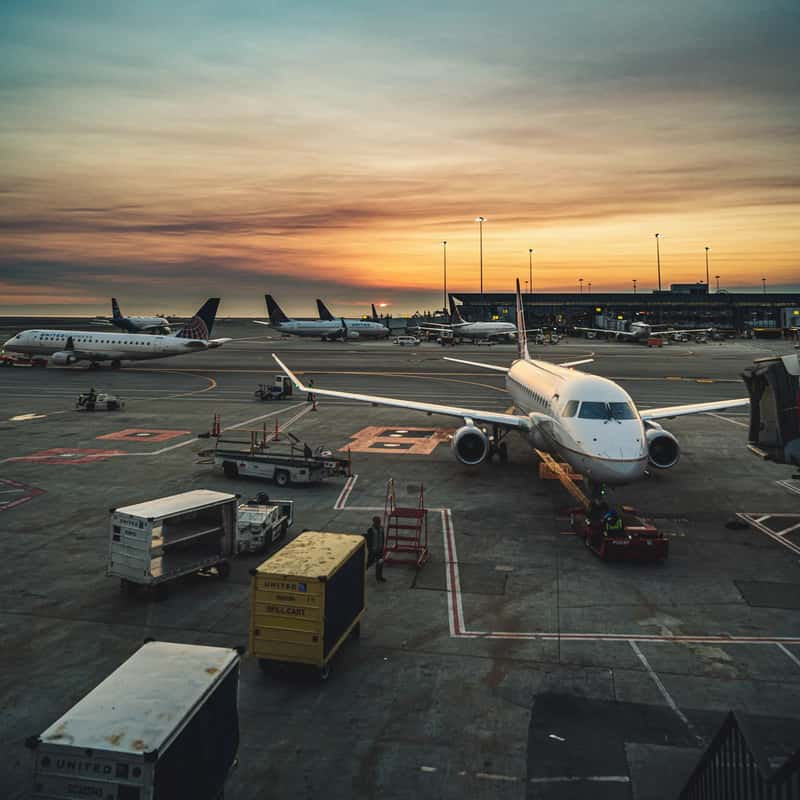
Your fare can end the conversation before it starts. Kayak’s travel desk puts it plainly: your priority is set by fare class, elite status and how early you checked in[8], and many carriers exclude the cheapest tickets altogether. Navan says most carriers exclude basic economy ticket holders from standby entirely, regardless of loyalty status.[6]
The picture isn’t uniform, and sources disagree. Autopilot says Delta and United allow Basic Economy passengers to fly same day standby for free, and American also permits it[4], yet a Yahoo Travel roundup from this fall says Delta Main Basic excludes same day confirmed and standby changes.[9] Alaska’s Saver fares are also excluded from standby eligibility.[4] Check the fare rules attached to your ticket.
Why Your Boarding Pass May Say Seat Assigned at Gate
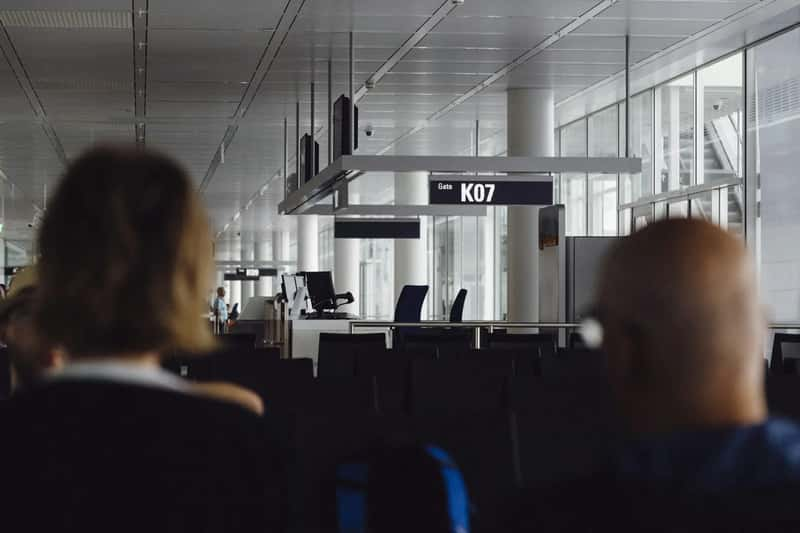
This message alarms people more than it should. On the cheapest fares, airlines often hold seat assignment until late. Yahoo Travel says Delta Main Basic travelers who skip the seat fee get a seat after check in or at the gate[9], and that companions on the same reservation are not guaranteed seats together.[9]
United works similarly. A 2026 fare guide says its Basic Economy passengers are auto assigned at check in[10] unless they bought a seat earlier. Southwest changed its model as well, since open seating ended January 27, 2026, replaced with assigned seats.[10]
How Seat Change Requests Get Handled
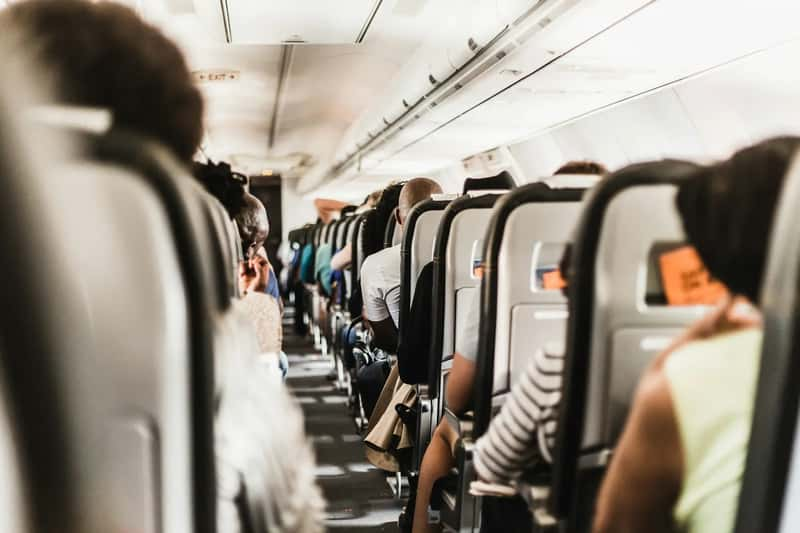
Agents can see more of the cabin than you can. Outside magazine reports that agents can assign new seats at no charge, even if the seats were blocked earlier or carried an extra fee.[11] Airlines routinely hold back exit rows and bulkhead seats until close to departure[12], so a polite request near the end of the process can land differently than one made earlier.
Not every request is equal. Travel Binger’s roundup suggests asking to move to another main cabin seat gets a yes more often than asking for extra legroom.[13] Families have a better shot too, since agents generally have some flexibility to rearrange assignments right up until doors close.[14].
Before You Head to the Gate

Check your fare rules first, then request standby in the app as early as your airline allows. Arrive at the gate with a carry on and stay within earshot of the podium. If you need a seat change, ask once, ask politely, and ask before boarding gets busy.
If standby doesn’t clear, you generally keep your original flight and seat. That fallback is the whole reason the system works.