Every guidebook seems to agree on the same handful of must see stops, and every social media feed reinforces the message with the same golden hour photos. After years of leading groups through some of the world’s busiest destinations, a different picture starts to form. Some of the places everyone insists you visit turn out to be more about enduring a crowd than actually experiencing anything memorable.
This isn’t about being contrarian for its own sake. It’s about what actually happens once you step off the tour bus and into the reality of a site built for a fraction of the people now showing up. A few famous names on the world’s travel bucket list have quietly become cautionary tales, and it helps to know which ones before you build a whole itinerary around them.
The Mona Lisa’s room at the Louvre, Paris
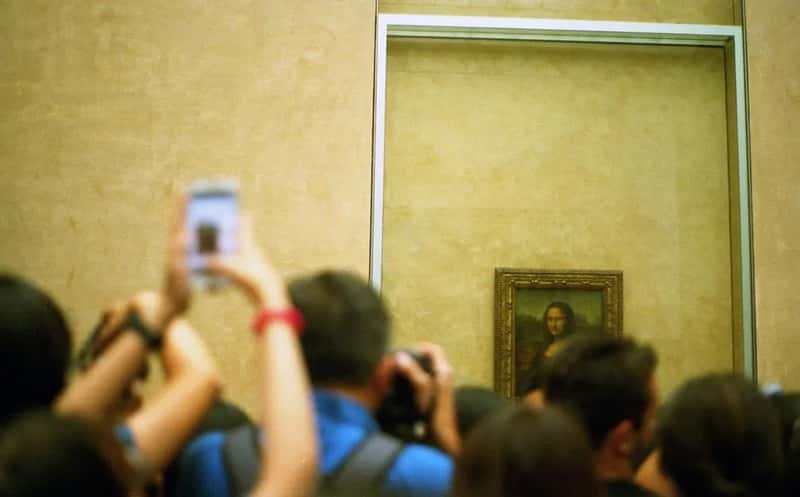
The Salle des États, where Leonardo da Vinci’s most famous painting hangs, has become a case study in what happens when a single artwork outgrows its room. The Louvre receives nine million visitors annually, and according to museum officials, the Mona Lisa is the main attraction for the vast majority of them.[1] Currently, the Mona Lisa shares a large room with other artworks[2], which means you’re not so much viewing a painting as fighting for a sightline through a wall of phones and shoulders.
The Louvre is designed to welcome about 4 million visitors annually, but hosted 8.7 million people in 2024[3], and the painting itself pulls an outsized share of that traffic. The work alone attracts an average of about 20,000 visitors each day[4], which explains the museum’s plan to eventually move it into its own dedicated underground space with separate ticketing. Until that opens, expect a shuffling crowd, a thick pane of protective glass, and maybe ten seconds of actual viewing time before you’re pushed along, so the smarter move is to spend that energy on the Louvre’s less mobbed wings instead.
The Trevi Fountain at midday, Rome
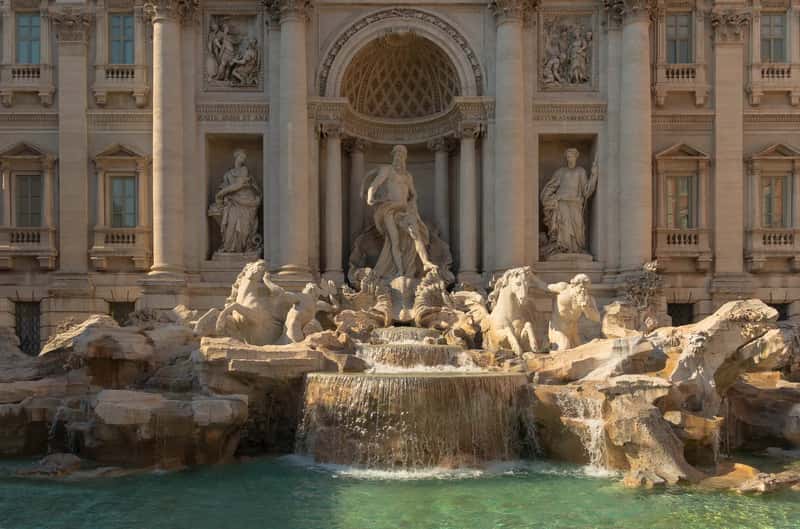
There’s a version of the Trevi Fountain that looks stunning in early morning light with almost nobody around, and there’s the version most tourists actually get, which is a wall of bodies pressed against a marble railing. In 2025, more than 10 million people lined up to approach the fountain, with daily peaks of around 70,000 visitors during the busiest periods[5]. That kind of volume around a relatively small piazza turns a quiet moment of coin tossing into something closer to a subway platform at rush hour.
Rome has started responding to the strain. After restoration work in 2025, the city limited the number of visitors allowed at the fountain’s edge at any one time to 400[6], and starting in early 2026, tourists began paying a small fee, around two euros, to visit the fountain up close, while residents kept free access[7]. The new rules help somewhat, but the crowds haven’t thinned much, and the small piazza is still often packed shoulder to shoulder with visitors, many clutching melting gelato or refilling water bottles from the fountain[5]. If you go, aim for the hour right after sunrise, because midday is simply not the version of this landmark worth queuing for.
Kuta Beach, Bali
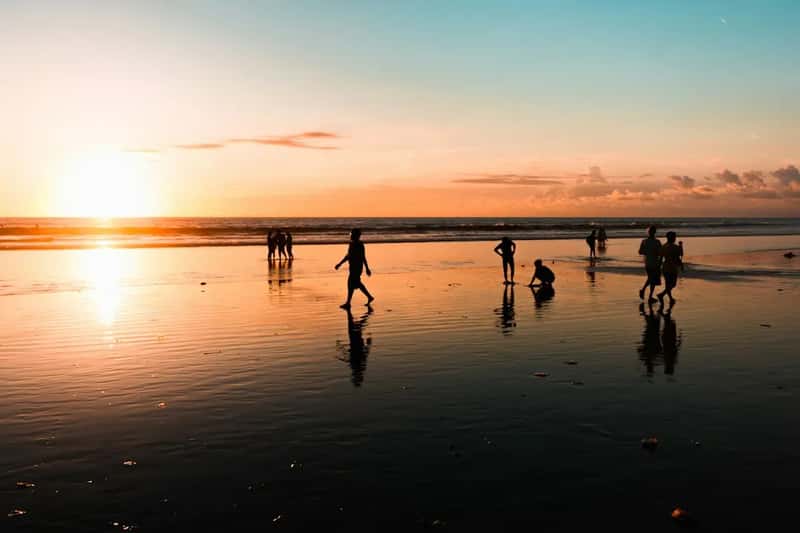
Kuta was once the beach that put Bali on the backpacker map, and that legacy is exactly the problem now. While Kuta Beach is one of the most famous beaches of Bali, it has also become synonymous with overcrowding and commercialization, with the once serene shoreline now lined with numerous vendors and bustling tourists.[8] Add constant scooter traffic, aggressive touts, and a strip of nightlife that never fully quiets down, and it’s hard to find the tranquil tropical scene most travelers picture before they arrive.
The environmental toll compounds the crowding issue. The overtourism industry has caused serious environmental problems in Bali, and popular beaches such as Kuta are prone to pollution while increasing construction threatens the island’s fragile ecosystems.[9] Tourism now makes up over half of Bali’s economy, according to reporting from the Jakarta Post, which is a boon for businesses but increasingly a strain on local quality of life.[10] Travelers chasing that classic Bali feeling are usually better off heading toward quieter regions like Uluwatu, Amed, or Sanur[11], where the water is cleaner and the pace actually matches the postcard.
The Machu Picchu sunrise scramble, Peru
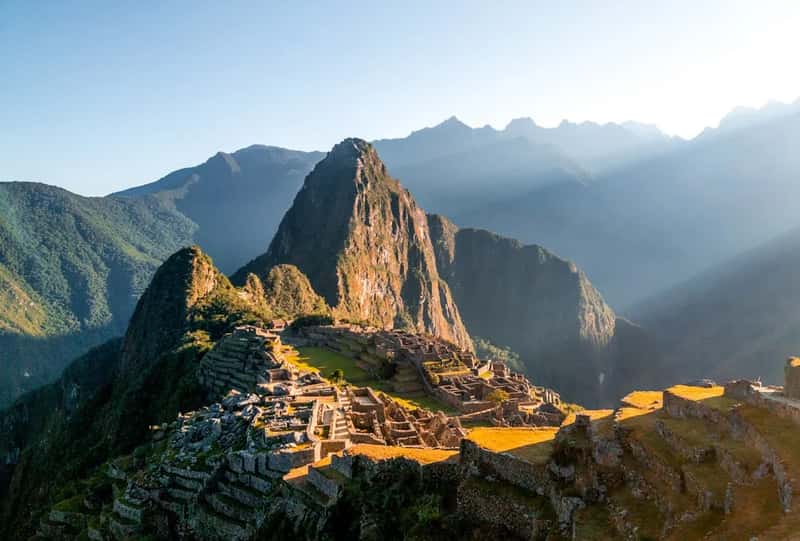
Machu Picchu itself is genuinely extraordinary, so this isn’t about the ruins. It’s about the specific experience of chasing the famous sunrise photo alongside thousands of other people who had the exact same idea. During high season, the maximum daily capacity is now limited to 5,600 visitors, distributed across ten sub circuits[12], a steady climb from the caps of just a few years earlier that conservation groups had originally pushed to keep much lower.
The costs have climbed right alongside the crowd limits. Adult entrance tickets run around $45, with tickets for the Huayna Picchu and Machu Picchu mountain add ons costing considerably more[13], and Huayna Picchu in particular is capped at a few hundred visitors per day and routinely sells out months ahead during high season[14]. Political instability hasn’t helped either, since the site was shut down in 2023 amid protests following a presidential impeachment, and again in 2024 over disputes about privatizing the ticketing system[15]. None of that ruins the ruins themselves, but it does mean the coveted early morning rush hour version of the visit is more expensive, more crowded, and more logistically fragile than the brochures suggest, so a mid morning or afternoon slot, booked well ahead, tends to deliver a calmer and more reliable trip.
Times Square, New York City
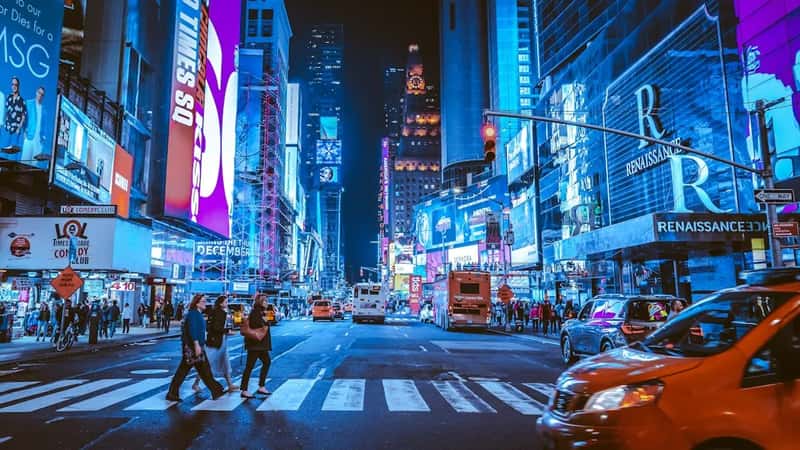
Times Square photographs beautifully at night, all neon and motion, which is exactly why so many visitors feel let down once they’re standing in it. Up close, the square is mostly costumed characters angling for tip money, chain restaurants charging tourist prices, and a crush of people moving in every direction at once. It’s loud in a way that doesn’t feel electric so much as exhausting, especially if you’re carrying bags or trying to get somewhere on time.
Locals tend to treat it the way most residents treat their city’s biggest tourist trap, which is to walk through quickly or avoid it entirely. The billboards are undeniably impressive for a first glance, and a short stop is worth it for that alone. Lingering for an hour, though, rarely rewards you with anything beyond sore feet and an inflated bill for a mediocre slice of pizza.
The roped off stone circle at Stonehenge, England
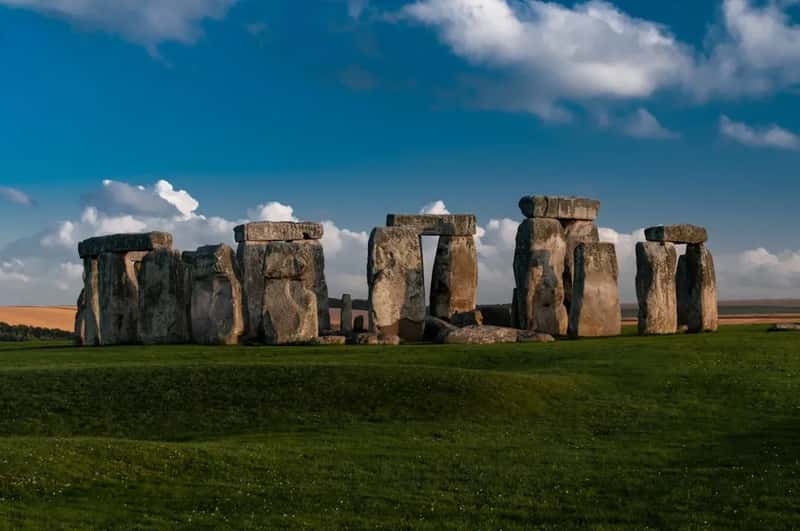
Stonehenge suffers from a mismatch between expectation and access. Most visitors picture walking right up to the massive stones, running a hand along the rock that’s stood for thousands of years, but the standard ticket keeps everyone behind a rope roughly ten meters from the circle itself. What you actually get is a distant view of a genuinely ancient monument, filtered through an audio guide and a gift shop.
There is a way to get closer, through special access tours arranged outside normal hours, but those require separate advance booking and a significantly higher price tag. Without that upgrade, many travelers report the same reaction after making the drive out from London, which is a sense that the site looked essentially the same as it does in photographs, just with more strangers standing around it. For a monument this significant, the distant standard visit often leaves people wondering what the fuss was about.
Final thoughts
None of this means skip travel altogether or avoid famous places on principle. It means going in with clear eyes about what a ticket actually buys you at each of these spots, whether that’s ten seconds with a painting behind glass or a distant view of ancient stones from behind a rope. Overtourism has changed the calculus at nearly every iconic site on earth, and the smartest travelers now plan around that reality rather than against it.
Sometimes the better trip is the one built around the lesser known alternative down the road, the earlier time slot, or simply a different destination altogether. The famous six will still be there if you decide they’re worth the crowd. Just go knowing what you’re signing up for.