Many travelers arrive in Tuscany with a short rental in Florence and quickly imagine owning an old stone house after a few days of wine and views. Yet the daily realities of life in the hill towns emerge only after weeks turn into months. A longer stay shows how the landscape, weather, and local rhythms shift once the summer crowds depart.
The Quiet of Val d’Orcia
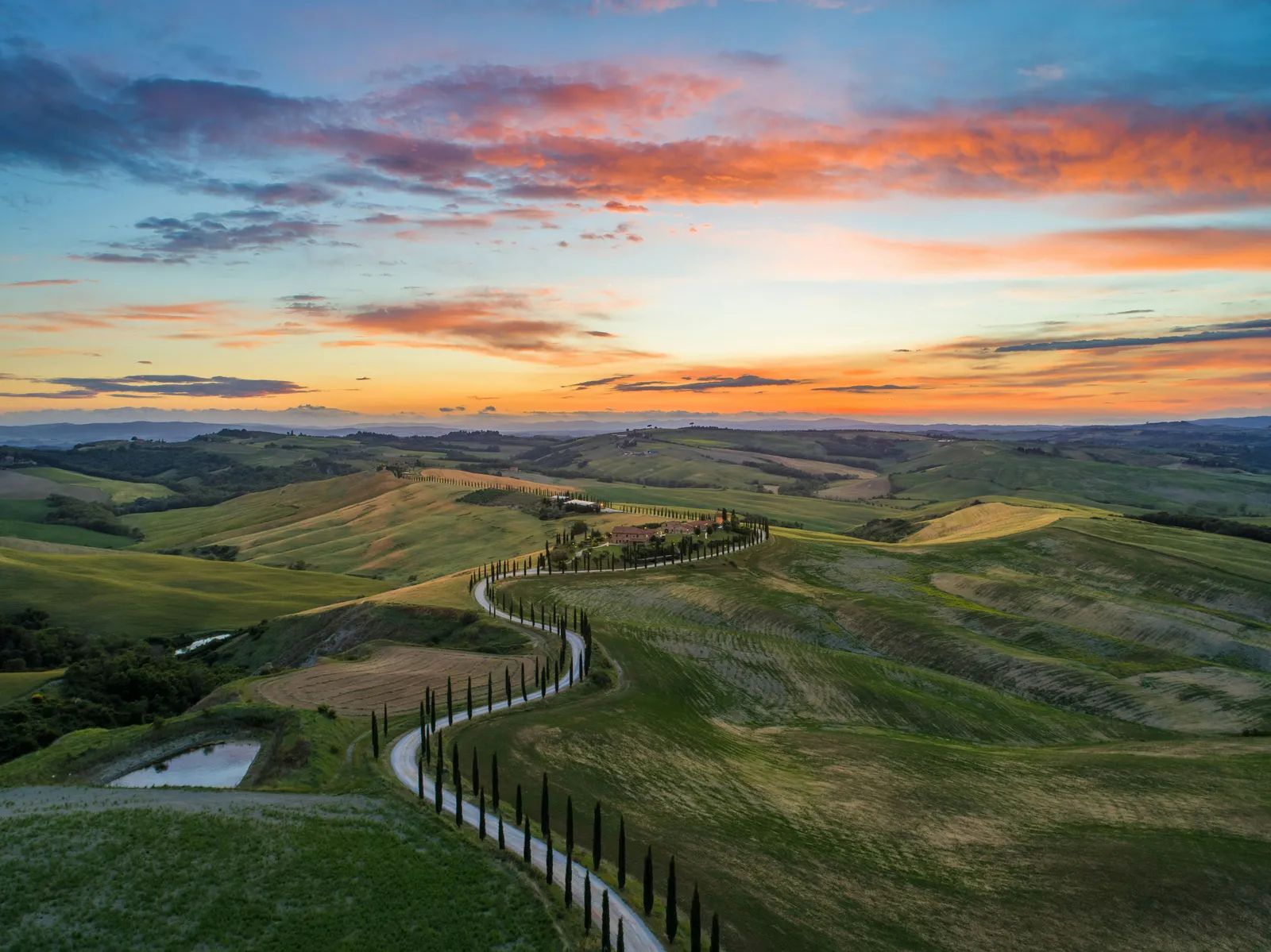
South of Siena the clay ridges of the Val d’Orcia stretch wide under open skies. Towns such as Pienza and San Quirico d’Orcia appear timeless in summer light, yet by late autumn the tour buses disappear and the squares belong to residents. Frost covers the fields in December, and the scent of olive wood smoke drifts through narrow lanes. Unpaved roads that look picturesque in photographs turn muddy or dusty depending on the month, testing patience for anyone who values easy access. The deep stillness suits those who seek solitude and dark skies, but it can feel isolating for others who prefer regular activity. Living here requires accepting that services thin out and neighbors may be few during the colder months.
Chianti’s Working Rhythm
North toward Florence the atmosphere changes to one shaped by vineyards and farms. Villages like Radda and Castellina sit among oak woods and terraced slopes where harvest schedules dictate the weeks. September brings the rush of grape picking, while November centers on olive pressing at local mills. Proximity to Florence keeps roads maintained and clinics open year-round, offering a balance between countryside and practical services. Residents who remain through winter maintain the bakeries and taverns that keep daily life steady. This area appeals to those who want rural views without complete isolation from neighbors and amenities.
Lucca’s Connected Countryside
Around Lucca the landscape combines Renaissance walls with nearby hills that hold both estates and modest cottages. The location places residents between the coast and the Apuan Alps, allowing quick drives to beaches or the airport. Weekly markets and shaded paths make routine errands feel integrated into community life rather than chores. The setting offers refinement without the intensity of heavier tourist zones. Daily rhythms stay grounded because services and social activity continue through quieter periods. This combination draws people who value both historic charm and convenient access to other parts of Italy.
Practical Details That Emerge Over Time
A season-long rental functions as extended research when approached with attention. Tracking how a house handles early cold, winter light, and storm runoff reveals issues that short visits overlook. Phone signals, road conditions after rain, and the distance to pharmacies or groceries become measurable facts rather than assumptions. Noise from harvest equipment or hunting season, along with the presence of year-round neighbors, also becomes clear. These observations help future buyers judge whether a property matches their expectations once the golden season ends.
Key points to note during an extended stay include heating performance, winter sunlight patterns, access after storms, connectivity in poor weather, nearby services, and the true daily pace once crowds leave.
Questions That Shape a Sound Decision
After living through changing weather and routines, buyers can ask targeted questions about any property. Roof condition, heating systems, water sources, and annual costs move from abstract concerns to concrete evaluations. Renovation rules for historic buildings and road maintenance responsibilities also gain clarity when discussed with local professionals. The process benefits from guidance by agents, lawyers, surveyors, and notaries familiar with rules for non-residents. Experience on the ground turns these inquiries into informed steps rather than guesses. Tuscany rewards those who observe its hill towns across seasons before committing to ownership.