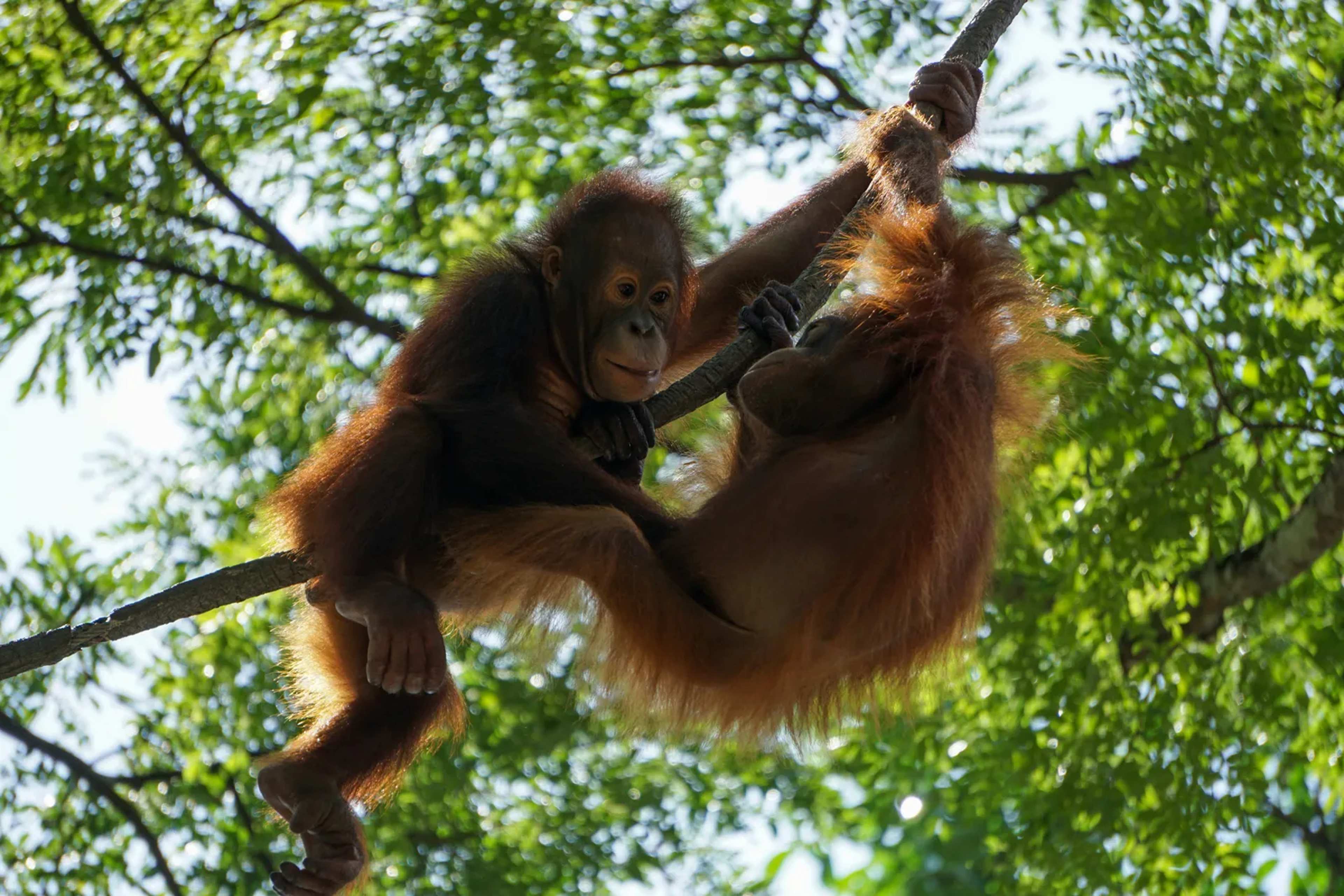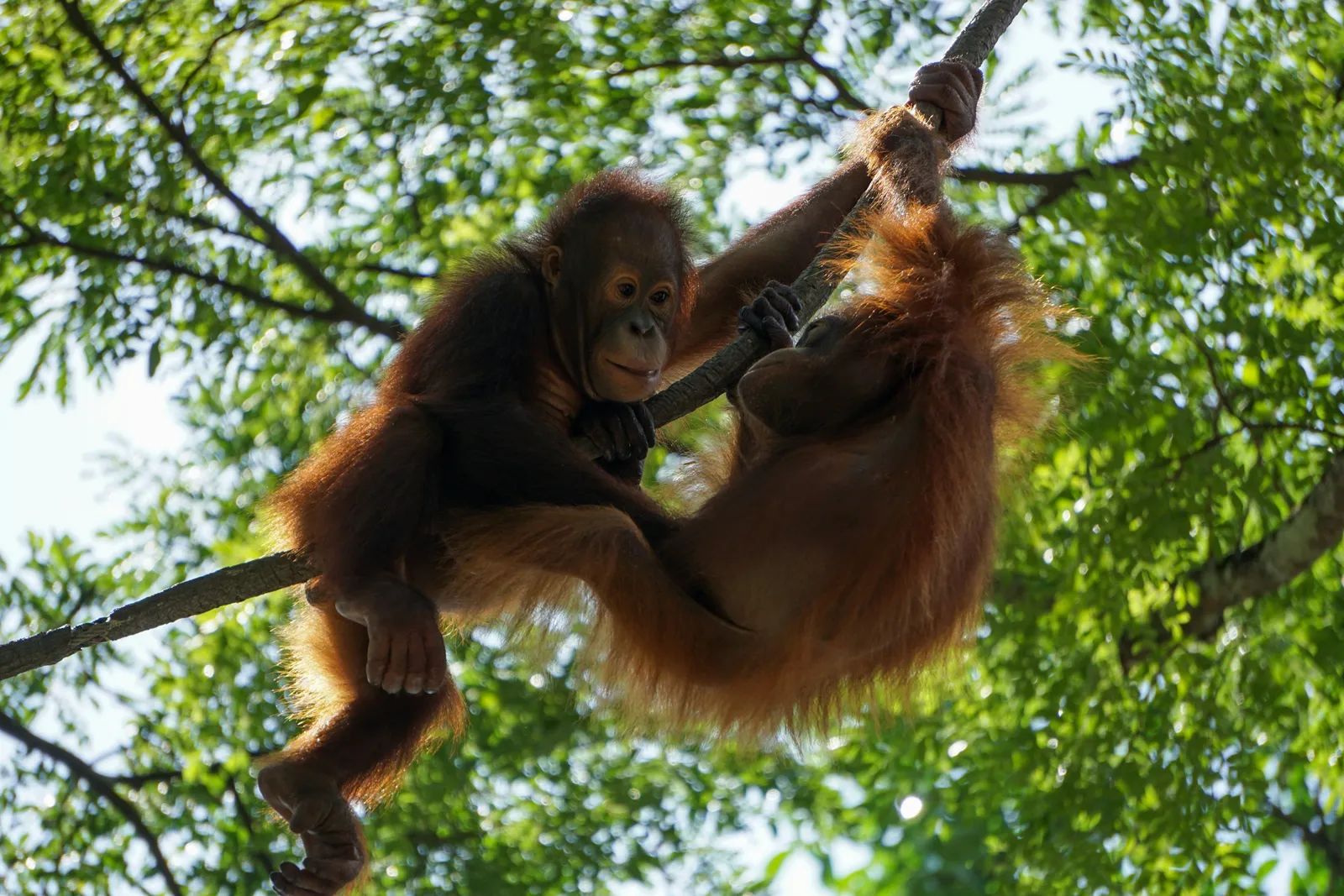
The discovery of five infant orangutans left on a plantation in eastern India has drawn fresh attention to the country’s emerging position in the global trade of protected primates. Wildlife experts point to a combination of demand from private collectors, improved flight connections from Southeast Asia, and gaps in enforcement as key drivers behind the trend. The case also coincides with stalled efforts to return rescued animals to their native habitats in Indonesia and renewed questions about how some apes end up in private facilities.
Why the Latest Find Matters
The five young orangutans were found abandoned in a remote plantation area, an outcome that underscores how trafficking networks have adapted to reach new destinations. Rather than remaining confined to traditional transit points in Southeast Asia, the animals appear to be moving farther afield, with India now serving as both a destination and a potential onward hub. This shift carries practical consequences for enforcement agencies that must now monitor a wider range of entry points and ownership arrangements. The timing of the discovery aligns with broader changes in regional travel and commerce. Expanded air links have reduced the logistical barriers that once limited the movement of live animals across borders. At the same time, enforcement resources remain stretched, leaving room for networks that exploit both legal and illegal channels.
Legal Imports Raise Separate Questions
Between 2021 and 2024, India recorded the legal importation of 41 orangutans. While these shipments followed official procedures, experts have questioned whether all of the animals originated from verified captive-breeding programs or whether some may have entered through indirect routes that obscure their true provenance. Such uncertainty complicates efforts to distinguish between legitimate conservation transfers and those that mask commercial or private demand. The distinction matters because orangutans remain strictly protected under international agreements. Any ambiguity in documentation can undermine traceability and increase the risk that rescued animals cannot be returned to appropriate facilities or wild populations.
Private Facilities Under Scrutiny
One rescued orangutan was transferred to a wildlife facility associated with the family of billionaire Mukesh Ambani. The move has prompted experts to examine the broader pattern of private ownership of protected species and the standards applied to such collections. Questions center on how animals reach these sites and whether oversight mechanisms are sufficient to prevent further trafficking. Stakeholders in both government wildlife departments and international conservation groups have noted that private facilities can play a role in rehabilitation when properly regulated. Yet the concentration of high-value animals in a small number of hands also creates new points of vulnerability if verification processes fall short.
Repatriation Efforts Face Delays
Attempts to return rescued orangutans to Indonesia have encountered repeated obstacles. Logistical, diplomatic, and administrative hurdles have slowed the process, leaving animals in temporary holding facilities for extended periods. These delays increase costs for receiving centers and can affect the long-term welfare of the primates. The combination of new arrivals and slow repatriation creates pressure on existing infrastructure. Conservation organizations must balance immediate care needs against longer-term goals of returning animals to range countries where they can contribute to wild populations or established rehabilitation programs.
What Matters Now
The current cases illustrate how enforcement gaps, commercial air routes, and private demand intersect to sustain illegal wildlife movement even when legal import channels exist. Addressing the issue will require coordinated action among customs authorities, wildlife agencies, and international partners to close documentation loopholes and strengthen verification at every stage of the supply chain. Continued monitoring of both legal and private holdings remains essential if the goal is to reduce opportunities for trafficking networks to operate.