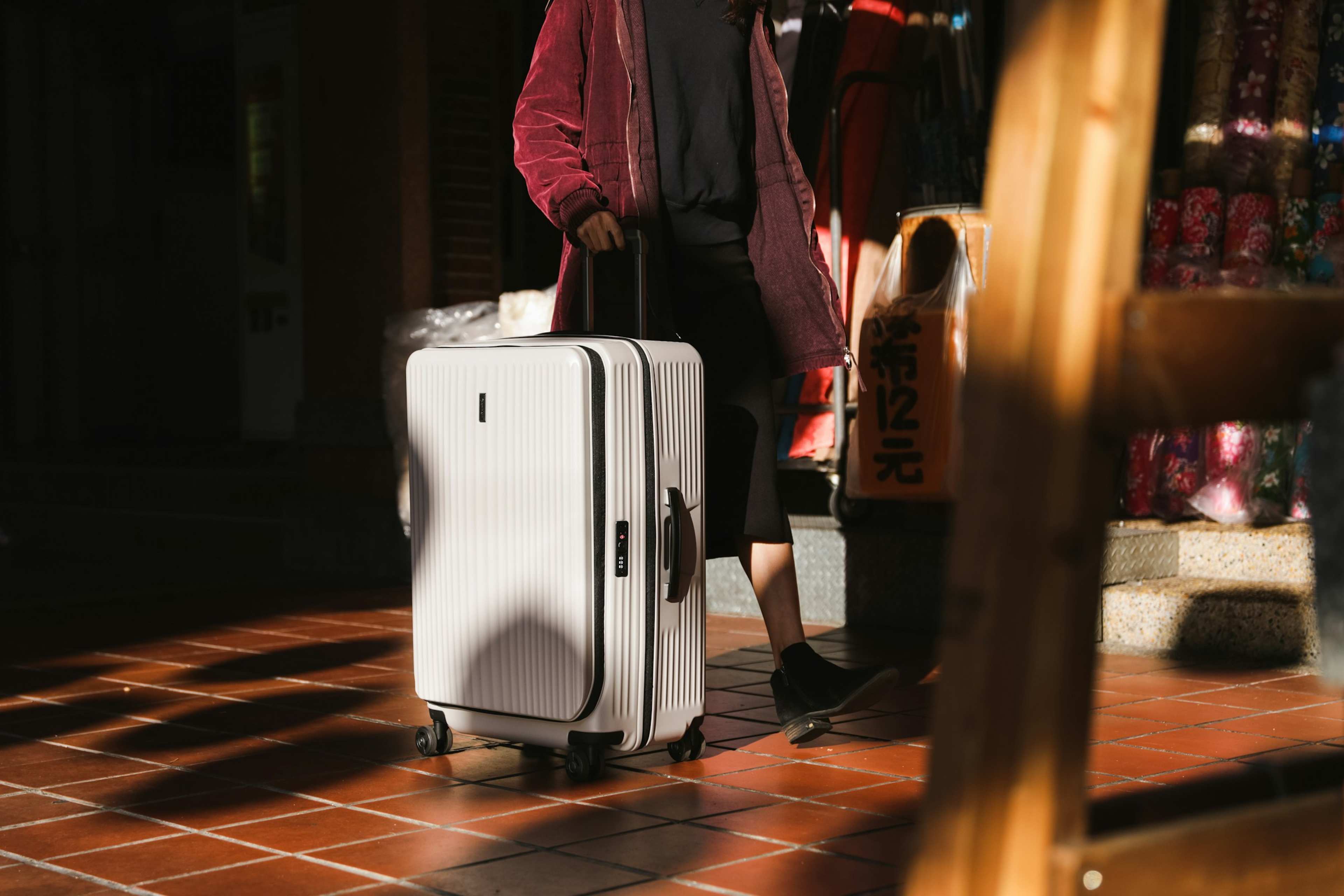
Airport Luggage Tag Scam: How to Protect Your Checked Bags in 2026 – Image for illustrative purposes only (Image credits: Unsplash)
**Luggage Tag Scam Risks Detention at Customs** Travelers who check bags on international flights now confront a hidden risk inside airport baggage systems. Corrupt handlers have swapped tags from legitimate suitcases onto bags containing illegal drugs. When those bags reach destination customs, the name on the tag points directly to an unsuspecting passenger. This scheme has already ensnared multiple travelers on flights leaving Canada. Reports indicate at least 17 passengers faced questioning or detention in the past year after their tags appeared on drug-filled luggage. **How the Tag Swap Works** The process begins after passengers drop their bags at the check-in counter. A baggage handler or ramp worker removes the printed tag from a legitimate suitcase and attaches it to another bag packed with contraband. The original bag travels without identification, while the illicit one carries the passenger’s name and flight details. If the substituted bag clears customs, accomplices retrieve it at the destination. If officers discover the drugs, the traveler whose information matches the tag becomes the immediate suspect. The scheme exploits the fact that customs officers rely on the tag to link bags to passengers. **Cases Involving Canadian Travelers** Investigations have documented incidents on routes from Toronto Pearson and other Canadian airports to destinations including Paris, the Dominican Republic, New Zealand, Germany, Bermuda, Morocco, the Philippines, and South Korea. Some of these countries impose severe penalties for drug offenses. Affected passengers reported being handcuffed, questioned for hours, and in several instances held in custody before authorities confirmed their innocence. All known cases eventually resulted in release, yet travelers incurred legal costs and significant disruption.[1] **Protective Steps Before Check-In** Travelers can reduce exposure through simple documentation habits. Photograph the exterior of each suitcase from multiple angles, including any distinctive marks or locks. Capture a clear image of the official luggage tag once it is attached, noting the barcode and flight information. Retain the paper claim receipt issued at check-in and keep it separate from the bag. Some travelers also photograph the interior contents before departure. These records help demonstrate ownership and contents if questions arise later. **What to Do If Questioned** Passengers who reach customs and face inquiries about a bag they do not recognize should remain calm and state clearly that the item is not theirs. Provide the photographs and claim receipt as evidence of their actual luggage. Airlines and authorities have assisted in resolving these cases once the tag swap is identified. The incidents highlight vulnerabilities in baggage handling processes at certain airports. Travelers on international routes, particularly those departing from Canada, benefit from extra vigilance around checked luggage documentation.