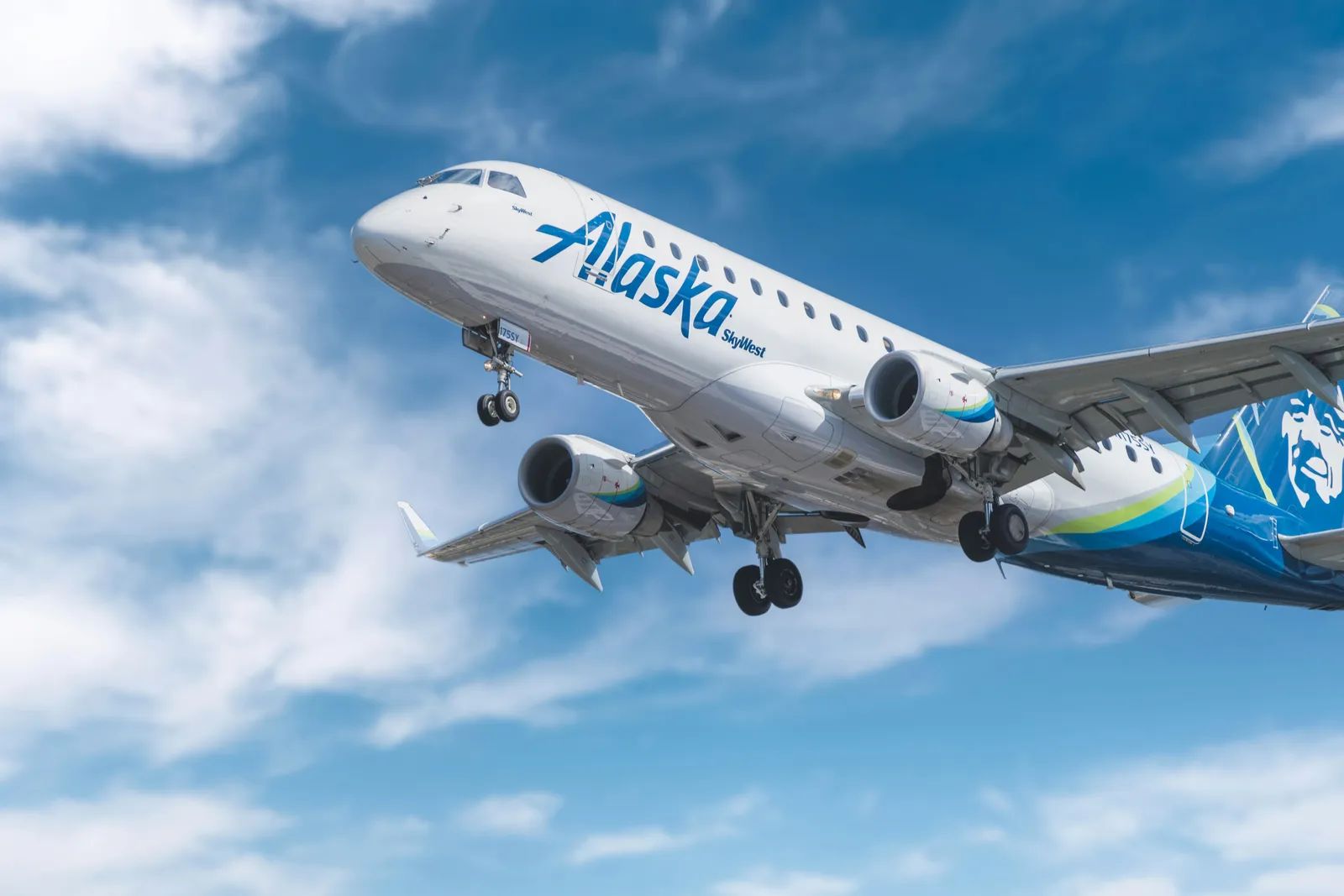
Alaska Airlines is preparing to add another nonstop route across the Pacific from its Seattle hub, a move that would expand its limited presence in Asia beyond the two cities it currently serves. The announcement comes as the carrier continues integrating its 2024 acquisition of Hawaiian Airlines and pursues broader international growth. Executives outlined the plans during an investor day last month, signaling that transpacific flying will receive particular emphasis in the years ahead. ([1])
Why a New Asia Route Matters Now
Seattle sits among the strongest gateways for travel between North America and Asia, giving Alaska a natural geographic advantage. The airline already operates flights to Tokyo Narita and Seoul Incheon, yet executives see room for additional destinations on the continent. Chief commercial officer Andrew Harrison noted that work is underway on one new Asian city, though he offered no further details on timing or specific airport.
The focus on Asia aligns with a larger commitment to long-haul expansion. Alaska has raised its target to at least 15 new international destinations from Seattle by 2030, up from an earlier goal of a dozen. Recent additions include London, Reykjavik, and Rome, with Paris and Athens scheduled for 2027. Geography and competitive positioning both favor heavier investment in Pacific routes over the coming years.
Premium Domestic Aircraft Headed to Key Markets
Alongside its international ambitions, Alaska is preparing a subfleet of Boeing 737 MAX 10 aircraft configured with lie-flat business-class seats and premium economy. These single-aisle jets will feature higher-end products typically associated with wide-body international service. Internal project references and route maps shown to investors point strongly toward New York-area airports as primary destinations for the new configuration.
The move positions Alaska to compete more directly in the lucrative transcontinental market. Rivals already deploy premium-heavy aircraft on similar routes, and Alaska appears ready to match that standard on its own terms. Executives confirmed that New York will be a major beneficiary of the upgraded planes, though specific flight numbers and start dates remain under wraps.
Starlink Wi-Fi Continues Steady Rollout
Passengers on Alaska and Hawaiian flights are gaining access to high-speed satellite internet at an accelerating pace. Roughly 40 percent of the combined fleets already offer the service, covering all Hawaiian Airbus aircraft and Alaska regional jets. Installation work is now focused on the mainline Boeing 737 fleet, with the remaining wide-body 787 Dreamliners expected to receive the equipment soon.
The connectivity comes at no extra charge for members of the airline’s Atmos Rewards loyalty program. This approach differs from some competitors that have introduced fees or tiered access, reflecting Alaska’s broader preference for straightforward product offerings that appeal to both leisure and business travelers.
Staying Clear of Basic Business Fares
While several major U.S. carriers have introduced stripped-down “basic business” fares in their premium cabins, Alaska has no immediate plans to follow suit. Chief financial officer Shane Tackett indicated the airline wants to ensure any changes align with both customer expectations and its overall business model before making adjustments.
The decision keeps Alaska’s premium product intact for now, avoiding the segmentation seen elsewhere in the industry. Executives emphasized evaluating each potential change on its own merits rather than reacting to every move by competitors. This measured stance extends to other service elements, including lounge access for passengers in the new lie-flat suites once the Seattle facility opens in late 2027.
What matters now: Alaska’s combination of measured Asia expansion, upgraded domestic aircraft, and resistance to basic premium fares sets it apart from peers racing to copy one another’s pricing experiments. Travelers can expect continued focus on full-service long-haul growth and reliable onboard connectivity through the rest of the decade.