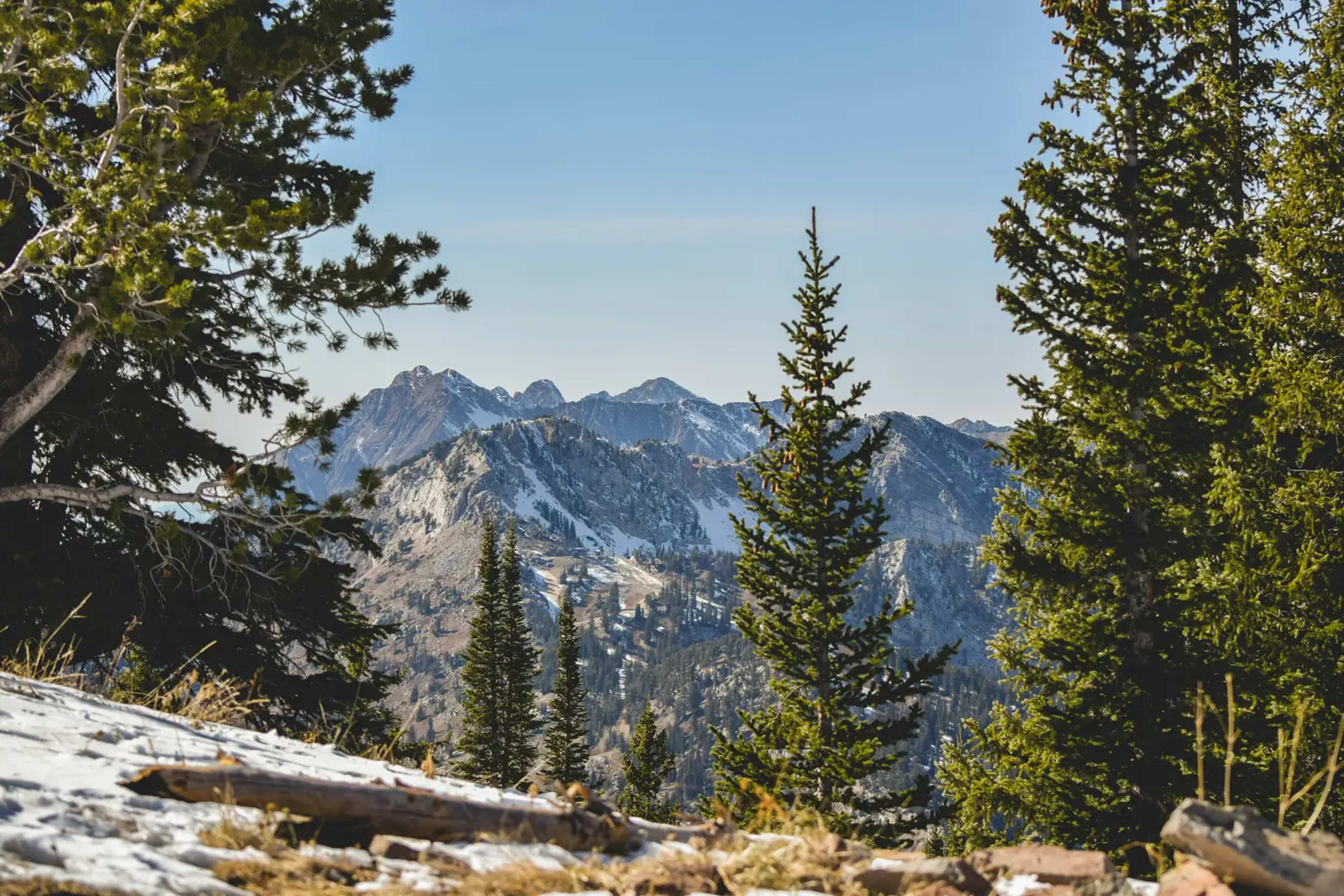
Amazon deforestation declines as Brazil reduces forest loss nationwide – Image for illustrative purposes only (Image credits: Unsplash)
Brazil recorded a notable reduction in forest loss last year, with the Amazon biome showing a 23.5 percent decline compared with 2024. The improvement forms part of a broader 21 percent drop in deforestation nationwide. Nearly 985,000 hectares of forested land were cleared across the country in 2025, a figure that still represents substantial pressure on natural ecosystems but marks measurable progress from prior trends.
Scale of the Reduction
The Amazon accounted for 289,478 hectares of the total loss. This amount reflects a clear slowdown from the previous year and aligns with similar patterns observed in other regions. Data from the MapBiomas land-use mapping project provided the core measurements, covering all major Brazilian biomes.
Enforcement activity appears to have played a larger role than in earlier periods. Only 5 percent of deforested areas overlapped with official actions or permits in 2019. That share rose to 65 percent across the 2019-2025 span, indicating tighter oversight and better alignment between monitoring and on-the-ground responses.
Trends in the Cerrado Savanna
The Cerrado experienced its own decline, with deforestation falling nearly 17 percent. Agriculture remains the dominant driver of clearing in this biome, where more than half of the original native vegetation has already been removed. Despite the slowdown, the Cerrado still hosted 55 percent of all forest loss recorded in Brazil during 2025.
These figures highlight the uneven geography of conservation gains. While the Amazon drew attention for its percentage drop, the savanna continues to absorb the largest share of conversion pressure. Stakeholders in agriculture and land management face ongoing questions about how to balance production needs with remaining habitat protection.
Progress Inside Indigenous Territories
Clear-cut deforestation inside Indigenous lands in the Amazon dropped 25 percent. Brazil’s Indigenous agency, Funai, documented 30,128 hectares of such clearing through its Remote Monitoring Center. The reduction stands out because these territories often serve as critical buffers against broader encroachment.
Improved satellite tracking and coordinated enforcement likely contributed to the result. Communities and government bodies have gained better tools to detect and respond to unauthorized activity. The outcome suggests that targeted protections can deliver faster results when monitoring capacity increases.
Drivers of the Improvement
Analysts point to a mix of stronger enforcement, refined satellite systems, and market signals favoring sustainable supply chains. These elements together appear to have shifted incentives for land users. The combination has produced results across multiple biomes rather than in isolated pockets.
Continued monitoring will determine whether the 2025 numbers represent a lasting shift. Policymakers, producers, and Indigenous groups now have fresh data to assess which measures merit expansion. The nationwide pattern offers a concrete reference point for evaluating future conservation strategies.