There’s something electric about American cities when the sun goes down. The energy shifts, the lights come on, and suddenly everything feels more alive. I’ve always found that the real personality of a place reveals itself after dark, when the nine-to-fivers head home and the night owls emerge.
From rooftop bars with jaw-dropping skylines to underground jazz clubs tucked away in unmarked basements, America’s nightlife is incredibly diverse. Some cities pulse with electronic beats until sunrise, while others offer a more sophisticated, cocktail-in-hand kind of evening. The variety is honestly remarkable. Ready to explore where the night never seems to end? Let’s dive into six American cities that truly come alive after sunset.
New York City: The Eternal Night That Never Sleeps

New York earned its “city that never sleeps” nickname for good reason. At 3 AM on a Tuesday, you can still find packed diners, bustling subway platforms, and comedy shows just getting started. The sheer volume of options feels almost overwhelming.
Manhattan’s Meatpacking District transforms into a playground of rooftop lounges and exclusive clubs where velvet ropes guard the entrances. Meanwhile, Brooklyn’s Williamsburg neighborhood offers a grittier, more authentic vibe with live music venues showcasing emerging artists. Greenwich Village still holds onto its bohemian roots with intimate jazz clubs that have been running since the 1950s.
What makes New York’s nightlife special is the unexpected discoveries. You might stumble upon a speakeasy hidden behind a phone booth or find yourself at a warehouse party in an industrial Queens neighborhood. The city rewards those willing to explore beyond the obvious tourist traps.
Miami: Where Latin Rhythms Meet Ocean Breezes
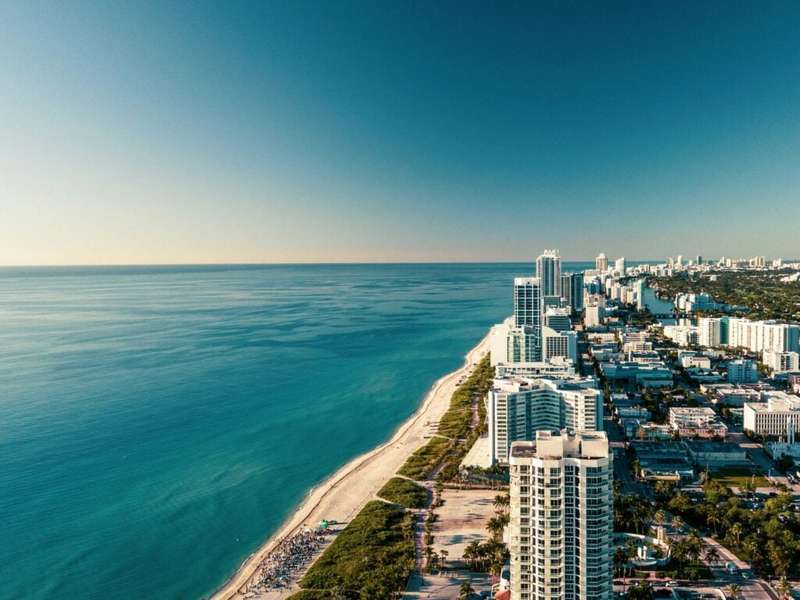
Miami’s nightlife feels like a permanent vacation. The warm ocean air, palm trees swaying under neon lights, and the infectious energy of Latin music create an atmosphere unlike anywhere else in America. South Beach remains the epicenter, where art deco buildings house some of the country’s most glamorous nightclubs.
The city’s cultural diversity shows up powerfully after dark. Little Havana comes alive with salsa dancing, live bands, and locals spilling out onto sidewalks with mojitos in hand. Wynwood Walls transforms into an outdoor party space where street art provides the backdrop for trendy bars and food trucks.
Let’s be real, Miami knows how to party. The clubs don’t typically get going until midnight, and it’s not unusual for the party to continue well past sunrise. Pack your stamina and maybe some comfortable shoes, because you’ll need both.
Las Vegas: America’s Playground of Excess
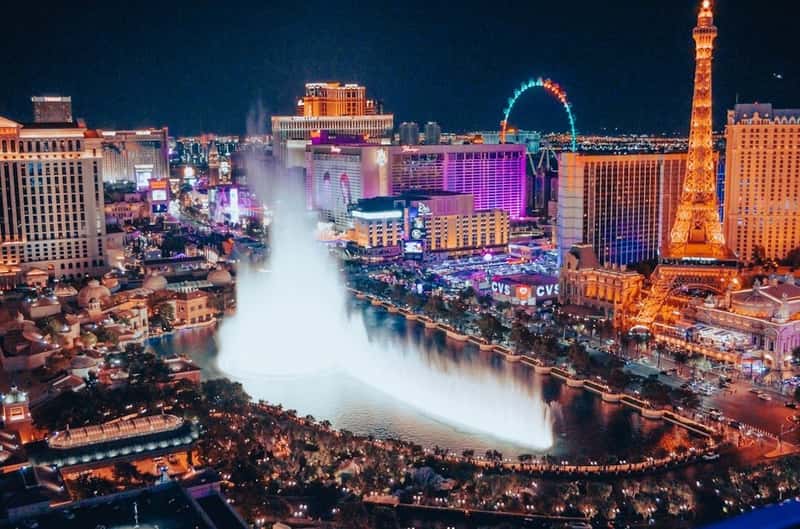
Vegas operates on its own rules. Time becomes meaningless inside casinos without windows or clocks, and the concept of “too much” simply doesn’t exist. The Strip stretches for miles, each resort trying to outdo the next with increasingly elaborate nightlife offerings.
Mega-clubs here feel more like concert venues, with world-famous DJs commanding seven-figure appearance fees. Some of these places hold thousands of people and feature pyrotechnics, acrobats, and production values that rival Broadway shows. The spectacle is the point.
But Vegas has depth beyond the flashy mega-clubs. Downtown Las Vegas, particularly Fremont Street, offers a more nostalgic Vegas experience with older casinos and cheaper drinks. The Arts District has evolved into a surprisingly hip neighborhood with craft cocktail bars and independent music venues. Even in Sin City, you can find authenticity if you look for it.
New Orleans: Where Every Night Feels Like a Celebration
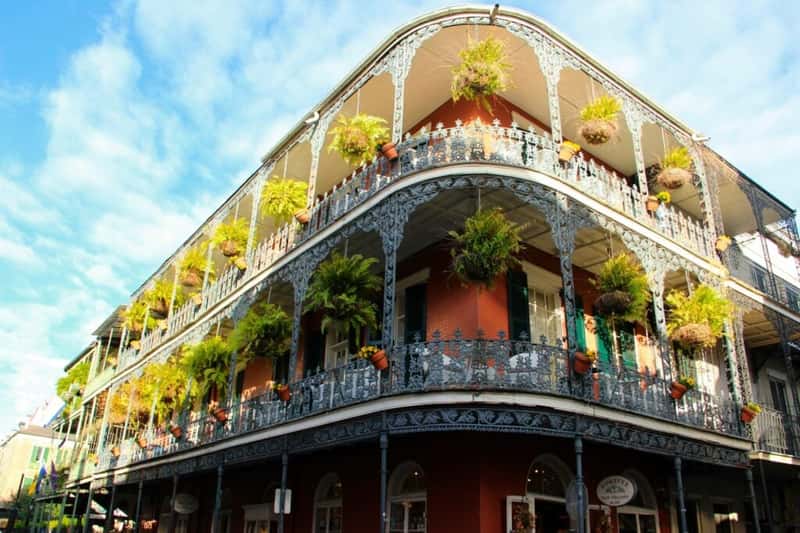
New Orleans doesn’t need an excuse to party, and honestly, that’s what makes it magical. Bourbon Street gets most of the attention, and sure, it delivers exactly what you’d expect with massive crowds, live bands spilling onto balconies, and those infamous hurricane cocktails. But it barely scratches the surface.
Frenchmen Street in the Marigny neighborhood is where locals actually go. The music here is raw and real, with jazz, blues, and brass bands performing in intimate venues where you can actually have a conversation. Preservation Hall has been showcasing traditional New Orleans jazz since 1961, and stepping inside feels like time travel.
The city’s permissive open container laws mean you can stroll between venues with a drink in hand, creating a fluid, festival-like atmosphere that exists every single night. Add in 24-hour restaurants serving beignets and gumbo, and you’ve got a recipe for unforgettable evenings. The spirit of celebration here isn’t manufactured for tourists. It’s genuinely woven into the city’s DNA.
Austin: Live Music Capital After Sunset
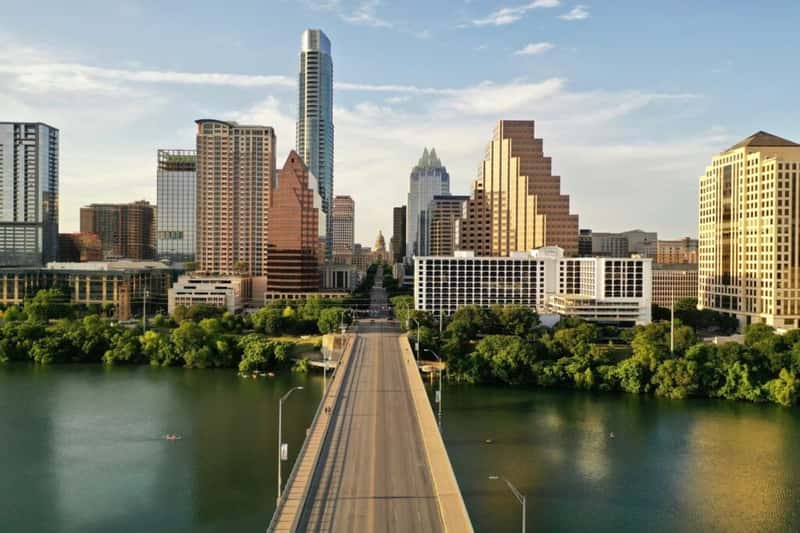
Austin calls itself the Live Music Capital of the World, and after dark, you understand why. Sixth Street is the obvious destination, packed with bars and venues hosting everything from punk rock to country. The energy feels youthful and slightly chaotic, fueled by the city’s massive student population.
But the real magic happens in the smaller venues scattered throughout East Austin and South Congress. Continental Club has been a fixture since 1955, hosting legendary musicians in an unpretentious setting. The White Horse offers honky-tonk dancing lessons before live country bands take over, and watching Texans two-step is genuinely entertaining even if you never leave your bar stool.
What strikes me about Austin is how accessible it feels. There’s no velvet rope culture or pretentious door policies. The music matters more than the scene, and that authenticity keeps things refreshingly down-to-earth. Plus, those late-night taco trucks serving breakfast tacos at 2 AM are a godsend.
Nashville: More Than Just Country Twang
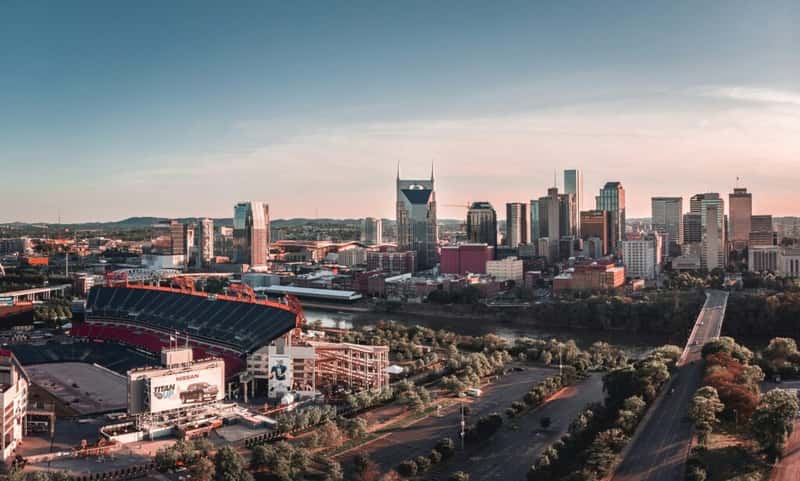
Nashville’s reputation as Music City extends well into the night, though it’s evolved beyond just country music. Broadway still delivers the honky-tonk experience with multi-story bars featuring live bands on every level. The energy is infectious, with bachelorette parties, tourists, and locals all singing along to classic country hits.
The Gulch and East Nashville neighborhoods show the city’s modern evolution. Rooftop bars overlook the skyline, craft breweries stay open late, and indie rock venues challenge the country music stereotype. The Bluebird Cafe remains legendary for intimate songwriter sessions where future stars test new material.
Nashville’s nightlife feels welcoming in a way that bigger cities sometimes don’t. Strangers talk to each other, musicians jam between sets at multiple venues in one night, and there’s a genuine sense of community. The city grew tremendously over the past decade, but it hasn’t lost that approachable Southern charm that makes visitors feel like temporary locals.
Conclusion
American nightlife offers something for every kind of night owl. Whether you crave the sophisticated glamour of Miami’s beach clubs, the raw musical authenticity of New Orleans, or the anything-goes energy of Las Vegas, these cities prove that darkness brings out their best qualities. Each destination has carved out its own nocturnal identity, shaped by local culture, geography, and the people who refuse to let the party end when the sun goes down.
What surprised me most while exploring these cities is how different they feel from their daytime versions. The transformation is real and sometimes dramatic. So which city calls to your night owl spirit? Tell us in the comments which destination you’d explore first.