American Airlines investors got an unwelcome reminder this week that fuel prices can undo even a record-breaking quarter. Shares of the Fort Worth-based carrier tumbled roughly 8% on Thursday, July 23, 2026, after the company reported solid revenue growth but slashed its full-year profit outlook for the second time in three months. The culprit, once again, was a jet fuel bill that has ballooned far faster than executives anticipated at the start of the year.
The selloff wasn’t a fluke of investor overreaction. It reflected a genuine and growing problem for American: even with fares rising and travel demand holding up, the airline still can’t outrun the cost of jet fuel, which has spiked amid geopolitical turmoil in the Middle East. That has pushed back, once again, the timeline for American to close the profitability gap that has long separated it from Delta and United.
A Rough Day on Wall Street for American Airlines
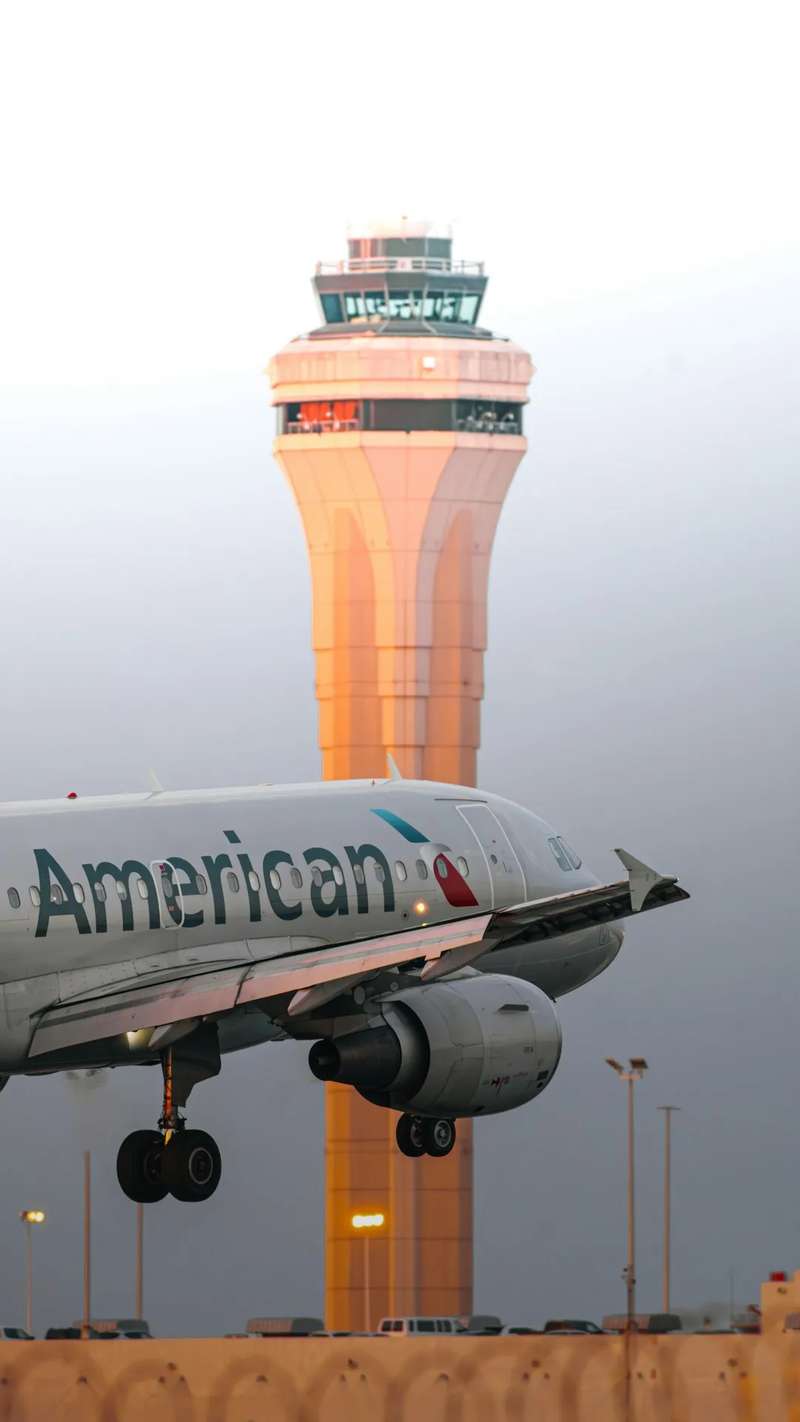
The numbers on the ticker told the story plainly. American Airlines beat earnings expectations with adjusted earnings per share of $0.15 versus a consensus estimate of $0.03, yet shares fell 7.8% to $13.64 as investors focused on rising fuel costs and a cautious full-year outlook that projects breakeven results at the midpoint. Different outlets clocked the decline slightly differently, with some measuring an intraday drop as steep as 9.2% at 1:15 p.m. New York time, the most in a year.
The stock’s slide wasn’t an isolated event either. American shares fell 8.2 percent in late-morning trading, and the reaction rippled outward. The move also weighed on shares of Delta Air Lines and United Airlines Holdings, while rival Southwest Airlines’ shares dropped 4.7% after its own earnings call following American’s. It was, in short, a bad day for the entire airline sector, with American at the epicenter.
Record Revenue Wasn’t Enough
On paper, American’s second quarter looked strong. The carrier reported record quarterly revenue of $16.7 billion, up 16.3% year over year. Passenger metrics were healthy too, with passenger revenue per available seat mile, a measure of airlines’ pricing power, rising 10% from last year.
Premium travel was a particular bright spot. Premium passenger unit revenue increased 13.4% year over year, while Main Cabin passenger unit revenue rose 8.8%, and domestic passenger unit revenue increased 10.6%, with international performance supported by growth across the Atlantic, Pacific and Latin America regions. Yet despite all that top-line strength, net income came in at just $71 million, or $0.11 per diluted share, a fraction of what the company earned in the same period a year earlier.
The Fuel Cost Squeeze Behind the Numbers

The real story of the quarter was hiding in the cost line, not the revenue line. American faces a nearly $6 billion year-over-year fuel headwind that has compressed margins and forced capacity adjustments. Some reports framed the increase in even starker terms, noting that the airline reported an 83% increase in fuel costs in the period.
American did manage to offset some of the damage. Strong fares and demand helped it recover nearly half of a $2.2 billion year-over-year increase in second-quarter fuel expense, though the airline’s net income still fell to $71 million from $599 million a year earlier. That gap between record revenue and shrinking profit is exactly what spooked investors on Thursday.
A Second Guidance Cut in Three Months
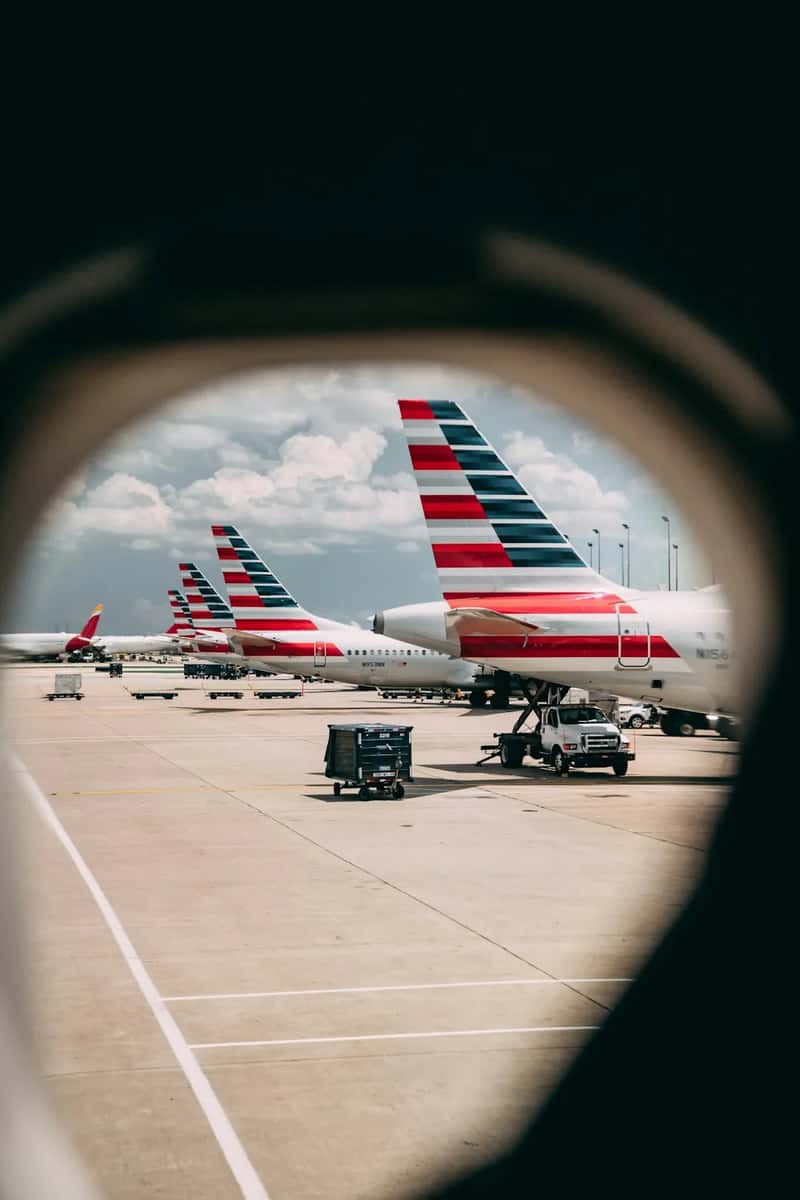
This wasn’t American’s first downgrade of the year. Back in April, the company had already trimmed expectations once. American Airlines cut its 2026 earnings forecast, saying it could post an adjusted loss of 40 cents per share up to earnings of $1.10 per share for 2026, lower than the per-share earnings of $1.70 to $2.70 it forecast in January.
Now the range has narrowed and shifted lower again. The company adjusted its earnings per share guidance to a range of a loss of up to $0.65 to a profit of $0.65, a downgrade from the earlier forecast of a loss of $0.40 to a profit of $1.10, marking a stark contrast to the initial EPS forecast of $1.70 to $2.70 earlier in the year. That means American now enters the second half of 2026 with breakeven, not profit, as the realistic midpoint outcome.
Third Quarter Outlook Darkens Considerably
If the full-year picture looked worrying, the near-term forecast was arguably worse. For the current quarter, American is bracing for an adjusted loss of 70 cents to 10 cents a share, well under Wall Street’s expectation of a 28-cent profit, even as it projects revenue to climb 16% to 19%, exceeding the anticipated rise projected by analysts. That combination, robust revenue growth paired with a projected loss, underscores just how much fuel is eating into the bottom line right now.
The company was specific about its fuel price assumptions for the quarter ahead. American anticipates average fuel prices of about $3.75 per gallon in the quarter and expects costs excluding fuel and profit sharing to rise 2.5% to 4.5%. Those figures give a clearer sense of just how sensitive American’s earnings model has become to a single commodity input.
Why Fuel Prices Spiked in the First Place
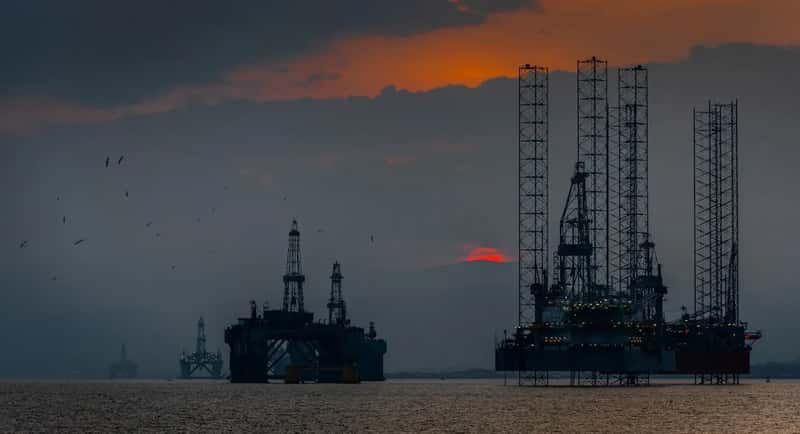
The fuel spike wasn’t random. It traces back to geopolitical instability in the Middle East. American Airlines cut its 2026 earnings guidance amid persistently high fuel prices because of the war in Iran, holding back the US carrier’s efforts to narrow the performance gap with its larger two rivals. Oil markets reacted sharply to the escalation, with broader commentary noting that renewed conflict has lifted oil prices back to around $100 a barrel.
Airlines across the board have felt this pain, not just American. The latest revisions show how quickly the fuel picture has changed again following the breakdown of a ceasefire with Iran and renewed shipping disruptions across the Middle East. For an industry that runs on razor-thin margins even in good years, a sudden jump in the price of oil can turn a promising year into a defensive one almost overnight.