After spending the better part of a decade convincing passengers that phones and tablets were the future of in-flight entertainment, American Airlines is admitting it got that call wrong. The Fort Worth-based carrier announced on August 18, 2026, that it will reinstall seatback screens across its entire narrowbody fleet, the workhorse jets that handle the vast majority of domestic US routes.
The move comes as American tries to close a widening gap with Delta Air Lines and United Airlines, both of which kept investing in cabin technology while American pulled screens out to save weight and money. It’s a striking reversal, and one that will take years to fully materialize, but it signals a real shift in how the airline plans to compete for premium travelers.
A Decade-Long Bet That Didn’t Pay Off
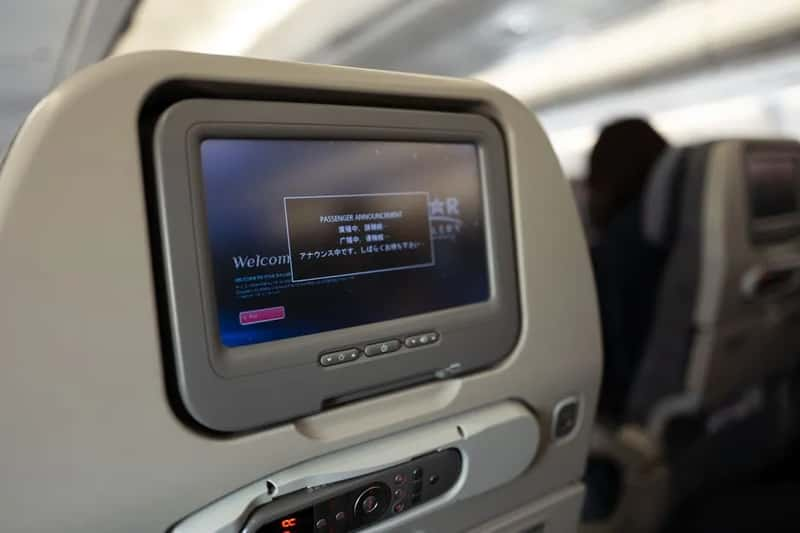
In 2017, the airline decided against installing seatback screens on its incoming Boeing 737 MAX aircraft, reasoning that most passengers were already bringing smartphones, tablets and laptops onboard.[1] The airline pointed in particular to younger travelers who increasingly use multiple screens at the same time and said advances in technology have made the latest entertainment systems lighter and more capable.[1] The logic seemed sound at the time, but it didn’t hold up as well as executives hoped.
American’s screenless economy cabins were actually a carryover from US Airways when the two airlines merged in 2014.[2] When American made the decision to eliminate seatback entertainment from their planes a decade ago, those systems were much more expensive, and they had to be wired at every seat.[3] Meanwhile, rival carriers doubled down on the technology instead of abandoning it, and that gap became harder to ignore with each passing year.
The Official Announcement and What It Covers
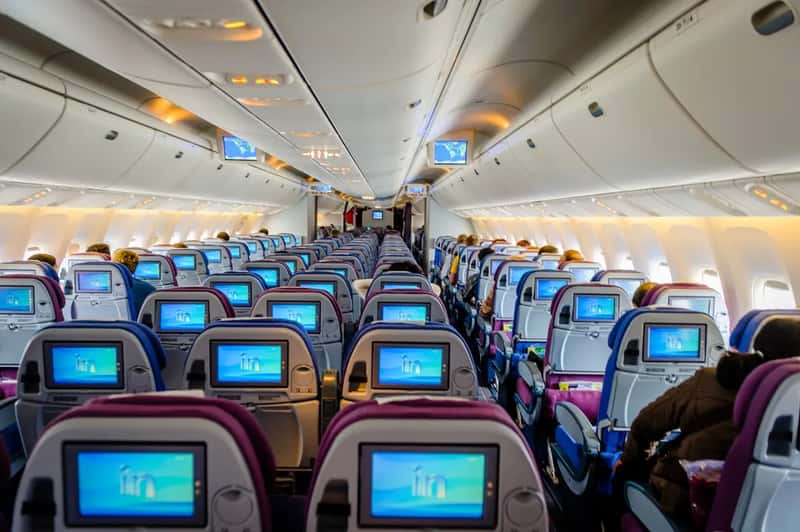
American will equip its narrowbody fleet with state-of-the-art seatback screens at every seat on all new Airbus and Boeing aircraft deliveries starting in 2028, as well as on retrofitted aircraft.[4] The airline aims to outfit its entire 876-strong fleet of mainline single-aisle aircraft with economy class screens by the early 2030s, a big move to catch up to competitors Delta Air Lines and United Airlines.[2] That’s a massive undertaking given how many planes American actually flies day to day.
These new installations will build on the more than 140 long-haul aircraft that already feature seatback screens today.[4] American’s widebody planes already have seatback screens in all classes, as do its newer long-range Airbus A321XLRs.[2] Regional aircraft operating under the American Eagle brand will not receive screens, though, so the smallest planes in the network will stay screenless.[2]
Why Passengers Have to Wait Until 2028
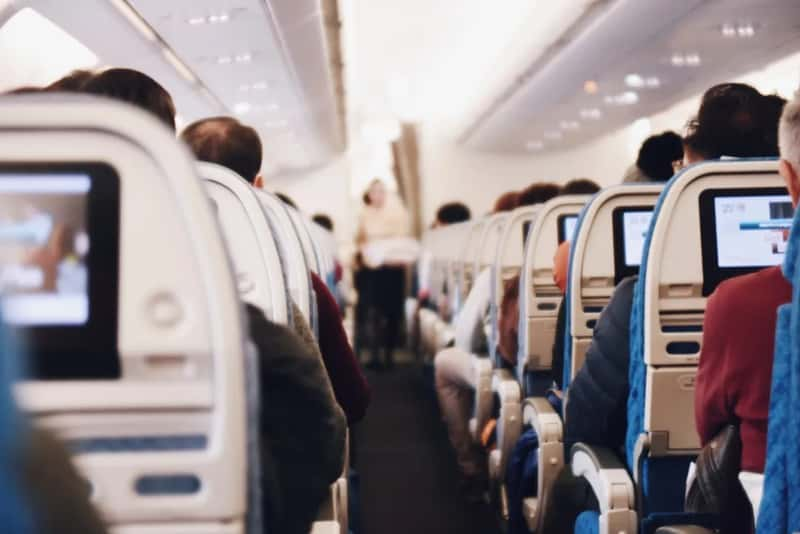
This isn’t a quick fix that shows up on your next flight. American expects new aircraft to start delivering with the screens beginning in the second half of 2028, while retrofit installation on existing planes will begin in late 2028.[3] That’s roughly two years from now, and the full fleet won’t be finished for a while after that.
New Airbus and Boeing aircraft will begin arriving with the screens in 2028, when American will also start retrofitting aircraft already in its fleet, with the work expected to continue into the early 2030s.[1] An airline spokesperson noted that around 100 A319s and the A320 fleet, along with other narrowbody aircraft nearing retirement, will not be retrofitted with screens at all.[3] In other words, some older jets will simply age out of service before ever getting the upgrade.
What the New Screens Will Actually Look Like
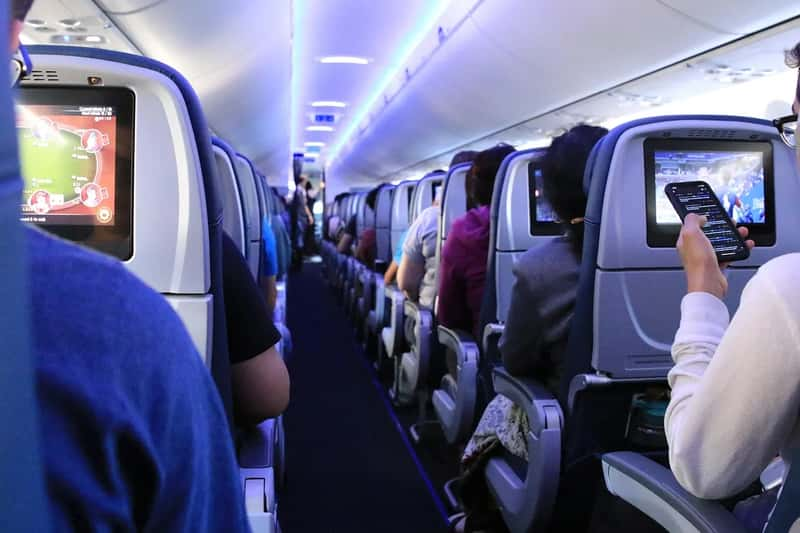
American said its new screens will feature 4K resolution and be among the largest displays offered on narrowbody aircraft in North America.[5] The new systems will include 4K displays with Bluetooth connectivity, USB-C fast charging and interactive flight maps, with premium seats receiving larger displays than economy.[1] That’s a notable jump from the small, low-resolution screens many travelers remember from a decade ago.
American also said the screens would include access to a large selection of entertainment content, along with fast-charging ports and wireless audio pairing.[5] The company described expanded content and partnerships, with access to a broad selection of movies, TV, music, games and content, along with the opportunity to introduce new experiences down the road.[4] For families flying with kids or anyone who forgot to charge their tablet before boarding, that combination should make a real difference.
More First Class and Extra Legroom Seats Too
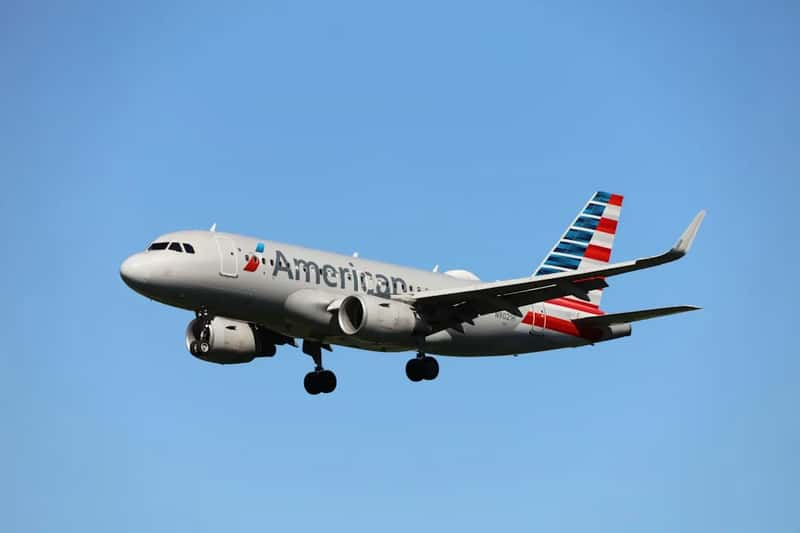
The screens are only part of a much bigger cabin overhaul. The airline is retrofitting its fleet to add more first-class and extra legroom seats, with plans to increase premium seating from a quarter to 40% of its narrowbody fleet.[6] That’s a significant jump in the share of seats dedicated to higher-paying customers.
American is currently retrofitting its Airbus A319 and A320 fleets to add an additional row of First Class, and its upcoming Boeing 737 MAX 10 deliveries will have 24 First Class seats, while the A321neo fleet will also be reconfigured to feature additional First Class seats.[4] The airline is also in the process of adding a row of first-class seats to its Airbus A319s and A320s, bringing the total to 12 and 16 first-class seats, respectively.[2] Extra-legroom Main Cabin Extra seating is expanding too, giving more travelers access to perks like earlier boarding and dedicated overhead bin space.
Closing the Gap With Delta and United

American isn’t making this move in a vacuum. For context, Delta and United, American’s chief rivals, currently have seatback screens on more than 900 and 800 aircraft, respectively.[7] American Airlines had spent years removing screens while Delta Air Lines kept investing in them and United Airlines eventually changed course of its own.[8] That leaves American as the last of the big three to commit to bringing the technology back fleetwide.
Airlines like Delta and United have consistently offered seatback screens, and American’s decision now brings it in line with industry expectations.[9] Notably, American’s own former chief customer officer had once dismissed United’s commitment to add seatback screens as simply “prettying up old planes,” a comment that looks different in hindsight.[3] It turns out passengers cared more about that particular amenity than American initially assumed.
The Financial Pressure Driving the Decision
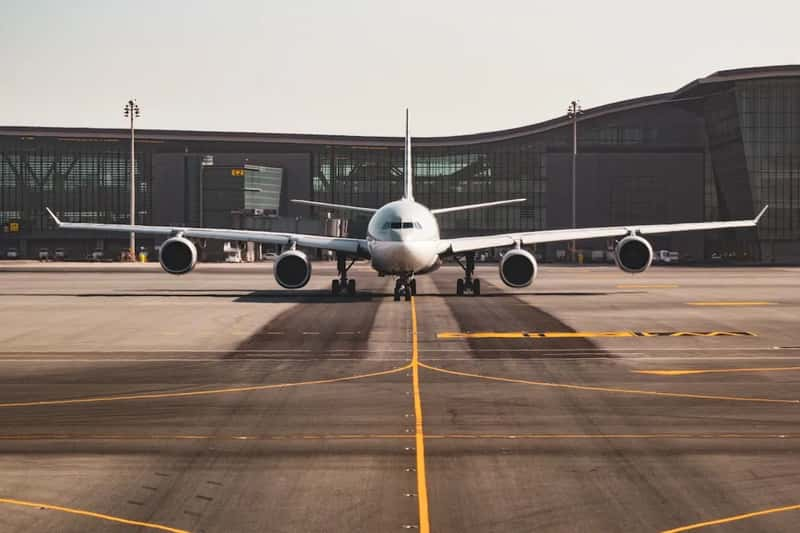
Money is clearly part of the story here. American expects to finish 2026 around break-even, while its two largest US rivals are forecasting solid profits.[1] American reported a profit of just 71 million dollars for the second quarter, compared with United’s 805 million dollars and Delta’s 1.6 billion dollars in the same period.[10] That’s a wide gap for an airline of American’s size and network reach.
CEO Robert Isom told CNBC in June that he and his team are working to close the profit gap with the airline’s large competitors, through more premium seats, plush lounges and improving the network.[10] He also said American is planning to refurbish its Boeing 787-8 Dreamliners with the carrier’s new business-class suites and add more of them, and that American is in the market for new widebody planes, evaluating options from both Boeing and Airbus.[10] The seatback screen decision fits neatly into that broader premium-focused strategy.
Wi-Fi, Starlink, and the Rest of the Connectivity Push

Screens aren’t the only tech upgrade coming to American’s cabins. American is also moving ahead with Starlink high-speed Wi-Fi, giving passengers the option of using their own connected devices even after seatback screens return.[1] The airline will begin offering ultra-fast Starlink inflight connectivity on 500 planes beginning next year, a move that comes after it rolled out free inflight Wi-Fi in January.[2] So rather than choosing between personal devices and built-in screens, American is betting passengers will want both options available.
The company is also investing on the ground, not just in the air. American Airlines is making its largest-ever investment in new and expanded Flagship and Admirals Club lounges, and recently announced plans for its largest-ever Admirals Club, which will be located at DFW Terminal C.[11] The airline is also renovating and expanding Admirals Clubs across its network, adding new grab-and-go spaces and upgrading dining options as part of a larger effort to attract premium fliers.[2] Taken together, it paints a picture of an airline trying to upgrade nearly every touchpoint of the travel experience at once.
What Comes Next for Travelers
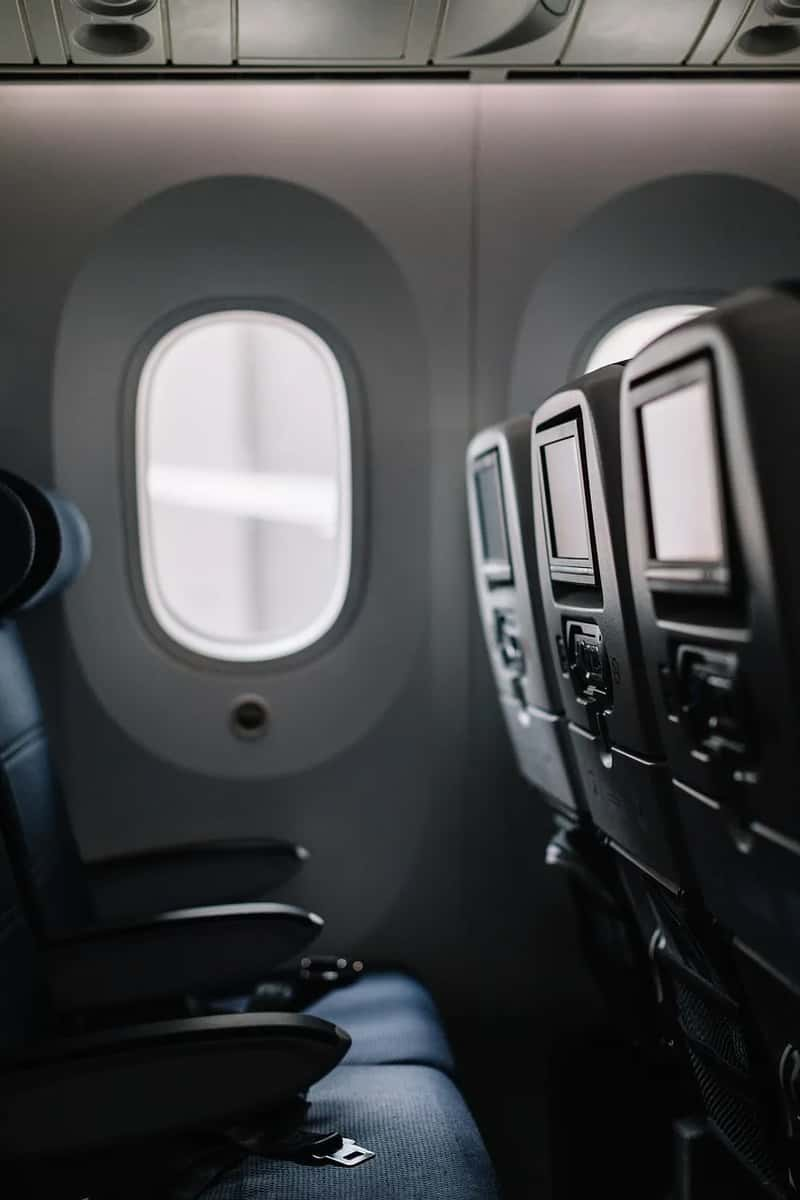
For now, the practical reality is that most American passengers won’t see any of this for a couple of years. The carrier will begin installing the seatback displays on all new Airbus and Boeing deliveries starting in 2028, alongside retrofits on existing aircraft, with full installation across the fleet expected by early next decade.[11] That’s a long runway, and American acknowledged as much in its own announcement.
Still, the symbolic significance of the reversal is hard to miss. American’s Chief Customer Officer Heather Garboden said the company is “making one of the most significant investments in the onboard experience in our history,” adding that the changes “will give our customers more ways to relax, stay connected and enjoy their journey.”[5] Whether that translates into real financial gains against Delta and United will likely take years to fully play out, but for passengers who missed having a screen built into the seat in front of them, the wait finally has an end date.