The world is getting smaller, yet Americans traveling abroad remain surprisingly recognizable. One of the easiest ways to spot an American abroad is that you hear them before you see them, according to tour guides and travel professionals. While being identifiably American isn’t necessarily negative, certain phrases can instantly brand you as the stereotypical American tourist.
Americans are going abroad more than ever, with increasing numbers of U.S. citizens flying to international destinations, according to travel industry data. Yet our words often betray us before our passports do.
The Colonial Language That Makes Locals Cringe

Words like “conquer,” “explore,” and “discover” have colonial undertones that may not be welcome in countries still recovering from the impacts of colonization. These terms might seem harmless in casual conversation, but they carry historical weight that many Americans don’t realize. When you say you’re going to “conquer” a mountain or “discover” a hidden beach, you’re inadvertently echoing centuries of Western imperialism.
Calling a place “unspoiled” can erase its indigenous history. This seemingly innocent compliment actually implies that the presence of local people and their culture would somehow contaminate or spoil the natural beauty. The irony is palpable when tourists describe inhabited places as untouched, completely overlooking the communities that have called these areas home for generations.
“What State Are You From?” Shows Geographic Ignorance
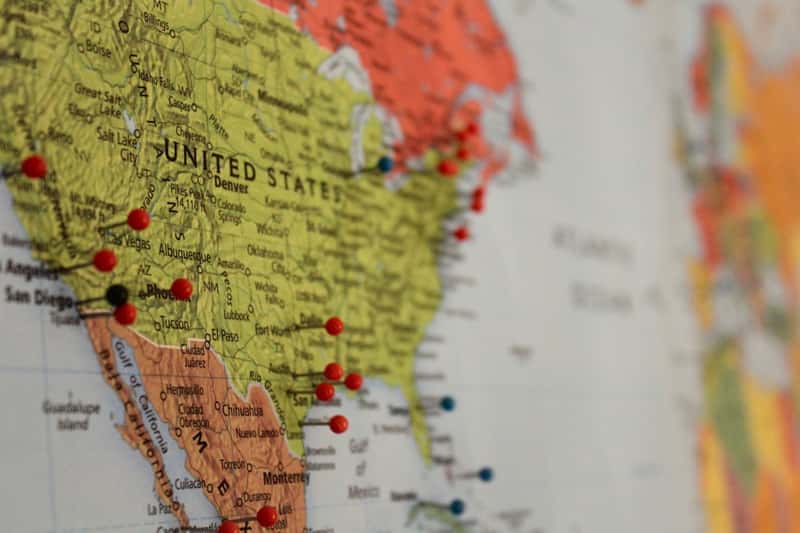
Canada has provinces. Singapore and Monaco are city-states that aren’t divided into smaller sections. Asking what state a person is from outside of the U.S. is a quick way to show you haven’t researched your destination or can’t respect that things are different elsewhere. This question is the verbal equivalent of wearing a fanny pack and white sneakers while consulting a paper map.
The assumption that every country operates like the United States reveals a startling lack of basic geography knowledge. It’s particularly awkward when asked in countries like Luxembourg or Vatican City, which are smaller than most American cities. This phrase immediately signals that you view the world through an exclusively American lens.
The McDonald’s Mentality That Screams Tourist
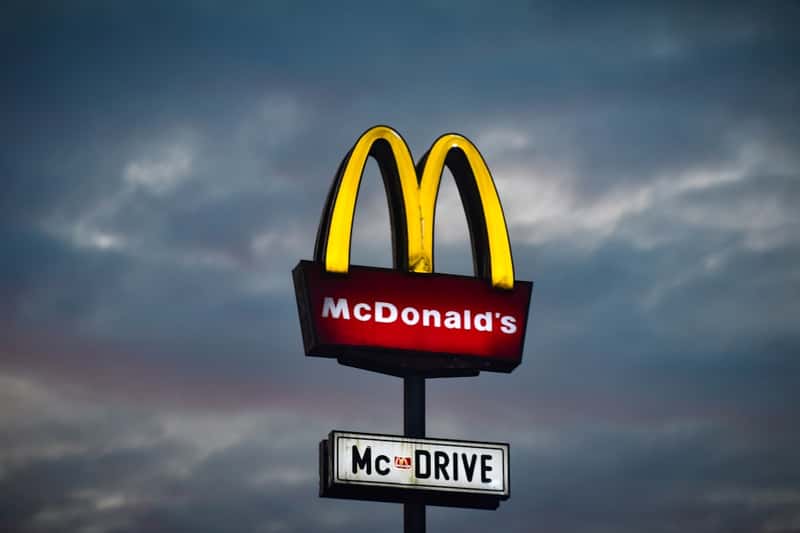
Seeking familiar chains while abroad sends a clear message about your travel priorities. When you go to a foreign country seeking out corporate chains, you’re missing out on an opportunity to try something new and to support local businesses. Nothing says “I’m an unadventurous American tourist” quite like hunting down a Starbucks in Paris or insisting on McDonald’s in Bangkok.
I could have gotten Starbucks on a trip to Athens a few years ago, but then I wouldn’t have had a chance to taste incredible Greek coffee and visit several cute cafes, noted one experienced traveler. The choice between authentic local experiences and familiar corporate comfort often defines the difference between being a traveler and being a tourist.
Volume Control: The Unmistakable American Audio Signature
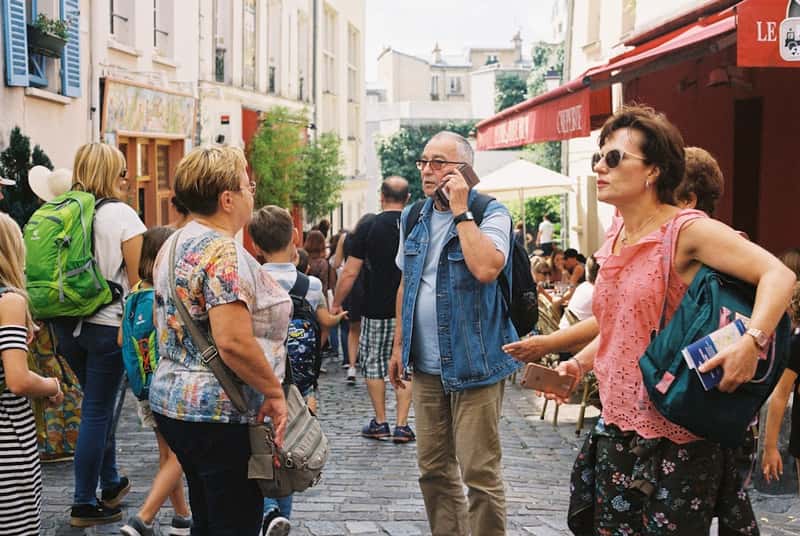
You always hear Americans because they are loud, according to professional tour guides. This observation appears consistently across multiple sources and continents. Canadians don’t stand out as much as Americans. In conversation, they’re more subtle, you don’t hear them from two tables down.
The American tendency toward animated, high-volume conversations stands out starkly in cultures that value quieter, more reserved public behavior. Whether it’s excited planning at a restaurant or enthusiastic commentary at a museum, Americans often unconsciously dominate the acoustic landscape wherever they go.
Cultural Assumptions That Reveal American Centricity
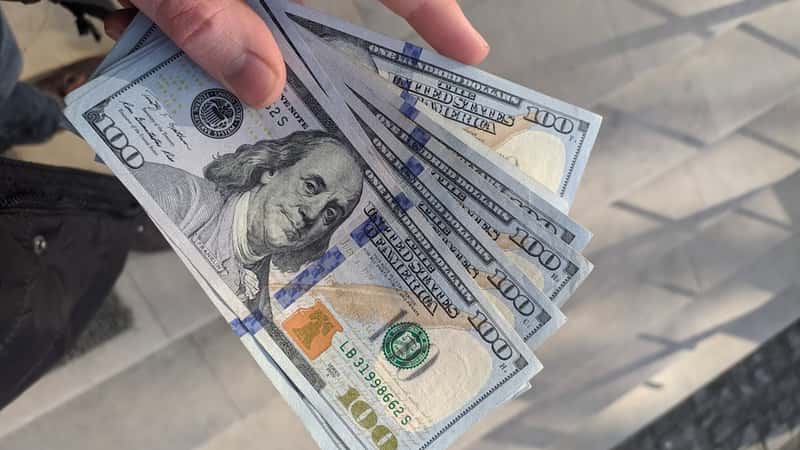
Among her US clients, that’s manifested in the past through their assumption that they can pay abroad with US dollars, or their insistence that the British have an accent – and that they, Americans, do not. This mindset positions American culture as the default standard by which all others should be measured.
To me, the subtext is that I speak normally, and everyone else doesn’t, explains one travel professional. These assumptions extend beyond language to include expectations about service, tipping customs, and even basic social interactions. Americans often express surprise when other countries don’t accommodate American preferences or standards.
The Complaint Culture of Constant Comparison

American tourists frequently voice complaints that reveal their expectations of how things “should” work abroad. These comments range from infrastructure criticism to service standards, often delivered without understanding local context or cultural differences. One American travel companion complained about the narrow, cobblestone roads, lack of air conditioning, and the fact that some of the locals didn’t speak English well.
Such complaints instantly identify the speaker as someone who expected their destination to function like home. Rather than embracing differences as part of the travel experience, these tourists view any deviation from American norms as a problem to be solved or criticized.
The Passport Pride That Backfires
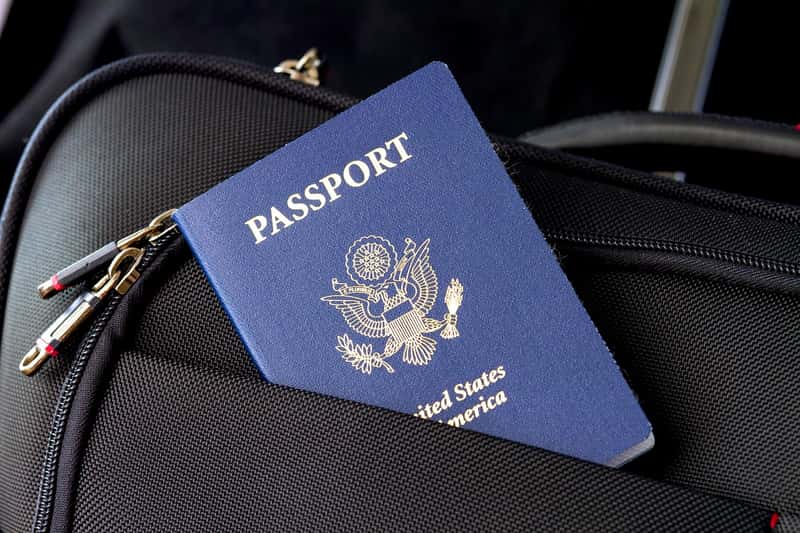
Recent surveys suggest that many travelers believe US tourists may be perceived more negatively abroad. This growing awareness has led some Americans to adopt more careful communication strategies while traveling. Yet many still lead conversations by prominently announcing their American identity, expecting it to be received positively.
Some Americans pretend to be Canadian while traveling abroad to avoid anti-American sentiment. Flag-jacking Americans sew the maple leaf flag on their bags and lie about their nationality. This practice has actually intensified tensions, as some Canadians, incensed at the trade war, have been calling out the Americans who make light of pretending to be Canadian abroad, posting online comments calling it cowardly, entitled, and a form of cultural appropriation.
American travelers today face a unique challenge. While our passports open doors to most of the world, our words and behavior can quickly close minds and create barriers. The solution isn’t to hide who we are, but to approach other cultures with genuine curiosity rather than unconscious superiority. Travel should change us, not just provide us with photo opportunities and stories to tell back home.
What would the world think if Americans abroad became known for their cultural sensitivity instead of their volume? The answer might surprise us all.