Something unexpected is happening in the world of American retirement planning. People who once dreamed of Florida beaches are now booking one-way flights to Lisbon instead. It’s not about escaping winter anymore. It’s about escaping costs that have spiraled out of control.
Let’s be real, the promise of sunshine and warm weather used to be enough to lure retirees to the Sunshine State. Still, times have changed. Insurance bills are climbing fast, hurricanes keep getting worse, and the savings that once seemed comfortable don’t stretch as far as they used to.
Meanwhile, Portugal has quietly become the unexpected winner. Picture this: affordable healthcare, stable weather, and a lifestyle that feels both relaxed and surprisingly modern. So what’s really driving this shift, and is it all it’s cracked up to be? Let’s dive in.
Florida’s Rising Costs Are Pushing People Away

Florida has seen home prices rise upwards of 60 percent since 2020, and home insurance premium costs are predicted to reach up to $15,460 annually by the end of 2026. That’s not a typo. We’re talking about insurance alone, not even your mortgage or property taxes.
More than half a million people left Florida in 2023, the most the state has ever seen, making it the second-most in the country behind California. The average age of people leaving Florida is 32, with rising housing costs and the perception of limited career opportunities cited as key factors.
The storm risk isn’t theoretical anymore either. Hurricane Ian alone caused over $100 billion in damages in 2022. Many retirees who planned for decades to settle in Tampa or Fort Lauderdale are now reconsidering whether it’s worth the financial and emotional stress. The combination of climate volatility and financial pressure has fundamentally changed the retirement equation.
Portugal Offers Dramatically Lower Living Costs

Here’s where things get interesting. The cost of living in Portugal is 39.2% lower on average than in the United States, and rent is 54.2% lower. A couple can live comfortably on $2,500 to $3,000 per month outside of major cities in Portugal, compared to the average monthly cost of living in the United States ranging from $2,500 to $3,500.
When you compare specific cities, the gap becomes even clearer. The cost of living in Lisbon is 40% less expensive than in Miami. The cost of living in Lisbon is 35% less expensive than in Tampa. Even Portugal’s most expensive city is still far more affordable than mid-tier Florida metros.
Honestly, for someone on a fixed income, this kind of difference isn’t just appealing. It’s life-changing. You’re not just saving a bit here and there. You’re fundamentally improving your quality of life while spending less.
Healthcare That Won’t Bankrupt You

Let’s talk about what really keeps people up at night: medical bills. A general practitioner visit in private healthcare averages around $55 in Portugal, compared to $110 in the U.S.. A drug that costs $200 in the US can cost only €15 to €30 in Portugal.
Portugal’s healthcare system is ranked 12th best by the World Health Organization, and since June 2022, public healthcare in Portugal has been free for all legal residents. That’s not subsidized or discounted. That’s free.
Private insurance is available too, and it’s shockingly affordable. Private health insurance generally costs €50–€100 per month in Portugal, a fraction of what Americans pay back home. Many expats choose to have both public and private coverage, giving them flexibility without the crushing premiums they’d face in the States. The peace of mind alone makes Portugal attractive.
Americans Are Actually Making the Move

This isn’t just idle speculation. The numbers are real. Over 7,000 U.S. citizens moved to Portugal in 2023 alone, a 239% increase since 2017. There were more than 14,000 American residents officially living in Portugal as of September 2023, with more than 13,000 in mainland Portugal.
According to 2024 data, 20,959 Americans were registered in Portugal, an almost 50% increase from 2023. When one expat arrived in 2020, about 4,000 Americans were living in Portugal; now there are around 25,000.
The surge is undeniable. Americans aren’t just curious about Portugal anymore. They’re packing up and going. It’s become one of the fastest-growing expat destinations in Europe, and it’s not slowing down.
Climate Without Catastrophe

Florida’s climate is subtropical to tropical with long, humid, storm-prone summers where the heat index regularly climbs above 100°F. Then there’s hurricane season. Every year. Without fail.
Portugal enjoys a classic Mediterranean climate with warm but dry summers. Portugal doesn’t sit in the hurricane belt, there are no tornado seasons, and flooding or wildfire risks are low and regionally limited.
Think about that for a second. You’re not trading comfort for affordability. You’re getting reliable, pleasant weather year-round without the anxiety of tracking storm forecasts every summer. Portugal offers sunshine without the sweltering humidity and disaster prep that defines life in Florida.
The Golden Visa Makes It Accessible

US nationals account for roughly 10 percent of all Golden Visa approvals, and in 2023, Americans were the top country for Portugal’s Golden Visa, with 567 permits issued. A 60% increase in inquiries and applications from US nationals for Portugal’s Golden Visa was recorded in 2024-2025, driven by wealthy investors, retirees, and families.
Portugal’s golden visa guarantees a five-year residency to non-EU citizens willing to make a minimum contribution of €250,000. After five years, you can apply for permanent residency or even citizenship.
About 37% of applicants are retirees or individuals seeking a ‘Plan B’ lifestyle abroad, 47% are investors aiming to diversify into stable international markets, and 5% are primarily pursuing second citizenship. It’s not just about moving. It’s about having options and security.
Affordable Housing in Desirable Locations
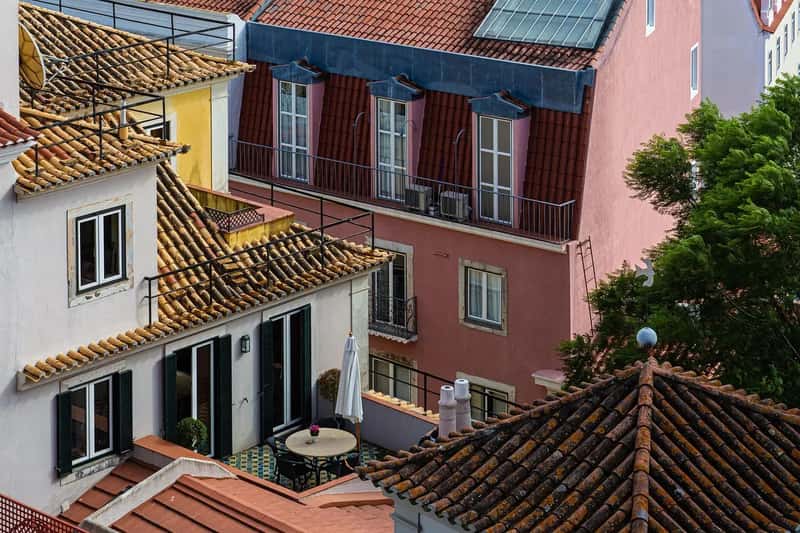
Renting in Portugal is around 40-50 percent cheaper than in the States, and rents in small or more remote Portuguese cities start as low as €400 a month for a one-bedroom apartment. Even in Lisbon, Portugal’s capital and most expensive city, housing remains accessible compared to Florida’s major metros.
In Lisbon’s city center, a one-bedroom apartment generally costs €1,200–€1,500 per month, while in smaller Portuguese cities like Porto or Faro, rents fall to €800–€1,000, compared to major U.S. urban centers where similar apartments often run $2,800–$3,500 or more.
Honestly, when you consider what you’re getting for your money, the value is undeniable. Safe neighborhoods, walkable streets, access to public transportation, and proximity to beaches or historic districts. It’s not just cheap. It’s actually desirable.
Safety and Stability Matter More Than Ever
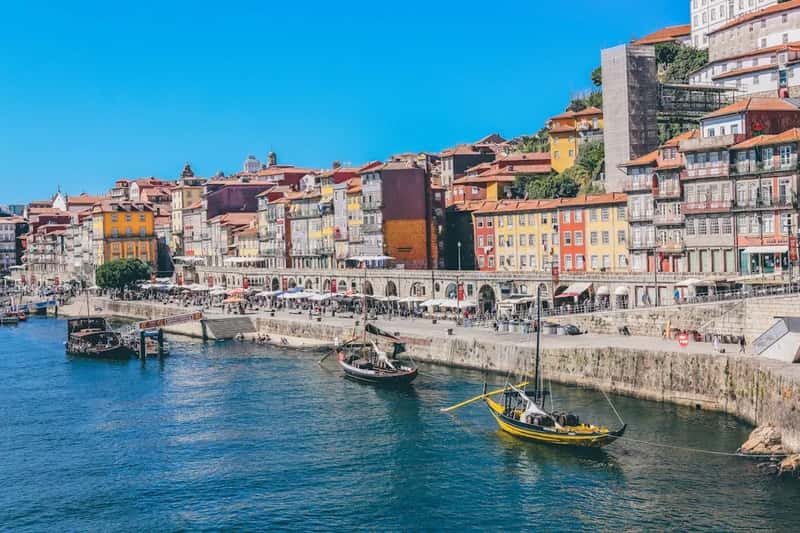
In 2024, Portugal ranked 7th in the Global Peace Index’s top of the safest countries. Portugal is consistently rated one of the world’s safest countries, ranking 7th globally on the Global Peace Index in 2024, reflecting very low crime rates.
Many American clients cite politics as a primary reason to move, and many talk about guns, safety, and wanting a more peaceful, quieter life in a more tolerant place. The social and political tensions back home are real, and they’re influencing decisions.
For retirees who value a sense of calm and security in their daily lives, Portugal offers something Florida increasingly doesn’t: predictability. You don’t worry about active shooter alerts, violent crime spikes, or political unrest spilling into your neighborhood. That’s worth more than any tax break.
The D7 Visa Is Perfect for Retirees

The D7 visa is the most popular choice for retirees and those with stable passive income, requiring proof of regular monthly income above €820, which matches Portugal’s national minimum wage for 2024. The visa requires proof of sufficient income (€870 per month for a single applicant), a place to live in Portugal, and compliance with minimum stay requirements, and after five years, holders can apply for permanent residency or citizenship.
This isn’t some complicated investor scheme. If you have a pension or Social Security income, you likely qualify. The process is straightforward, and thousands of Americans have already gone through it successfully. It’s designed for people exactly like retirees who want a fresh start without jumping through endless bureaucratic hoops.
English Is Widely Spoken

Portugal has widespread English fluency, especially in urban areas, and was ranked 6th in the world for English proficiency among non-native countries in 2024. You can comfortably speak English in shops, hospitals, and government offices in Lisbon or Porto, though locals appreciate it if you learn a bit of Portuguese.
That’s a huge relief for anyone worried about language barriers. You’re not moving to a place where you’ll be isolated or unable to navigate daily life. Sure, learning Portuguese is respectful and helpful, but it’s not make-or-break. You can function, get healthcare, handle banking, and socialize without fluency from day one.
A Decision Rooted in Reality, Not Romance

It’s not about politics, it’s about peace of mind, with people craving stability, affordability, safety, and a sense of normalcy that feels harder to find back home. Portugal isn’t selling a fantasy. It’s offering a practical solution to real problems Americans face.
The cost of living, including housing, daily expenses, and healthcare, is more affordable than in the US, allowing American retirees to maintain their pension benefits while enjoying a comfortable lifestyle. This shift isn’t about running away. It’s about running toward something better.
Florida will always have its appeal, but for a growing number of Americans, Portugal checks more boxes. Lower costs, better healthcare, safer streets, stable weather, and a welcoming culture. Hard to argue with that. What would you choose if you were planning your retirement today?