South America has long pulled in American travelers with its mountains, colonial architecture, and vibrant street life, but a quieter shift is happening beneath the surface. Booking patterns, embassy advisories, and traveler forums all point to the same trend: a handful of major cities are seeing fewer American visitors than they did just a couple of years ago. It’s not that people have stopped loving the continent. It’s that specific urban centers have developed reputations that are hard to ignore once you start reading the fine print of government travel guidance.
The reasons vary from city to city, ranging from organized crime and kidnapping risk to political instability and simple street robbery. What follows is a look at five cities where the caution is showing up not in headlines, but in the everyday decisions Americans are making about where to spend their vacation days and dollars.
Caracas, Venezuela
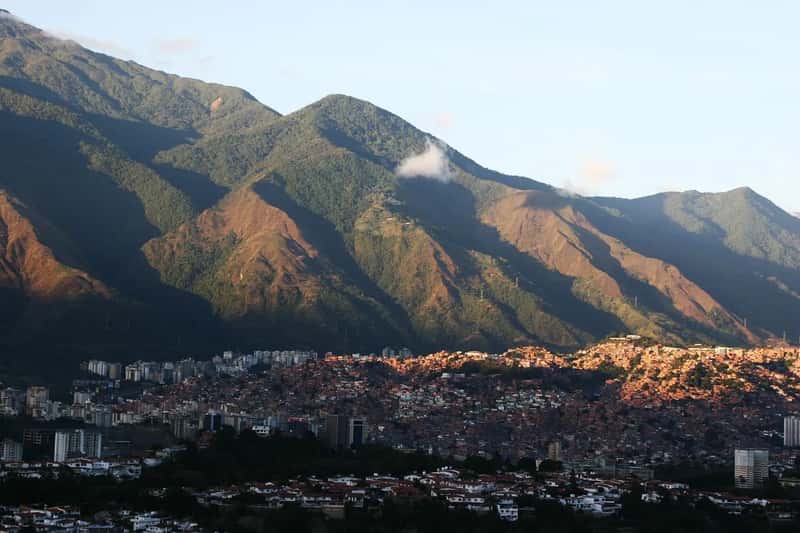
Caracas sits at the top of almost every list of cities Americans are steering clear of, and the data backs up the instinct. Venezuela has the highest Travel Advisory level, Level 4: Do Not Travel, due to severe risks to Americans, including wrongful detention, torture in detention, terrorism, kidnapping, arbitrary enforcement of local laws, crime, civil unrest, and poor health infrastructure.[1] That’s about as stark a warning as the State Department issues for any country in the hemisphere.
Beyond the political risk, ordinary safety conditions remain grim. The homicide rate is around 45.6 per 100,000[2], one of the highest on the continent, and Caracas is considered one of the most dangerous cities in the world.[3] Compounding matters, Venezuela experienced a powerful foreshock and earthquake in rapid succession in June 2026, causing extensive damage and disruption to transportation, infrastructure, and emergency services.[4] With the US Embassy operating on a limited basis and diplomatic support scarce, it’s easy to see why American travelers have largely written this city off their itineraries.
Bogotá, Colombia
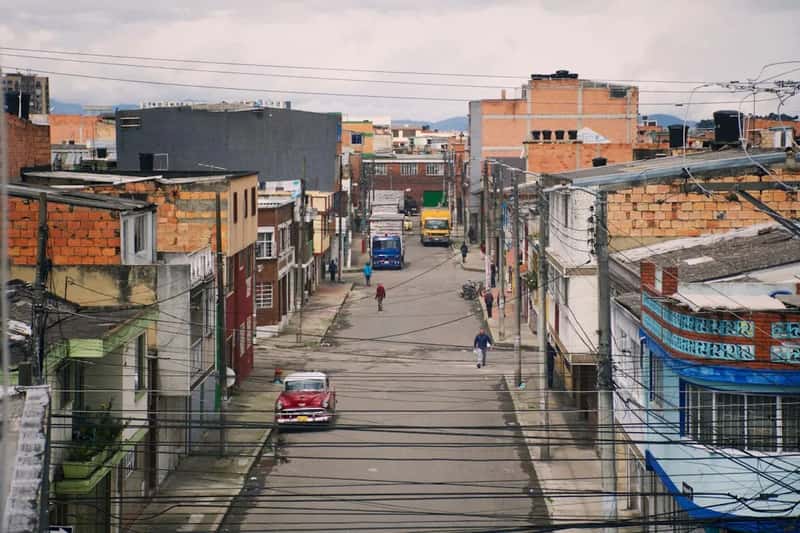
Colombia has spent the last decade rebuilding its tourism image, and in many ways it has succeeded, yet Bogotá itself remains a sticking point. Colombia’s capital has over 7 million people and is one of the most dangerous South American cities, with murder rates hovering around 26.1 per 100,000.[5] That figure alone is enough to give pause to travelers weighing options across the region.
Street-level crime is a persistent headache rather than an occasional risk. Neighborhood boundaries change quickly, and robberies are pervasive day or night, with the city notorious for drug trafficking and two no-go zones in the Suba and Santa Fe barrios, while the public bus system, TransMilenio, is overcrowded and a favorite spot for pickpockets.[5] Recent State Department guidance has only reinforced the caution, warning that Americans should reconsider travel because the risk of encountering crime, terrorism, civil unrest and kidnapping is high in many parts of the country.[6] For many US travelers, that combination of statistics and official language is enough to redirect a trip elsewhere.
Guayaquil, Ecuador

Ecuador used to be an easy sell for budget-conscious American travelers, but Guayaquil has changed that calculation dramatically. The city has experienced a rise in gang-related violence, though this primarily affects local communities rather than tourists in well-traveled areas.[7] Still, the perception has shifted enough that many itineraries now route around it entirely.
Locals and long-time visitors describe a city transformed by turf wars. Guayaquil has become the epicenter of this growing violence, with territorial struggles between drug cartels turning previously touristy areas into battlefields.[3] The concern isn’t isolated to one neighborhood either; Ecuador added terrorism to its advisory risk factors in 2025 due to gang activity in coastal areas.[8] Americans who once treated Guayaquil as a convenient stopover en route to the Galápagos are increasingly flying around it instead.
Rio de Janeiro, Brazil
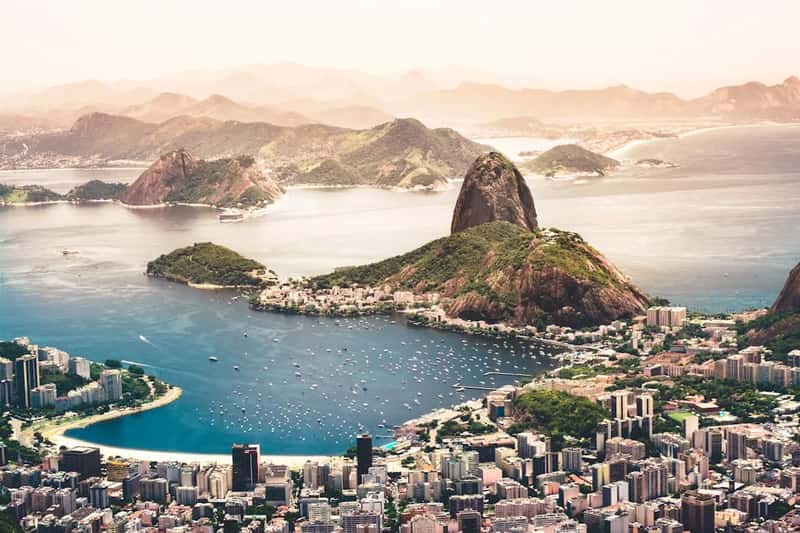
Rio remains one of the most photographed cities on the continent, but its safety reputation has always carried an asterisk, and that asterisk has grown larger in recent years. Large cities like Bogotá and Rio de Janeiro often experience higher crime rates, and travelers should be aware of common crimes such as pickpocketing and muggings.[9] For a city built around beaches, nightlife, and street festivals, that’s a difficult reputation to shake.
Brazil overall has made genuine security progress, but the gains haven’t been evenly distributed. Brazil has improved its security levels during the past few years and even recently hosted a World Cup, however it still has a few dangerous areas.[10] Rio remains one of the places where that unevenness is most visible, with favela-adjacent neighborhoods and certain beachfront stretches still carrying elevated risk after dark. American travelers who once considered Rio a bucket-list must-do are increasingly opting for calmer Brazilian destinations instead, or skipping the country altogether in favor of Argentina or Chile.
Manaus, Brazil
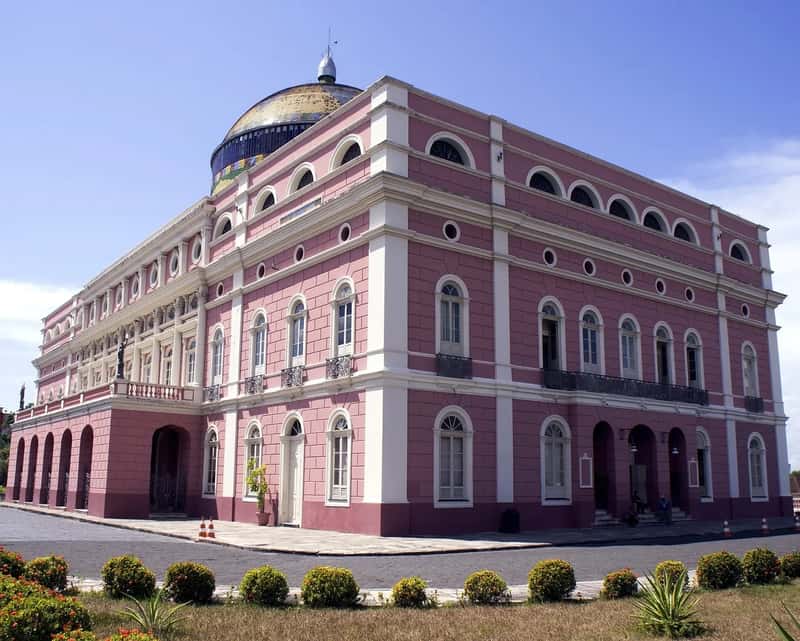
Tucked deep in the Amazon, Manaus might seem like an unlikely entry on a safety-concern list, but it has quietly become one. Parts of northern and eastern Brazil, especially in and around Belém, Manaus, and Fortaleza, have seen a spike in violent crime since 2022.[11] For American travelers planning Amazon river trips, that shift has prompted a second look at logistics and lodging.
The practical advice reflects just how much caution the region now demands. Travelers are advised to take any goods from shopping trips back to the hotel as quickly as possible, since there is still a significant amount of crime in Salvador, São Paulo, and Rio[10], and similar guidance now extends to Manaus given its own crime spike. Many American tour operators have responded by shifting Amazon itineraries toward Peru or smaller Brazilian gateway towns instead, quietly moving Manaus down the list of recommended stops.
None of this means South America is off-limits. Millions of Americans still travel there every year, and cities like Montevideo, Santiago, and Buenos Aires continue to earn praise as some of the safest urban destinations on the continent. Still, the pattern is clear enough that it’s worth paying attention to: when travelers quietly reroute around Caracas, Bogotá, Guayaquil, Rio de Janeiro, and Manaus, they’re not overreacting to headlines, they’re responding to a documented rise in risk that official advisories, crime data, and firsthand traveler accounts all describe in remarkably similar terms. The smartest move isn’t avoiding South America altogether, but choosing destinations with open eyes and current information in hand.