Florida used to be the retirement dream, the place where Americans moved for sunshine, low taxes, and that perfect coastal lifestyle. For years, people packed their lives into moving trucks and headed south without a second thought. Something’s shifted though. The weather’s getting wilder, insurance premiums are skyrocketing, and suddenly that dream doesn’t feel quite as secure anymore.
Florida, which ranked first among all states in domestic migration in 2021 and 2022, sank to No. 8 in 2025. Let’s be real, that’s a pretty dramatic fall from grace. According to a January 2026 report from the Bank of America Institute, Americans are continuing to leave New York City and Los Angeles in droves, but they are now fleeing Miami at equally alarming rates. Meanwhile, a whole new set of states are emerging as the places Americans want to call home. These aren’t your typical warm weather destinations either. They’re what experts are now calling climate havens.
South Carolina: The Unexpected Champion
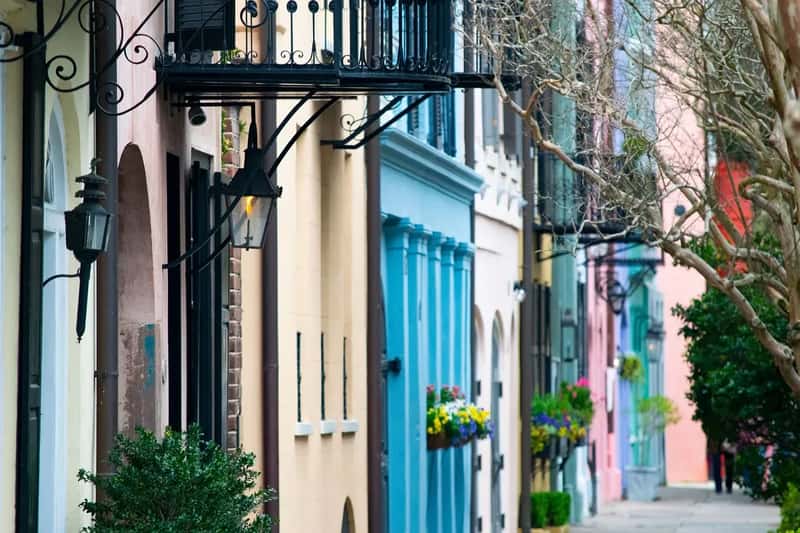
For the third year in a row, South Carolina reigned supreme as Americans’ top move-to destination in 2025. Who would’ve thought? The Palmetto State isn’t just winning this race, it’s dominating. According to moveBuddha, South Carolina witnessed highest 2025 In-to-Out Move Ratio. Cities like Charleston, Greenville, and the Myrtle Beach area are pulling people in with their combination of affordable housing, coastal charm, and growing job markets.
With 3.28 in-moves per exit, Myrtle Beach is a big part of South Carolina’s buzz, outpacing the state itself for in-moves versus out-moves. Here’s the thing, South Carolina offers what Florida used to promise but without the same level of climate anxiety. When calculated on a per-capita basis, South Carolina, Idaho, and North Carolina emerge as the top destinations for net domestic migration. The retirement climate remains appealing too, though it’s creating its own housing challenges as more people discover this supposedly hidden gem.
North Carolina: Where Stability Meets Opportunity
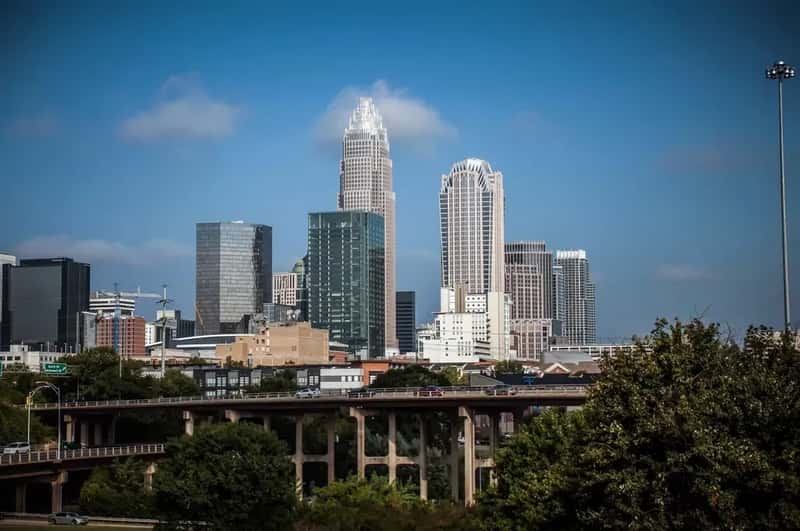
North Carolina’s rise makes perfect sense when you think about it. Texas topped the nation with a net gain of 72,680 residents, narrowly edging out Florida’s net gain of 67,630. North Carolina ranked third with 58,610 new residents, while Arizona claimed fourth place with a net gain of 55,505. Cities like Raleigh and Charlotte have transformed into tech hubs that rival traditional coastal powerhouses, but without the catastrophic hurricane exposure.
The state’s geography offers something valuable right now, a sweet spot between opportunity and relative safety. Growing tech hubs like Austin, Texas and Raleigh, North Carolina continue to draw professionals looking for high-paying jobs in dynamic industries. I know it sounds crazy, but moderate weather patterns and inland options are suddenly selling points rather than boring compromises. The Triangle area has been absorbing transplants from both expensive coastal cities and climate vulnerable regions, creating this interesting cultural mix of people looking for something more sustainable.
Michigan: The Great Lakes Advantage
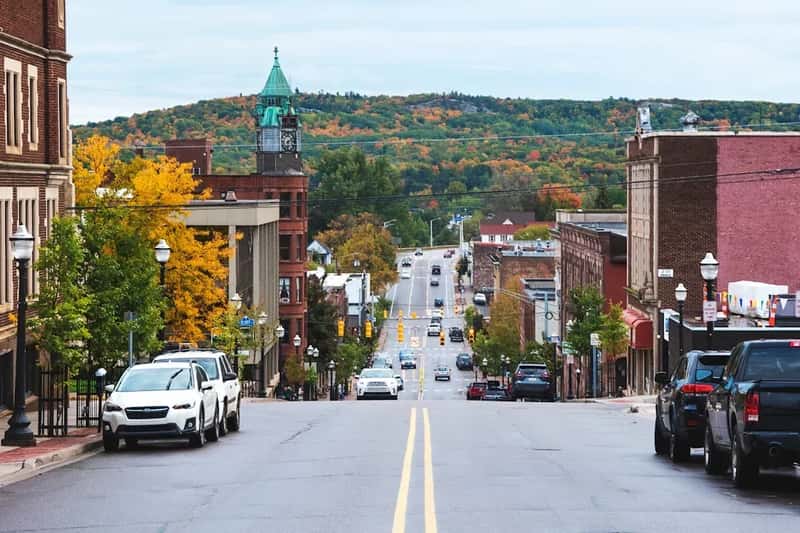
Michigan is bounded by four of the five Great Lakes, and all that water absorbs heat in the summer and releases it in the winter, helping to moderate Michigan’s climate and making it moister and more temperate than that of other Midwestern states. Honestly, people used to laugh about Michigan winters. Not anymore. Cities like Ann Arbor and Grand Rapids are suddenly appearing on lists of climate refuges, and for good reason.
Michigan ranked 13th among states for low cost of living in the third quarter of 2024, with housing at a median sale price of about $264,000 in October 2024, compared to $435,000 nationally, according to Redfin. That’s substantial savings, especially when compared to climate exposed regions. The Great Lakes themselves represent an enormous freshwater reserve that’s going to become increasingly valuable as drought intensifies elsewhere. Some experts are even warning about Michigan becoming too attractive, with concerns about managing population influx and protecting those precious water resources.
Minnesota: Cold Never Looked So Good
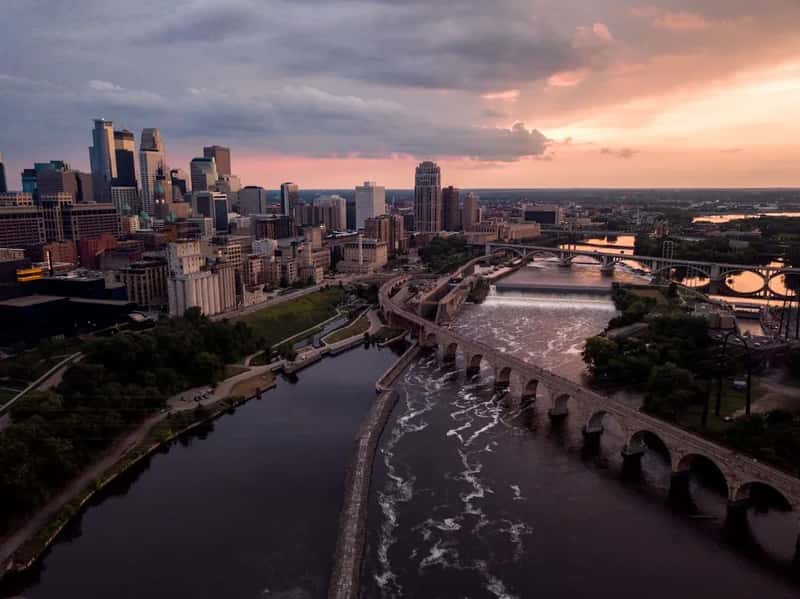
In 2019, The New York Times named Duluth, Minnesota as America’s most climate-proof city, citing that geographic factors mean the region will be one of the few places in America where the effects of climate change may be more easily managed. Yeah, it’s cold up there. Really cold. Yet suddenly that’s not looking like such a bad trade off when you consider what’s happening in other parts of the country.
Duluth’s position on Lake Superior offers abundant freshwater and cooler weather, and the city’s renewable transition and community planning efforts make it one of the most frequently cited U.S. climate refuges. Minneapolis and Saint Paul are investing heavily in sustainable infrastructure and preparing for climate migrants rather than pretending they won’t come. Minneapolis’s northern, inland location makes it less vulnerable to hurricanes and flooding, and summers are not projected to get as persistently hot as in most other U.S. regions. The state’s harsh winters might actually become milder, while avoiding the brutal heat that’s making southern summers increasingly unbearable.
Vermont and New Hampshire: New England’s Quiet Sanctuary
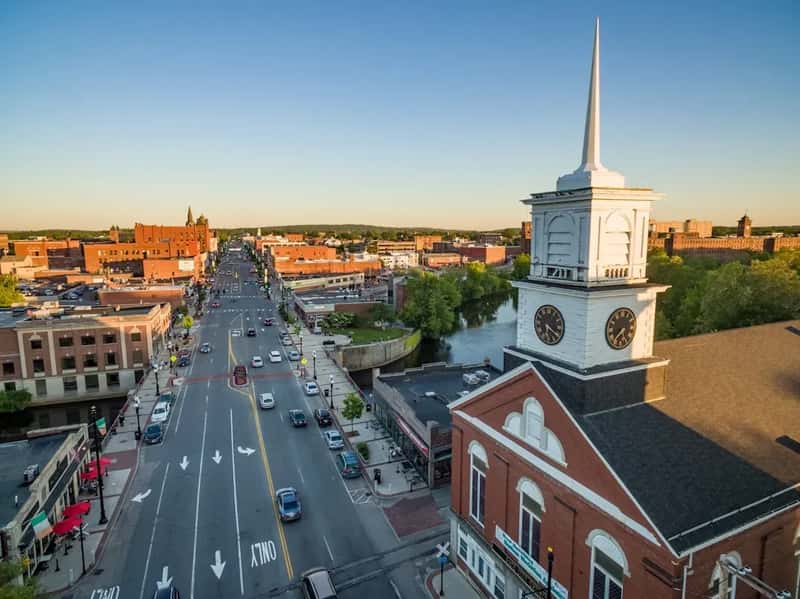
Vermont and New Hampshire rank as the two safest states from climate change, with Vermont standing out as a haven free from wildfires, extreme heat, and hurricanes. The Northeast doesn’t get enough credit in these conversations. These small New England states don’t make flashy headlines, but they’re offering something increasingly rare, relative predictability.
States like Vermont and New Hampshire in the U.S. are considered safe due to low risks of natural disasters, including hurricanes and rising sea levels. Sure, property might cost more than in some places, but when insurance companies are fleeing Florida and California, stable insurance rates suddenly matter more than initial purchase prices. Both states have invested seriously in renewable energy and climate preparedness, showing that policy actually matters when the weather turns unpredictable. Burlington, Vermont is actively marketing itself as a climate haven, trying to leverage its stability to revitalize its economy.
Pennsylvania: The Rust Belt Refuge
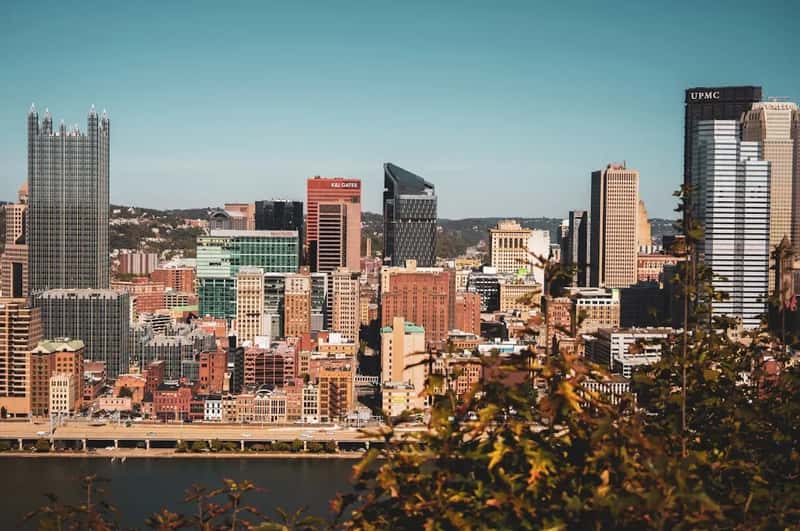
Pittsburgh experiences very low expected losses from natural disasters, with FEMA models estimating only about $23 in annual climate-related loss per resident, far below most cities, and home insurance costs in Pittsburgh are accordingly 61% cheaper than the U.S. average, according to insurify.com. Who saw that coming? Former industrial cities are rebranding themselves as safe havens, and it’s actually working.
Pittsburgh is touted by experts as being safe from hurricanes and unlikely to experience drought, and in 2018, the Pittsburgh City Council approved an ambitious new climate plan to reduce carbon emissions. Philadelphia’s also seeing significant inflows, particularly from people fleeing New York’s high costs. Syracuse is investing a remarkable $1.8 billion annually in climate resilience infrastructure, about 9.7% of its capital budget, with projects including an $8 million flood storage initiative on Onondaga Creek to prevent urban flooding. These cities understand what’s happening and they’re actively preparing for it rather than denying reality.
Why Florida’s Golden Age Is Ending
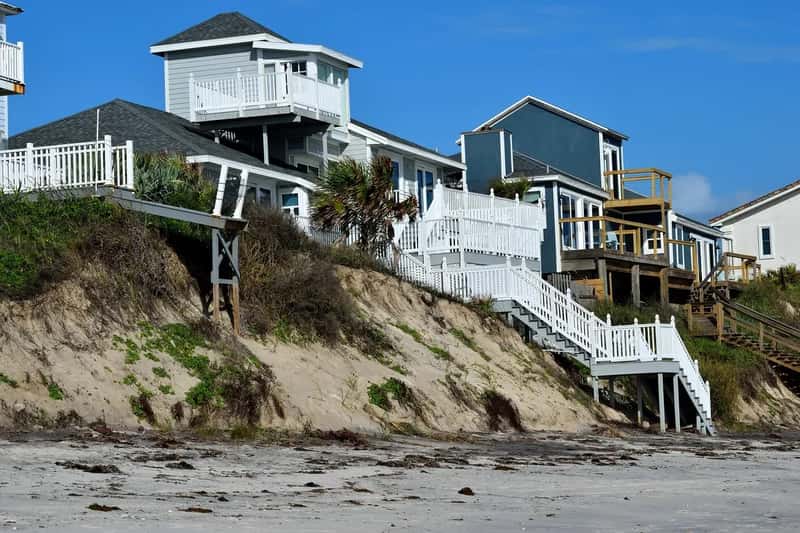
Let’s talk about what’s actually driving people away from Florida. Six hurricanes tore through Florida from 2022 to 2024, four of which were Category 3 or stronger, and losses from these storms drove up the cost of home insurance. It’s not subtle anymore. The ferocious back-to-back hurricanes of 2024, Helene and Milton, may have added to the numbers of Gen Z out-migrants who decide that there are less risky, more lucrative, and opportunity-rich places to live than Florida.
Data from Redfin shows that Florida’s median sale price rose from $298,300 in January 2021 to $412,800 in January 2026. That’s a massive jump paired with soaring insurance costs. Miami and Los Angeles topped the list of major U.S. cities suffering the largest population losses in absolute terms in the fourth quarter of 2025, and Miami recorded the steepest year-over-year percentage drop in population among major metropolitan areas tracked by the bank. Even Miami, the city that seemed invincible, is hemorrhaging residents now. People are waking up to the reality that climate change isn’t some distant threat anymore, it’s reshaping where Americans can reasonably afford to live right now in 2026.
This migration shift represents something bigger than just people chasing better weather or cheaper housing. A Forbes study found that roughly one third of movers were motivated by worsening weather and climate change. We’re watching the early stages of climate driven migration within the United States, and it’s happening faster than most experts predicted. The states benefiting from this shift need to prepare for growth, while places like Florida face tough questions about their long term viability as population centers. Are you rethinking where you live yet?