There’s a particular kind of disappointment that only travel can deliver. You save for months, book the flight, stand in line for an hour, and then look at whatever you came to see and think, that’s it? Every country has its share of postcard landmarks that outshine the real thing, but the United States seems to specialize in the gap between marketing and reality. Below is a rundown of the American attractions that keep landing on traveler surveys, review platforms, and tourism-industry studies as the most likely to leave visitors muttering “overrated” under their breath.
1. Times Square, New York City
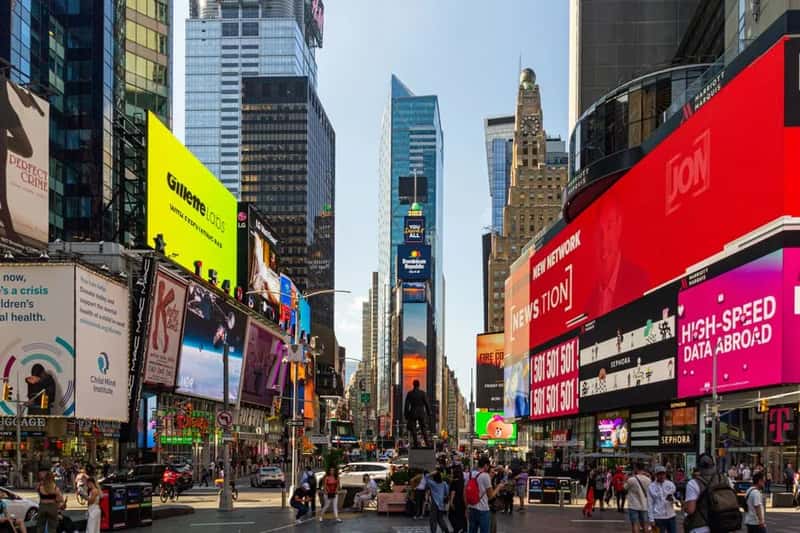
No American attraction gets called out more often than this one. A 2024 survey by the language-learning platform Preply, which combed through visitor reviews of 81 iconic global locations, found that Times Square performed worse than all of them, earning it the designation of “most overrated tourist trap” in the world[1]. That’s a striking result for a place often referred to as the most visited tourist attraction in the world[1].
The complaints tend to repeat themselves: too many people, too much noise, and not much to actually do once you’re standing there. The crossroads draws hundreds of thousands daily yet leaves many visitors feeling overwhelmed rather than inspired, with complaints about crime, homelessness, and sanitation reaching levels not seen in over a decade[2]. Add in aggressive vendors, costumed characters demanding tips, and the overwhelming chaos of flashing billboards[2], and it’s easy to see why so many travelers walk away wishing they’d skipped it entirely.
2. Hollywood Walk of Fame, Los Angeles
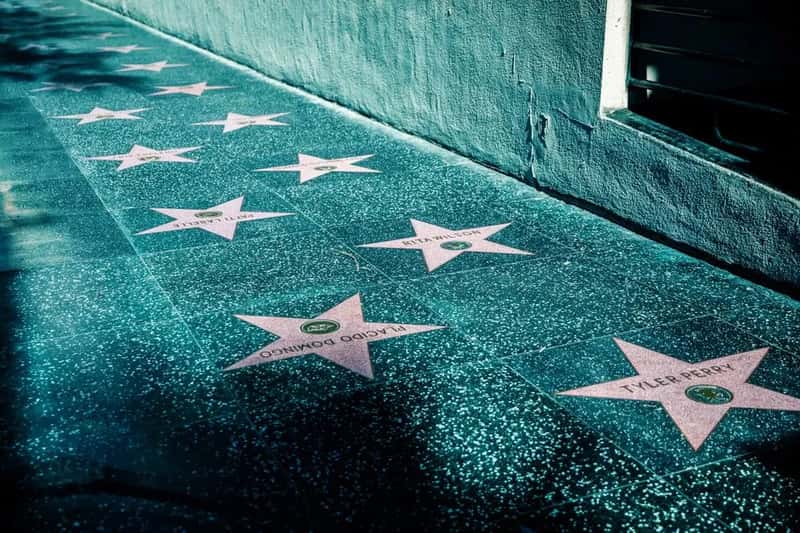
The Walk of Fame sounds glamorous on paper: over two thousand stars honoring a century of entertainment history. In practice, a late 2025 study by the luggage storage company Stasher, which evaluated more than one hundred attractions worldwide, found that the Hollywood Walk of Fame had the lowest rating on Google out of every destination examined[3]. That’s not a small distinction among a hundred contenders.
Visitor complaints cluster around a few recurring themes. Common criticisms include dime-a-dozen souvenir shops, uncleanliness, and crowds[3], and one reviewer summed up the letdown by noting that “the image you have of the Hollywood Walk of Fame is one of stardom and glitz, but the reality is your average city center with expensive gift shops.”[4] There are moments of genuine interest, particularly near the TCL Chinese Theatre, but most visitors report the novelty fading within minutes.
3. Fisherman’s Wharf, San Francisco
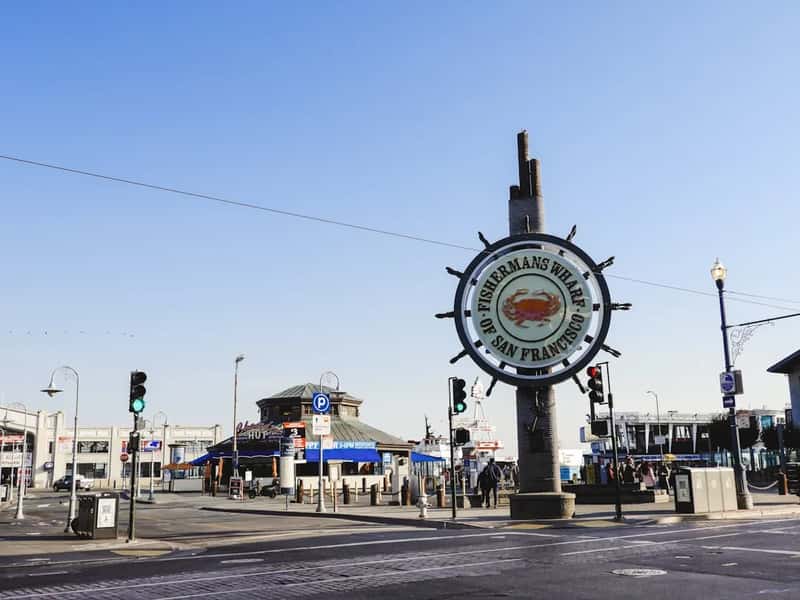
Fisherman’s Wharf still pulls in staggering numbers of visitors, but the reviews tell a different story than the crowd size suggests. A shocking 12 million people pack into it every year, which works out to nearly 33,000 per day on average, frankly enough to ruin almost anything[5]. A 2026 CBS San Francisco report added that travel eSIM provider Nomad eSIM found Fisherman’s Wharf had the most mentions of the term “tourist trap” of any attraction reviewed, for the second year in a row[6].
Locals aren’t shy about their opinions either. One San Francisco native described the area to SF Gate as “overcrowded with tourists, tacky souvenirs and overpriced food that isn’t good”[5]. The sea lions at Pier 39 remain a genuine highlight, but beyond that, most of what draws people in is the memory of what the wharf used to be rather than what it currently is.
4. Mount Rushmore, South Dakota
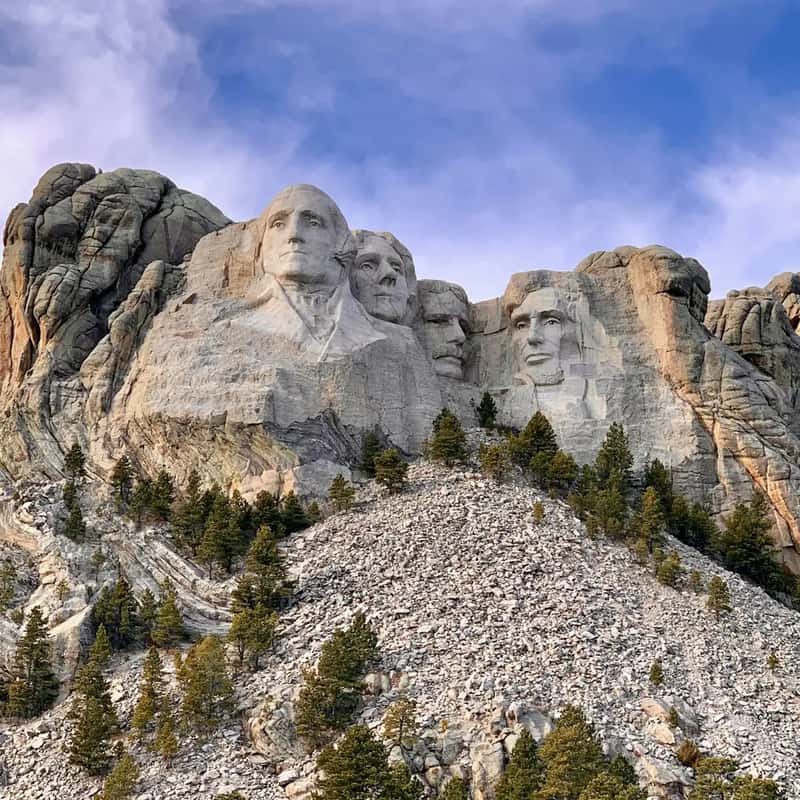
Mount Rushmore has a branding problem: it photographs beautifully, which sets up an experience that can’t quite match the image. One 2026 travel roundup noted that the memorial draws more than two million visitors annually, and many leave feeling underwhelmed, since up close the granite sculpture is smaller than you’d think and takes all of five seconds to absorb[7]. It’s a common enough sentiment that it shows up across nearly every ranking of overrated American landmarks.
The letdown isn’t really about the carving itself, which is an impressive feat of engineering and history. It’s what surrounds it, or rather, what doesn’t. Visitors realize there’s not much else to do besides walk up a bunch of steps on a subpar nature trail, check out some state flags, and pop into an average museum[7]. Many travel writers now recommend pairing the visit with nearby Badlands National Park, which tends to leave a stronger impression than the monument alone.
5. Mall of America, Minnesota

The Mall of America markets itself as a destination rather than a shopping center, and for a while, sheer size made that argument. Once you’re actually inside, though, the magic fades fast. There’s really nothing exciting about it, since it’s a colossal mall with inflated prices, and most stores are nothing more than what you’d find at your local Midwestern mall anyway[8].
There are a few genuine bright spots, including an aquarium and some indoor rides for kids stuck inside during a Minnesota winter. But for most out-of-state visitors, the appeal wears thin quickly. As one travel outlet bluntly put it, “Mall of America sounds grand, but it’s just a collection of shops you’re familiar with from your hometown cobbled together with a few children’s rides and an aquarium that’s meh, to say the least.”[7] Unless a blizzard has trapped you indoors, it’s hard to argue the trip across town, let alone across state lines, is worth it.
6. Space Needle, Seattle
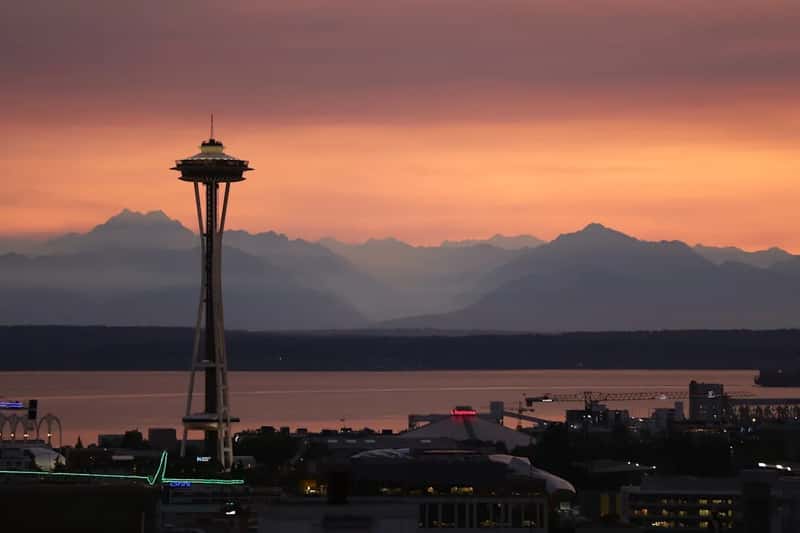
Seattle’s most photographed landmark asks a lot for a fairly brief experience. Seattle’s Space Needle is an architectural icon, but the admission fee often surprises visitors who expect more than just a few minutes on an observation deck[9]. The structure itself, built for the 1962 World’s Fair, is genuinely striking from the outside. The problem is what happens once you’ve paid to go up.
Multiple travel guides point out that the view from the top, while pleasant, isn’t dramatically different from what’s available for free elsewhere in the city. Admiring it from Kerry Park or Gas Works Park is free and genuinely spectacular[9], which raises an obvious question about whether the ticket price and the wait in line are worth it. For travelers on a budget, skipping the elevator and photographing the tower from the ground may be the smarter move.
7. Bourbon Street, New Orleans
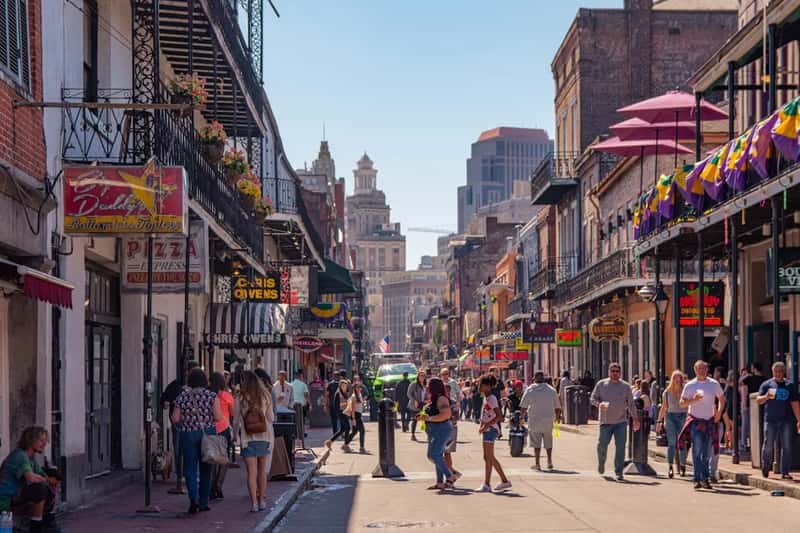
Bourbon Street delivers exactly what its reputation promises: loud bars, spilled drinks, and a party atmosphere that runs around the clock. The trouble is that this reputation has almost nothing to do with the culture that made New Orleans famous in the first place. Bourbon Street delivers exactly what it promises, loud bars, spilled drinks, and questionable decision-making, yet the French Quarter has so much more depth and authenticity on quieter streets just blocks away[10].
For visitors hoping for a taste of authentic New Orleans music, food, or history, Bourbon Street tends to disappoint. Several travel guides now steer visitors toward alternatives instead. Instead of Bourbon, consider Frenchmen Street, often referred to as “locals’ Bourbon Street,” which is more representative of New Orleans’ culture[11]. It’s a short walk away, and the difference in atmosphere is noticeable almost immediately.
8. Empire State Building, New York City
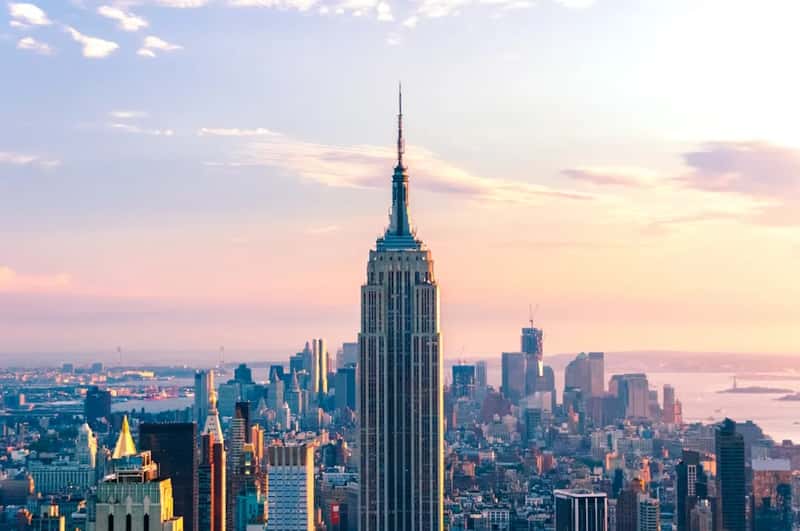
For decades, the Empire State Building’s observation deck was the place to see New York from above. That status has slipped considerably as newer, taller buildings entered the skyline. Now, in 2025, the Empire State Building ranks as the 7th-tallest building in New York, while its open-air deck with mounted metal binoculars looks quaint next to the glass-fronted observatories offered by newer competitors[12].
The ticket price has also become a sticking point for visitors comparing options. Complaints tend to focus on the combination of cost and the sense that the experience hasn’t kept pace with newer attractions nearby. As one analysis noted, complaints about limited viewing angles and the high entry fees have contributed to its reputation as one of America’s most disappointing attractions[12]. It’s still an undeniable piece of American architectural history, but as a pure observation experience, it now has real competition.
9. Four Corners Monument
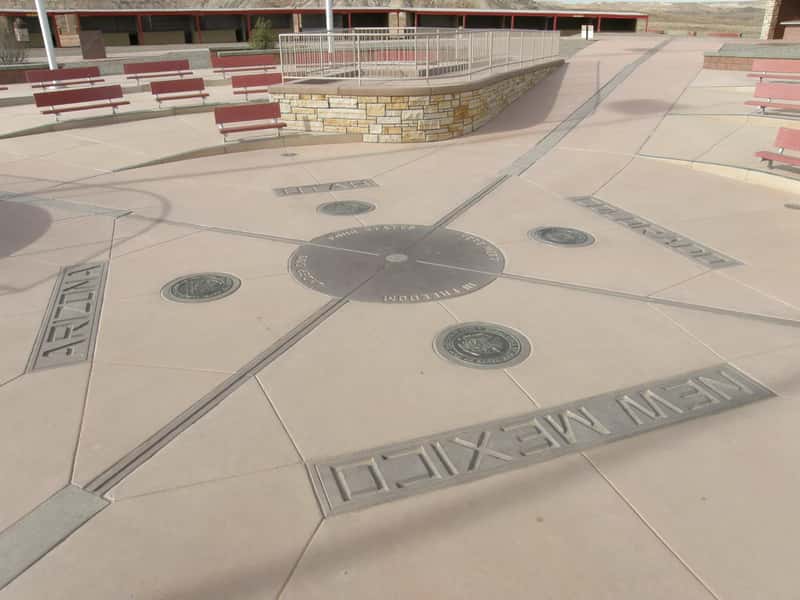
Few American attractions require quite as much effort for quite as little payoff as the Four Corners Monument, the spot where Arizona, Utah, Colorado, and New Mexico supposedly meet. It’s in a very remote area, and they charge 8 dollars per person, which felt too much for what you get[12], according to one recent traveler account. The site itself is a modest concrete marker, nothing more.
What makes the disappointment sting more is the location. There are no other attractions nearby, a lack of facilities at the location, and almost no cell phone or internet service[12]. Visitors often drive hours out of their way expecting a landmark moment, only to end up with, as one reviewer put it, a photo next to a slab that isn’t even precisely positioned at the actual four-state intersection.
10. Liberty Bell, Philadelphia
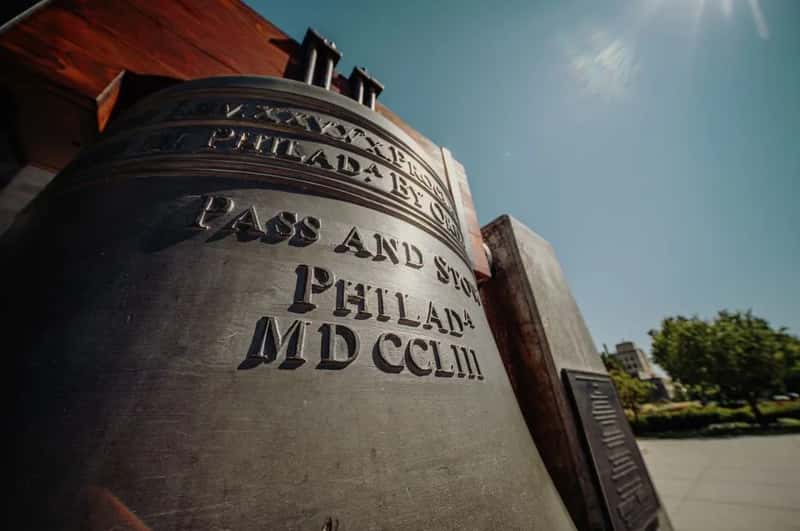
The Liberty Bell carries enormous symbolic weight in American history, which makes the actual viewing experience something of a letdown for many visitors. What often surprises visitors is its size, since the bell is smaller than many expect, and it now rests behind protective glass[13]. Millions still line up every year to see it, drawn by its role in the story of American independence.
The letdown isn’t really about the bell’s importance but about the mismatch between expectation and scale. The small cracked bell often leaves visitors letting out a quiet sigh, and while its history is interesting, the viewing experience feels rushed and cramped, with many walking out feeling like they waited longer than they actually learned[14]. Nearby Independence Hall, paired on the same visit, tends to leave a deeper impression than the bell itself.
Final thoughts
None of these places are total wastes of time, and plenty of travelers still walk away satisfied, especially those who go in with modest expectations rather than ones shaped by decades of postcards and movie cameos. What most of these attractions share is a mismatch between their cultural weight and the actual minutes spent standing in front of them. The smarter approach, according to nearly every travel writer covering this topic, is to treat these spots as quick stops rather than the centerpiece of a trip, and to leave room in the itinerary for the quieter, less-hyped places nearby that tend to deliver the experience these famous names promised in the first place.