
Health care doesn’t sort neatly into old and new. The World Health Organization says the vast majority of its member states report that somewhere between four and nine in ten of their people use traditional medicine.[1] At the same time, hospitals in other parts of the world are rolling out AI tools, national digital records and drone deliveries.
This gallery looks at both sides. First come ten countries where herbal, manual and spiritual healing systems still sit inside the health system. After that come eight countries known for pushing technology into everyday care. WHO’s Global Traditional Medicine Strategy 2025 to 2034 was adopted by the Seventy-eighth World Health Assembly[2], so the question is no longer whether tradition and technology coexist, only how.
India: Ayush Meets Global Science
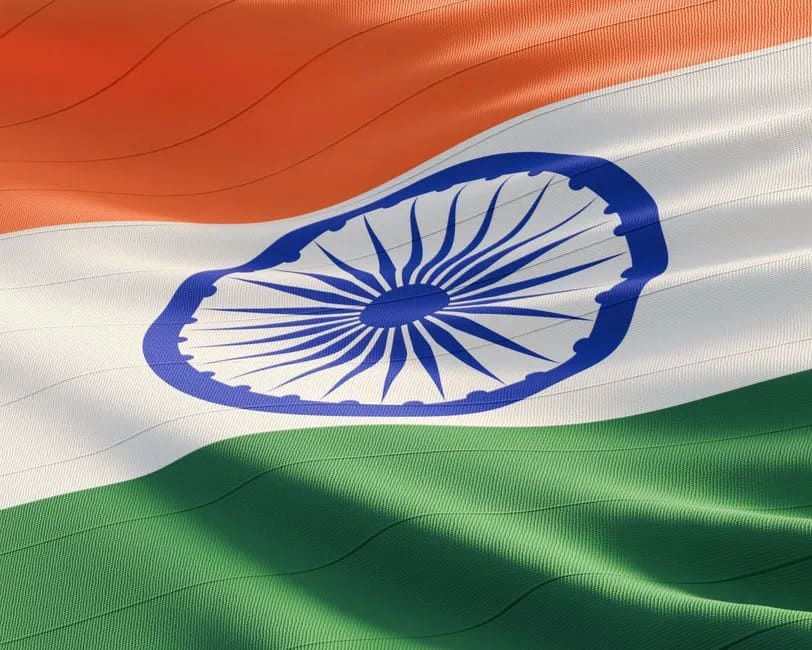
India runs a dedicated Ministry of Ayush covering Ayurveda, Yoga, Unani, Siddha and Homoeopathy. The WHO Global Traditional Medicine Centre in Jamnagar is described as the first and only global outposted centre for traditional medicine.[3] In 2024, India committed US$85 million over the decade from 2022 to 2032 to support the centre’s programming.[4]
Integration is being tested inside ordinary hospitals, too. One operational study looked at combining Ayurveda with modern medicine for knee osteoarthritis at Safdarjung Hospital in New Delhi.[5] The second WHO summit on traditional medicine, held in New Delhi in 2025, ended with the Delhi Declaration.[6]
China: Chinese Medicine With an AI Upgrade

Traditional Chinese medicine has long run alongside Western medicine in Chinese hospitals, and the pairing is getting more formal. In early 2025, an alliance of 62 flagship hospitals offering combined Chinese and Western treatment was established.[7] Hong Kong added to this when its first public Chinese medicine hospital began operating on 11 December 2025.[8]
Technology is now part of the picture as well. Shenzhen Traditional Chinese Medicine Hospital completed a local deployment of the DeepSeek AI model in March 2025.[9] A national plan unveiled in late 2025 also names the advancement of traditional Chinese medicine as one focus of AI in health care.[10]
Japan: Kampo Inside the Clinic

Kampo is Japan’s adaptation of traditional Chinese herbal medicine, and it works differently from most traditional systems. Ordinary physicians prescribe it, not a separate class of practitioners. Many standardized Kampo formulas are covered by national health insurance, which makes them a routine option rather than an alternative path.
Patients tend to meet Kampo for everyday complaints such as digestive trouble, colds and menopausal symptoms. Japanese medical schools teach it as part of their curriculum. That mix of manufacturing standards, insurance coverage and physician training explains why it has lasted.
South Korea: A Dual System by Design

South Korea formally licenses two kinds of doctors, those trained in Western medicine and those trained in Korean medicine, known locally as hanbang. Korean medicine doctors complete a dedicated university program and sit national licensing exams. Acupuncture, herbal decoctions and moxibustion are offered in their own clinics and hospitals.
The split is built into the law, which makes the country unusual among advanced economies. Some Korean medicine services are covered under the national insurance scheme. Debates between the two professions over scope of practice continue, so the arrangement is not entirely smooth.
Thailand: Herbs, Massage and Heritage Status

Thailand keeps traditional practice visible in public life. Thai massage was added to UNESCO’s list of intangible cultural heritage in 2019, and it remains a core part of the country’s wellness identity. The Ministry of Public Health has a department dedicated to Thai traditional and alternative medicine.
Herbal products are also recognized in the national essential medicines framework, so some plant based remedies can be prescribed in public hospitals. Practitioners are trained and registered, not left to informal channels. The result is a system where a massage therapist and a physician can work in the same public setting.
Indonesia: The Daily Ritual of Jamu
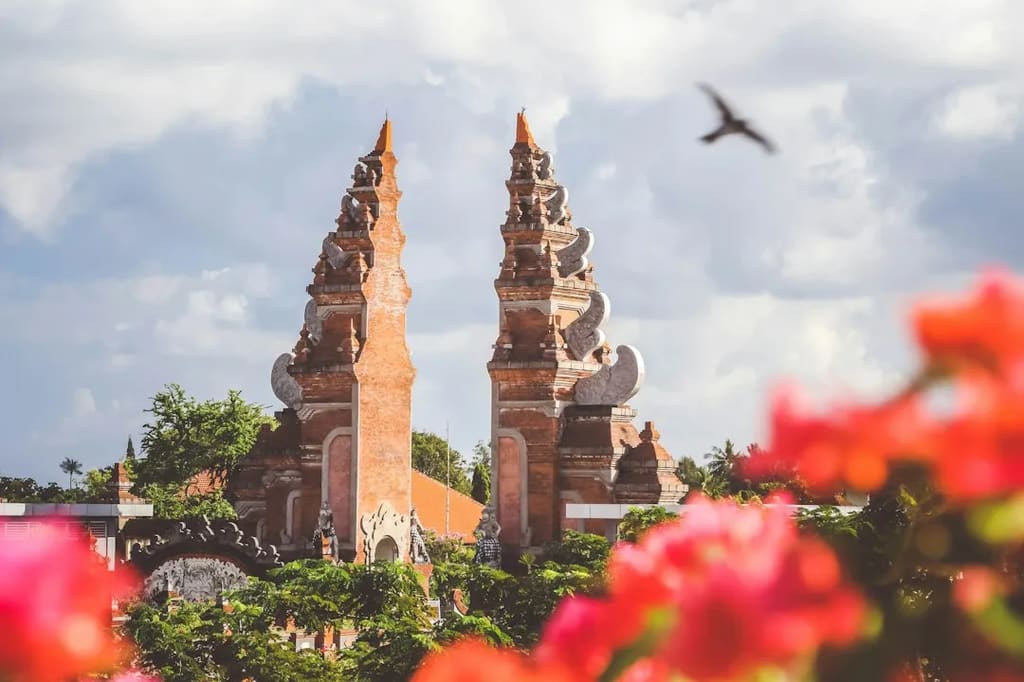
Jamu is Indonesia’s herbal tonic tradition, built around turmeric, ginger, tamarind and other plants. It is sold by street vendors, in small shops and by large manufacturers. UNESCO inscribed jamu wellness culture on its intangible heritage list in 2023, which gave the practice international recognition.
Indonesian health law also recognizes traditional health services as part of the wider system. Regulators have to balance cultural value against product safety, since herbal blends vary in quality. That tension between heritage and quality control is a theme across many countries in this list.
Vietnam: Eastern Medicine Alongside Hospitals
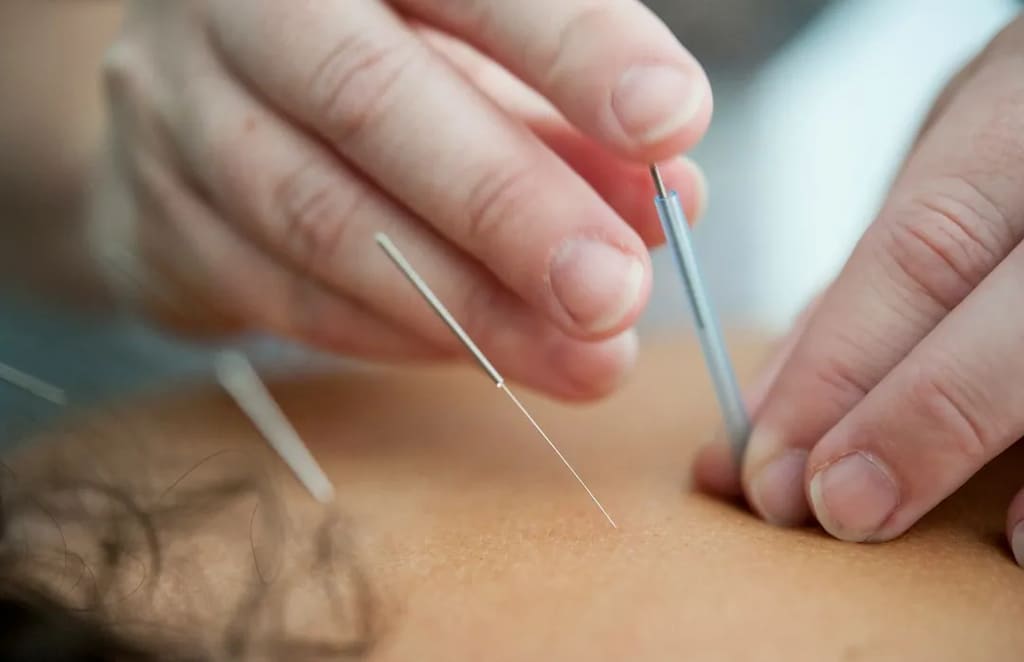
Vietnam keeps a long line of traditional medicine, often called Eastern medicine, which draws on Chinese influences and local herbal knowledge. The Ministry of Health oversees traditional medicine through a dedicated administration. Many provinces operate their own traditional medicine hospitals, and general hospitals often include traditional departments.
Patients commonly move between acupuncture, herbal remedies and standard treatment during the same illness. Rehabilitation after stroke and musculoskeletal pain are common reasons people seek traditional care. Evidence on specific therapies varies, which is why WHO encourages research alongside practice.
Ghana: Herbal Units in Public Hospitals
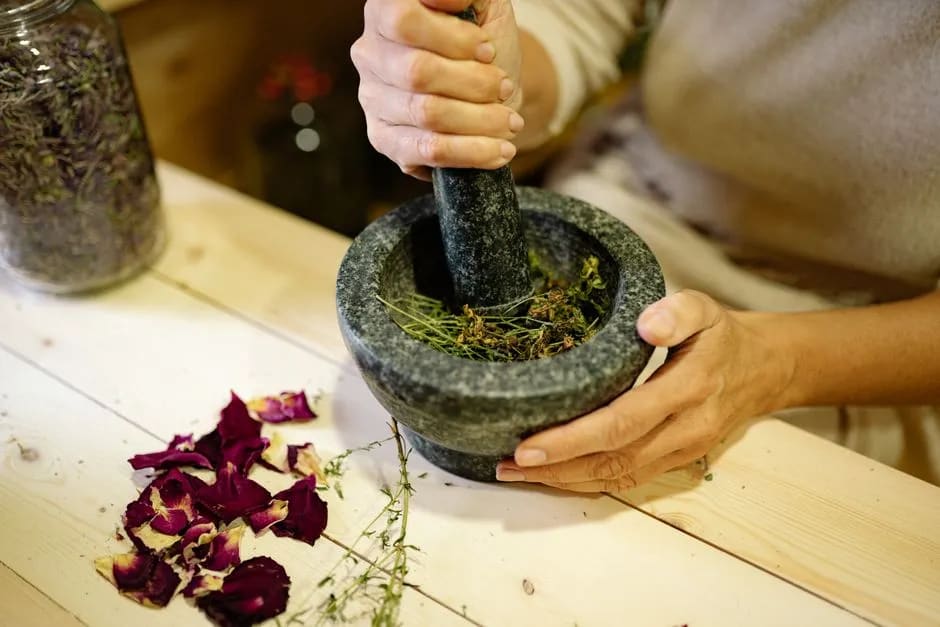
Ghana has gone further than many African countries in formal integration. The Traditional Medicine Practice Act of 2000 mandated a traditional medicine council.[11] Officials recently cited the training of about 600 medical herbalists at KNUST and herbal medicine units in 55 public hospitals.[12]
The government frames this as a matter of access. The Ministry of Health highlighted traditional medicine’s role in reaching rural and underserved communities.[12] Earlier research suggests the path hasn’t been simple, since herbal medicine integration was piloted in 17 hospitals with a few reported successes and challenges.[11]
South Africa: Law for Traditional Healers
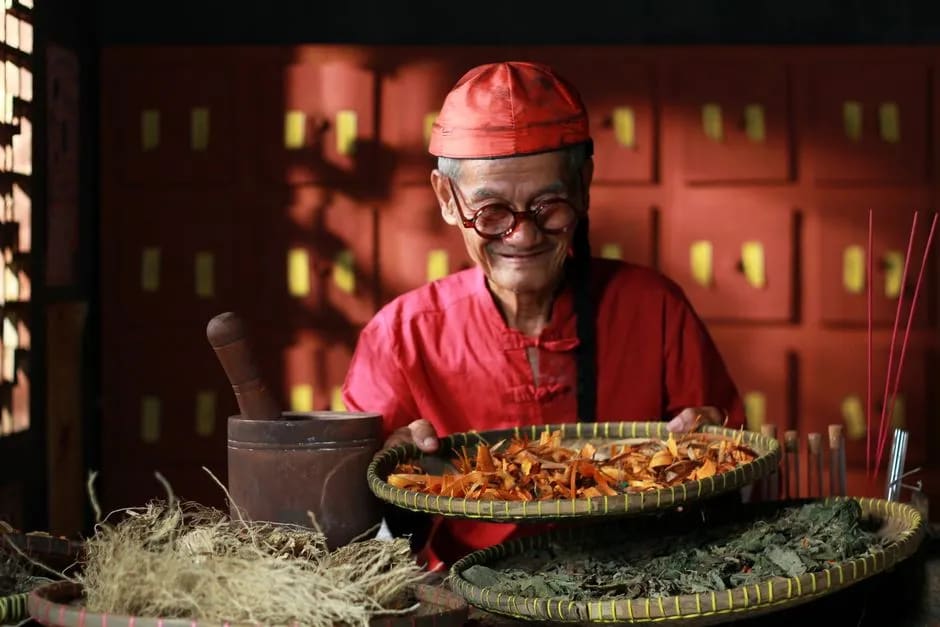
South Africa is home to a large community of traditional health practitioners, including herbalists known as inyanga and diviners called sangoma. The Traditional Health Practitioners Act of 2007 created a statutory council to register and regulate them. That moved the profession from informal status toward formal oversight.
Regulation matters because many South Africans consult both a traditional healer and a clinic. Questions remain about how closely the two sides can coordinate, especially on conditions like HIV and tuberculosis where treatment adherence is crucial. The legal framework at least gives both sides a shared starting point.
Bhutan: Sowa Rigpa in the National System
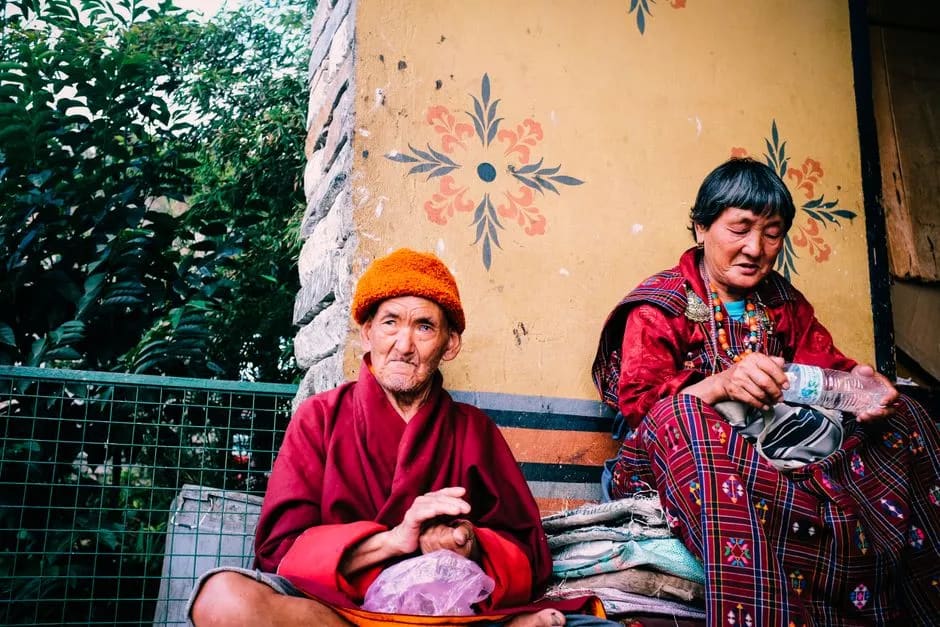
Bhutan treats its traditional medicine as part of public health, not a side offering. Traditional medicine entered the national health system in 1967, and formal training for traditional doctors began in 1971.[13] The Institute of Traditional Medicine Services combines a training institute, a pharmaceutical unit and hospitals.[14]
The integration shows up in patient numbers. An older study found traditional units handled roughly a fifth to just under a third of daily outpatients, with units attached to district hospitals and basic health units.[14] The government’s National Health Policy says it will keep preserving and promoting the system by integrating it into national health care.[15]
United States: AI Devices Reach the Mainstream
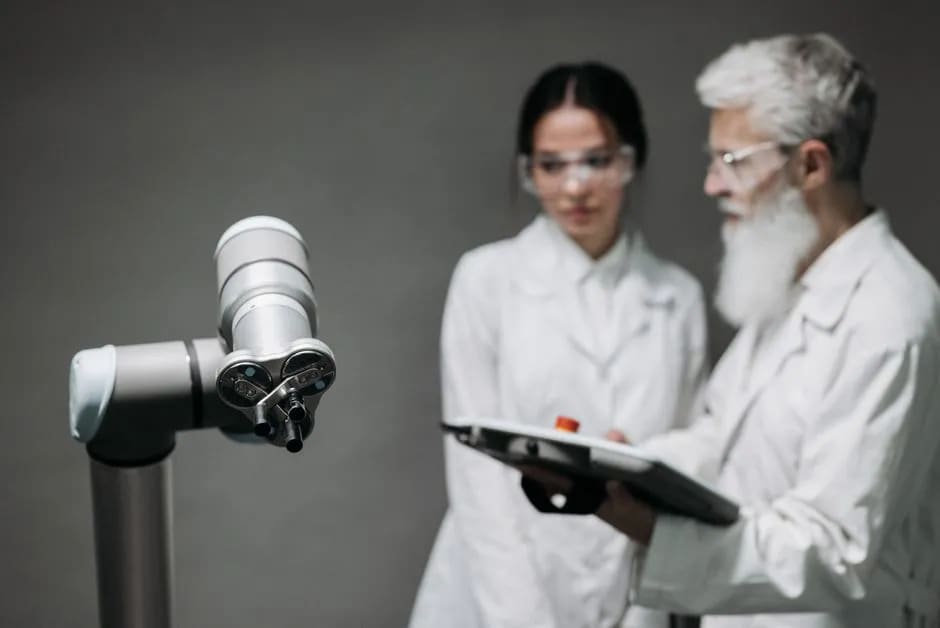
The United States is the biggest market for health technology, and regulators there have been clearing AI products at a steady pace. The Food and Drug Administration keeps a public list of authorized AI enabled medical devices, and that list has passed the one thousand mark. Most of these tools support radiology, where software can flag suspicious findings on scans.
Telehealth, wearables and large academic medical centers add to the picture. Adoption is uneven, though, because the system is fragmented across many insurers and providers. The country leads in innovation volume more than in tidy integration.
Estonia: A Nation of Digital Records

Estonia is small, yet it is often cited as a model for digital public services. Citizens can see their health records through a national patient portal, and doctors share information through a secure data exchange layer. Prescriptions are issued electronically, so paper scripts are rare.
The system works because identity, data exchange and records were designed together over many years. Patients can also see who has accessed their data, which builds trust. Larger countries often struggle to copy this because their systems were built separately.
Singapore: Prevention Meets Data

Singapore pairs a compact geography with strong central planning. Its Healthier SG program, launched in 2023, encourages residents to enroll with a family doctor who focuses on prevention and long run care plans. A national electronic health record helps different providers see the same information.
Government health agencies have also invested in digital tools and analytics for hospitals. The aim is to keep people healthier outside hospital walls, not only treat them inside. For a country with an ageing population, that shift carries real urgency.
Israel: Health Funds and Startups
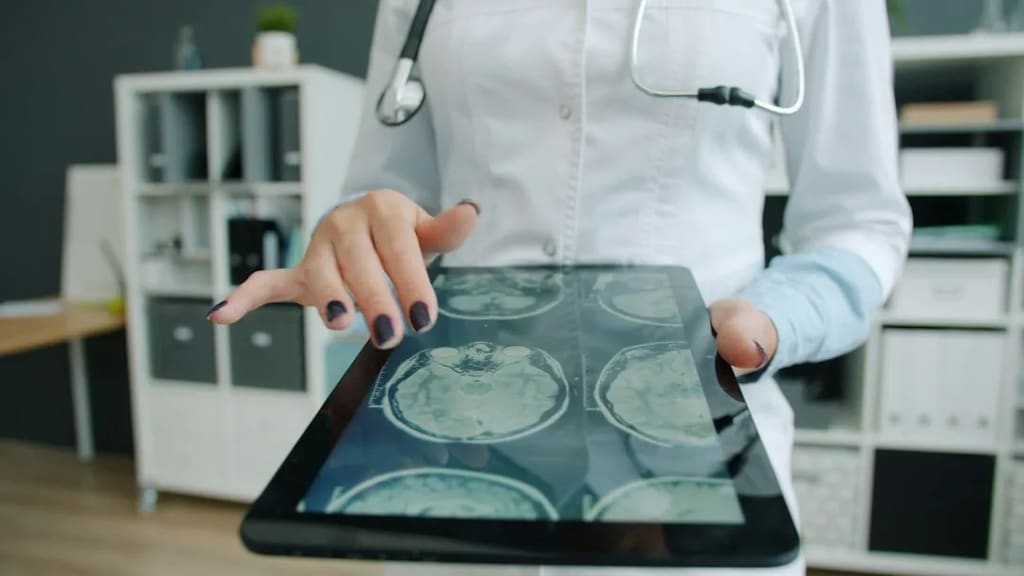
Israel’s health care runs through four national health funds that cover the whole population under a 1995 law. Those funds have used electronic records for decades, which has produced large, well organized datasets. Researchers and companies have used such data to test predictive tools.
Related Stories From Travelbinger


The country also has a dense digital health startup scene, supported by hospitals that partner with technology firms. Sheba Medical Center, for example, runs an innovation program that brings entrepreneurs into clinical settings. The combination of data, hospitals and entrepreneurs helps explain Israel’s reputation.
Denmark: One Portal for Citizens
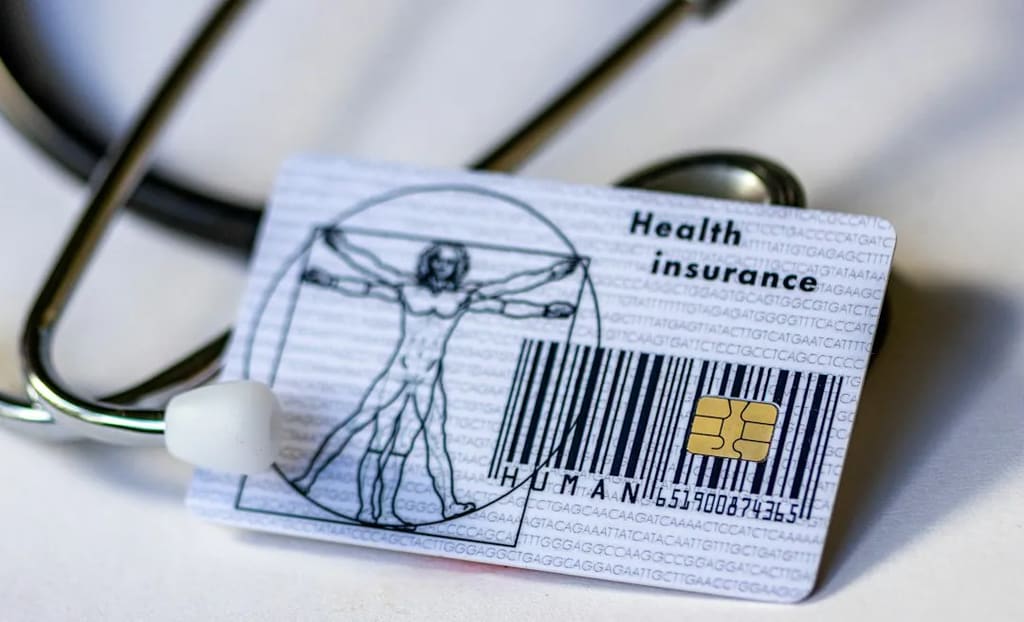
Denmark’s health portal, Sundhed.dk, gives residents a single place to view records, test results and prescriptions. It has been running since 2003, so Danes have had years to grow used to it. Hospitals, general practitioners and pharmacies all feed information into the shared infrastructure.
The design principle is simple access for patients and professionals alike. Citizens can book appointments, renew prescriptions and check their own histories. It is a quieter kind of high tech, built on dependable plumbing, not flashy gadgets.
United Kingdom: The NHS Goes Digital
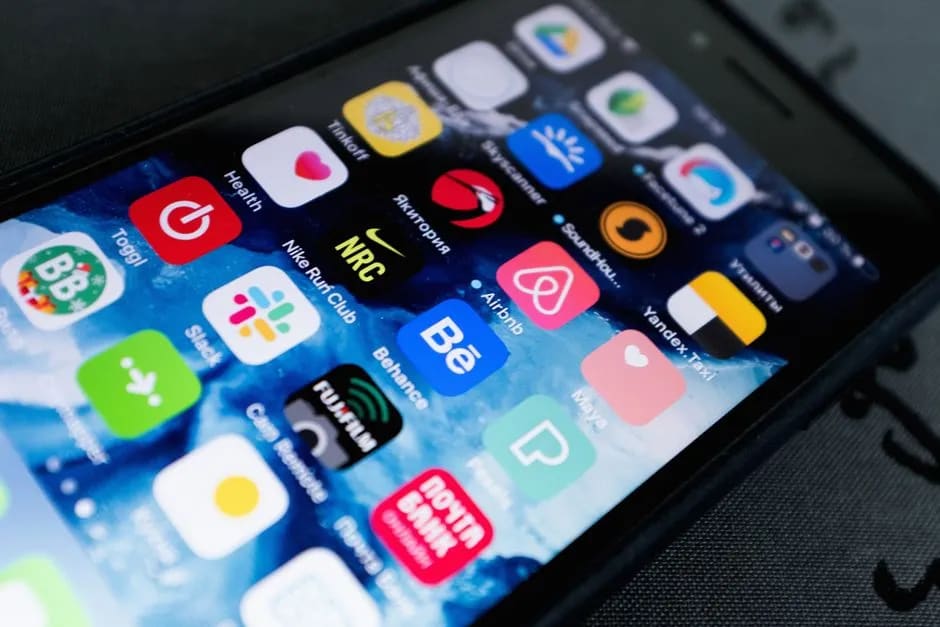
England’s National Health Service published its 10 Year Health Plan in July 2025, and a central theme was moving from analogue to digital. The NHS App sits at the center of that, offering appointments, prescriptions and records on a phone. The plan also leans on genomics and AI to support earlier diagnosis.
The NHS holds a huge, relatively unified population dataset, which is a major advantage for research. Delivery will depend on funding, staffing and whether older IT systems can be replaced. Announcements are easy, and the real test is how quickly patients feel the difference.
United Arab Emirates: Connected Health Exchanges
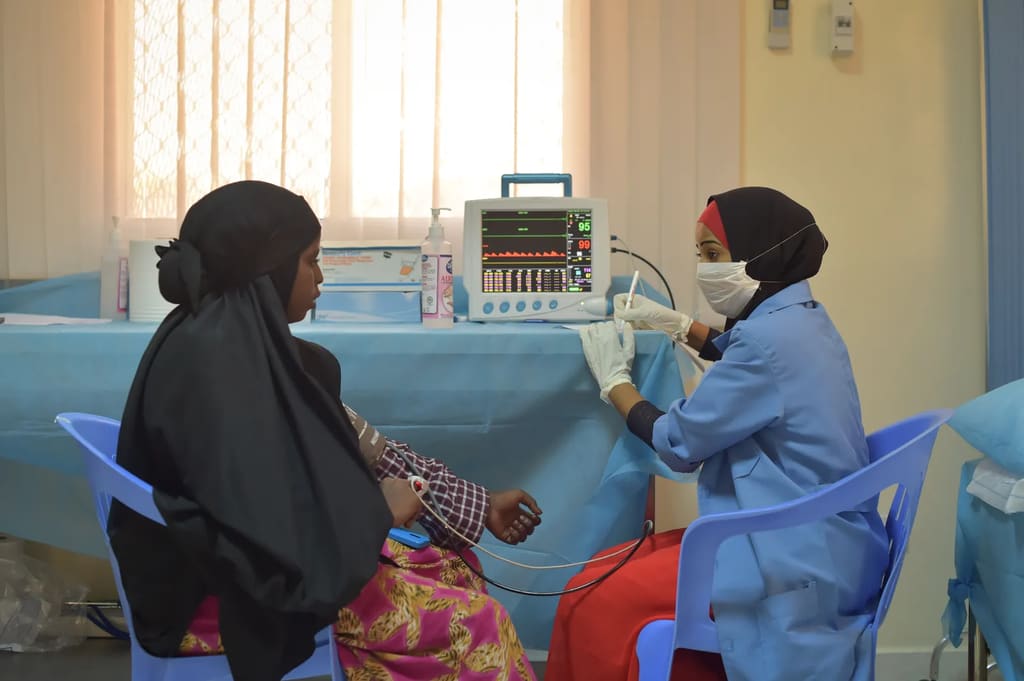
The UAE has invested heavily in connecting providers through shared platforms. Abu Dhabi runs Malaffi, a health information exchange that links hospitals and clinics, while Dubai operates a similar platform called NABIDH. These exchanges let authorized clinicians see a patient’s history across facilities.
The country is also open to pilot programs in AI, telemedicine and robotics. A relatively small population and centralized emirate level planning make rapid rollout easier. Results will matter more than ambition, and published evidence on outcomes is still developing.
Rwanda: Drones Carrying Blood
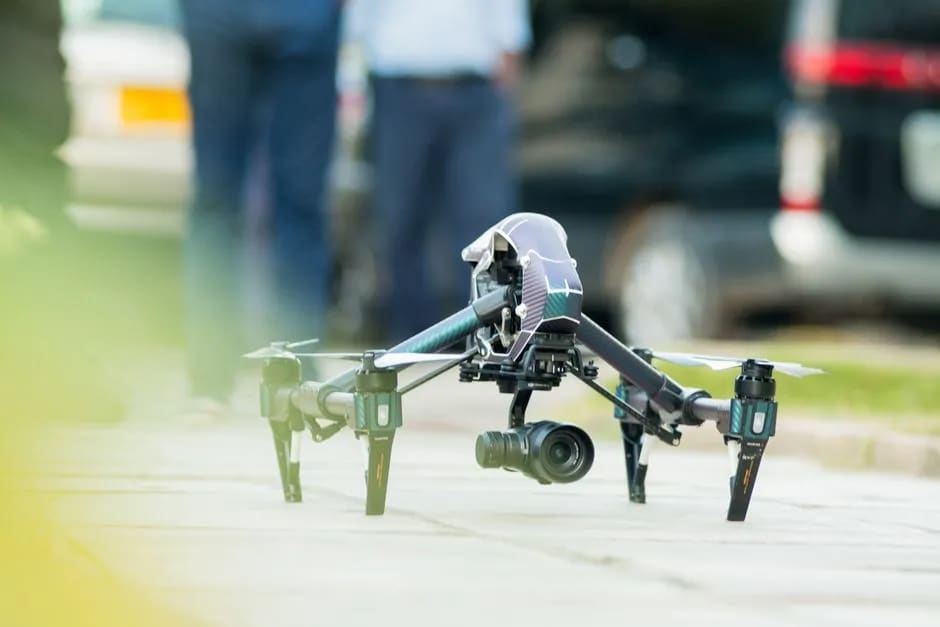
Rwanda is a different kind of high tech story. Since 2016, the company Zipline has used drones to deliver blood products and medical supplies to health facilities, cutting travel time over hilly roads. The program drew attention because it solved a specific logistics problem instead of chasing technology for its own sake.
Rwanda has also invested in community health workers and digital tools to support them. That pairing of simple tools with practical needs has made the country a reference point for other low income settings. The lesson is that leading in health technology doesn’t require the biggest budget.