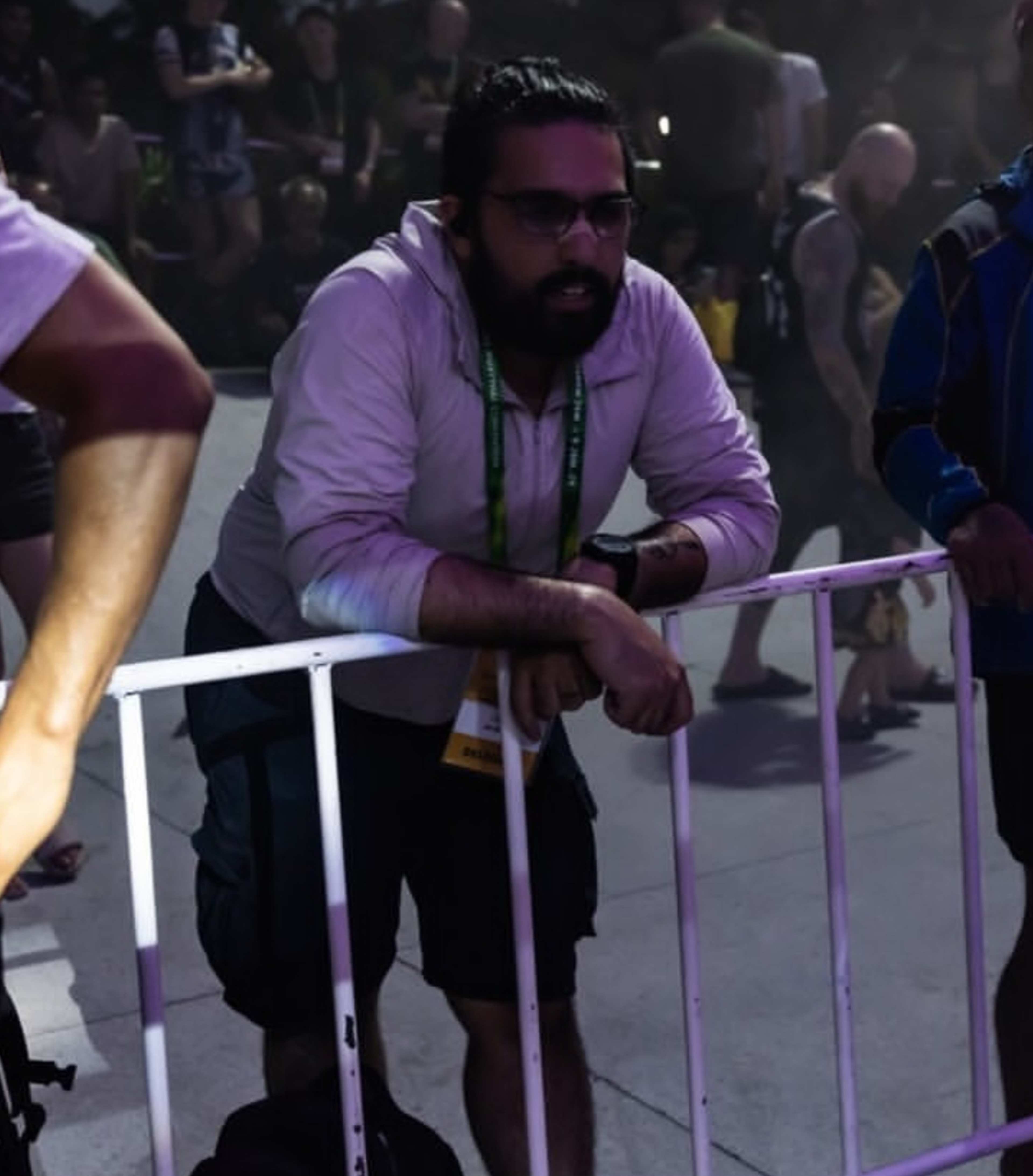

A year after my first trip to Paris with my uncle, I found myself returning to Europe—this time entirely on my own. I traveled to Antwerp for a convention and took what free time I could to explore the city and its nearby parks.
It was my first solo trip abroad, and I had no idea how much it would shape my thinking about travel, history, and independence.

What Is Antwerp, Anyway?
Antwerp is Belgium’s largest city, located near the country’s northern border with the Netherlands. It’s a port town, and an ancient one at that, with a history stretching back to the Middle Ages. Over the centuries, the city has played host to artists like Peter Paul Rubens, functioned as a global financial hub during the 16th century, and served as a key strategic city during both World Wars.
It’s a staggeringly old place, and you feel that age when walking through its streets and parks. Unlike cities such as Paris or Brussels, Antwerp lacks a single defining landmark that immediately sets it apart. Because of that, it’s easy to overlook unless you’re already inclined toward history, or willing to slow down and notice it.

My Sojourn Through the City
During a lull in the convention schedule, I slipped away to explore a nearby park: Stadspark, located near central Antwerp. At the time, I was still young and largely ignorant of European history, so I had no idea I would stumble across monuments dedicated to the civilians and soldiers of World War I.
Stadspark, I later learned, was built in the 19th century atop old fortifications. Today, locals walk through it with their pets and families, picnic on the grass, and pass their afternoons in quiet routine. Experiencing the park this way felt peaceful, made all the more somber by the war memorials gazing down at visitors with what felt like a gentle, almost paternal presence.
Considering the suffering those monuments represent, it feels less like a contradiction and more like an obligation to enjoy the calm they now overlook.

Tasting History
As I continued through the park, I came upon a small café tucked among the trees. It was simple and welcoming, with smooth coffee and a lovely view. Sitting there, taking everything in, I remember a thought that still returns to me even now: the world, and the history of the places within it, is just so vast.
As an American, it’s almost impossible not to know places like Omaha Beach or Pearl Harbor when learning about the World Wars. Yet Antwerp, despite its critical role as a logistical hub for the Allied push into Germany, barely registered in my world history classes. I had no idea that control of the city had been fiercely contested in both wars, or that its people were forced to endure occupation, destruction, and loss twice within a single generation.
And yet, there it was, defiantly serving excellent coffee and rich Belgian chocolate, as though daring history to have the last word. Sitting in that café, I resolved to travel as much as I could, and to absorb as much of the world’s story as I was able to find.

Finding My Way Home
I wish I could say my journey home was as smooth as my time exploring Antwerp. Once the convention ended, I had a surprisingly difficult time navigating my way to the airport. I needed to travel through Brussels to connect onward through London Heathrow and back to the United States, but I was completely lost when it came to the train system.
Thankfully, a kind stranger noticed my confusion and offered to escort me himself. Communicating took some effort, since he spoke only French and a bit of Spanish, which was the only language we shared, but it was enough. A short trip later, I was on my plane home, deeply grateful for the help of someone who had no obligation to assist me at all.

A City That Stays With You
Antwerp is a quietly beautiful place. Sitting in another café now, writing about it, I find myself hoping to return someday and see how it has changed, or perhaps how it hasn’t. If you have any interest in peaceful walks through leafy parks and excellent Belgian chocolate, I can’t recommend it enough. With a bit of luck, you may find yourself feeling the city’s history the same way I did.