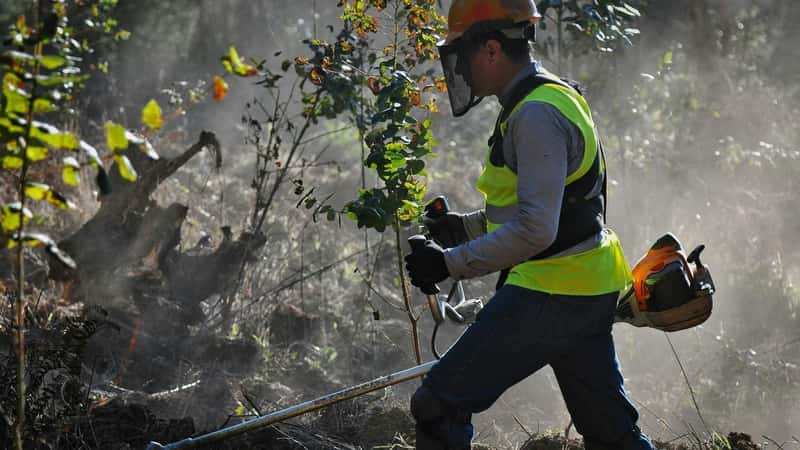
LISTEN: The value of working forests – Image for illustrative purposes only (Image credits: Unsplash)
Many travelers assume that commercial timber operations leave behind barren landscapes hostile to wildlife. In reality, managed timberlands across the United States play a growing role in supporting biodiversity at a time when public expectations for sustainability continue to rise. Industry shifts toward more deliberate forest practices have positioned these working forests as active contributors to conservation rather than obstacles to it.
Challenging Long-Held Assumptions About Timber Harvesting
Public perception often frames timber harvesting as inherently damaging to animal communities. Yet evidence from forestry research shows that carefully managed operations can maintain or even enhance habitat diversity over time. The key lies in how harvesting cycles are planned and executed rather than in the act of cutting trees itself. Stakeholders in the forest sector now face pressure to demonstrate measurable environmental outcomes alongside timber production. This has led to greater integration of wildlife considerations into operational decisions. Travelers who venture into national forests or adjacent private lands may encounter these managed areas without realizing the deliberate balance at work.
How Managed Timberlands Support Biodiversity
Commercial timber forests in the United States are increasingly designed to coexist with wildlife needs. Rotational harvesting creates a mosaic of forest ages and structures that different species rely on at various life stages. Early successional habitats that follow harvest benefit certain birds and mammals, while retained older stands provide cover and nesting sites for others. This approach has gained importance as global demand for sustainable wood products grows. Organizations involved in forestry research emphasize that working forests can deliver both economic value and ecological function when practices account for local wildlife communities. The result is a landscape that remains productive for timber while continuing to support broader biodiversity goals.
Practical Implications for Conservation and Recreation
For hikers, campers, and other outdoor enthusiasts, the presence of managed timberlands expands the available acreage for wildlife viewing and nature experiences. These areas often border or connect with public lands, creating larger contiguous habitats than strictly protected zones alone could provide. The practical consequence is more resilient wildlife populations across broader regions. Industry professionals note that ongoing organizational changes in forestry are accelerating the adoption of science-based management. This timeline matters because it aligns timber production with rising sustainability standards that directly affect how forests function for both wildlife and visitors. Affected stakeholders include landowners, recreation users, and conservation groups who all benefit when these systems work in tandem.
- Rotational harvesting creates varied habitats that support multiple species.
- Managed timberlands contribute to overall biodiversity alongside economic output.
- Integration of research helps align timber practices with conservation priorities.
Looking Ahead for US Forests
The evolving relationship between timber management and wildlife conservation reflects broader shifts in how natural resources are valued. As expectations for sustainability increase, working forests are positioned to remain central to both production and protection efforts. Travelers exploring America’s outdoors will continue to encounter these landscapes as part of the larger story of balanced land use.