Safety rarely shows up on a postcard, but it shapes almost every trip. It decides which neighborhoods you walk through at night, whether you rent a car, and how relaxed you feel when you hand over your passport. Rankings can’t capture all of that, though the better ones give a solid starting point.
This article leans mainly on the 2026 Global Peace Index from the Institute for Economics and Peace, with U.S. State Department advisories as a second check. The index ranks 163 countries using indicators such as societal safety, conflict levels and militarisation.[1] Five countries that score well come first, followed by four places where caution is warranted.
Iceland, the Long Running Leader
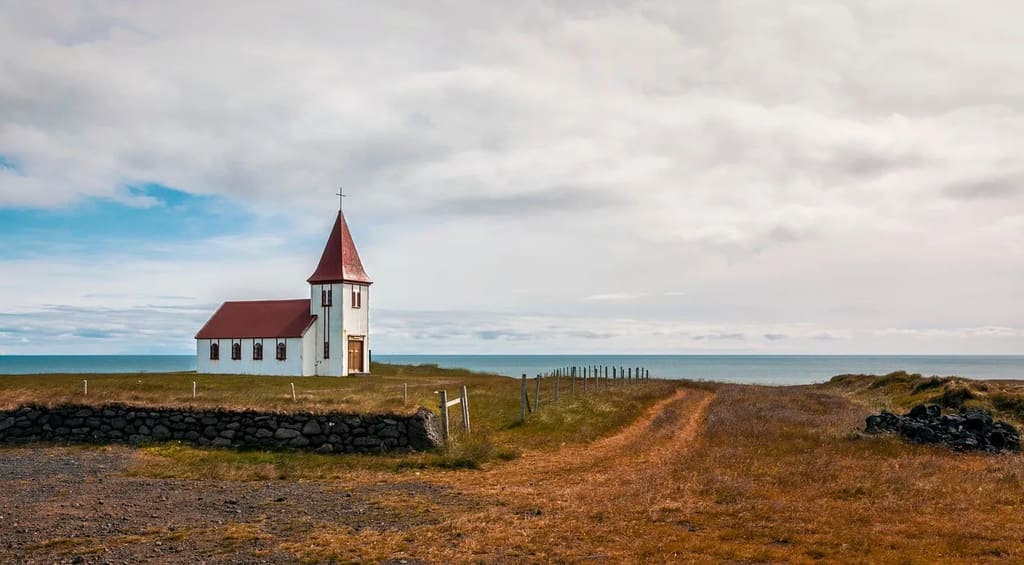
Iceland remains the most peaceful country in the world for the nineteenth consecutive year.[2] Its 2026 score of 1.161 is well ahead of the rest of the field.[3] A lower score means a more peaceful country, so that gap is meaningful for anyone comparing destinations.
The latest report shows Iceland still improving. Its peacefulness rose by about two percent over the past year.[4] Its Safety and Security domain improved by roughly four percent, helped by a drop of more than forty percent in violent demonstrations.[4] For visitors, that points to a calm, predictable country, with weather as the main thing to plan for.
New Zealand, Far Away and Steady

New Zealand takes second place in the 2026 index with a score of 1.343.[3] It moved up one place from the previous edition.[5] It is also the only country from Oceania in the top ten.
Its remoteness is part of the appeal, but the ranking reflects more than distance. The index weighs everyday safety, involvement in conflict and military buildup, and New Zealand scores well across those areas. Travelers can expect a low risk of political turmoil, which leaves outdoor hazards like weather and rough terrain as the practical concerns.
Switzerland, Safe and Well Organized
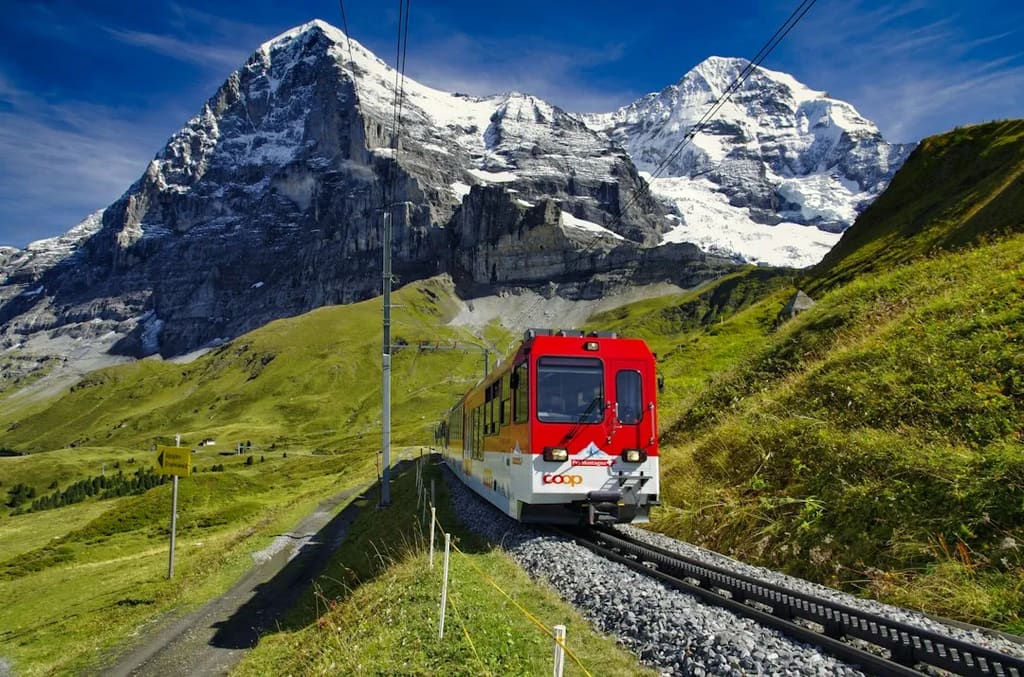
Switzerland sits third in the 2026 Global Peace Index with a score of 1.363.[3] That is a slip of one place from the year before.[5] A single place is a small move when the scores at the top are so close together.
For tourists, a high placement usually means stability you can feel in practice. Trains run on schedule, cities are orderly and the risk of unrest is low. The main concern is cost, since Switzerland is expensive, and a modest wallet is a bigger risk than any security problem.
Slovenia, the Quiet Climber
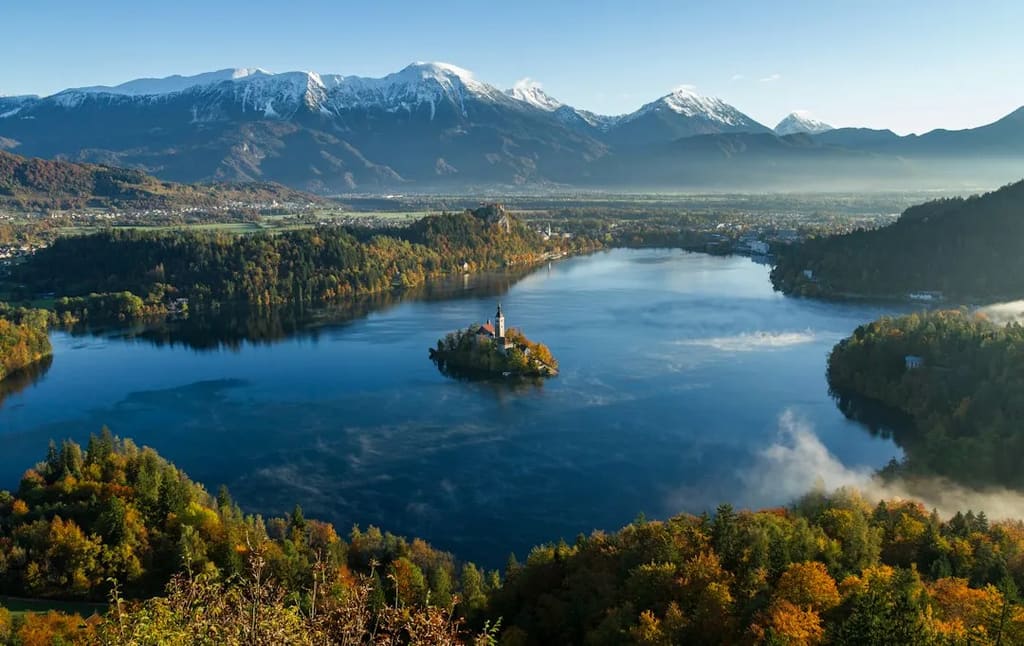
Slovenia is the least talked about name in the top five. It ranks fourth with a score of 1.369.[3] That is a rise of two places from the previous edition.[5]
That makes it a useful pick for travelers who want safety without the crowds of better known European destinations. Its score sits close to Switzerland’s and Ireland’s, so it competes with the best in the index. In a year when the wider picture worsened, a country that improves its position stands out.
Japan, a Big Jump Into the Top Ten
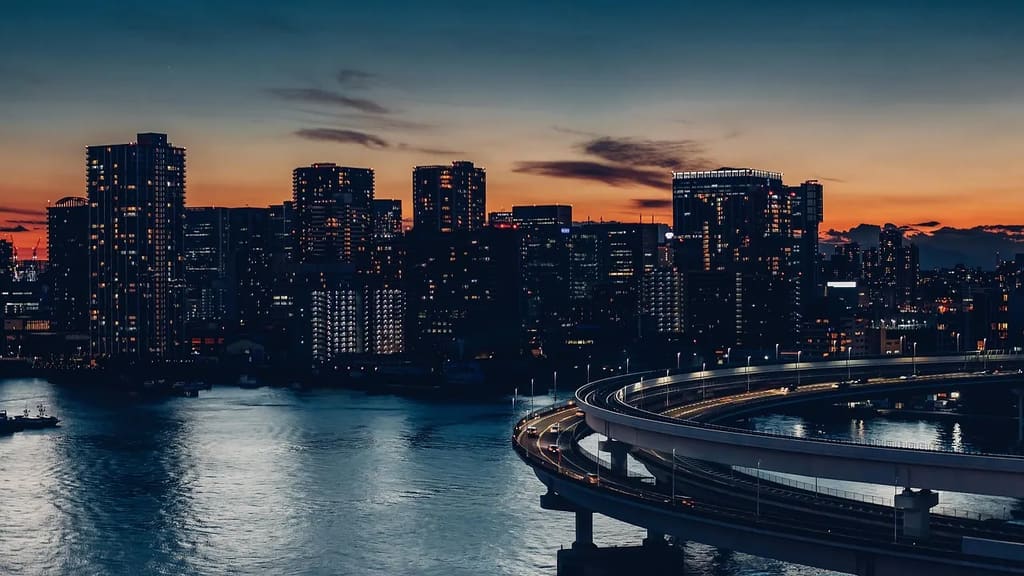
Japan is the biggest and busiest destination on this list. It scored 1.489 in 2026.[3] That puts it tenth, up three places from the previous edition.[5]
It’s reassuring that a country with enormous tourist traffic still scores this well. The result suggests that high visitor numbers and low violence can coexist, which isn’t always true of major destinations. The index measures national peacefulness rather than petty crime, so standard habits such as watching your bag in crowded stations still apply.
The picture looks different elsewhere. Global peacefulness fell by about seven tenths of a percent over the past year, the twelfth year in a row that it has declined.[2] That’s one reason the second half of this list matters. Four countries stand out for caution, and the advisory levels cited here come from the U.S. State Department. Those levels reflect threats to U.S. citizens specifically and are not a general judgment about a country as a whole.[6]
Related Stories From Travelbinger



Russia comes first. It ranks 163rd out of 163 in the 2026 Global Peace Index, the same position as in 2025.[5] It also appears on the U.S. Level 4 Do Not Travel list.[7]
Sudan is next. It ranks 162nd globally, making it the second least peaceful country in the index.[2] It is also among the destinations on the Level 4 list for 2026.[8]