
Car ownership says a lot about how a country is built. In some places, a driver’s license is nearly a requirement for adult life. In others, the car sits in a garage most weekdays, or never gets bought at all.
The gap shows up in the numbers too. Here’s a look at seven countries where daily life works well without a car, followed by three where the car is the default.
The Netherlands
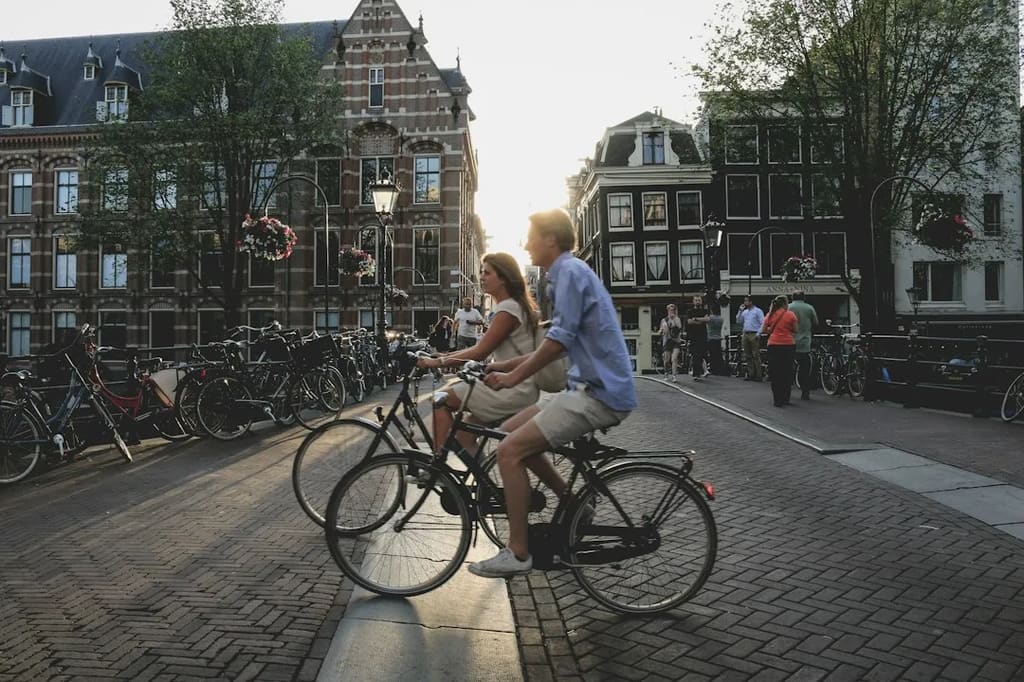
The Dutch built their daily routines around the bicycle. Cycling has a modal share of 27% of all trips nationwide[1], so roughly a quarter of everything people do, from school runs to errands, happens on two wheels. There are an estimated 22.8 million bicycles in the Netherlands, more than the entire population.[2]
In cities the share climbs higher. Amsterdam records a cycling share of 38%, while Zwolle reaches 46%.[2] Dedicated cycle paths, bike parking at stations and short distances between homes and shops all make the habit easy to keep.
Switzerland
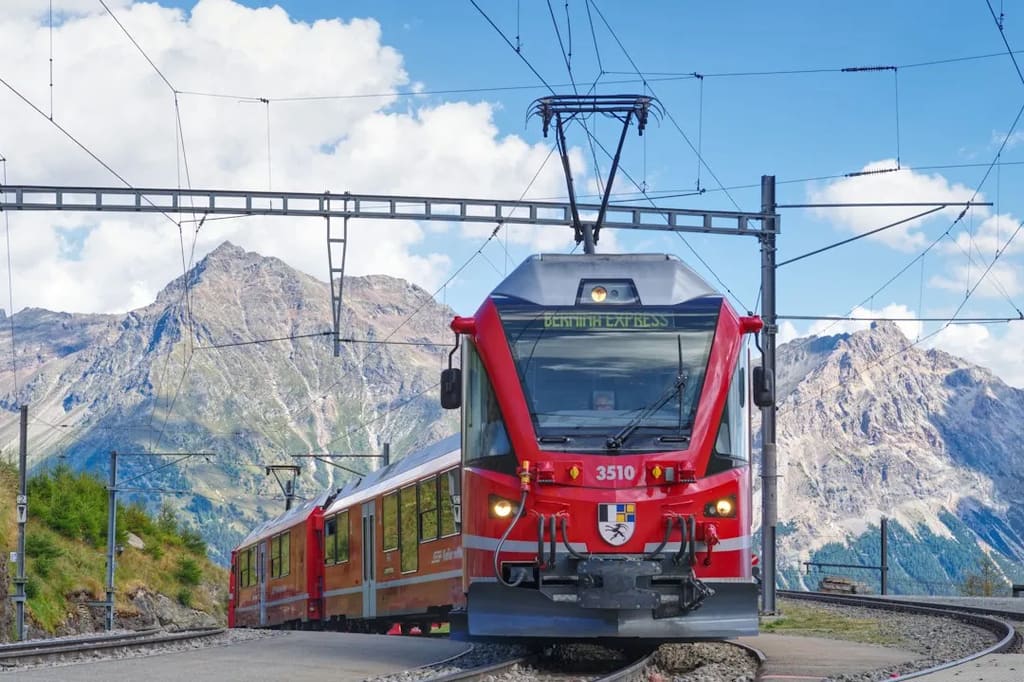
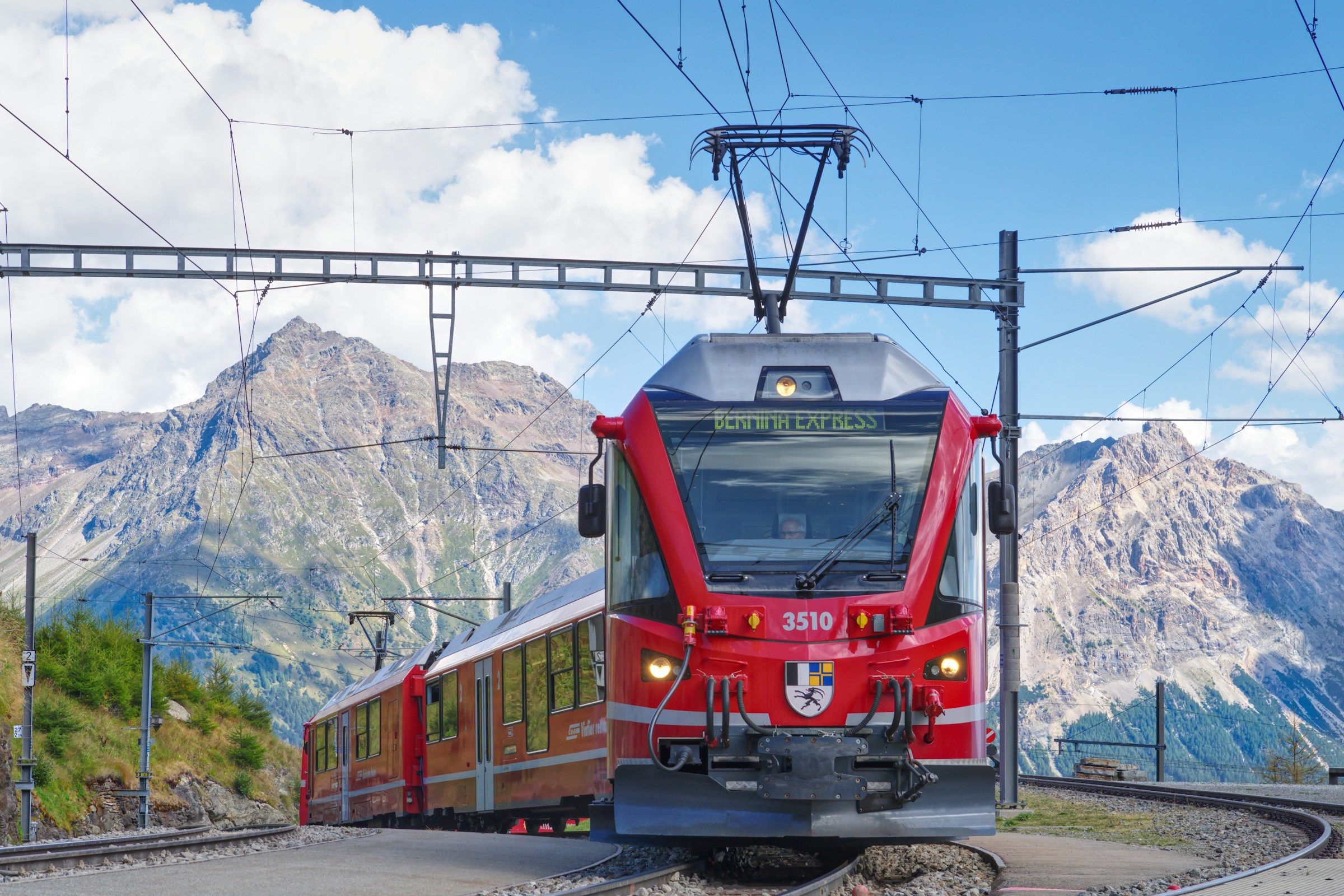
Switzerland is a rail country first and a road country second, at least in terms of how much people ride. The Swiss made 71 rail journeys per inhabitant in 2024, almost four times the European average.[3] The country has built what is described as the world’s densest public transport network.[4]
Ticketing helps, because a national integrated system covers rail, bus and other modes.[5] There’s one caveat worth knowing. Two thirds of all trips in Switzerland are still made by private car[4], so going carless is a choice the system supports rather than a national norm.
Japan
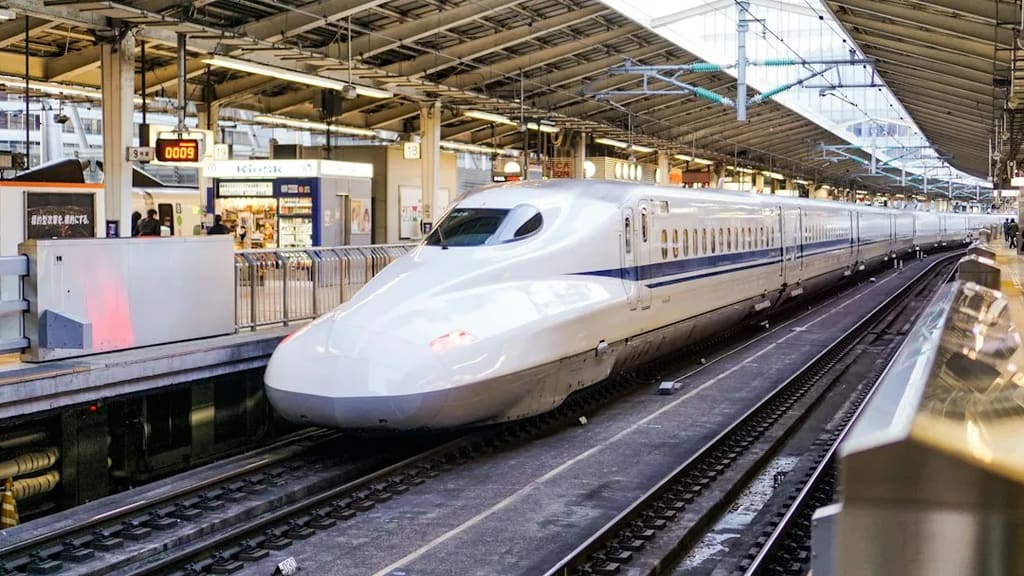
Japan is the benchmark for train travel. The only nation in the world that outdoes Switzerland on train travel is Japan.[6] In Tokyo, Osaka and other big cities, frequent trains and subways reach most neighborhoods, which is why many residents never bother with a car.
The national picture is more mixed. Japan had about 670 cars per 1,000 people in 2024[7], a reminder that rural areas still lean on driving. For city dwellers and visitors sticking to the main rail corridors, though, a car is more burden than benefit.
Austria
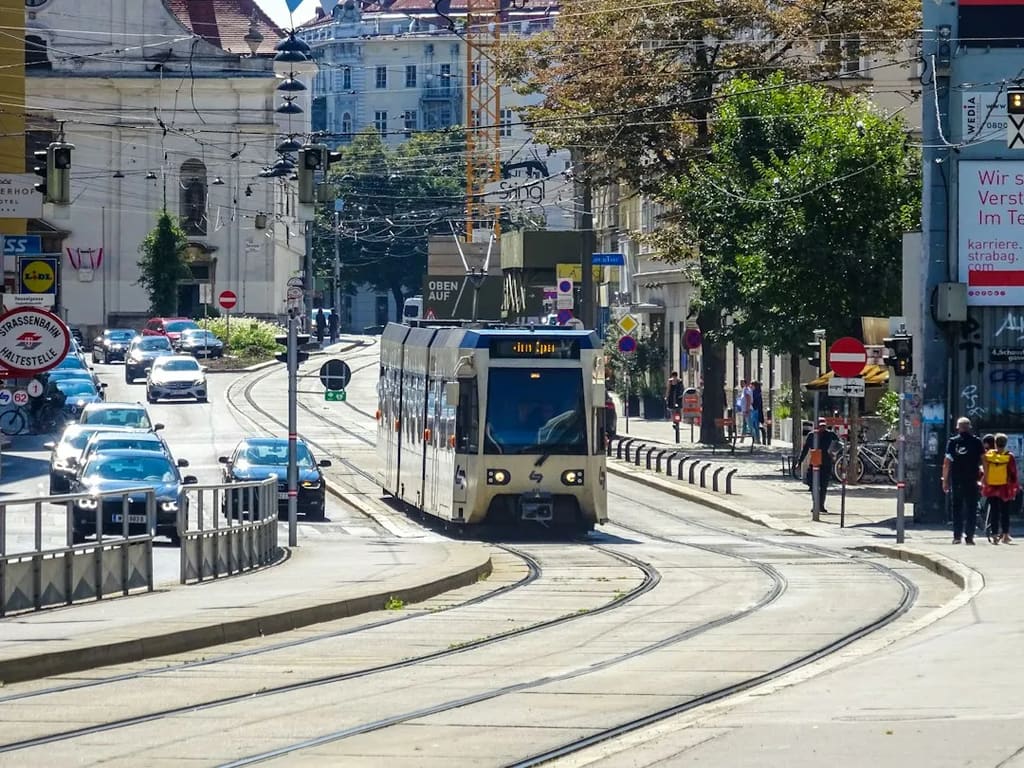
Austria quietly sits near the top of Europe’s rail rankings. In second place for per capita passenger kilometres, Austria’s 1,576 km was about 64% of Switzerland’s tally.[6] In 2019, Austria matched Switzerland with a 20 per cent share of trains in passenger transport.[8]
Vienna is the clearest example of carless living here, with dense tram, metro and bus coverage. The nationwide KlimaTicket, an annual pass launched in 2021, also lets residents use regional and long distance public transport across the country. Smaller villages in the Alps are harder to serve, so rural life can still involve a car.
Singapore
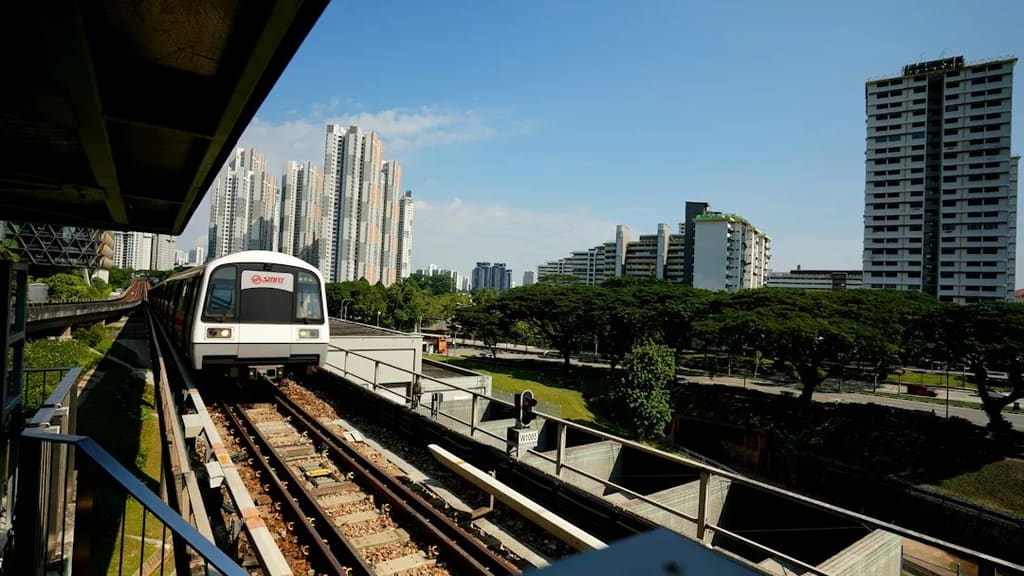
Singapore makes owning a car deliberately difficult. Buyers have to secure a Certificate of Entitlement through bidding, and that certificate has often added a very large cost on top of the vehicle’s own price. The government uses this quota system to keep traffic manageable on a small island.
The alternative is easy to use. A dense MRT rail network, an extensive bus system and short distances mean most trips are quick without a car. Taxis and ride hailing fill the gaps for late nights or heavy luggage.
Luxembourg
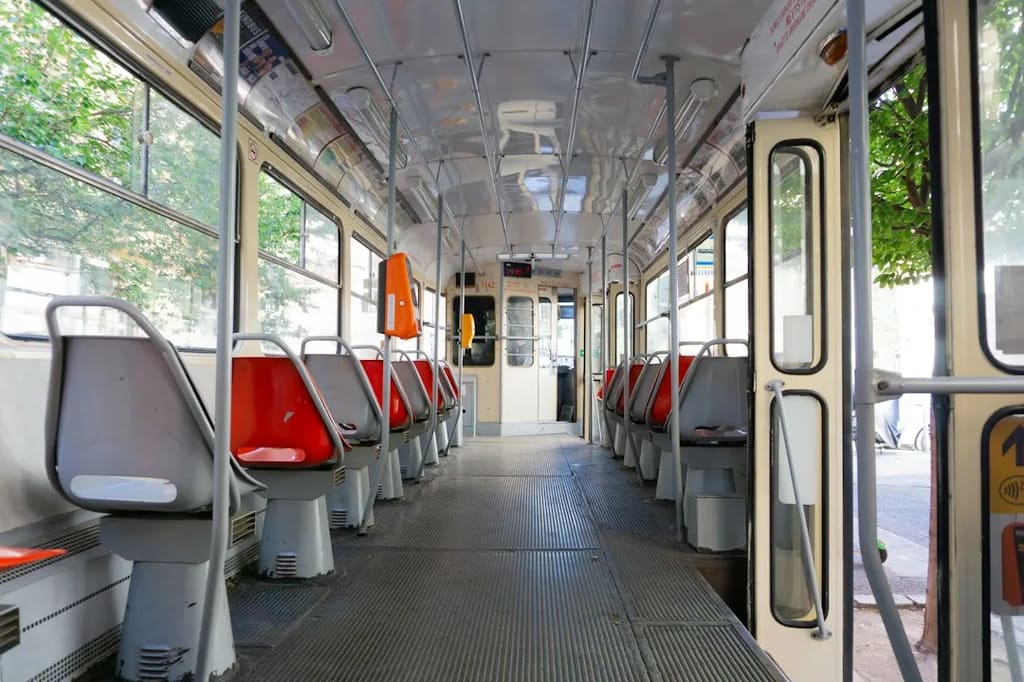
Luxembourg made headlines in 2020 when it became the first country to make public transport free nationwide. Trains, trams and buses can be used without buying a ticket, with first class carriages being the exception. The country is small enough that a rail or bus journey rarely takes long.
Habits haven’t fully caught up with the policy. Luxembourg had about 670 cars per 1,000 people in 2024[7], so plenty of residents still own one. Still, the free network means a car is optional, especially in the capital and along the main corridors.
Denmark
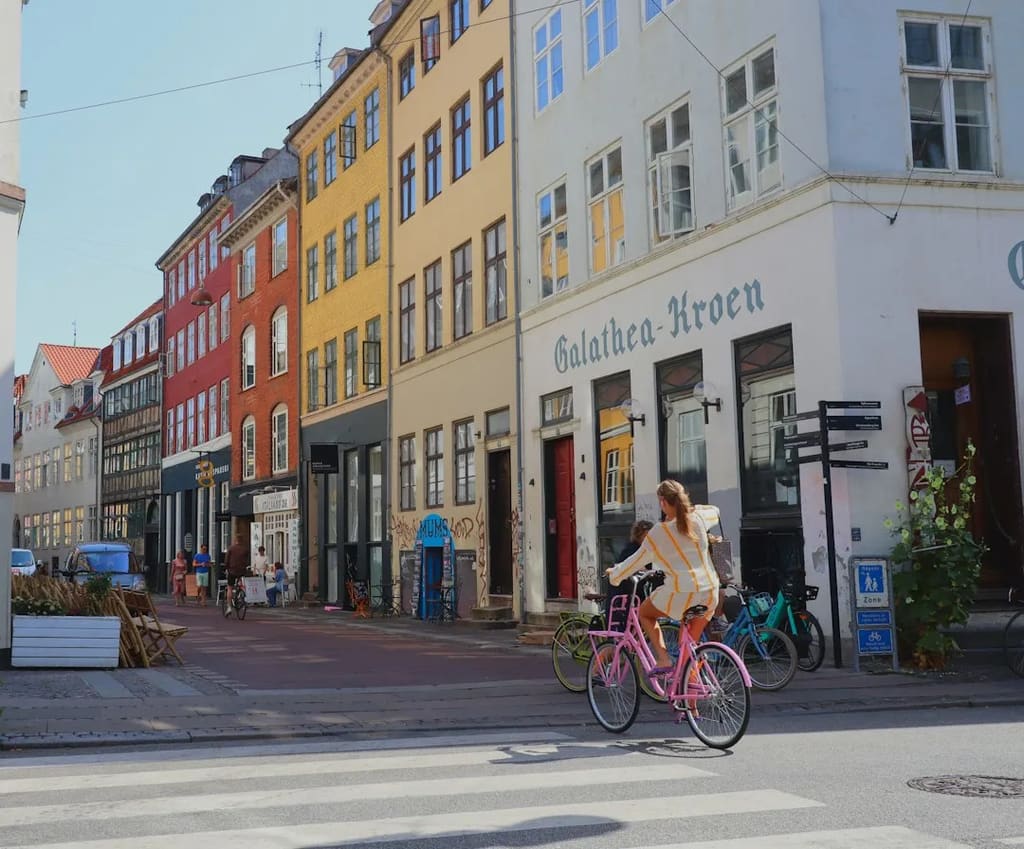
Denmark, and Copenhagen in particular, is known for treating cycling as real transport rather than recreation. Protected bike lanes, priority at many signals and bike friendly bridges make short trips by bicycle quicker than driving. Many families use cargo bikes for children and groceries.
Related Stories From Travelbinger



Public transport backs this up. Copenhagen’s driverless metro lines run around the clock, and suburban trains connect the wider region. Outside the main cities, distances grow and cars become more practical, but the capital shows how far a bike and a train pass can go.
Now the other side of the ledger. In the United States, the vehicles per 1,000 people figure stood at 800 in 2024, with about 272 million road motor vehicles.[9] Distances are long and suburbs sprawl, and people need cars because of extensive distances combined with residential areas that extend beyond city limits.[10]
New Zealand is even higher on some measures. It had 881 vehicles per 1,000 people in 2023.[9] A sparse population and limited public transportation coverage make cars a necessity for daily commuting and shopping, with some households owning two or three vehicles.[11]
Malaysia tops one widely cited list. Its count of road motor vehicles reached 1,102 per 1,000 people in 2025[9], a figure that covers all motor vehicles rather than cars alone. On a narrower cars only basis, Malaysia had 678 cars per 1,000 people in 2023[7], which is still among the highest rates in the world.