Ask ten food writers which country has the hottest cuisine and you’ll probably get a few different answers. One 2026 ranking puts India first. Another analysis built on chili consumption data points to Thailand, and some lists crown Nigeria. One roundup notes that no country is the absolute spiciest, because heat involves both raw intensity and the type of sensation, such as numbing versus pure burn.[1]
So this guide doesn’t try to name a single winner. It sorts ten destinations by how much fire you can expect on the plate, five that run hot and five that stay gentle. Each claim comes from published rankings, food agency data or regional food reporting, so you can plan a trip with fewer surprises.
Thailand: Chili Heat Backed by the Numbers
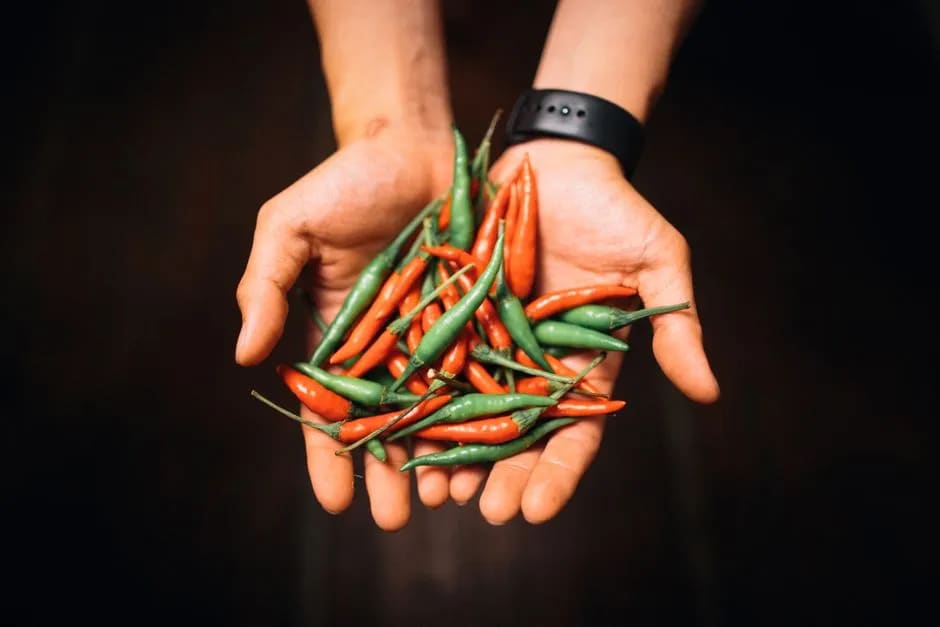
In a data driven comparison of chili consumption, recipe use and typical pepper strength, Thailand was the only country near the top of all three.[2] The figures show about 5.5 kilograms of dried chili per person each year, chilies in more than half of recipes, and go to peppers rated at 50,000 to 100,000 Scoville heat units.[2] That’s a serious combination.
The heat isn’t evenly spread across the country. Isaan food leans on raw chili, with larb, grilled meat with chili powder and fiery papaya salad as staples.[3] Khua kling, a dry fried southern curry, is seasoned directly with chili paste, with no sauce to soften it.[4] Still, not every Thai dish is spicy by default[3], so ordering with care works.
India: A Country With Many Levels of Hot
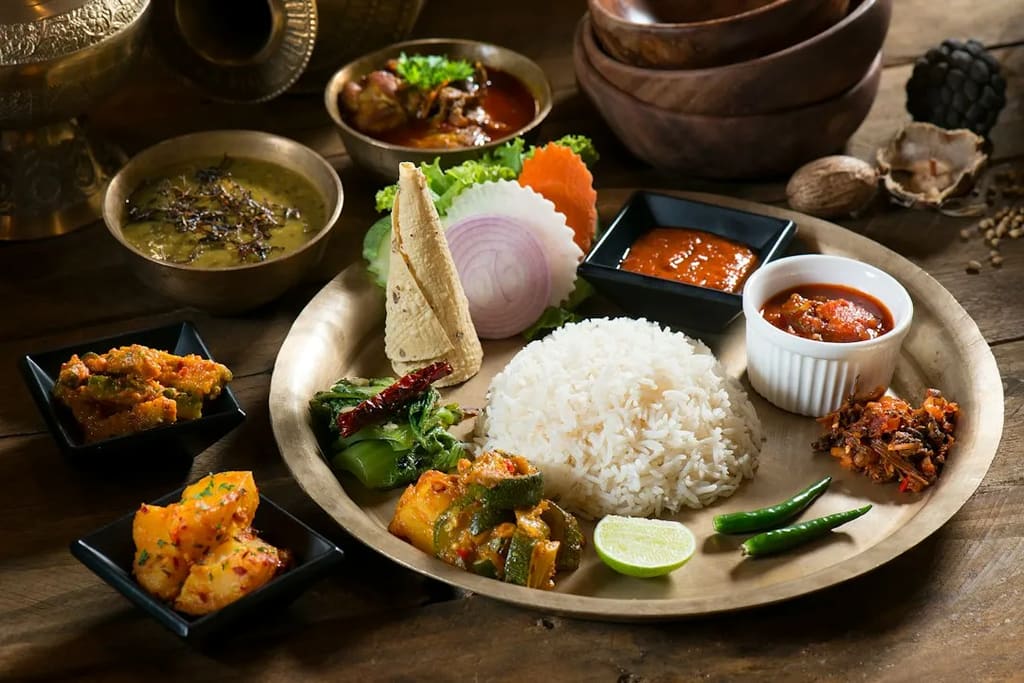
World Population Review’s 2026 list put India at the top, citing the high number of its dishes recognised for intense heat.[5] The scale matters here. The FAO put India’s dried chili harvest at about 2.8 million tons in 2023, and roughly two thirds of it stays home to be eaten.[2]
Heat varies enormously by region. Kashmiri chilies, used as much for color as for heat, measure only 1,000 to 2,000 Scoville units, while the ghost pepper from northeast India reaches from roughly 855,000 to over a million.[2] Southern and northeastern India bring the fire with dishes like vindaloo, Chettinad chicken and naga chili pickles.[3] Vindaloo itself comes from Goa and is based on a Portuguese meat marinade.[6]
Mexico: Where the Chili Pepper Began
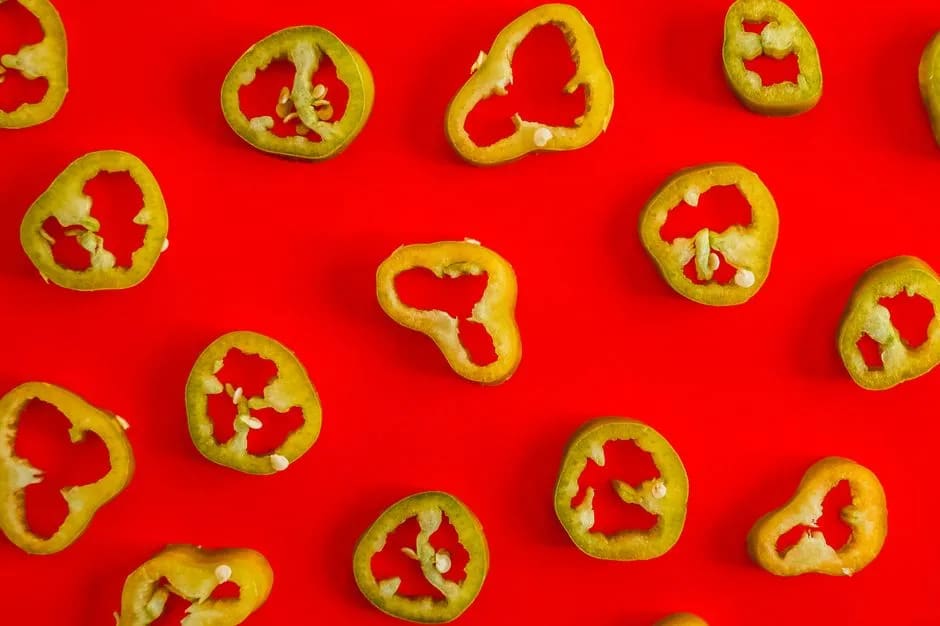
Mexico is where people domesticated Capsicum annuum, the species behind jalapeños, cayenne and bell peppers.[2] One travel source says chiles have been a staple of Mexican cooking for more than 7,000 years.[7] They appear in nearly every corner of the cuisine, from salsas and stews to fruit and corn.[2]
The range is wide, which is why Mexico isn’t always the hottest on a ranking. Jalapeños run about 2,500 to 8,000 Scoville units, and serranos climb to between 10,000 and 23,000.[2] Chefs point to dishes like cochinita pibil and aguachile, raw shrimp in a chili lime sauce, for both burn and boldness.[3] Mexican heat also tends to build gradually rather than hit all at once.[7]
Sichuan, China: Numbing and Burning at Once
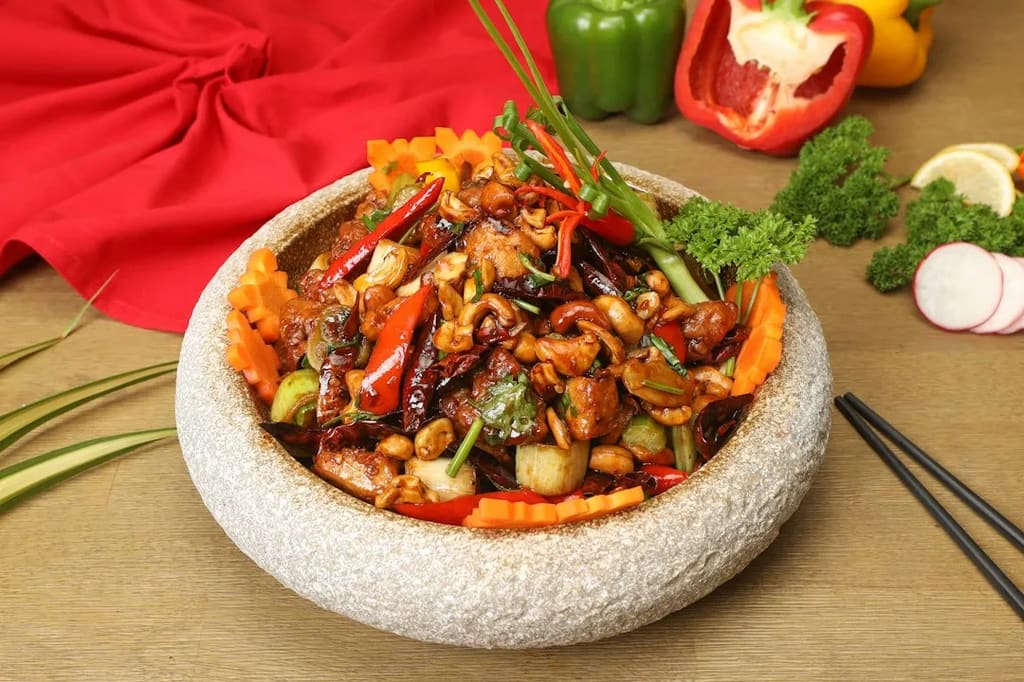
China as a whole doesn’t top the chili charts. Nationally it averages just 0.1 kilograms of dried chili per person and chilies in a little over a quarter of recipes, yet Sichuan and Hunan cooking are among the hottest anywhere.[2] Sichuan is the destination to book if heat is the goal.
What sets it apart is the sensation. Sichuan cuisine is known for mala, a numbing, spicy feeling created by Sichuan peppercorns and chilies.[3] The region’s go to facing heaven peppers run 30,000 to 50,000 Scoville units.[2] Mapo tofu, a braise of tofu and ground beef in red chile sauce, is garnished with those mouth numbing peppercorns.[8] Dan dan noodles and kung pao chicken also pair chili with Sichuan pepper.[4]
Ethiopia: The Quiet Heavyweight
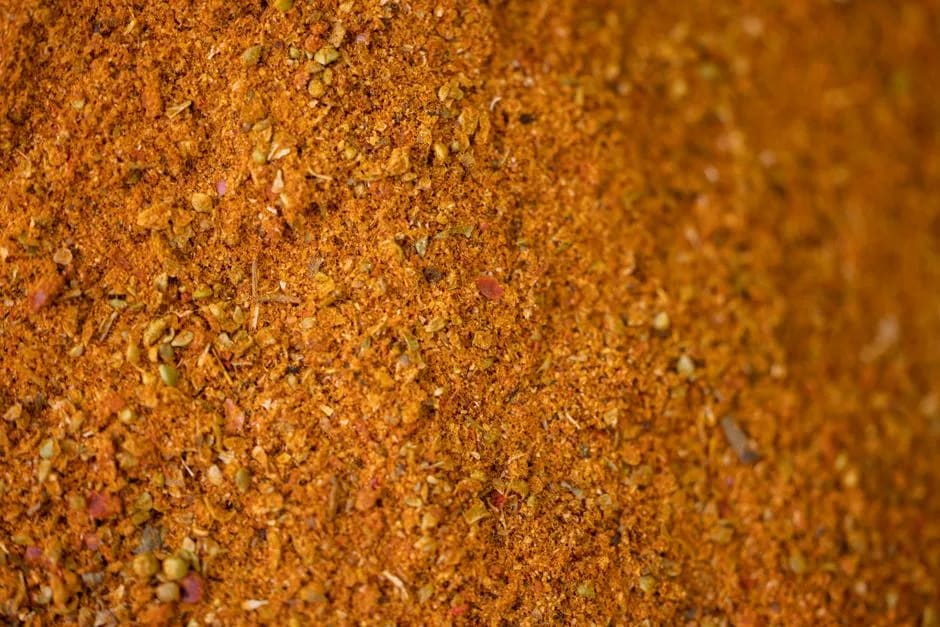
Ethiopia rarely shows up in casual conversations about spicy food, though the data says it should. The FAO puts its supply at 1.9 kilograms of dried chili per person, which ranks 11th in the world and is almost twice India’s figure.[2] Berbere, a chili based spice blend, is the backbone of many dishes.[3]
Doro wat, a spicy chicken stew, and key wat are traditionally served with injera.[3] Slow cooking traps the heat so it permeates every bite.[7] Kitfo, minced raw beef marinated in the chili powder mitmita, and misir wat, a red lentil stew, round out the hot side of the menu.[4]
Japan: Flavor Without the Fire
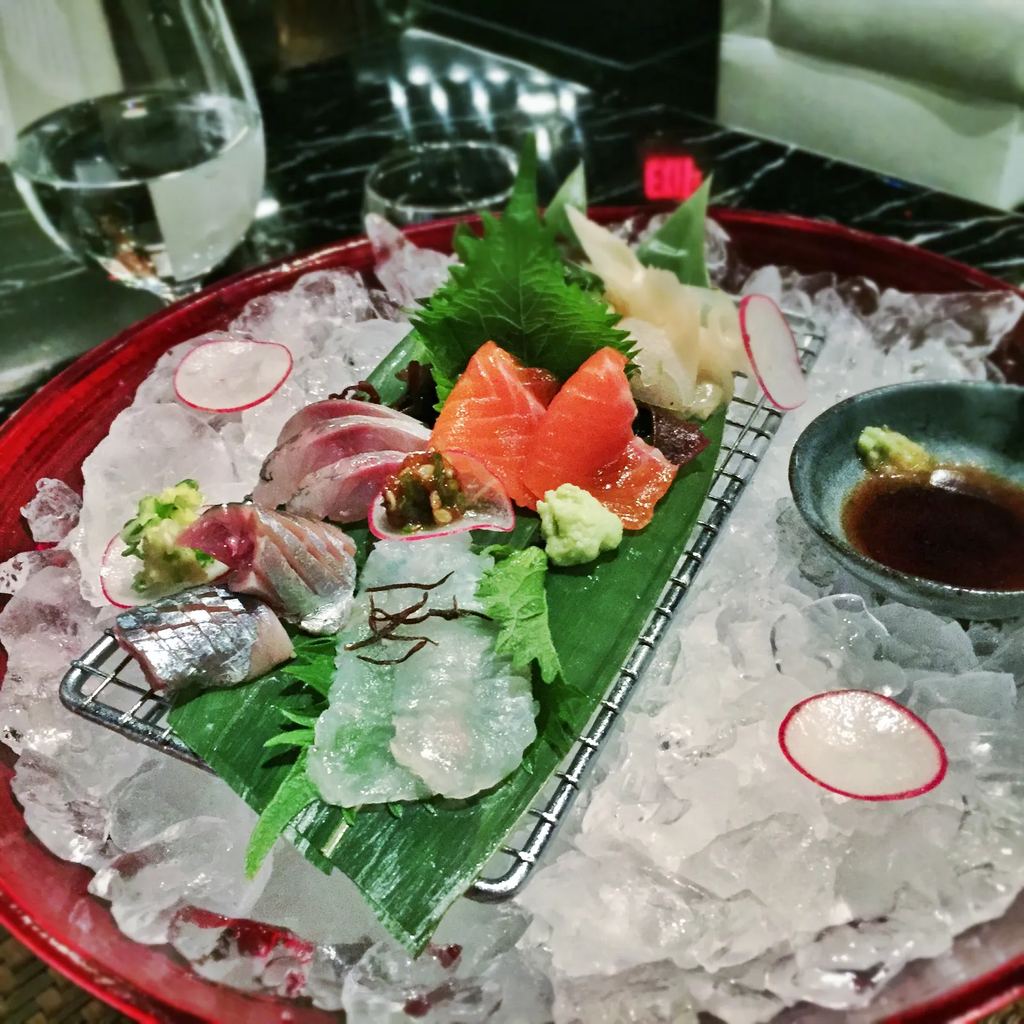
Japan is widely considered to have the least spicy traditional food, focusing on fresh seafood and fermented soy rather than hot peppers.[9] The appeal lies in the delicate sweetness of raw fish and the saltiness of fermented miso.[9] For anyone who winces at chili, it’s one of the easiest places to eat well.
One regional comparison of recipes found the least spicy ones in Japan, with Hokkaido recipes barely averaging one spice ingredient each.[10] Modern Japan does embrace many international cuisines. Even so, the core, everyday food of such countries is generally not chili forward.[11]
The Nordic Countries: Preservation Over Pepper
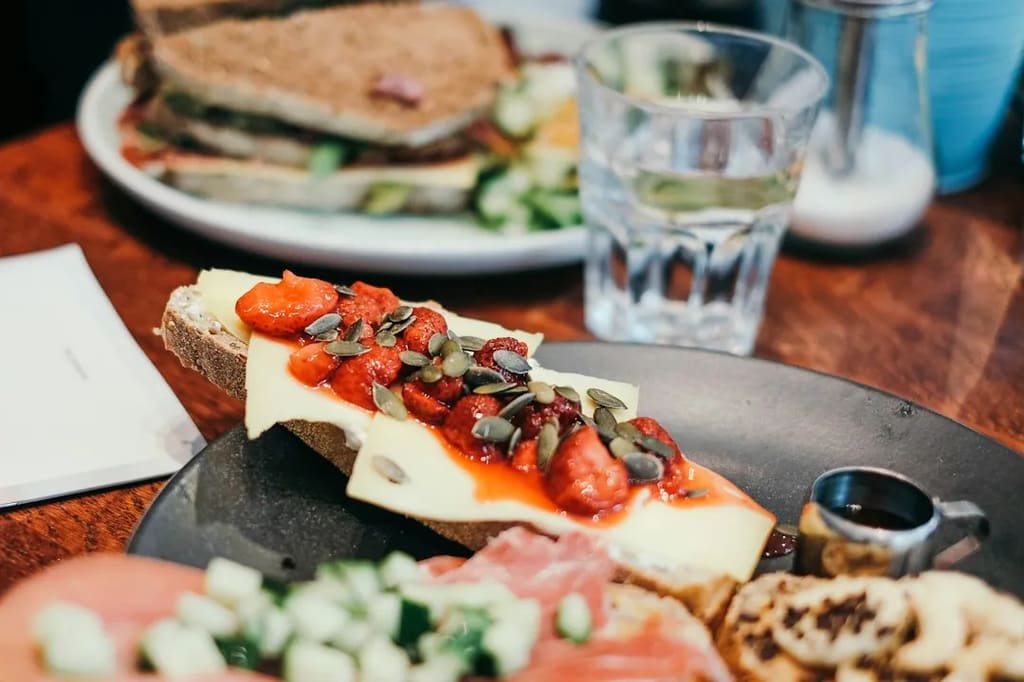
Sweden, Norway, Denmark, Finland and Iceland built their food traditions around preservation and hearty comfort rather than heat.[10] Traditional seasonings are black pepper, juniper, dill and thyme, used in low concentration.[10] The result is food that’s savory and rarely aggressive.
Salt has long been used for conservation and features in many traditional meat and fish products.[10] The emphasis is often on fresh seafood, meats and locally sourced produce.[12] Some sources add that mustard and horseradish are about as sharp as it gets.
Germany and Austria: Hearty and Gentle
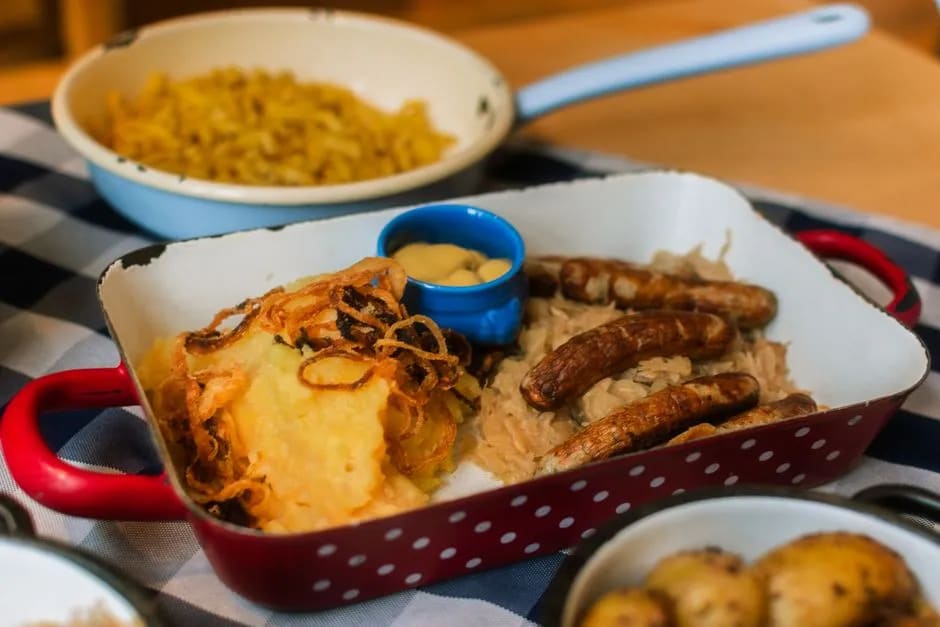
German and Austrian cuisines built their reputations on hearty, filling dishes rather than fiery ones.[10] The traditional spice rack leans on mild options like caraway, paprika and mustard seed.[10] Paprika adds color and warmth, not burn.
The sour tang of sauerkraut provides a sharp contrast to rich sausages without any burning sensation.[9] Meals often center on pork, potatoes and kraut, so spicy ingredients play a limited role.[13] Northern European countries, including Germany, are often cited as having the mildest traditional palates.[9]
Related Stories From Travelbinger



The United Kingdom and Ireland: Comfort Food, Low Heat
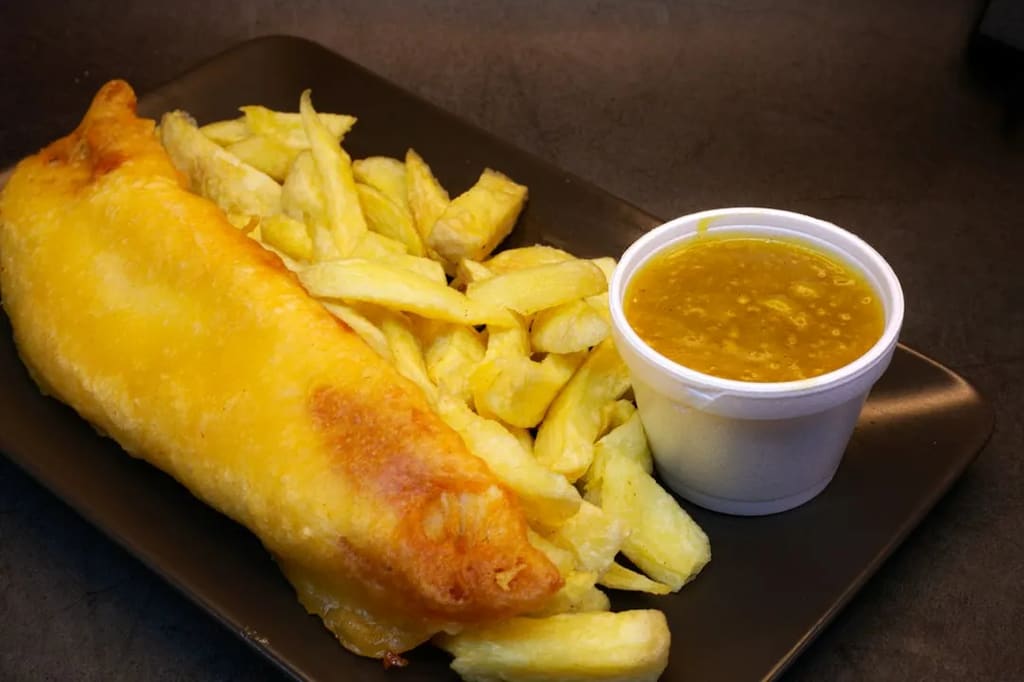
The United Kingdom is the country that often comes to mind for mild eating, and traditional British dishes are generally quite mild, even though globalization has introduced more spicy food.[11] Ireland, Japan and some Nordic nations are grouped in the same milder category.[11] That’s a statement about tradition, not about every restaurant menu today.
Ireland is known for colcannon, mashed potatoes with kale or cabbage, and for soda bread, while Portugal’s bacalhau and mild stews fit the same gentle profile.[14] Neither relies on chili for flavor. Travelers who want to relax their palate on a long trip could do worse.
France: Butter, Herbs and Restraint
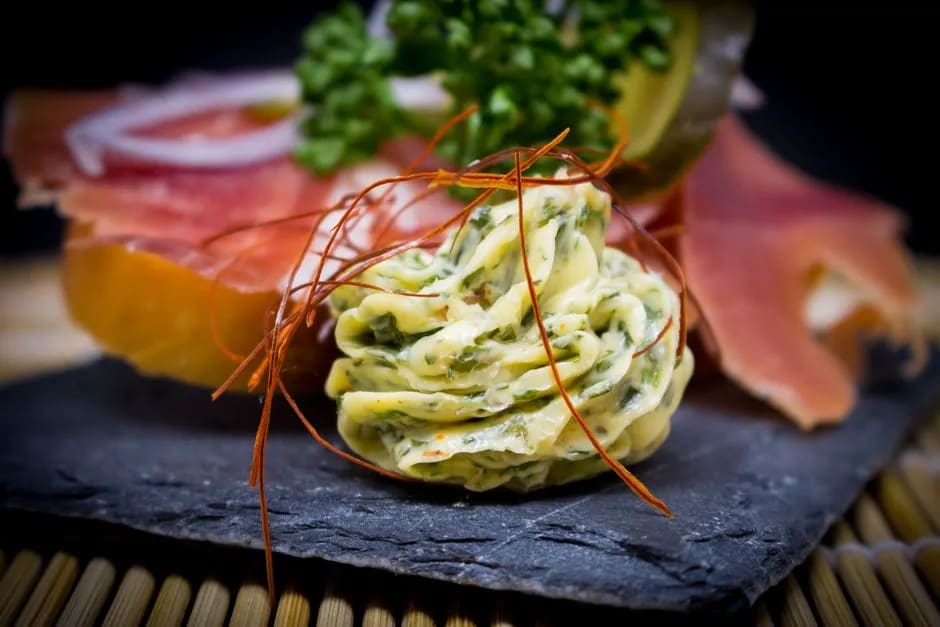
France may be the clearest contrast to Thailand. French recipes call for chilies about one time in twenty, compared with more than half of Thai recipes.[2] French and Italian cooking rely on high quality fats like butter and olive oil to carry flavor without chili heat.[9]
Italy does have a hot corner, though. Penne all’arrabbiata is the one Italian dish on World Population Review’s 2026 list of spicy cuisines.[5] Even there, the heat is one sauce, not a whole food culture.
Heat Levels Side by Side
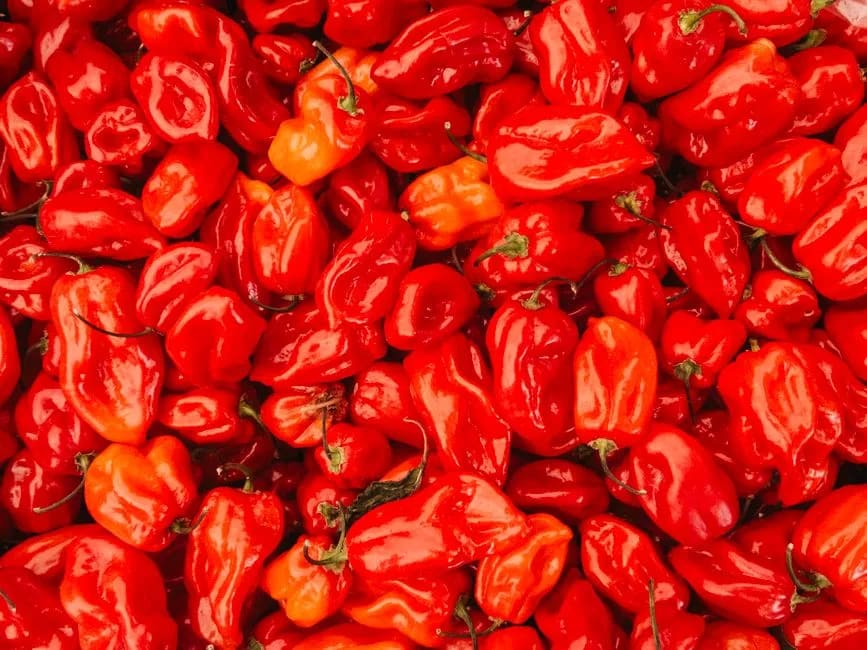
The numbers make the gap easy to see. Thailand’s typical chilies reach 50,000 to 100,000 Scoville units, while the jalapeño tops out around 8,000.[2] India’s Kashmiri chilies sit between 1,000 and 2,000.[2] Tradition matters as much as pepper strength.
Rankings also disagree. World Population Review’s 2026 list has India first and Thailand second, with several African nations also featuring prominently.[5] Another analysis, based on chili consumption and recipe data, puts Thailand ahead.[2] Either way, Thailand, India, Mexico, Sichuan and Ethiopia sit at the hot end, and Japan, the Nordic countries, Germany and Austria, the United Kingdom and Ireland, and France sit at the mild end.