Some places keep pulling at travelers even when governments say to stay away. As of November 2026, the US Department of State has 23 countries under its highest warning, Level 4: Do Not Travel.[1] The list shifts through the year, so a country that looked manageable in spring can look very different by autumn.
The wider picture isn’t calming either. The 2026 Global Peace Index found the world less peaceful for the twelfth year running.[2] The ten countries below all sit at or near the top of the risk charts, and each comes with facts worth knowing before anyone starts pricing flights.
Afghanistan
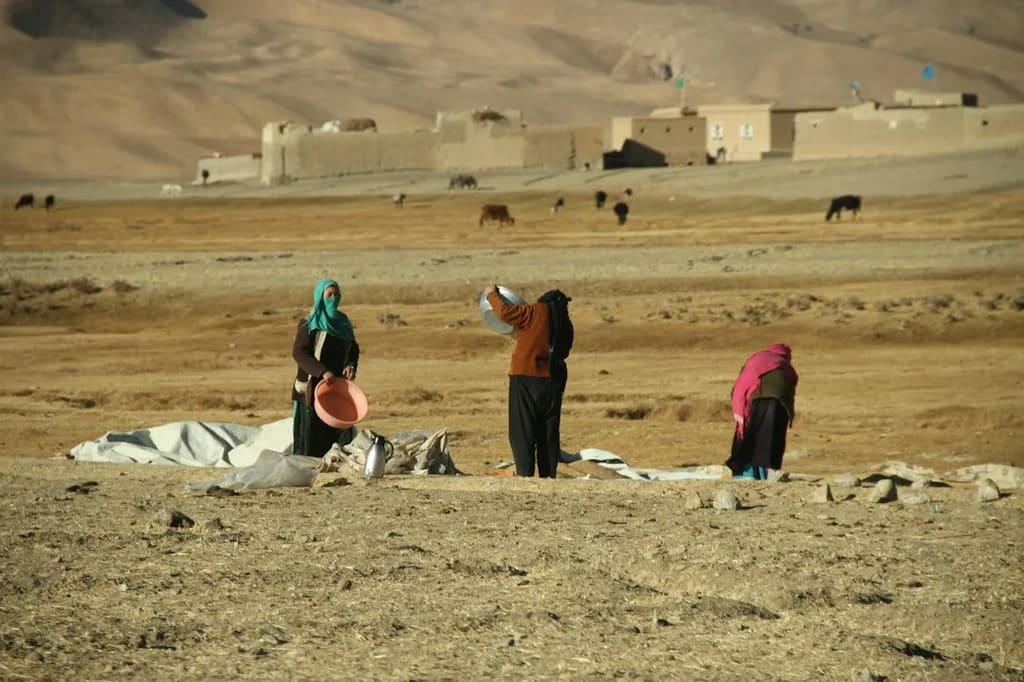
The State Department’s official Afghanistan advisory is dated February 20, 2026, and kept the country at Level 4.[3] It points to multiple militant groups, the risk of hostage taking, and the possibility of American citizens being detained.[3] That last point matters, because a detention is a very different problem from a stolen wallet.
Other governments agree. The UK Foreign Office advises against all travel to the whole country, and Australia’s Smartraveller tells people not to travel.[4] Canada’s advisory also says to avoid all travel, updated in October 2026.[5] On the 2026 Global Peace Index, Afghanistan ranks 157th out of 163 countries.[6]
Yemen

Yemen draws one of the clearest and most consistent warnings anywhere. The UK, US and Australia all sit at their top levels, and the UK advises against all travel to the whole country.[4] Canada’s advice to avoid all travel was last updated on October 13, 2026.[5]
Even the island of Socotra, which is often described as remote and calm, isn’t treated as an exception. The US advisory says not to travel to Socotra or any part of Yemen.[7] Yemen is also among the ten least peaceful countries on the 2026 Global Peace Index.[8] One detail worth noticing is that its score actually improved slightly from the year before[9], yet it stayed in the bottom group.
Syria
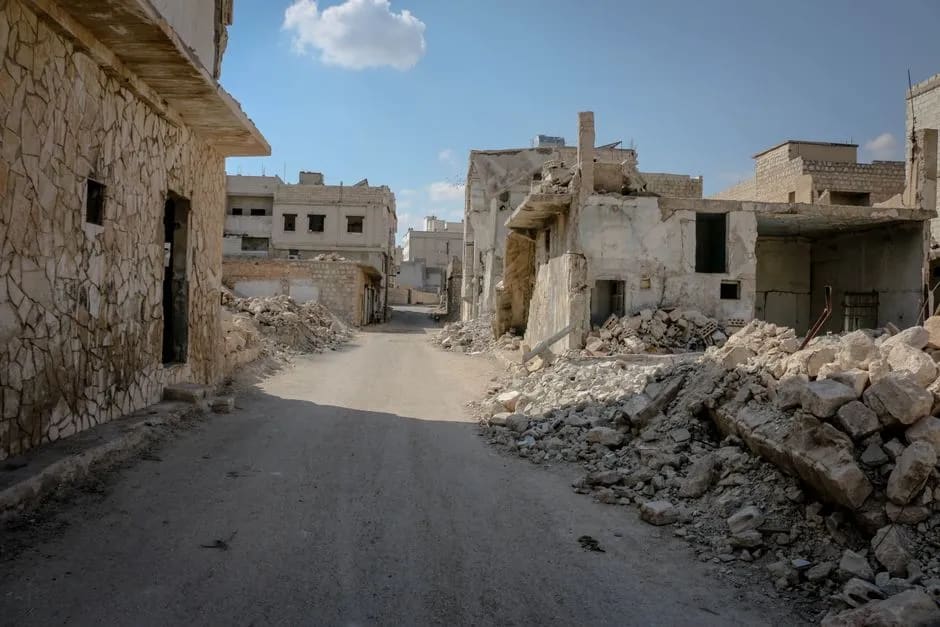
The US Level 4 advisory for Syria was most recently updated on October 23, 2026.[10] The language is unusually blunt. Syria has seen active armed conflict since 2011, and the advisory says no part of the country is safe from violence.[7]
Allied governments have recently echoed that. The UK Foreign Office advises against all travel to the whole country, in an update from October 27, 2026.[4] Canada’s advisory is set to avoid all travel.[5] Syria also appears among the bottom ten countries on the 2026 Global Peace Index.[8]
Somalia
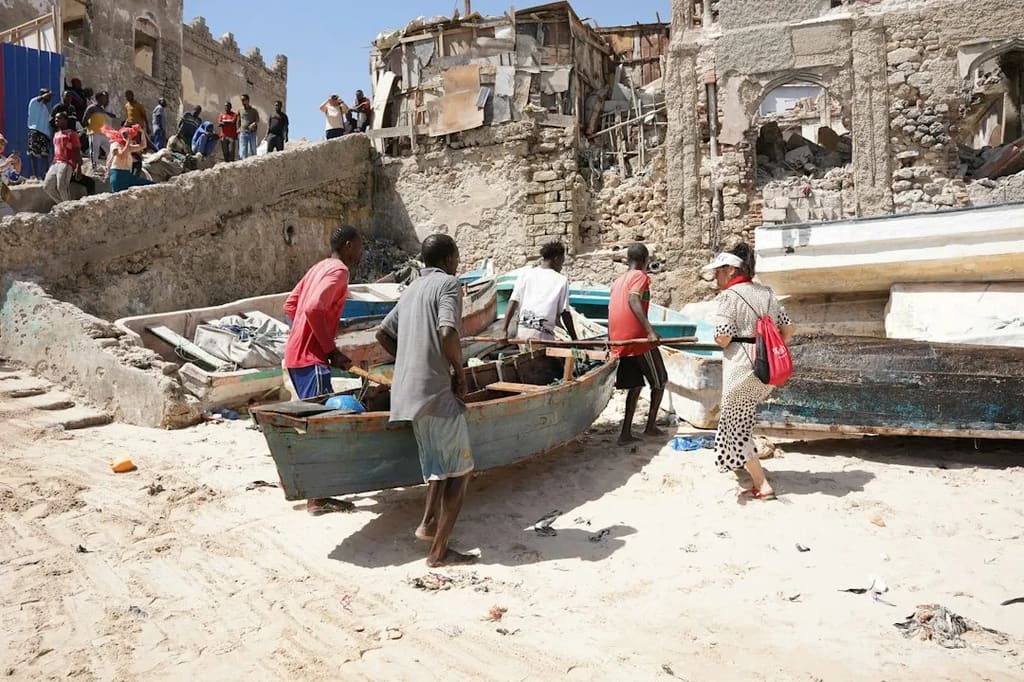
The US issued its Somalia advisory on May 21, 2026, telling people not to travel there for any reason.[7] The cited risks include crime, kidnapping, terrorism, unrest, health concerns and landmines.[11] Landmines are the kind of hazard that doesn’t announce itself, which is why guidance for the country is so firm.
Medical care is a big part of the picture. Medical services in Somalia are extremely limited.[7] The UK advises against all travel to parts of Somalia, while Australia tells travelers not to go at all.[4] That difference in wording is a reminder to read each government’s map and not only its headline level.
Haiti

The State Department renewed its Haiti advisory on July 10, 2026.[12] The listed risk indicators are crime, kidnapping, terrorism, unrest and health.[13] The country has been under a national state of emergency since March 2024.[12]
Getting there is a problem in itself. US commercial flights aren’t operating to or from the capital, and the FAA has barred US air carriers from flying there because of ongoing instability.[13] The US government says its ability to provide emergency services to citizens is extremely limited.[12] Australia adds severe shortages of fuel, water and food to its reasons for warning against travel.[14]
Sudan
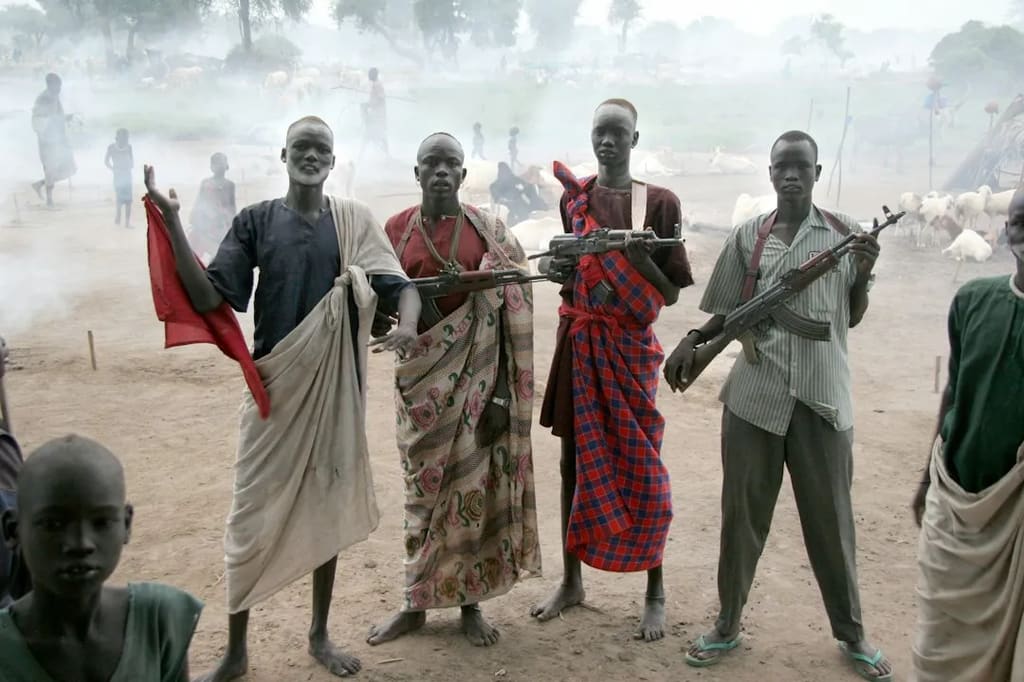
Sudan has been at Level 4 since an advisory dated May 15, 2026.[10] The Global Peace Index backs up the concern. Sudan ranks second least peaceful, behind only Russia.[2]
The conflict has done more than disrupt tourism. Reporting describes internal wars and violence in Sudan that have devastated infrastructure, displaced millions of people and complicated humanitarian access.[15] For an ordinary visitor, that means few functioning services to fall back on if something goes wrong.
South Sudan
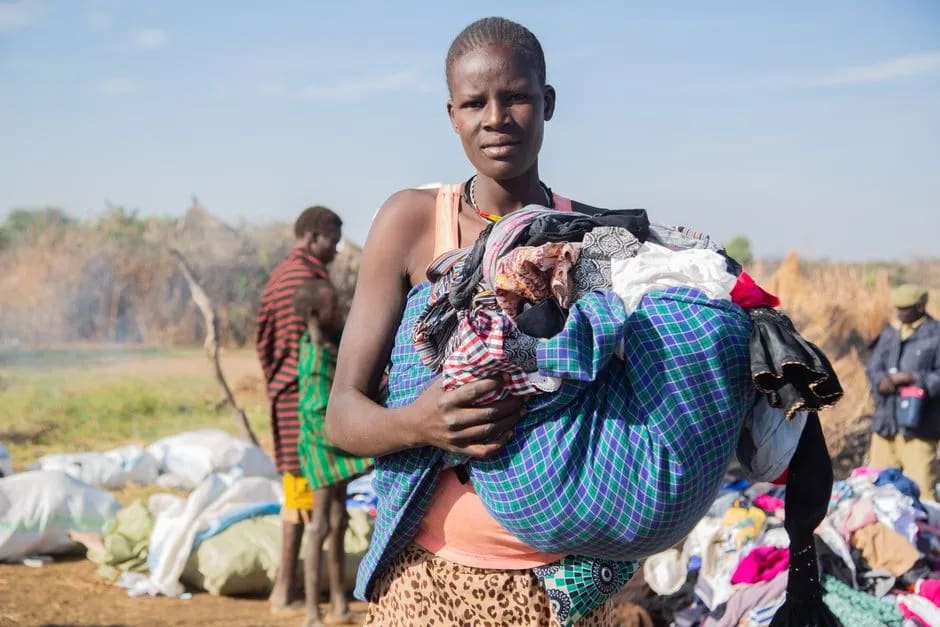
The State Department’s South Sudan advisory, dated May 17, 2026, is at Level 4.[10] On the 2026 Global Peace Index, the country ranks 158th out of 163.[6] That places it just below Israel and just above Afghanistan.
It’s one of many African countries on the highest warning list. As of November 9 and 10, 2026, eleven African states were under an overall Level 4 advisory, including South Sudan, Sudan and Somalia.[16] South Sudan is among the places grappling with violence that has devastated infrastructure and displaced millions.[15]
Mali

Mali’s US advisory was updated on June 8, 2026, and remains at Level 4.[17] Mali also makes the bottom ten of the 2026 Global Peace Index.[8] It’s part of a wider regional story.
One data summary describes a prolonged crisis across the Sahel, with Mali, Niger and Chad among the continent’s least peaceful countries.[9] Reports on Mali and its neighbors highlight armed groups, weak central authority and high rates of kidnapping or violent crime.[15] Weak state control matters for travelers because help can be slow to arrive, or may not arrive at all.
Related Stories From Travelbinger



Myanmar (Burma)

The State Department’s Burma advisory is dated May 8, 2026, and sits at Level 4.[17] Burma is among the countries whose Level 4 status was reaffirmed or updated in 2026.[18] That suggests the department’s view hasn’t softened this year.
Among Asian countries, Myanmar is listed in one dataset among the region’s least peaceful, alongside Israel, Afghanistan, Yemen, Syria and Pakistan.[9] The State Department says it assigns Level 4 based on local conditions and, in some cases, its limited ability to help Americans.[1] In practice, a traveler there would have little official support.
Ukraine
The US advisory for Ukraine was updated on August 28, 2026, and remains at Level 4.[17] The country ranks 160th out of 163 on the 2026 Global Peace Index.[6] Russia and Ukraine are the least peaceful countries in Europe.[9]
The data does show some movement. Ukraine’s score improved by a notable margin compared with the previous year, though its overall level of risk is still extremely high.[9] That’s a useful reminder that a better trend isn’t the same as a safe destination.
Before You Book