Some places feel exotic because they’re far away. Others earn the word because they run on different rules: a different calendar, a different pace, a different idea of what a visitor should pay or see. The countries below span the Himalayas, the Silk Road, the southern Atlantic coast of Africa and the western Pacific.
Entry rules and visitor numbers move quickly, so where this article cites recent figures, it says where they come from. Where a rule is likely to change, it points you to official sources before you book.
Bhutan: The Kingdom That Prices Out the Crowds
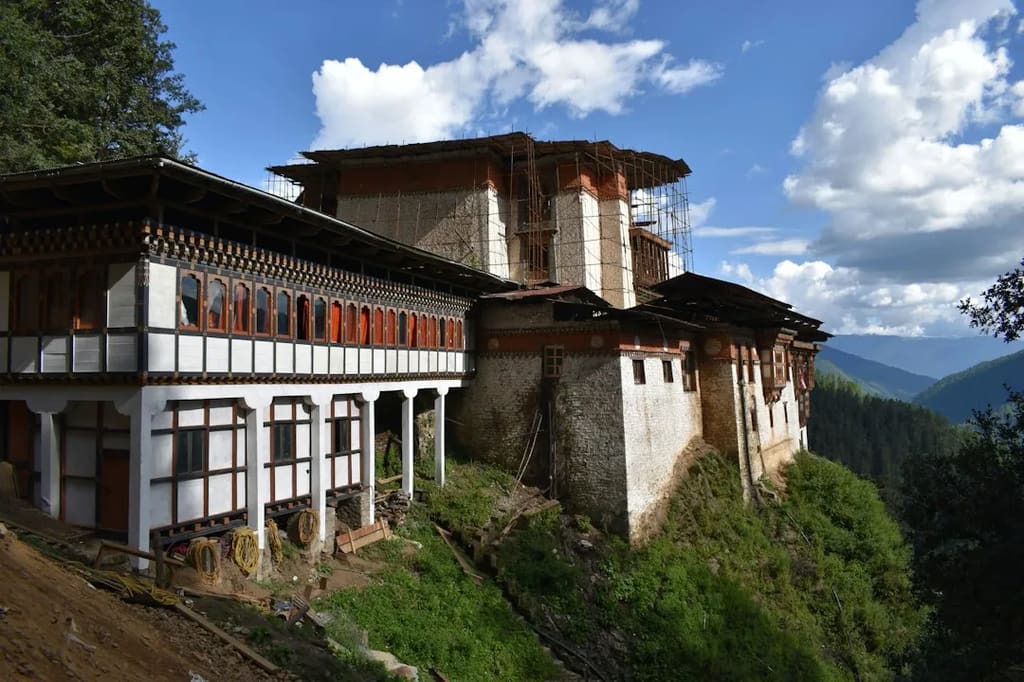
Bhutan is a small Himalayan kingdom of dzongs, prayer flags and steep valleys. Its tourism model is built on a deliberate idea, which one operator describes as high value, low volume tourism[1]. That shapes everything from how you book to how crowded the trails feel.
Most international adults pay a Sustainable Development Fee of USD 100 per night, half the usual USD 200[2]. Children aged 6 to 11 pay USD 50 per night, and children aged 5 and below are exempt.[2] The visa itself is a separate one off USD 40 per person[1], and a 5% GST has applied to tour services since January 2026[3], though not to the fee.
The end date for the discounted rate is worth checking. Guides published earlier in 2026 listed 31 August 2027[4], while a report dated 31 October 2026 says the USD 100 rate will be extended until 31 December 2029[5]. Confirm the current rate with the Tourism Council of Bhutan before you commit to dates.
Uzbekistan: Silk Road Domes Without the Paperwork
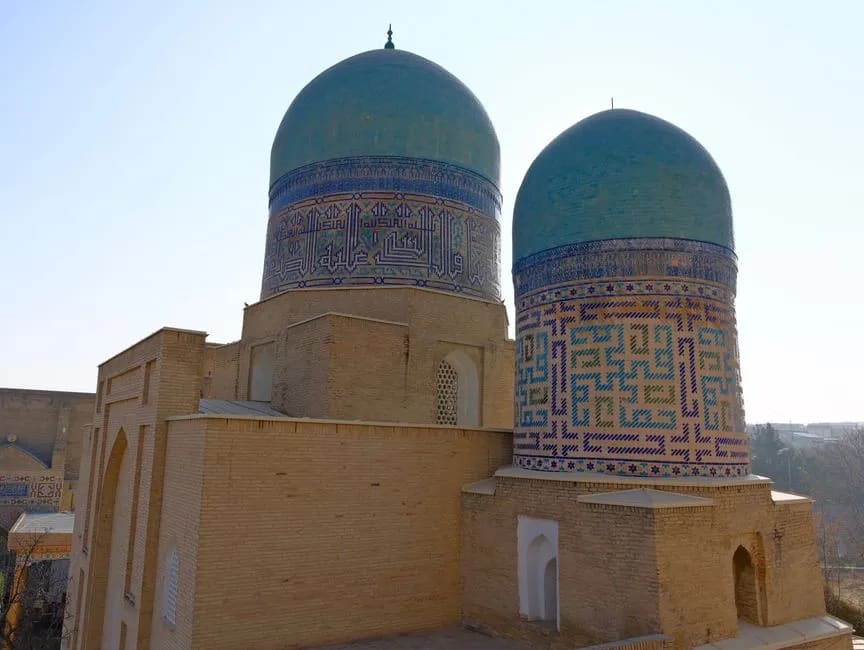
Samarkand’s tiled madrasas, Bukhara’s old trading domes and Khiva’s walled inner city are the headline draws. The country has also become easier to enter. A presidential decree signed on November 3, 2025 granted 30 day visa free access to all U.S. citizens starting January 1, 2026.[6] The visa free regime now covers 94 countries, including China and all EU nations.[6]
Visitors have responded. Uzbekistan recorded 11.7 million international visitors in 2025, a record reported by the National Statistics Committee.[7] UN Tourism figures show arrivals climbing 37% in the first quarter of 2026, placing the country among the five fastest growing destinations worldwide.[7]
That growth means the big monuments are no longer secrets. Going in spring or autumn, and giving smaller stops like Khiva a full day, helps you avoid the busiest hours.
Namibia: Dunes, Desert Elephants and Enormous Skies
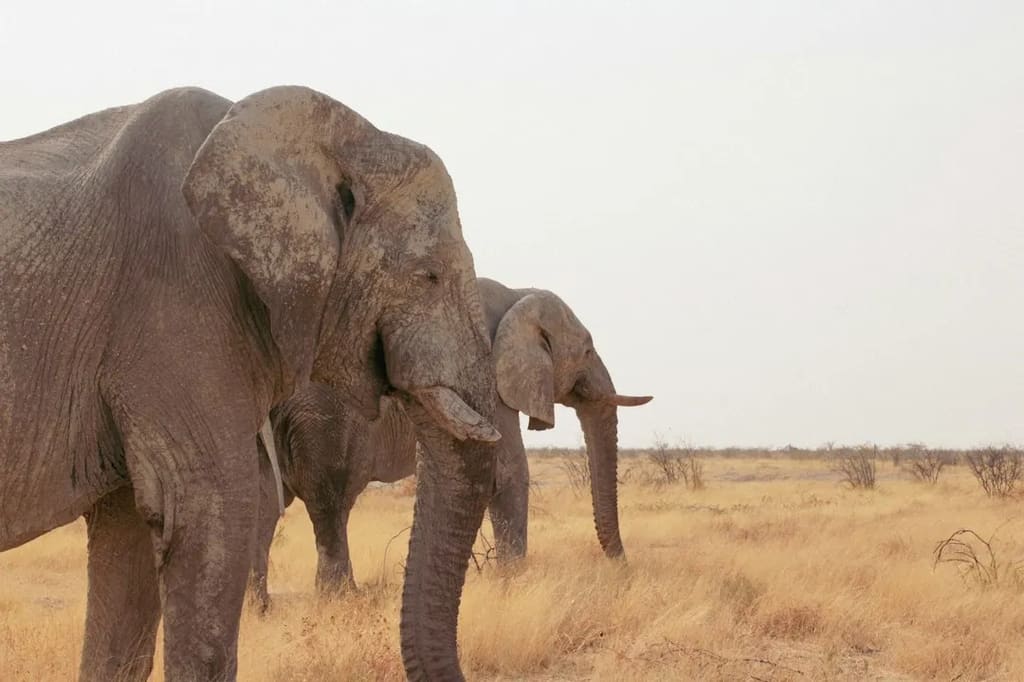
Namibia is one of the emptiest countries on earth, and it shows. The red dunes of Sossusvlei, the wildlife at Etosha National Park and the shipwreck coast of the Atlantic make it a favorite for self drive trips. Distances are long, gravel roads are common, and the night skies are unusually dark.
Entry rules changed recently. Since April 1, 2025, Namibia ended the visa exemption previously granted to 33 nationalities, including the United States, the United Kingdom, France, Germany, Canada, and Australia.[8] One guide reported a fee of 1,600 Namibian dollars, about US$90[9], for the visa on arrival.
Travelers can apply online in advance or buy at major entry points. Windhoek, Walvis Bay and busy border crossings offer visas on arrival.[10] The U.S. Embassy notes that implementation details are subject to change[10], so check official guidance close to departure.
Albania: The Adriatic Coast Everyone Is Talking About
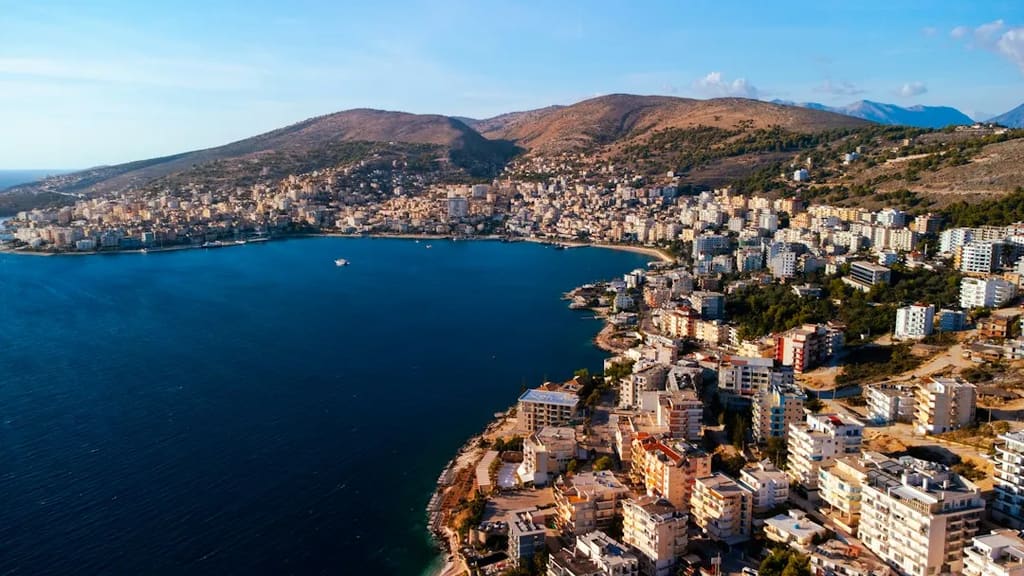
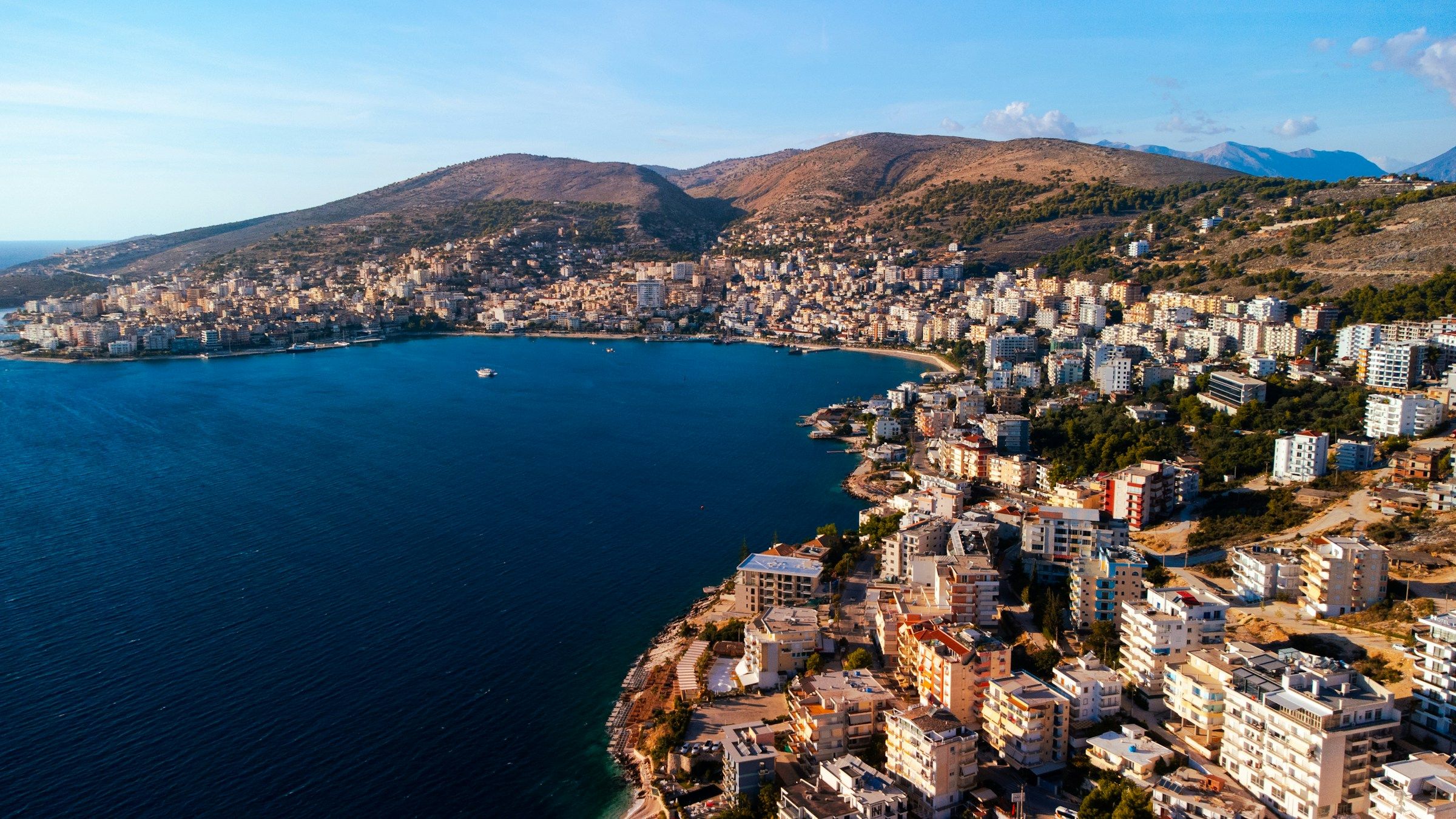
Albania used to be the Mediterranean’s quiet corner. Today it pairs pebble beaches in the south with the hiking villages of Theth and Valbona in the north. Berat and Gjirokastra, both known for stone houses climbing steep hillsides, round out the cultural side.
The numbers explain why it’s on so many lists. Non resident visitor arrivals reached 12.466 million in 2025, up from 11.696 million in 2024.[11] The country welcomed 3.7 million foreign visitors in the first five months of 2026, an increase of 8.2% on the same period in 2025.[12]
The government says it wants visitors beyond summer. The tourism minister has described Albania as a growing year round destination[13], so shoulder seasons like May and September are a sensible way to see it with more space.
Sri Lanka: Leopards, Tea Hills and a Train Worth Riding
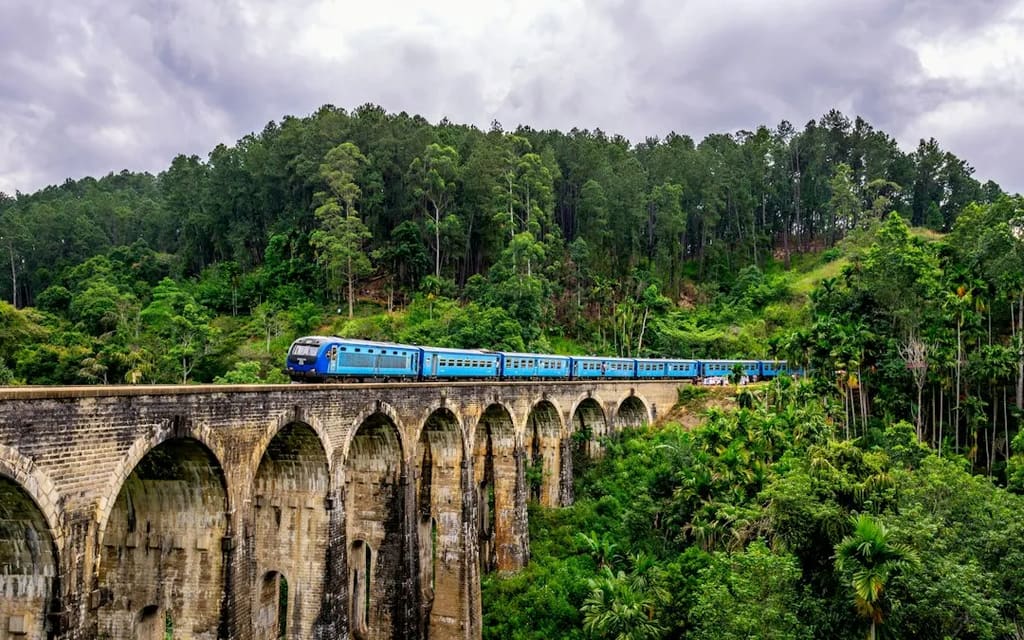
For an island of its size, Sri Lanka packs in a lot. You can climb the ancient rock fortress of Sigiriya in the morning and be in tea country by evening. Yala National Park is known for leopard sightings, and the coast near Mirissa is a popular base for whale watching in the right season.
The slow train through the hill country between Kandy and Ella is a trip in itself. Window seats book out early, so reserving ahead pays off. Many travelers pair the hills with a stretch of southern beach to balance the itinerary.
Visa procedures have been updated several times in recent years, so check the official government portal rather than a third party site. Weather splits the island into two monsoon patterns, which means there’s usually a dry coast somewhere. Matching your coast to your month is the key planning step.
Oman: Wadis, Frankincense and Calm Hospitality
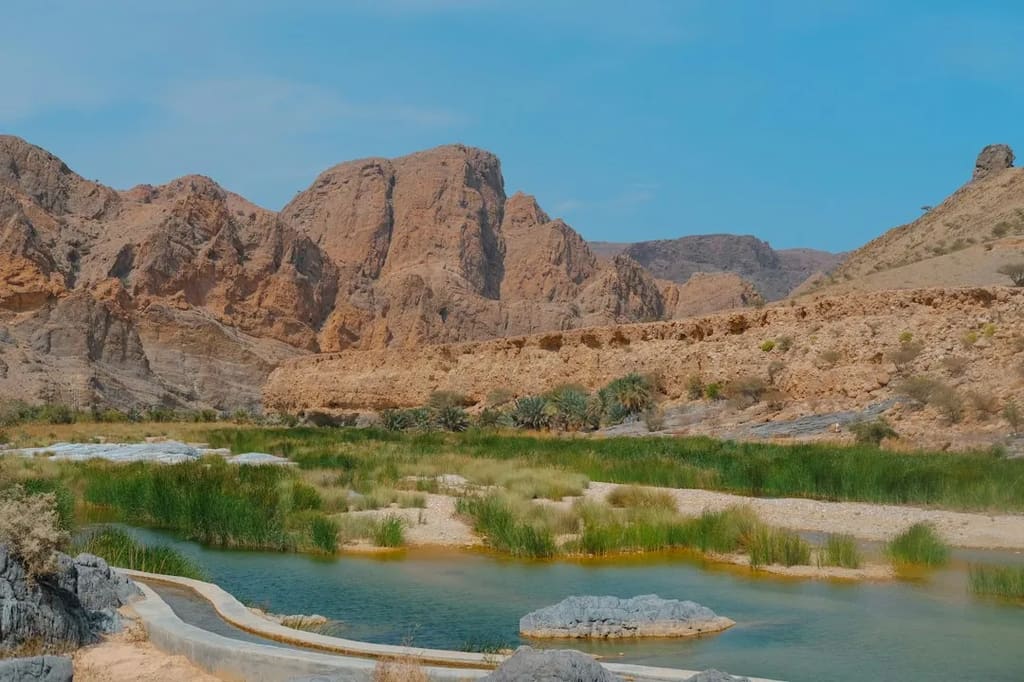
Oman is the Gulf destination that leans toward landscape over skyscrapers. Muscat has its grand mosque and old harbor forts, while the interior holds canyons and turquoise wadi pools. The Wahiba Sands offer the classic desert camp experience.
The south tells a different story. Around Salalah, the summer khareef season brings mist and green hills between roughly June and September, when much of the region is scorching. The Land of Frankincense, a series of ancient trade sites in the south, is a UNESCO World Heritage listing.
The easiest months for most visitors run from roughly October to April, when temperatures are comfortable for hiking and beach days. Entry requirements for tourists have changed in recent years, so verify them with Oman’s official visa service before you book.
Madagascar: An Island That Evolved on Its Own Terms
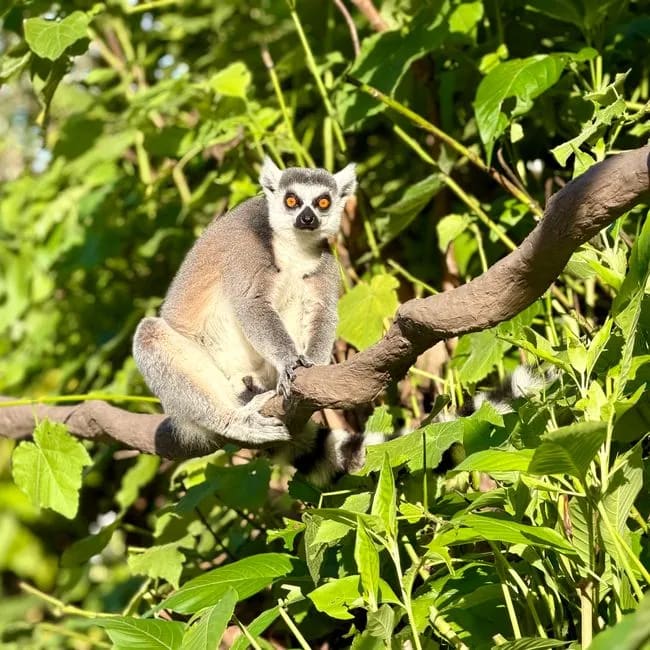
Madagascar split from the African mainland long ago, and its wildlife evolved in isolation. Lemurs are the best known residents, and by commonly cited estimates, the vast majority of the island’s wildlife exists nowhere else. The result feels less like a safari and more like visiting a separate experiment in evolution.
Highlights include the baobab avenue near Morondava and the razor sharp limestone forests of Tsingy de Bemaraha, a UNESCO site. Rainforest parks in the east are the places to look for lemurs up close. Beaches on the northwest coast add a rest stop.
Be realistic about logistics. Roads are slow, internal flights are often needed, and the drier months from around April to October are usually easier for travel. A local operator makes a real difference here.
Georgia: Wine, Mountains and a Language Like No Other
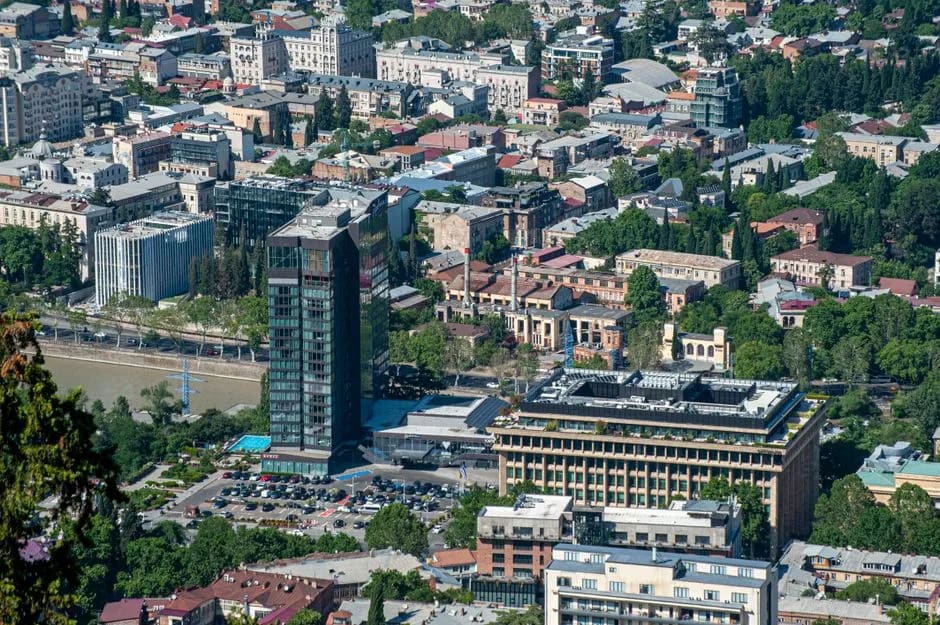
This Georgia sits at the crossroads of Europe and Asia, in the Caucasus. Tbilisi mixes sulfur baths, wooden balconies and a strong café culture. The country also has one of the oldest wine traditions in the world, with wine traditionally fermented in clay vessels called qvevri, which UNESCO has recognized.
In the mountains, the medieval stone towers of Svaneti and the hilltop Gergeti Trinity Church below Mount Kazbek are the best known sights. Georgian food, from khachapuri cheese bread to khinkali dumplings, is a reason to travel on its own. The Georgian alphabet alone makes street signs feel like a puzzle.
Georgia has long been relatively simple to enter for citizens of many countries, though rules can change. Check the latest requirements for your passport on the official government site before you go.
Jordan: Rose Colored Cliffs and a Very Salty Sea
Petra, the Nabataean city carved into sandstone, is the reason many people come. It’s a UNESCO World Heritage site that rewards a full day of walking rather than a quick look. Wadi Rum’s red desert, famous for camping under the stars, sits a few hours south.
The Dead Sea, which lies more than four hundred meters below sea level, is the lowest point on land. Floating in it is a novelty that actually lives up to its reputation. The Jordan Pass has historically bundled the tourist visa fee with Petra entry, so check current terms before you buy.
Because of regional tensions, it’s wise to read your own government’s travel advisory shortly before departure. Jordan itself has a long reputation for welcoming visitors. Spring and autumn are the comfortable seasons.
Palau: A Pacific Nation With a Promise in Your Passport
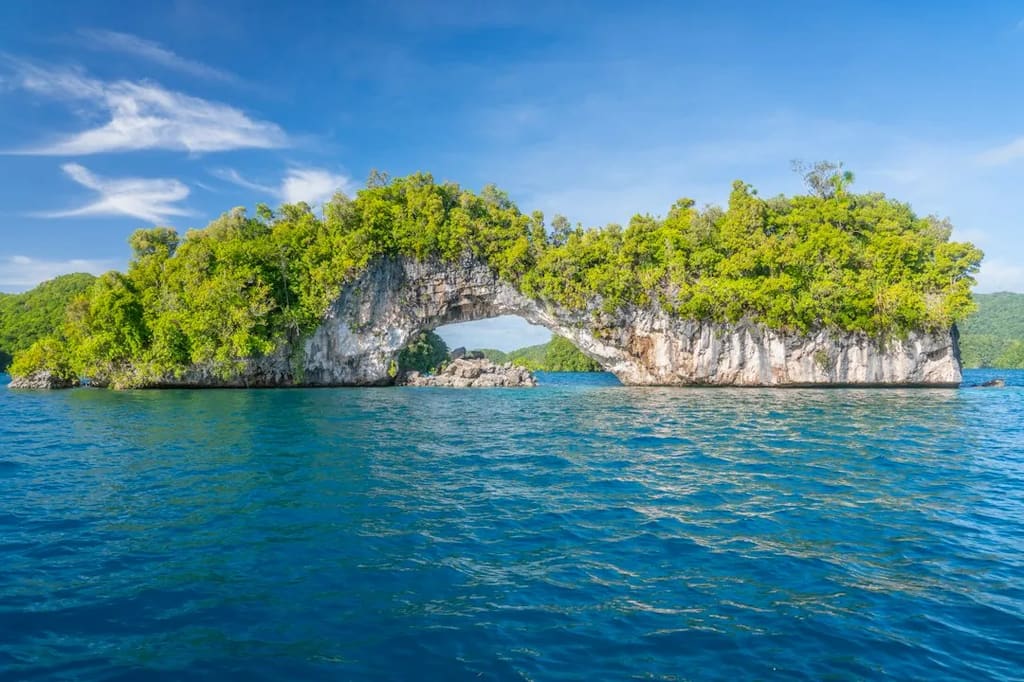
Palau is an island nation of roughly three hundred and forty islands in the western Pacific. Its Rock Islands Southern Lagoon is a UNESCO listed mix of limestone islets and clear water, and it’s among the most respected diving regions in the world. Sharks, manta rays and wartime wrecks draw divers year round.
Conservation is built into the visit. On arrival, travelers sign the Pristine Paradise Pledge, which is stamped into the passport. The country has also protected about eighty percent of its maritime zone as a national marine sanctuary.
Jellyfish Lake, famous for its stingless jellyfish, has had periods of limited access over the years. Check with operators on its current status before planning around it. Flights from the main hubs are limited, so expect to plan this trip well ahead.
Papua New Guinea: The World’s Most Linguistically Diverse Country
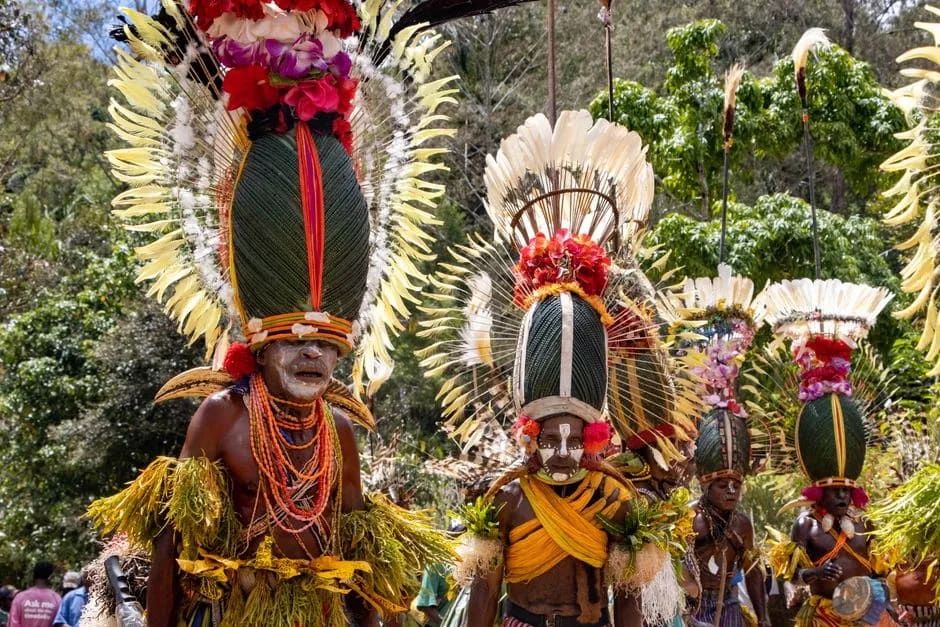
Papua New Guinea is commonly cited as home to more than eight hundred languages, more than any other country. It’s a land of highland valleys, coral reefs and rainforest where birds of paradise still display. Cultural festivals, like the Goroka Show, bring together groups in elaborate dress.
Adventurous travelers often come for the Kokoda Track, a roughly ninety six kilometer trek tied to World War Two history. Diving and snorkeling around the coast is another draw. Because much of the country has limited roads, planes and boats do the heavy lifting.
This isn’t a casual destination. Security conditions vary by region, so read official travel advisories carefully and travel with a trusted local operator. Done carefully, it’s one of the most distinctive trips on the map.
Mongolia: Big Sky Country for the Truly Adventurous
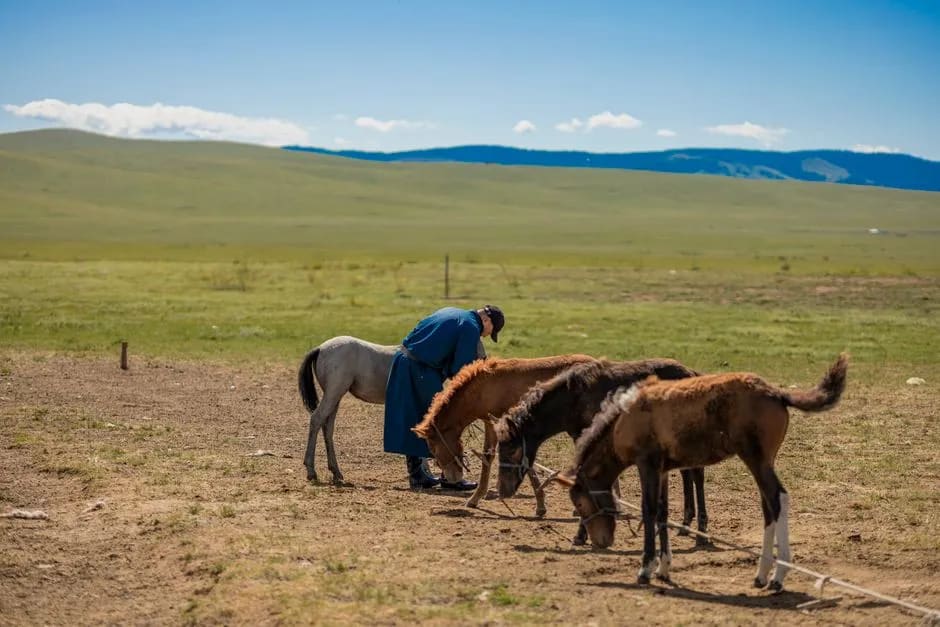
Mongolia has only about three and a half million people spread across a huge territory, and roughly half live in the capital. Outside Ulaanbaatar, you’re more likely to meet a herder on horseback than another tourist. Stays in traditional felt tents, known as gers, are part of the standard experience.
Related Stories From Travelbinger



The Gobi Desert is known for dinosaur fossil discoveries, and the Orkhon Valley holds a UNESCO listed cultural landscape. Each July, the Naadam festival showcases wrestling, archery and horse racing. It’s the most popular time to visit, so book early.
Winters are severe, which is why most travelers aim for roughly June to September. Distances are large and roads are rough. A guided trip with a driver is the practical choice for most first timers.
Tanzania: Serengeti Plains and a Mountain You Can Climb
Tanzania packs several bucket list items into one country. The Serengeti is home to the wildebeest migration, often described as involving well over a million animals. The Ngorongoro Crater, a collapsed volcano, concentrates wildlife in a natural amphitheater.
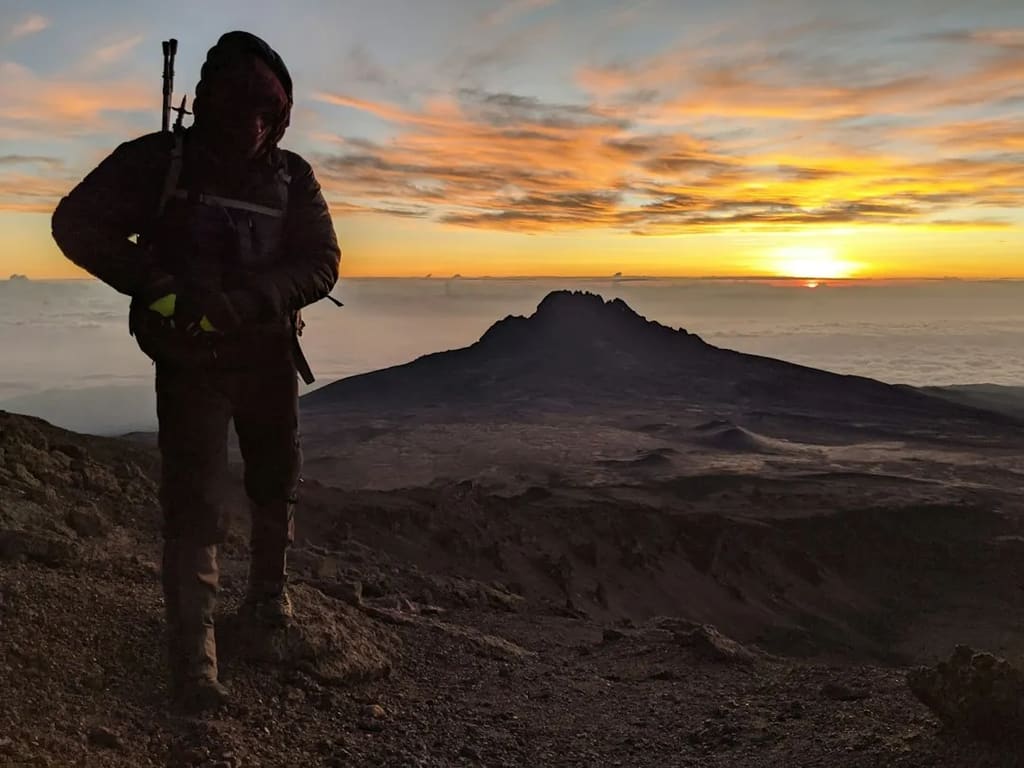
Then there’s Kilimanjaro, which at 5,895 meters is the highest mountain in Africa and a freestanding peak. Many routes are open to fit trekkers and don’t require technical climbing, though altitude is a real challenge. Choosing a longer route improves your chances of reaching the summit.
Zanzibar rounds things out with Stone Town, a UNESCO listed old quarter with Swahili, Arab and European influences. It also offers beaches for recovery after safari or climb. Entry requirements vary by passport, so verify them with official sources before booking.
Laos: Slow Rivers, Waterfalls and Temple Towns
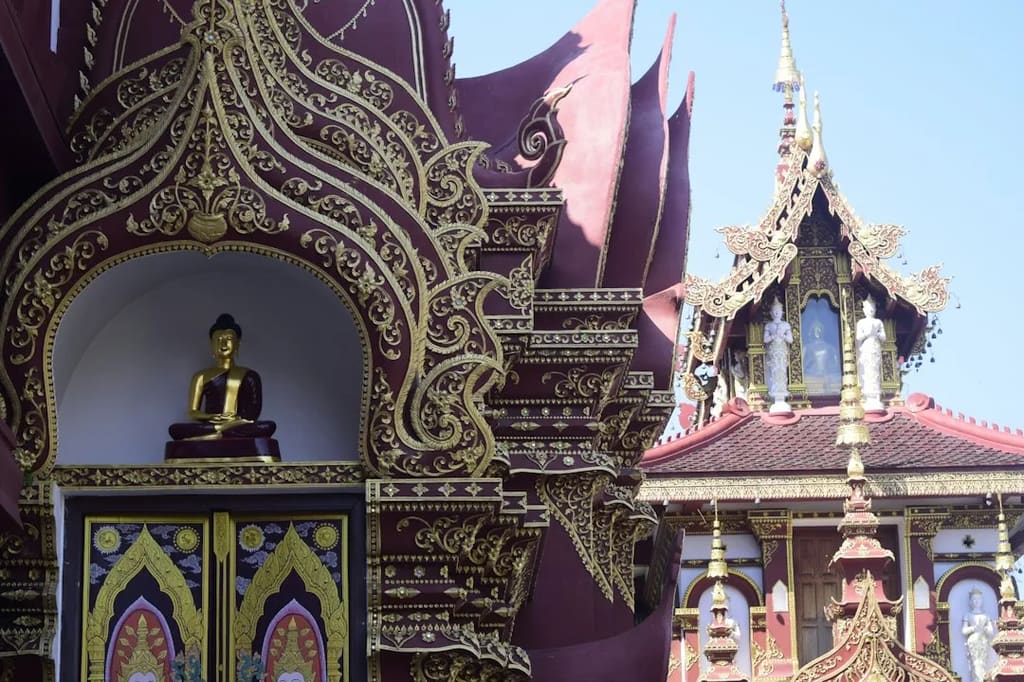
Laos is a landlocked country with a Mekong river pace of life. Luang Prabang, a UNESCO World Heritage town, is known for gold roofed temples and the early morning alms giving procession. Nearby, the turquoise tiers of Kuang Si Falls are a popular swimming stop.
Travel has become simpler since the China Laos railway opened in December 2021, linking Vientiane with the north. In the far south, the Four Thousand Islands area on the Mekong is a quiet place to rest. The Plain of Jars, a field of ancient stone vessels, joined the UNESCO list in 2019.
Laos remains one of the less developed destinations in the region, which is part of its appeal. Facilities in rural areas can be basic. Bring cash and patience, and you’ll be rewarded.
Ethiopia: A Country With Its Own Calendar and Its Own Rules
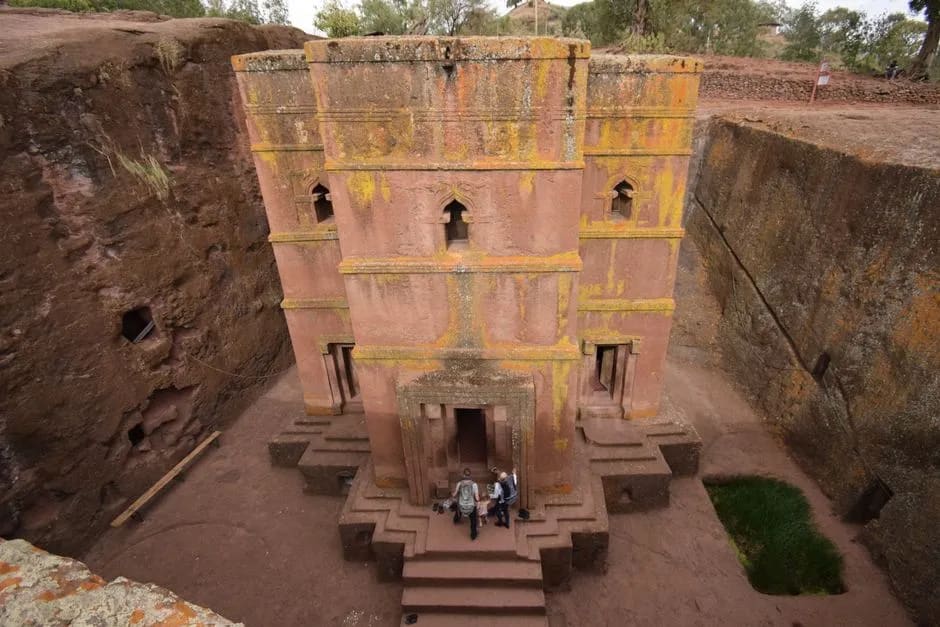
Ethiopia runs on a calendar of thirteen months that sits several years behind the Gregorian one, so visiting can feel like stepping into another timeline. In Lalibela, eleven medieval churches are carved down into solid rock and remain active places of worship. The site is a UNESCO World Heritage listing and a major pilgrimage destination.
The Simien Mountains offer dramatic escarpments and gelada monkeys, which are found in the highlands. In the north east, the Danakil Depression is one of the hottest and most otherworldly landscapes anywhere, with colorful sulfur fields and salt flats. Ethiopian coffee ceremonies, with fresh roasting and a long serving ritual, are an everyday highlight.
Security conditions differ widely between regions, and some areas have had government warnings in recent years. Check your own country’s travel advisory before planning, and use experienced local guides for remote areas. With the right preparation, the historic circuit remains one of Africa’s most memorable trips.