Wildlife news tends to arrive in two flavors: heartbreak or triumph. The truth, as usual, sits in between, and it changes from one place to the next. Some landscapes are quietly rebuilding their animal populations, while others are losing ground faster than many travelers realize.
This gallery walks through eighteen places, grouped by how they’re faring right now. Twelve are doing well, though rarely without effort or caveats. Six face real pressure, and the evidence for that comes mostly from recent surveys and long running research programs.
Bwindi Impenetrable National Park, Uganda
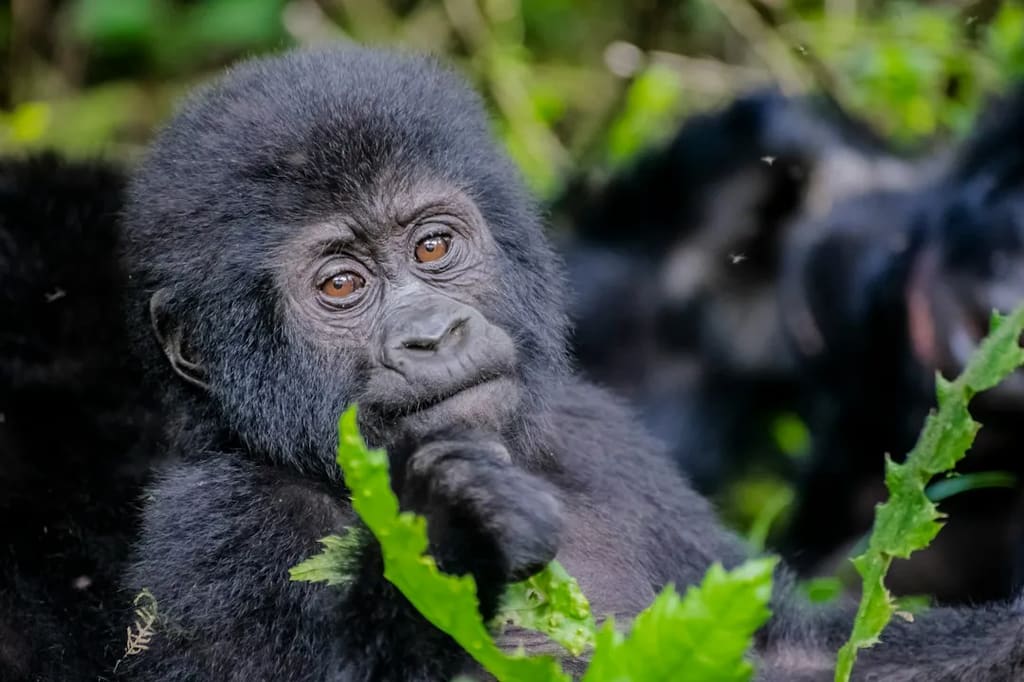
Bwindi is a cool, steep forest in southwest Uganda, at the edge of the Albertine Rift[1]. The latest confirmed count is at least 459 gorillas for Bwindi and the neighboring Sarambwe reserve, from 2018.[1] That’s up from 400 at the previous census[2].
Visits are tightly controlled, with a maximum of one hour per day with a gorilla group[1]. A newer survey is on the way, since results of a survey covering 2025 and 2026 are still awaited[1]. Until then, treat any bigger number you see online as an estimate.
Volcanoes National Park and the Virunga Massif, Rwanda
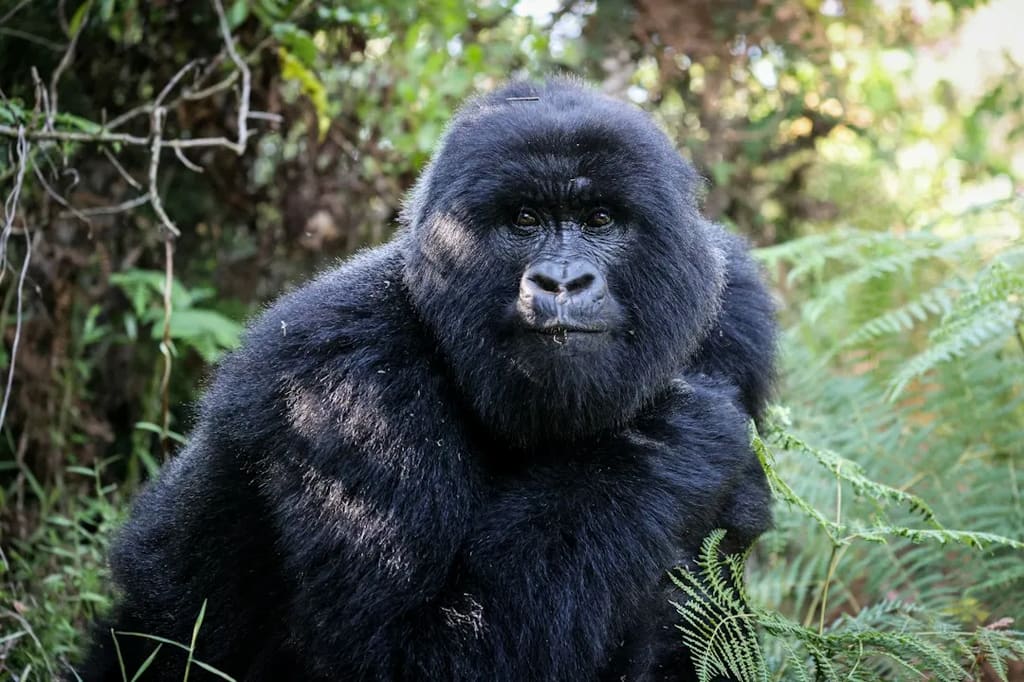
Rwanda’s Volcanoes National Park is the country’s slice of the Virunga massif, which is shared with Uganda and Congo. The numbers here tell a clear story. The Virunga population counted 604 as of 2016, up from 480 in 2010[3], after an all time low of 242 in 1981[3].
Mountain gorillas are the only great ape whose wild population is currently increasing[4]. In 2018, the IUCN moved the species from Critically Endangered to Endangered[5]. That’s progress, though with roughly a thousand animals in total, the margin for error stays thin.
Ranthambore National Park, Rajasthan, India
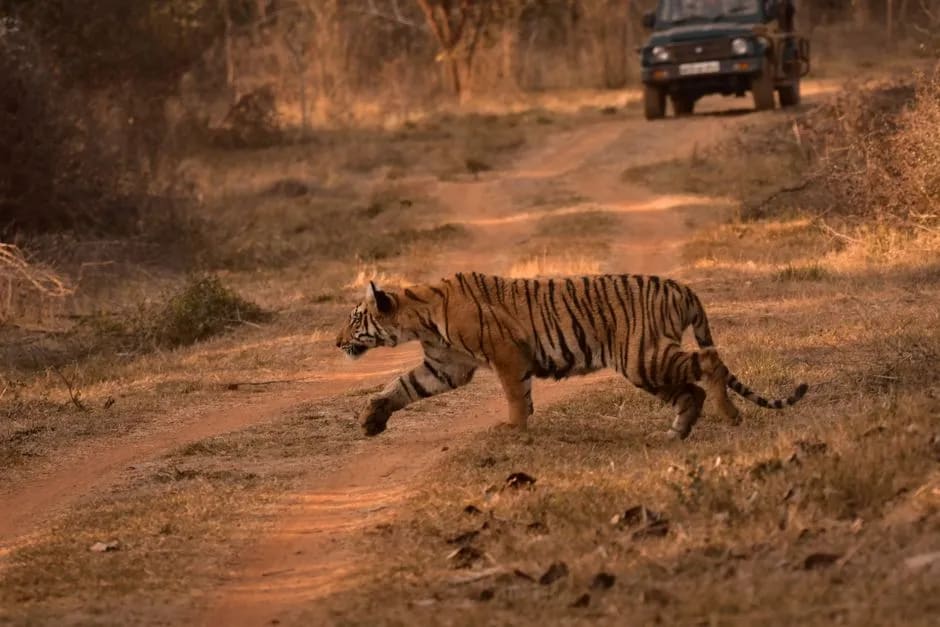
Ranthambore is the place people picture when they imagine tigers lounging among old stone ruins. It’s also a genuine success on paper. Rajasthan’s tiger population has risen to 149 across five reserves, with Ranthambore holding 72.[6]
The park is regarded as among India’s most successful reserves for breeding and cub survival[6]. Visitors have a decent chance of sightings because the tigers are used to safari vehicles. Book early, since seats in the zones fill up quickly.
Sariska Tiger Reserve, Rajasthan, India
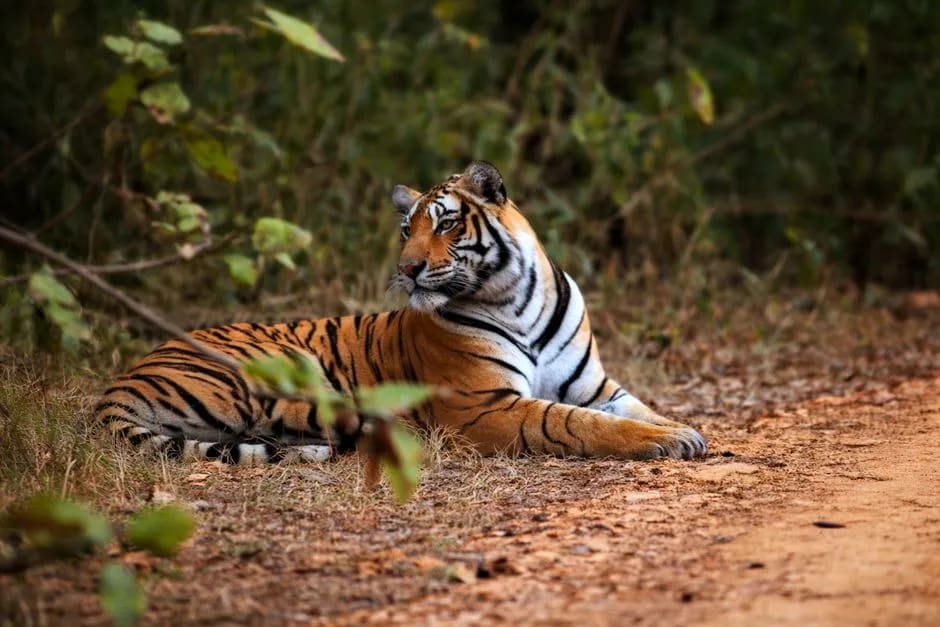
Sariska has the more dramatic backstory. Tigers there had once become completely extinct, and the reserve is now home to 53[6].
The recovery is described as the world’s first successful scientific reintroduction of tigers[6]. It’s a useful reminder that local extinction isn’t always the end of the story. Rebuilding takes years of patient work, though, and Sariska shows what that looks like.
Jim Corbett National Park, Uttarakhand, India
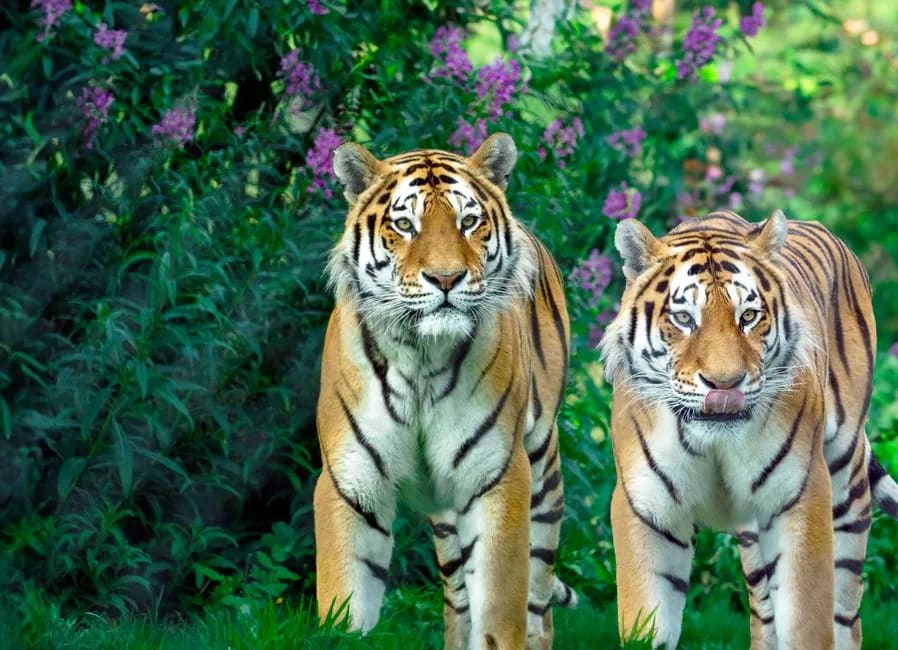
Corbett is one of India’s oldest protected areas, set in the Himalayan foothills. In the 2022 national estimate it had the highest tiger population of any reserve and the highest density[7]. One source puts the figure at 260[8], while another lists a lower tally, so it’s safest to say it holds well over two hundred tigers.
Corbett also helps illustrate a wider point. Of India’s 3,682 tigers, 2,338 live inside reserves and 1,344 outside them[8], according to a 2026 NTCA road map. The next national count is underway, since fieldwork began in January 2026 and the final report is expected in 2027[8].
Kanha Tiger Reserve, Madhya Pradesh, India
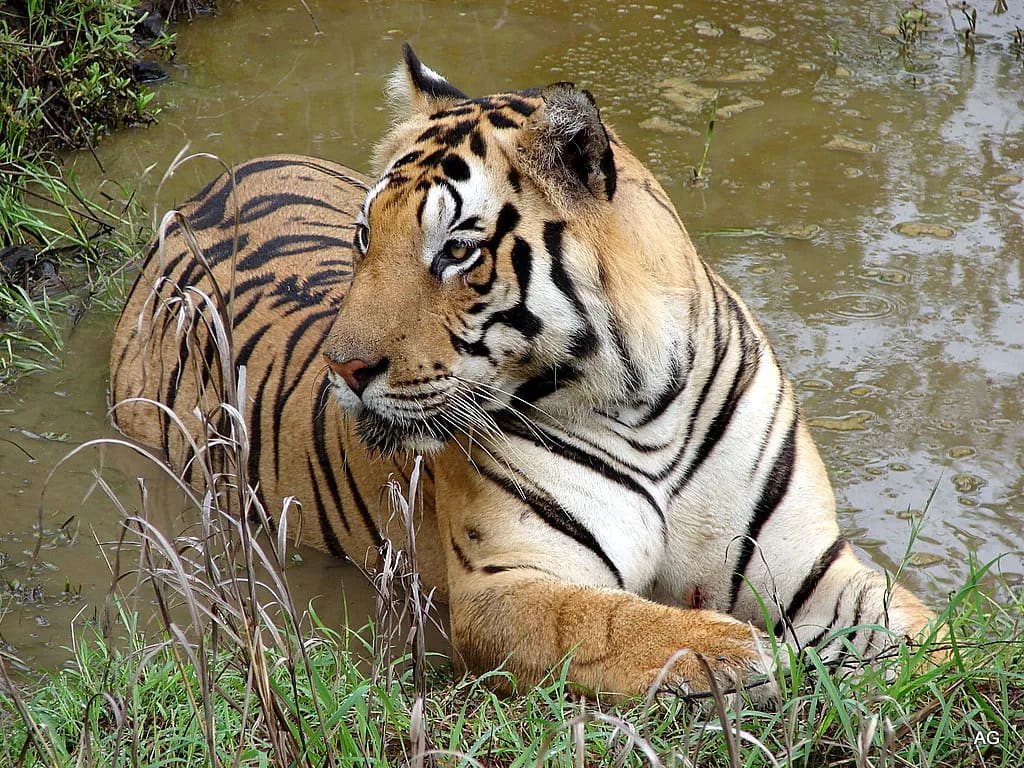
Kanha belongs to the central Indian cluster, the most critical block, including Kanha, Pench and Satpura[9]. The state around it leads the country, with Madhya Pradesh holding the largest state population at 785 tigers in the 2022 estimation[8].
The sal forests and open meadows here are good for wildlife watching beyond tigers. It’s the kind of reserve where patience pays off. Plan on several drives rather than one.
Terai Arc and Chitwan, India and Nepal
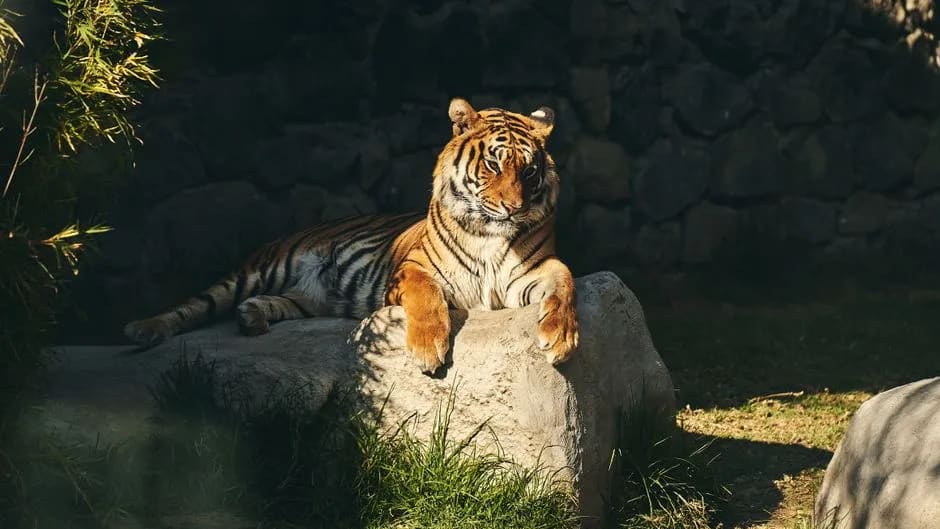
The Terai Arc runs along the border between India and Nepal, and it’s one of the clearest regional recoveries. The landscape now holds an estimated 560 tigers, more than triple the number recorded two decades ago[10]. Nepal’s Chitwan National Park sits within this belt and is also known for greater one horned rhinos.
The catch is connectivity. Researchers warn that corridors are being fragmented by highways, railways, mining approvals and encroachment[10]. The animals are doing well, yet the land between the parks matters just as much as the parks themselves.
Maasai Mara National Reserve, Kenya
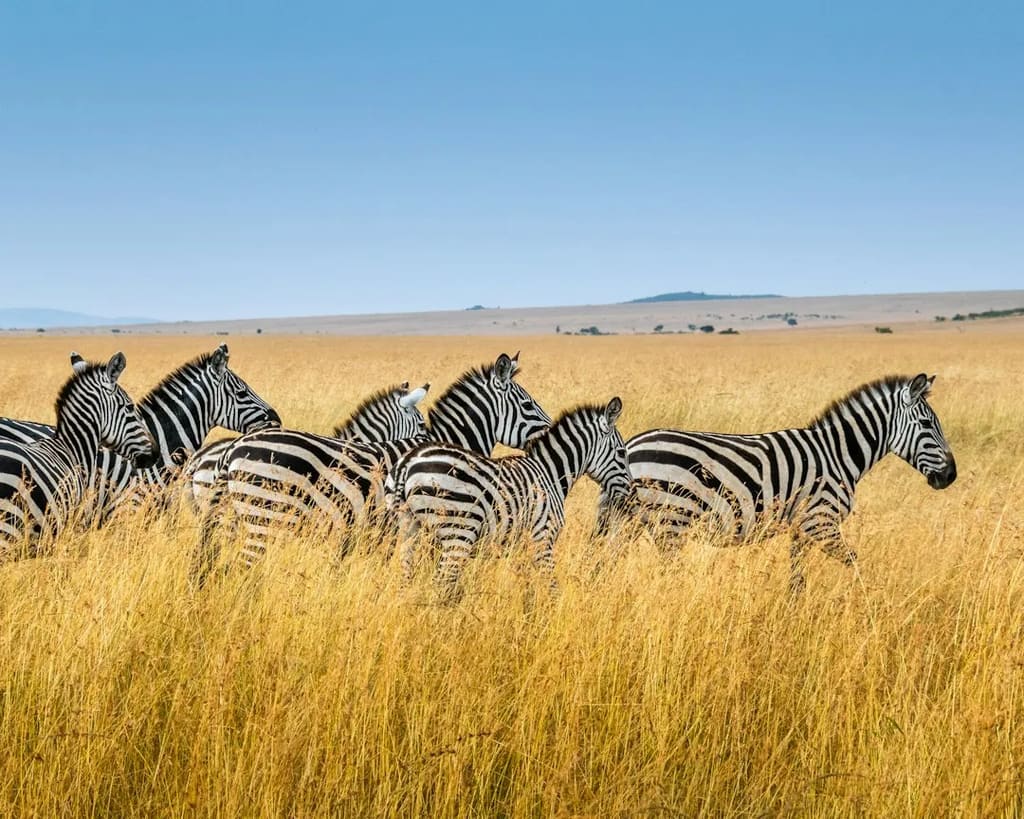
The Mara is the Kenyan end of the Serengeti and Mara ecosystem, where the annual wildebeest migration crosses the Mara River, usually between July and October. Big cats, elephants and hippos are present year round, which makes the reserve rewarding outside migration season too.
Private conservancies on the reserve’s edge have become an important part of the picture. They limit vehicle numbers and lease land from local Maasai landowners. If you want quieter sightings, they’re worth considering over the busiest river crossings.
Okavango Delta, Botswana
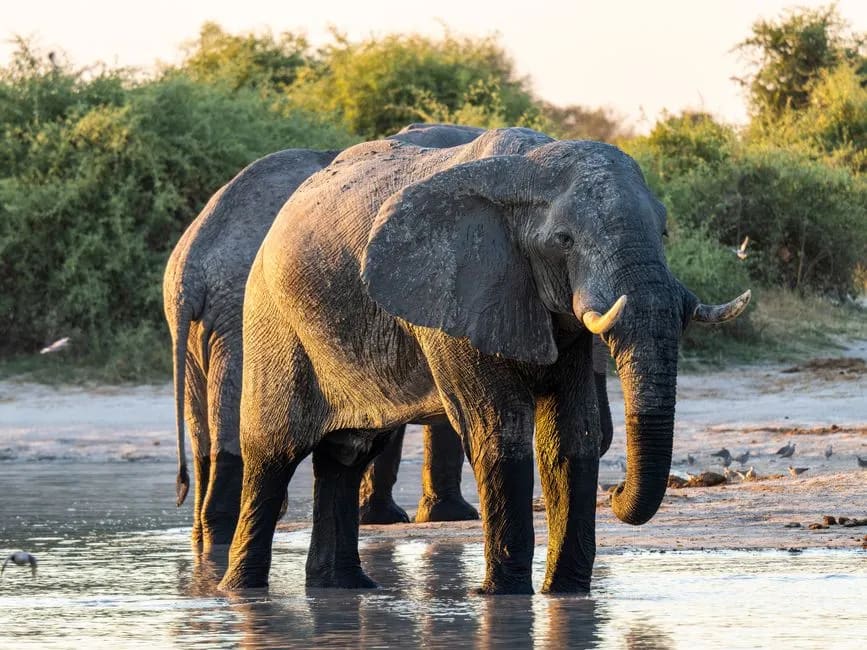
Botswana is widely recognized for holding more elephants than any other country, and the Okavango region is a major reason why. The delta is a UNESCO World Heritage Site, and its seasonal floods draw wildlife into the channels and islands each dry season.
Visiting by mokoro, a traditional dugout canoe, is one of the more intimate ways to see it. High-value, low-volume tourism policies keep camp numbers modest. That approach helps protect the experience as well as the habitat.
Etosha National Park, Namibia
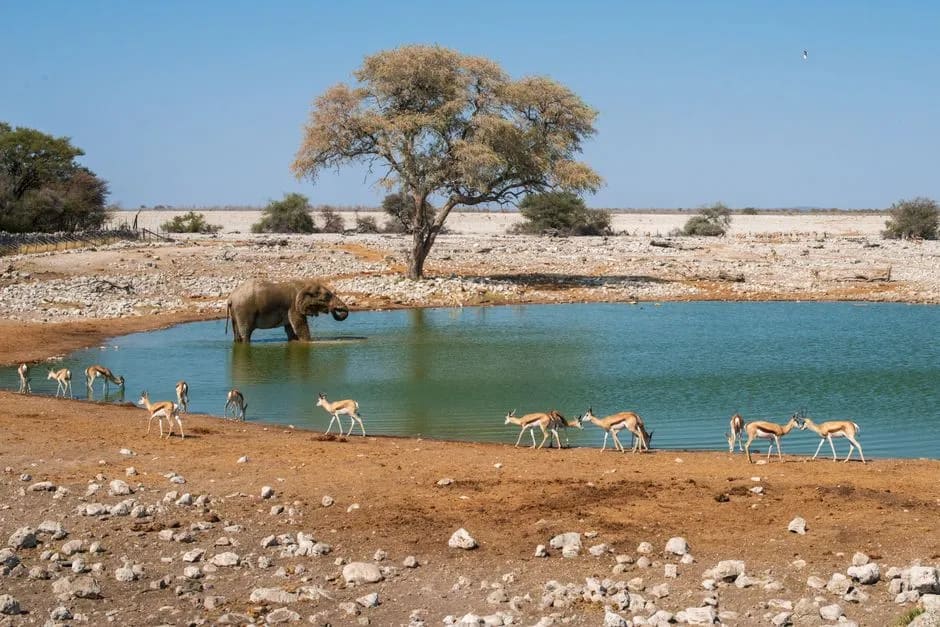
Etosha is built around a vast salt pan and a set of waterholes where animals gather, including black rhinos. Some camps have floodlit waterholes, so you can watch quietly after dark from a bench instead of a vehicle.
Namibia is also known for its communal conservancies, which let rural communities benefit from wildlife outside parks. Conservationists often credit that model with helping animal numbers recover. Poaching remains a concern across southern Africa, so the gains require ongoing protection.
Yellowstone National Park, United States
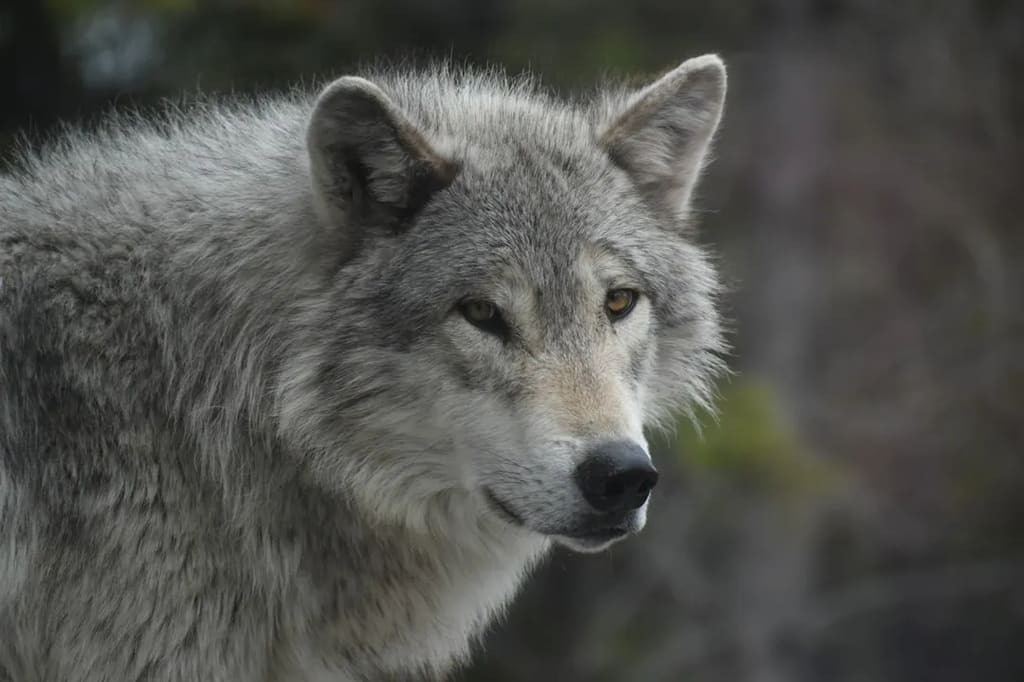
Wolves were returned to Yellowstone in the mid 1990s after decades of absence, and the park has been a classic case study in predator recovery ever since. Lamar Valley is the best known spot for watching them, especially in winter, when the animals show up clearly against the snow.
Wolf numbers fluctuate year to year, so sightings are never guaranteed. Bison, elk and grizzlies make the trip worthwhile anyway. Bring a spotting scope if you can.
Katmai National Park and Preserve, Alaska
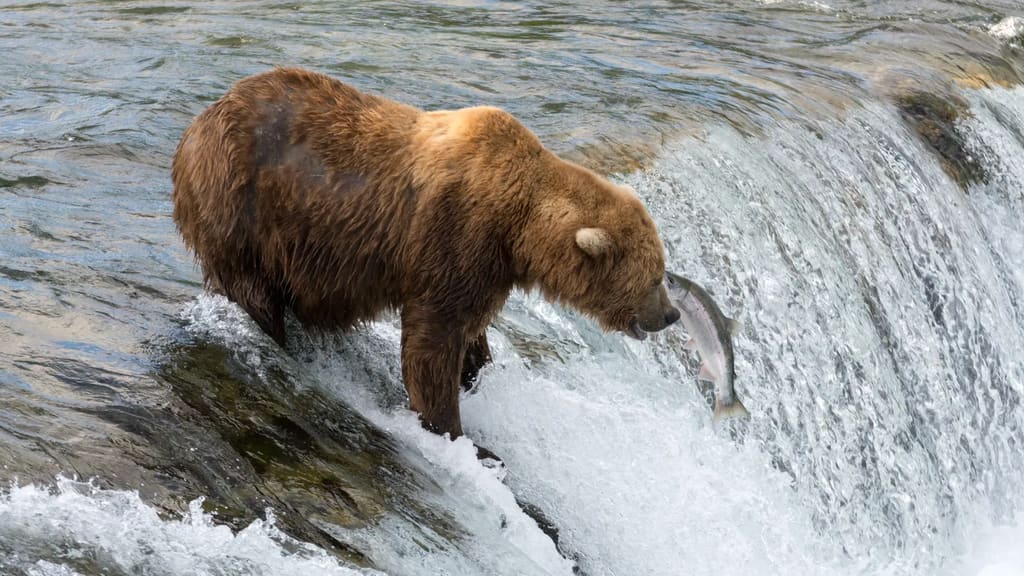
Katmai is known for brown bears gathering at Brooks Falls to catch salmon, mostly in July and again in early autumn. The park is home to roughly two thousand bears, which is why it’s the setting for the popular Fat Bear Week contest each October.
The park is remote and reached by floatplane or boat, which keeps visitor numbers manageable. Viewing platforms separate people from the bears. It’s a well managed example of tourism and wildlife sharing the same river.
Great Barrier Reef, Australia

The reef is still spectacular, but the data have turned worrying. After mass bleaching in 2024 and 2025, it suffered the biggest declines in coral cover in recorded history, according to the Australian Institute of Marine Science.[11] The institute surveyed 124 reefs[12], and 48 percent had a decline in coral cover[13].
The northern reef dropped by about a quarter, from 39.8 percent to 30 percent[14], while the southern reef fell by almost a third[14]. There’s a hopeful footnote. The reef remains in comparatively better condition than many other coral reefs in the world[15], though bleaching has now struck in 1998, 2002, 2016, 2017, 2020, 2022, 2024 and 2025[11]. The figures here come from the August 2025 report.
Churchill and Western Hudson Bay, Canada
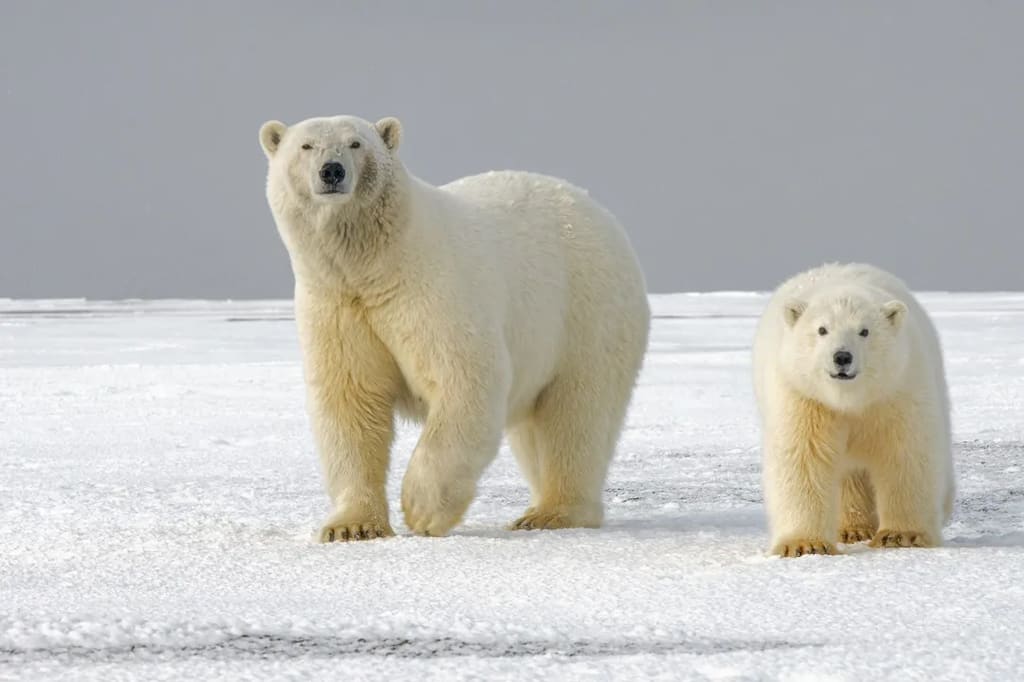
Churchill is probably the most accessible place on Earth to see wild polar bears, and the bears are in decline. The most recent survey estimated 618 bears in 2021, down more than a quarter from 842 in 2016[16]. The population is now about half the size it was in the 1980s[17].
Related Stories From Travelbinger

The cause is ice. The ice free period is now roughly three to four weeks longer than in the early 1980s[16], which means more time fasting ashore. A 2025 study in Science linked declining sea ice to the energy available to bears, their reproduction and the population’s decline[16].
The Pantanal, Brazil
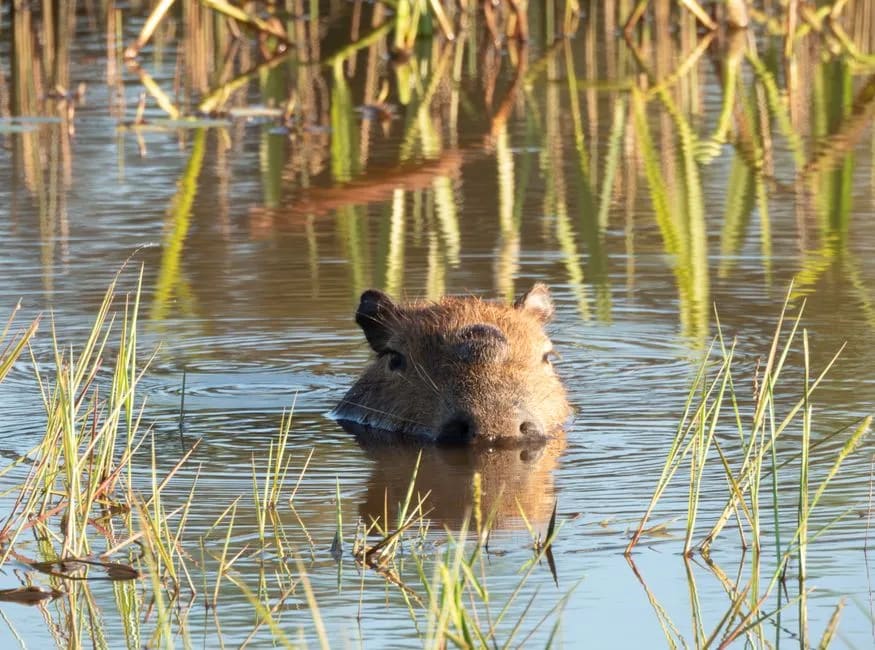
The Pantanal is the world’s largest tropical wetland and one of the best places to see wild jaguars, often from a boat along the riverbanks. It’s also a place where drought and fire have become recurring threats, with severe fire seasons in 2020 and again in 2024.
Wetlands depend on predictable flooding cycles, and those are shifting. Cattle ranching and land clearing add further pressure. Jaguar tourism has given local people an incentive to protect the animals, but it can’t stop a fire on its own.
Borneo, Malaysia and Indonesia
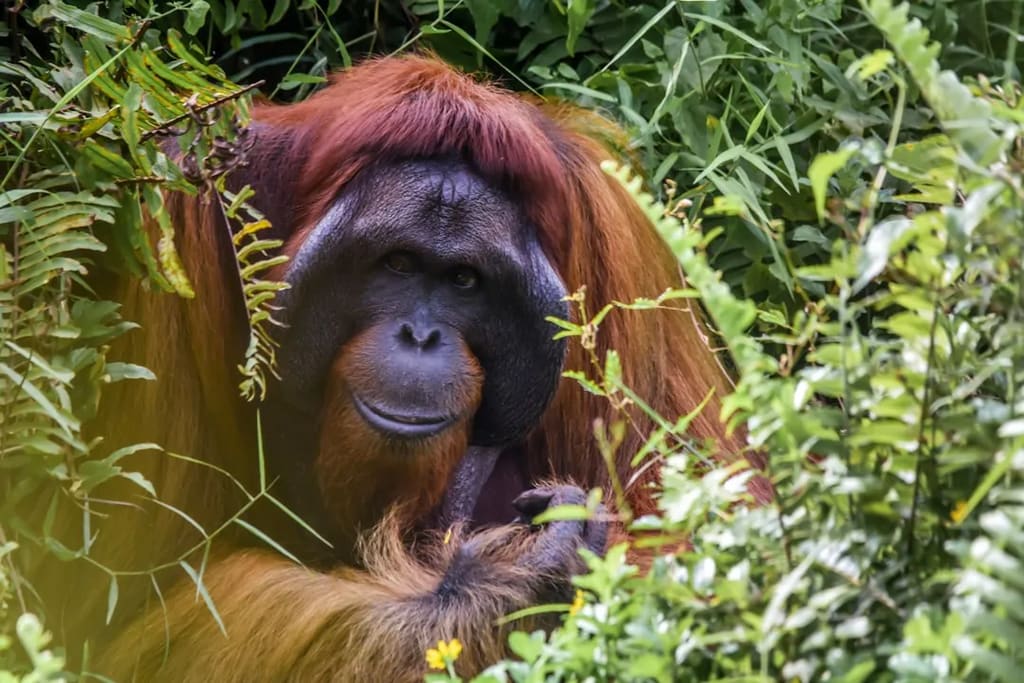
Borneo’s orangutans live in forests that have been steadily cut for timber and oil palm plantations. A widely cited 2018 study estimated that more than one hundred thousand Bornean orangutans were lost between 1999 and 2015. The species is listed as Critically Endangered.
You can still see them in places like Tanjung Puting in Indonesia and Sepilok in Malaysia. Choose operators that follow distance rules and support local rangers. Responsible visits help, but they don’t replace protecting forest.
Madagascar’s Rainforests
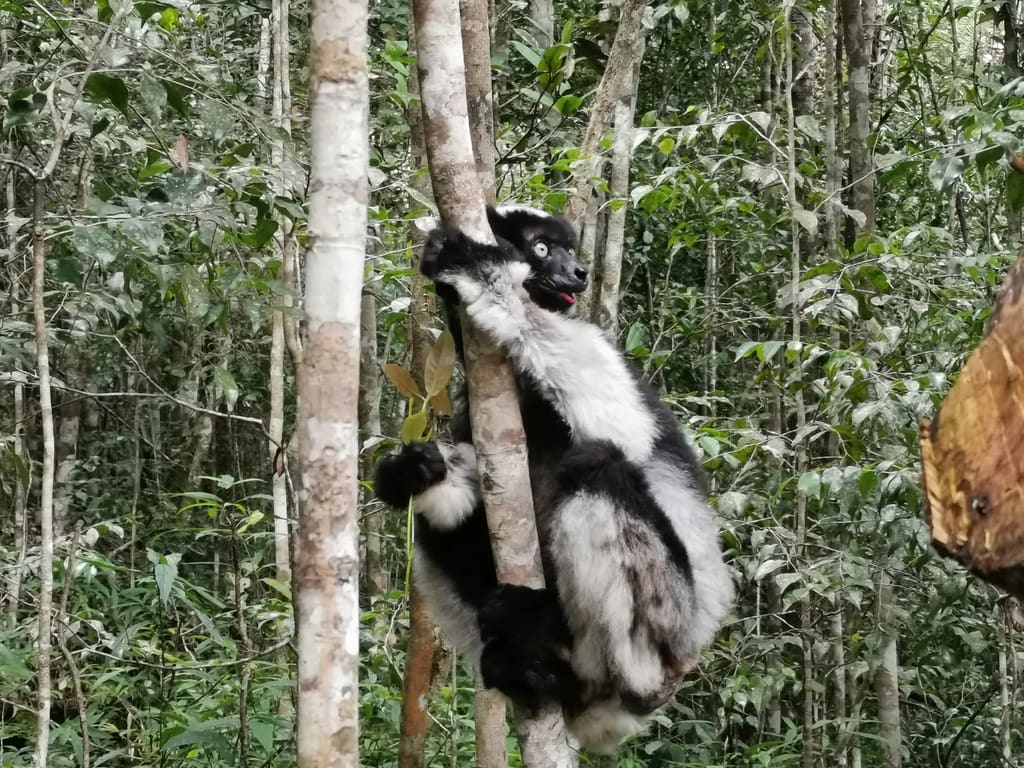
Madagascar is the only home of all lemur species, and the IUCN has reported that nearly all of them face extinction. The island has lost large amounts of its original forest to farming, charcoal production and logging, and lemurs have nowhere else to go.
Parks like Andasibe Mantadia, famous for the indri’s haunting calls, and Ranomafana offer the best chances of seeing them. Visitor fees support those reserves directly. For many species, that revenue is a big part of what keeps the forest standing.
The Sundarbans, India and Bangladesh
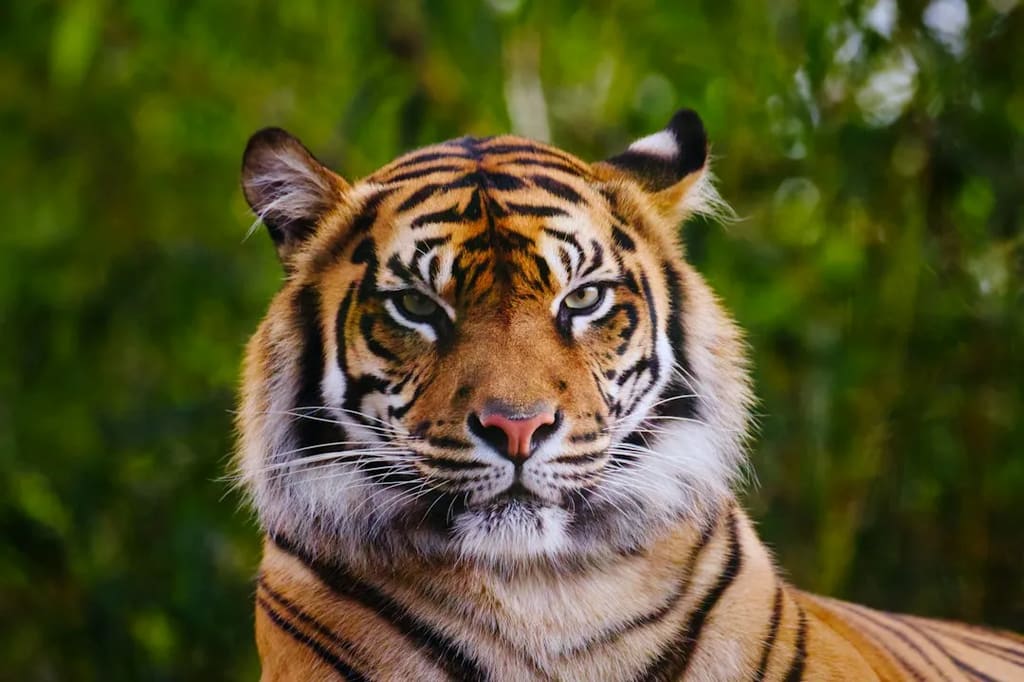
The Sundarbans is the world’s largest mangrove forest, shared by India and Bangladesh, and it’s one of few places where tigers live among tidal creeks. Rising seas, stronger cyclones and increasing salinity are changing the ecosystem the tigers depend on.
Sightings are rare, and visits are usually by boat along narrow channels. People who live at the forest’s edge also face real danger from encounters with tigers. Those pressures make the Sundarbans a delicate example of climate, wildlife and livelihoods overlapping.