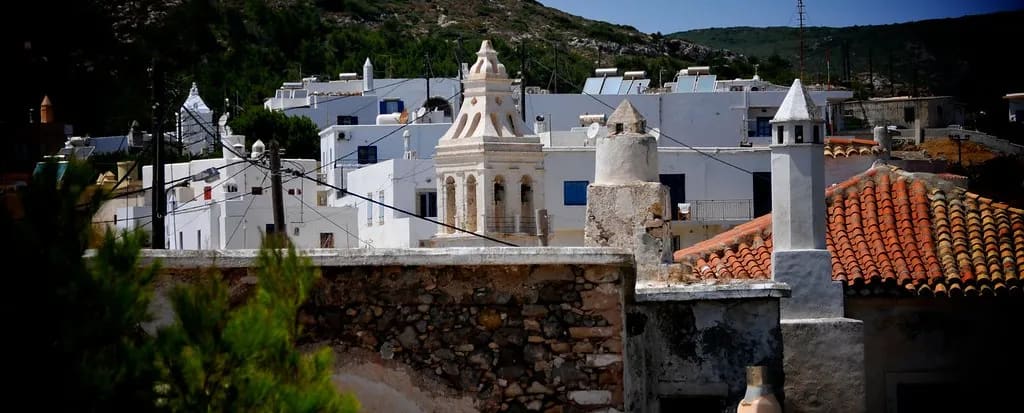
On the busiest days, Santorini has taken in about 17,000 cruise visitors, on an island with roughly 15,000 residents[1]. Greece has since stepped in with a daily cap of 8,000 cruise visitors for both 2025 and 2026[2]. Even so, the queues at the famous blue domes haven’t turned the island into a quiet place.
The good news is that Greece has more than 200 inhabited islands, and plenty of them still move at an unhurried pace. The seven below differ in size, access and mood. Each one gives you something Santorini can’t promise in July: room to breathe.
Folegandros, the Cliff Village With Room to Spare
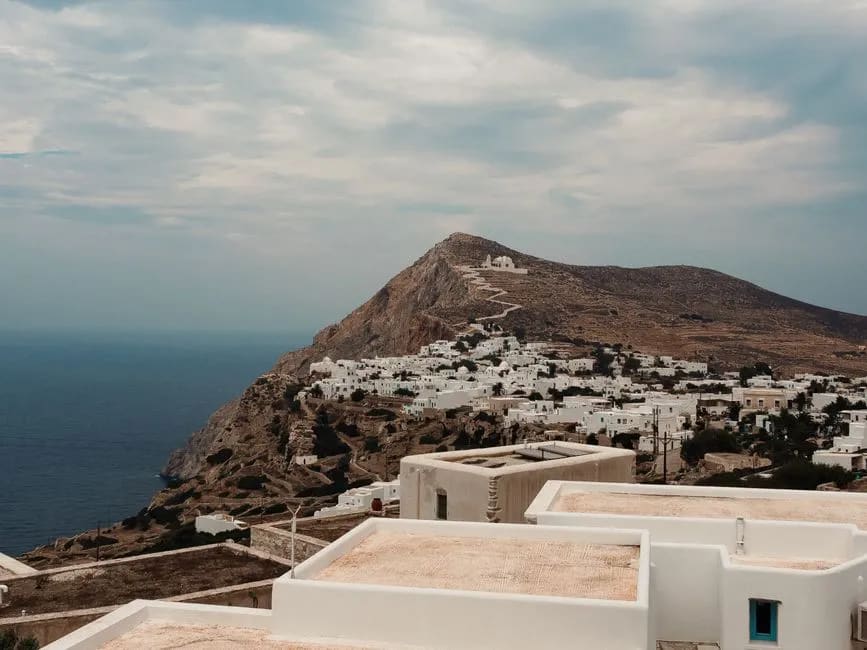
If it’s Santorini’s drama you’re after, Folegandros delivers a version of it. Its whitewashed Chora sits on a 200 metre cliff above the Aegean[3], and the island is small enough that you can see most of it on foot. It has under a thousand residents[4], which explains the stillness once the evening ferry has gone.
There’s no airport here. Folegandros is reached only by ferry, and the effort of arriving filters out the day trip crowd.[3] The trip takes about three hours and forty minutes from Piraeus[5], and you’ll find boutique hotels[6] if you want some comfort when you get there.
Sifnos for Food, Pottery and Walking Trails

Sifnos is quiet in a polished way, with a food scene that draws people back. One island guide notes that it offers some of the best cooking and best marked walking trails in the islands[3]. Pottery is also part of its identity, and the workshops are a good excuse to wander the villages.
It isn’t empty, and it doesn’t pretend to be. Sifnos has 2,777 residents, the most of any island on one Cyclades route without an airport[4], plus 1,103 licensed hotel beds[4]. It gets moderately busy in August but never Mykonos crowded[7], and the fast ferry from Piraeus takes under three hours[8].
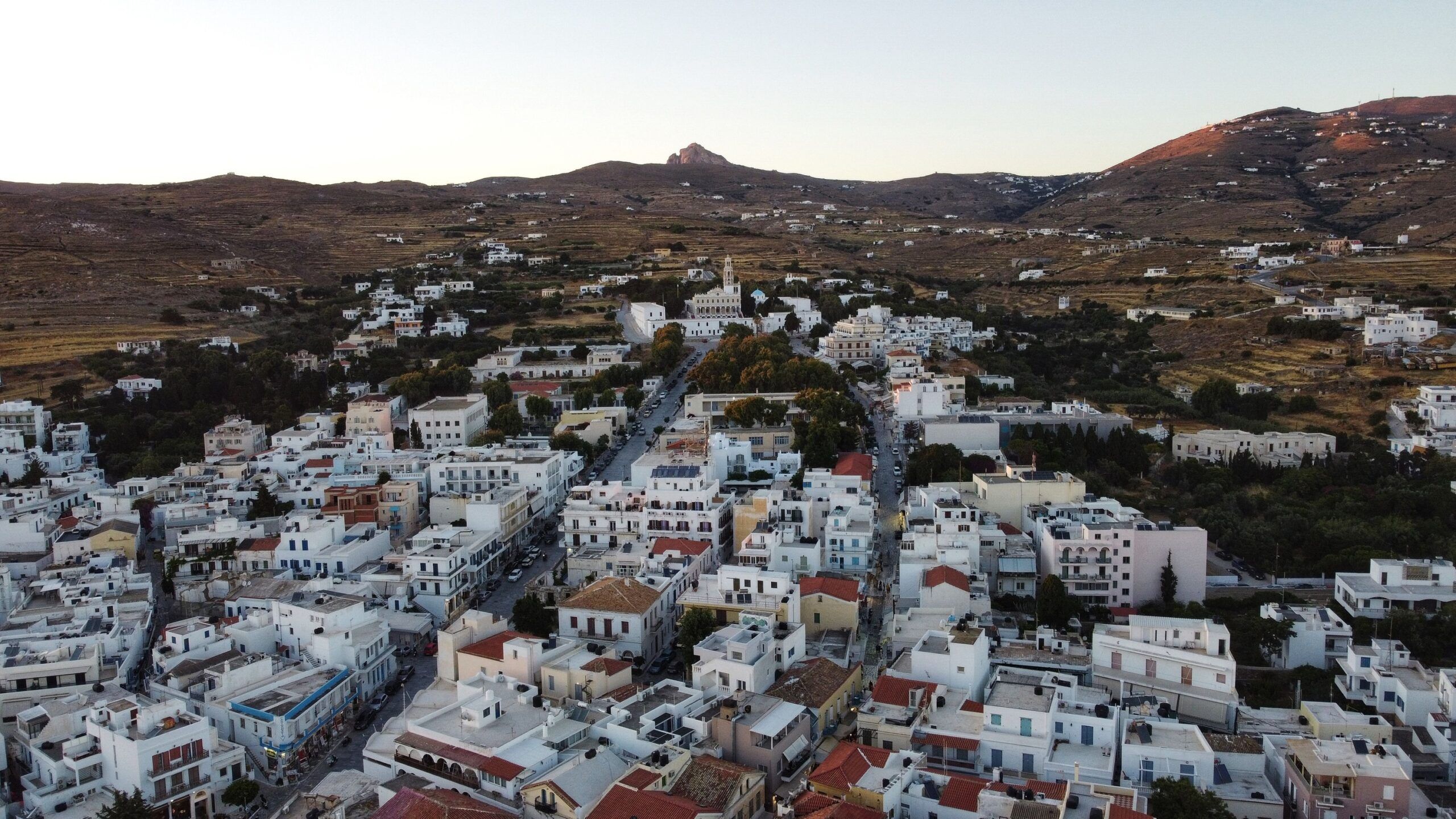
Tinos, Marble Villages and a Date to Avoid
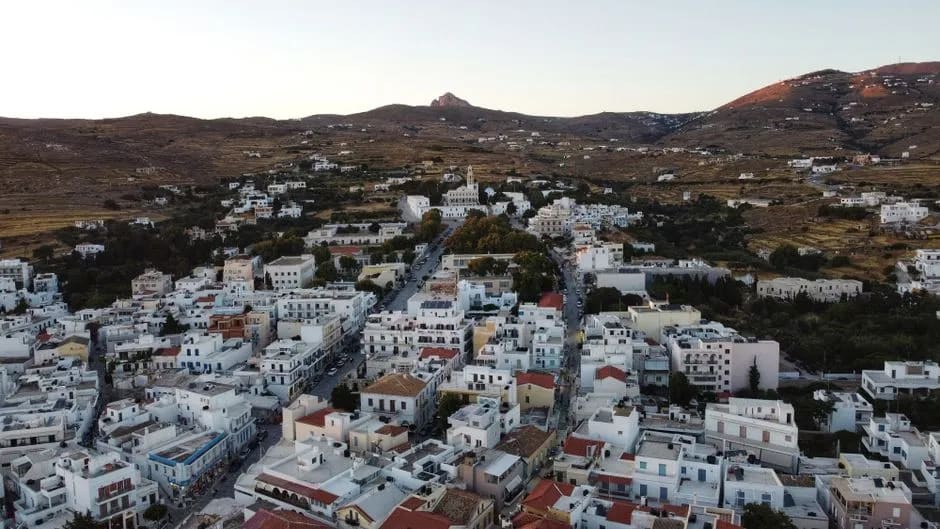
Tinos sits an hour from Mykonos but feels far removed from it. Its status as a pilgrimage island gives it a calm, unhurried seriousness[3], and the inland villages are known for marble craft. It works well for people who care about food and local culture more than beach clubs.
There’s one catch worth planning around. The island is low key except for the mid August pilgrimage[5], so avoid the days around August 15. Check the water situation too, since Tinos appears on the emergency lists checked among the alternatives[9] for 2026. Some travelers even base themselves on Tinos and visit Mykonos as a day trip[9], which flips the usual logic.
Naxos, Big Enough to Dilute the Crowds
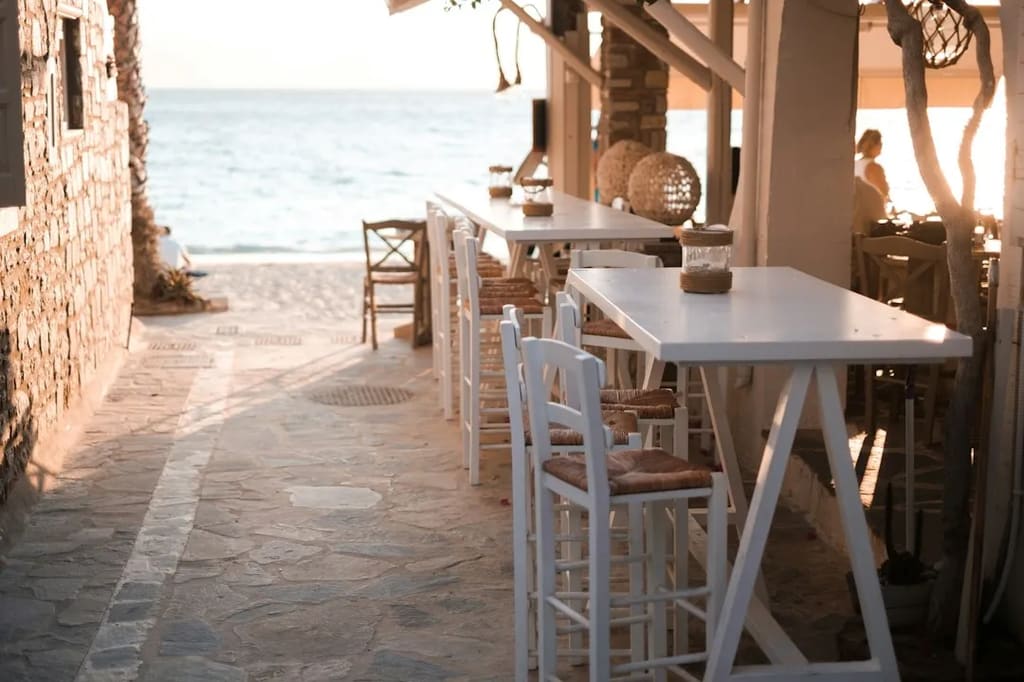
Naxos is the Cyclades’ largest island, and that size works in your favor. The cruise numbers show it: Naxos received just 98 ship calls in 2025, compared to 728 at Santorini[10]. It also has an airport with flights from Athens, which makes it an easy first stop.
The main resorts do get busy in summer, but you don’t have to stay there. Naxos has busy beach resorts but much quieter inland villages and eastern landscapes.[11] One guide adds that its southern beaches from Kastraki to Aliko remain surprisingly empty[8], so rent a car and head south.
Amorgos for Hiking and Big Blue Cliffs
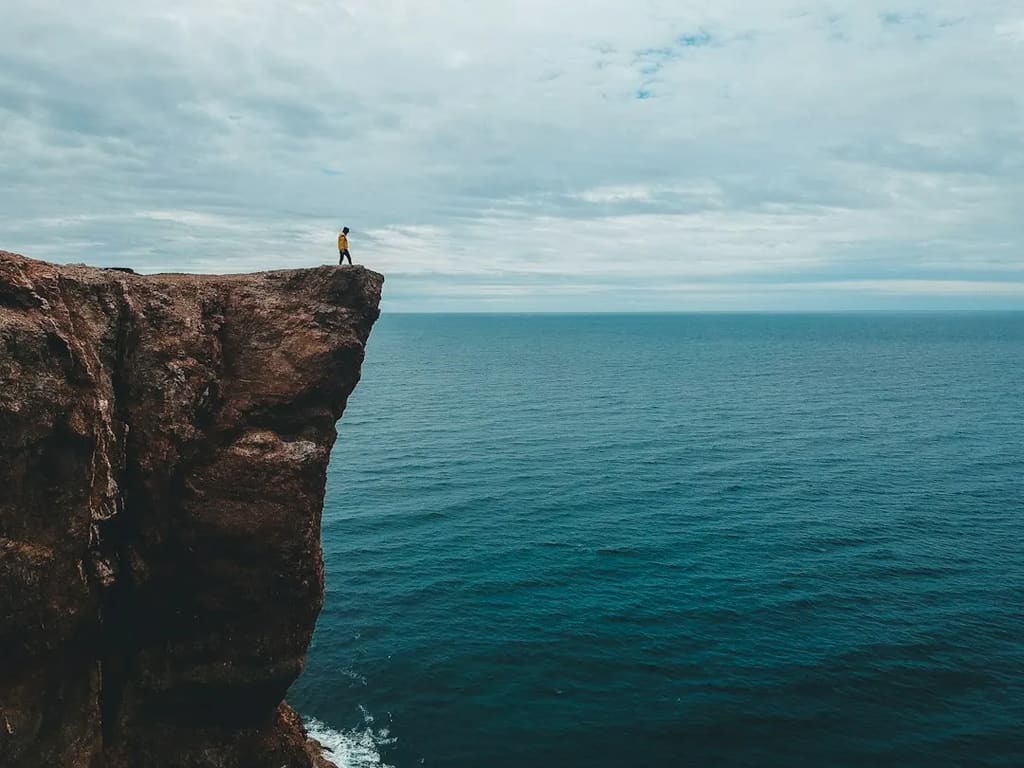
Amorgos is the island to pick if you’d rather walk than sunbathe. It’s known for cliff scenery and hiking, and travel guides list it among the six quietest Greek islands, along with Anafi, Donousa, Folegandros, Kimolos and Ikaria[5]. The coastline is steep and dramatic without being crowded.
Getting there takes a little commitment. Amorgos has no airport, and one guide lists the ferry from Naxos[12] as a common route. That slower journey is part of why evenings in the port town of Katapola stay low key.
Related Stories From Travelbinger

Ikaria, the Slow Island of the North Aegean
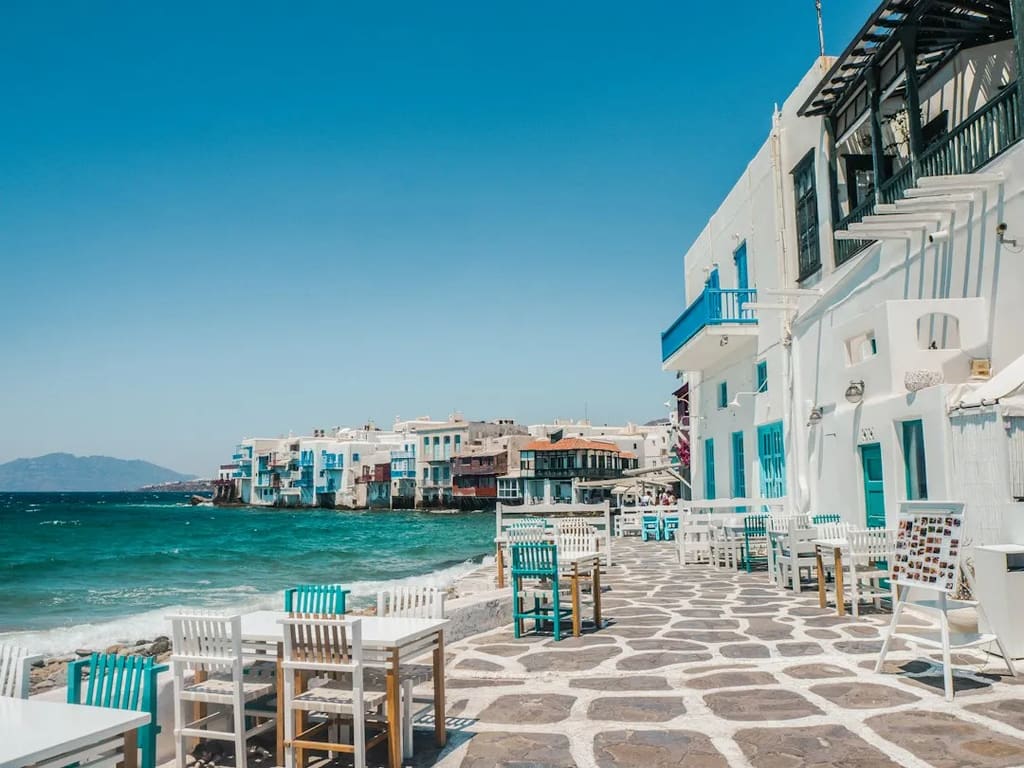
Ikaria sits in the northeast Aegean, far from the usual Cycladic circuit. It’s known as a Blue Zone, and centenarians are not uncommon in this much studied place[13]. The island suits visitors who like gorges, waterfalls and old forests, and hikers trace the many trails across the interior and coast[13].
Getting there is easier than you’d expect, since it has both a small airport and ferry connections from Athens[12]. Once you land, a car helps: Ikaria, Kythira, Limnos, Karpathos and inland Naxos are far easier with a car[11]. Messakti beach even has a surf school for beginners.
Kythira, Between the Peloponnese and Crete