Some places wear their age quietly. You turn a corner in a modern city and a column older than most religions is simply standing there, holding up nothing in particular. Other places stage it, with timed tickets, daily limits and purpose built museums.
The ten countries below are laid out like rooms in a gallery, each with its own era, its own landmark and its own recent news. Wherever a number or date appears, the source is named in the text so you can judge it yourself.
Egypt: The Pharaohs Get a New Home
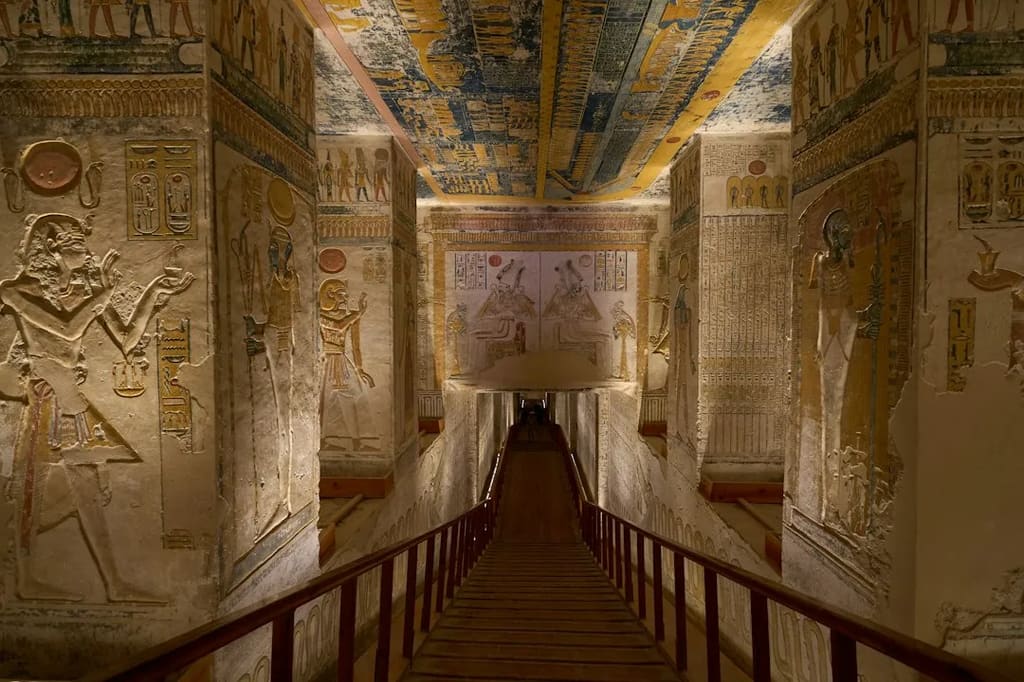
Egypt’s most important recent chapter happened in a museum. The Grand Egyptian Museum in Giza opened to the public on November 4, 2025, after many delays[1]. A ceremony had been held on November 1[2], with leaders from across the region in attendance.
The scale is hard to ignore. NBC News describes it as the largest museum in the world dedicated to a single civilization, with grounds of 117 acres just over a mile north of the Great Pyramids[2]. Forbes reports that the entire collection of treasures unearthed with Tutankhamun is displayed in one place for the first time since the tomb’s discovery in 1922[3]. According to Egypt’s Ministry of Tourism and Antiquities, the museum received roughly four million visitors from its official opening through the end of August 2026[4].
Greece: A Rock That Needs Crowd Control
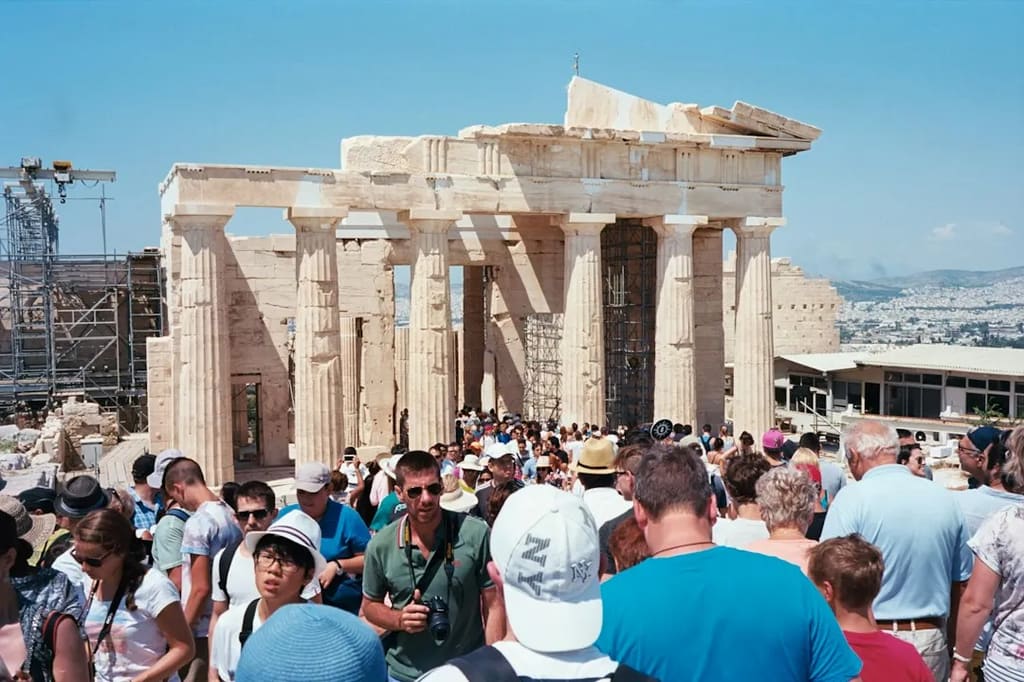
The Acropolis of Athens has stood above the city for well over two thousand years, and the Parthenon is its best known resident. That fame comes with a cost. Greece’s statistical authority, ELSTAT, counted 4,609,113 visits to the Acropolis in 2025, up about one percent from 2024[5].
To manage the flow, a cap of 20,000 visitors a day and a timed entry system were introduced in September 2023[5]. Rules have kept shifting since then. The government combination ticket that covered the Acropolis and six other Athens sites was discontinued in April 2025[6], so each site now needs its own ticket. The official Acropolis ticket costs €30 for adults all year[7].
Italy: Pompeii Under Limits
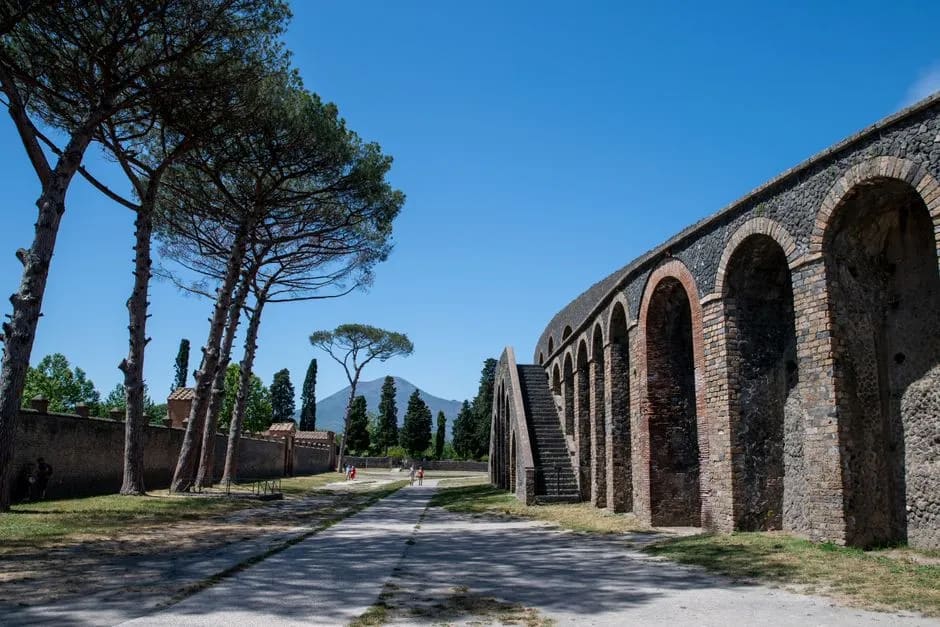
Pompeii was buried by the eruption of Vesuvius in 79 CE, which is exactly why it feels so intimate. You can walk its paved streets, peer into bakeries and read graffiti scratched into plaster. Its popularity has become a conservation problem of its own.
The park responded firmly. Officials announced a limit of 20,000 visitors a day and personalized tickets, after a record summer that saw over four million people visit[8]. The limit took effect on November 15, 2024, and tickets now carry visitors’ names[9]. In summer, up to 15,000 entries are allowed from 9:00 AM to 1:00 PM and up to 5,000 from 1:00 PM to 5:30 PM[9].
Jordan: Petra and a Slow Return
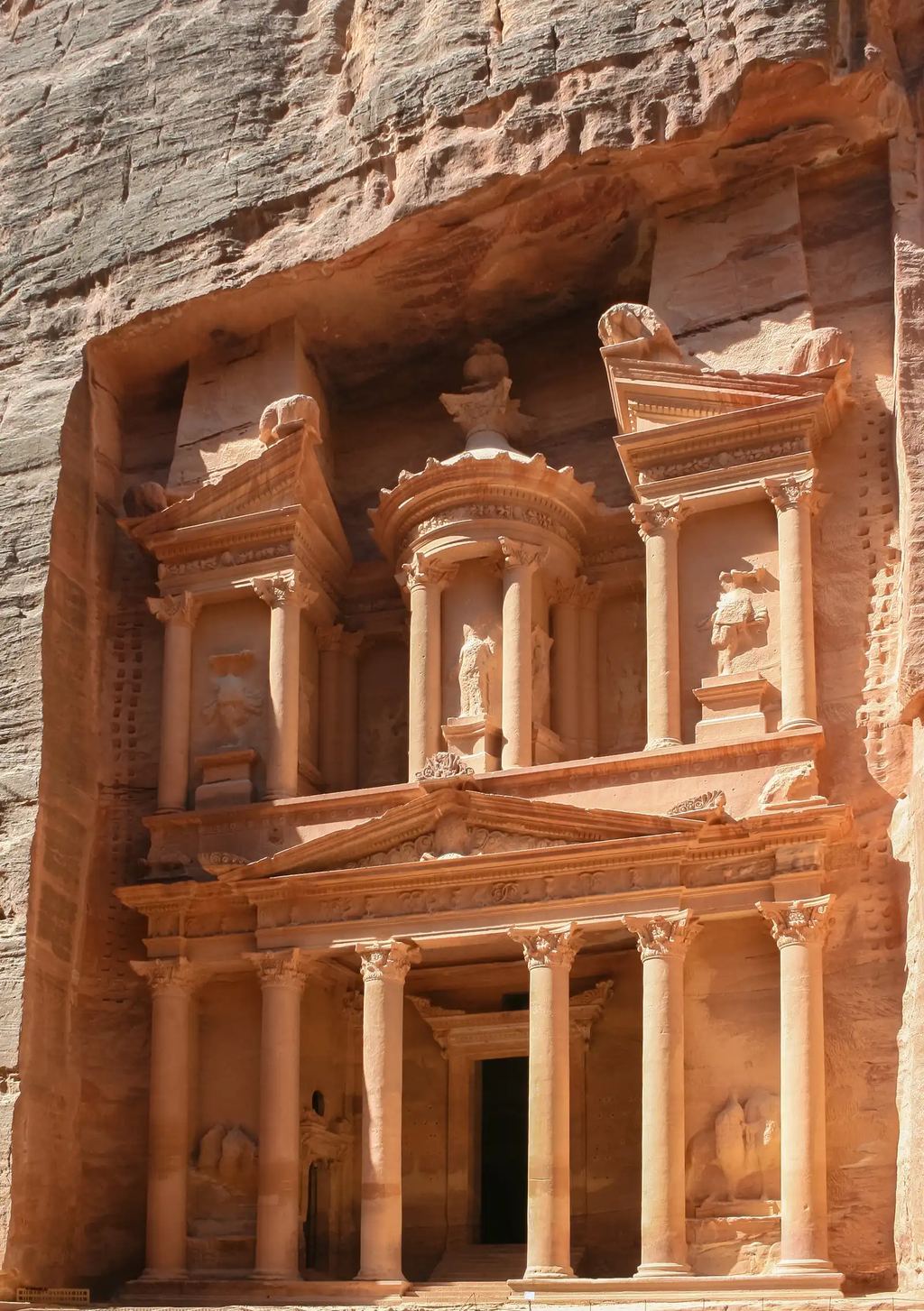
Petra was carved into rose coloured sandstone by the Nabataeans, a trading people who made the desert work for them. The narrow Siq canyon leading to the Treasury is one of the great approaches in archaeology. Visitor numbers, though, have followed regional events as much as history.
Jordan’s Petra Development and Tourism Region Authority put total visitors in 2025 at around 582,550, up 27 percent from 457,215 in 2024[10]. Foreign visitors reached 373,752, which was 64 percent of the total[10]. Context matters here, though. The site welcomed more than 1.1 million visitors in 2023[11], so the recovery is real but still partial.
Türkiye: Where Monuments Came Before Farming
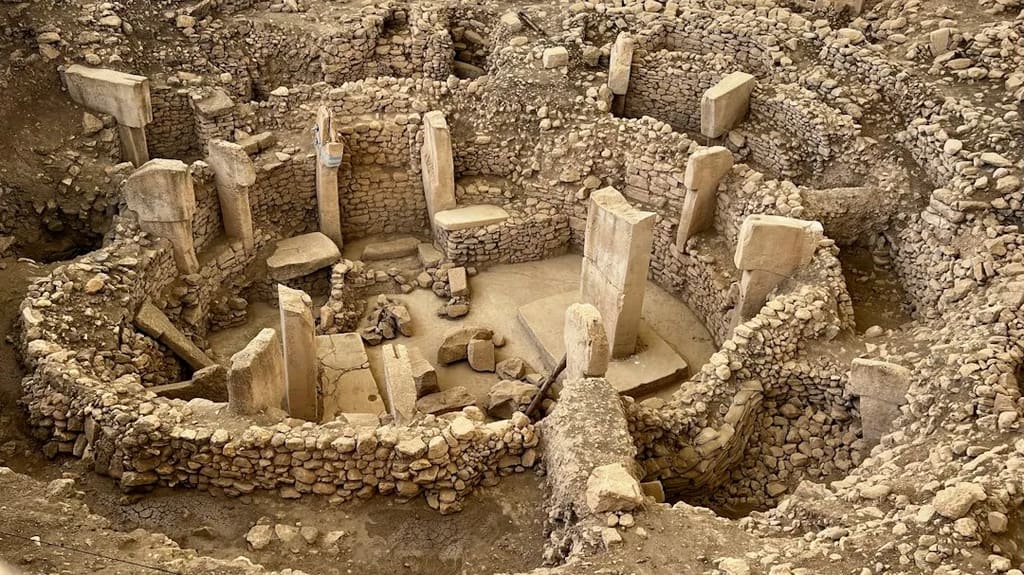
Göbekli Tepe, in southeastern Türkiye, rewrote assumptions about early humans. Its carved T shaped limestone pillars date back roughly eleven thousand years, which is more than six thousand years before Stonehenge. UNESCO added the site to the World Heritage List in 2018.
Türkiye’s story does not stop with that one hilltop. Çatalhöyük, a Neolithic settlement of packed together mud brick houses, was inscribed in 2012, and the Greek and Roman city of Ephesus followed in 2015. Together they cover a span from the first villages to imperial marble streets.
Iraq: The Cradle of Writing

Mesopotamia, the land between the Tigris and Euphrates, is where cities, bureaucracy and writing took shape more than five thousand years ago. Uruk, home to some of the earliest known cuneiform tablets, lies within Iraq’s borders. So does Ur, whose great ziggurat still rises from the flat southern plain.
UNESCO recognises this heritage in two key listings. The Ahwar of Southern Iraq, a landscape of marshes and ancient city mounds including Ur, Uruk and Eridu, was inscribed in 2016. Babylon followed in 2019. Few places have so many firsts packed into one country.
India: Cities of the Indus Age
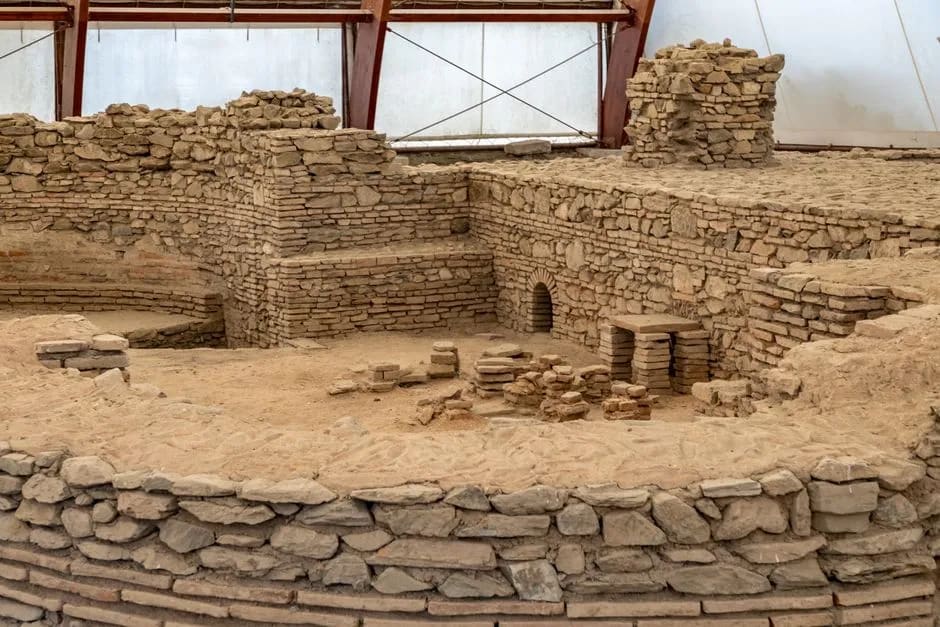
India’s ancient layers run deep, but the Harappan civilization is a striking starting point. Dholavira, in Gujarat, is a planned city roughly four and a half thousand years old, with stone walls and an elaborate system for storing water in a dry landscape. UNESCO inscribed it in 2021.
Moving forward a couple of thousand years, the Great Stupa at Sanchi in central India dates to the third century BCE and is linked to the emperor Ashoka. UNESCO listed it in 1989. The two sites show how long the subcontinent has been building on a grand scale.
Cambodia: The Temple City of Angkor

Angkor was the heart of the Khmer Empire, and Angkor Wat, raised in the early twelfth century, is its most famous temple. The surrounding archaeological park covers hundreds of square kilometers of temples, reservoirs and causeways. UNESCO placed it on the World Heritage List in 1992.
Related Stories From Travelbinger



Visiting it is a matter of pacing yourself. Angkor Wat is the headline, yet the Bayon, with its many carved stone faces, and Ta Prohm, where tree roots grip the masonry, reward a longer stay. Many travellers hold a multi day pass for exactly that reason.
Mexico: Pyramids Before the Spanish
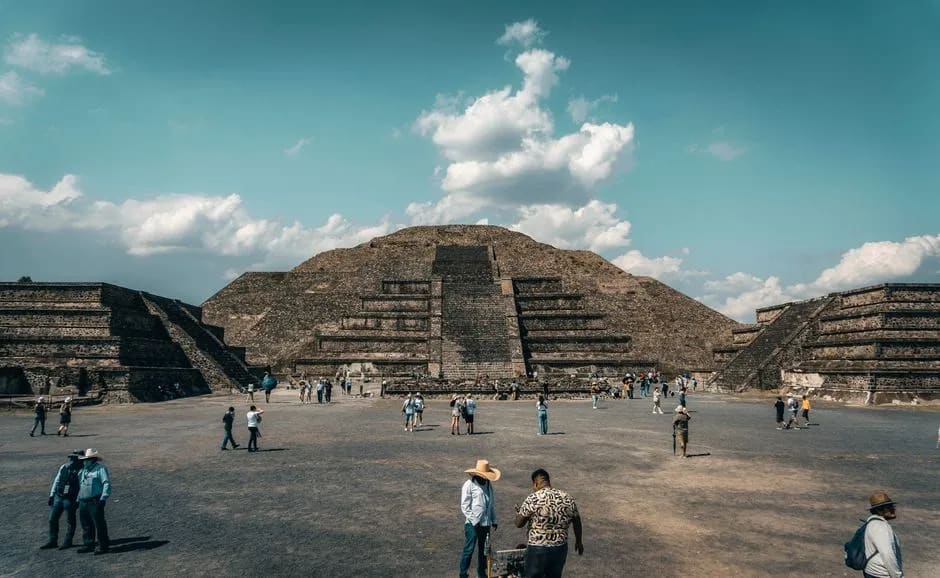
Mexico’s ancient cities were built by several civilizations, and each left a different signature. Teotihuacan, near Mexico City, is organised around the broad Avenue of the Dead and the huge Pyramid of the Sun. UNESCO inscribed it in 1987.
In Yucatán, Chichén Itzá shows Maya astronomy and architecture at their most precise. The stepped pyramid known as El Castillo is the centrepiece, and the site was added to the World Heritage List in 1988. Two sites, two peoples, and an ancient world far larger than many visitors expect.
Peru: From Caral to Machu Picchu
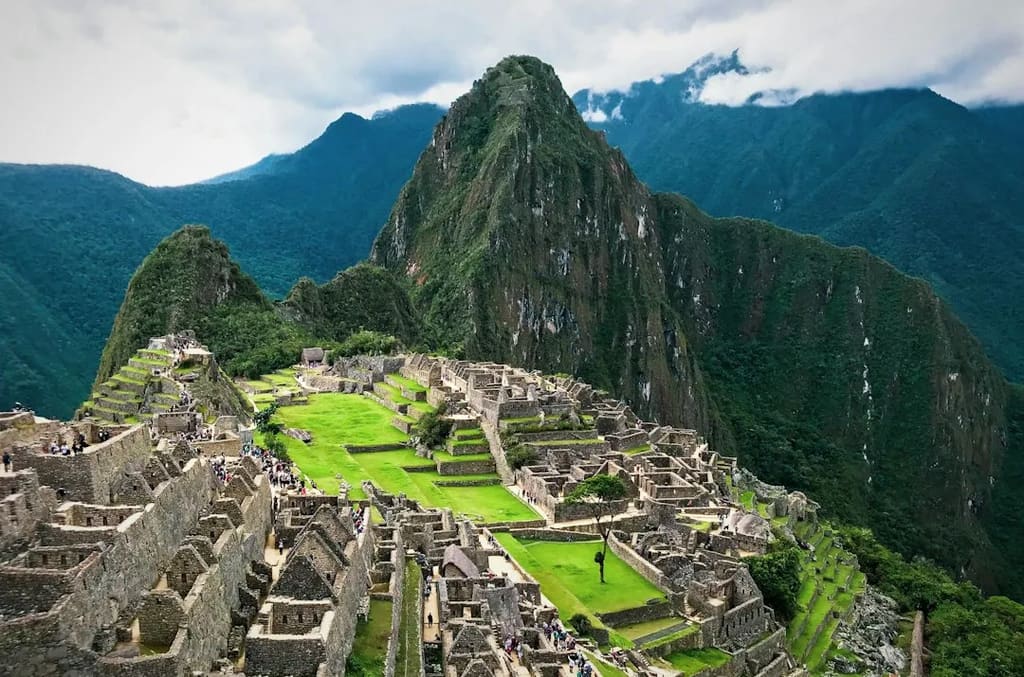
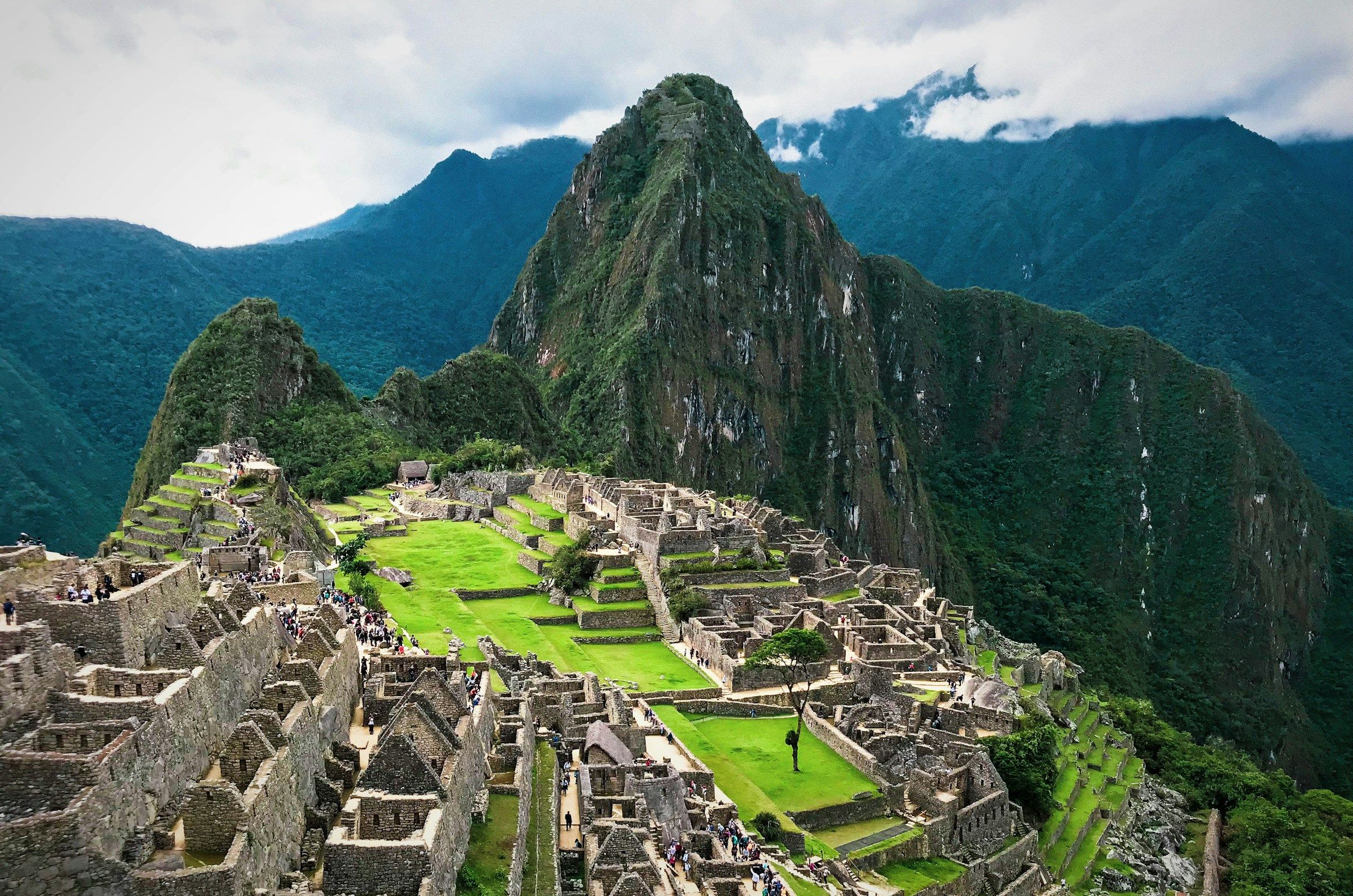
Machu Picchu is the famous face of Peru’s past. This Inca citadel in the Andes dates to the fifteenth century, and UNESCO inscribed it in 1983. Its terraces, stonework and mountain setting are the reason it appears on so many travel wish lists.
The deeper story lies on the coast. Caral, in the Supe Valley, is about five thousand years old and counts among the oldest known urban centres in the Americas. UNESCO listed it in 2009, which means Peru’s ancient timeline runs far earlier than the Incas.