Food festivals reward people who book early. The best tables sell out months ahead, and some events only happen every second year.
Where you go matters as much as when. A few countries run well organized, visitor friendly food events on a regular calendar, while others offer almost nothing a traveler could plan around. Here is how twelve places compare.
Italy: Terra Madre Salone del Gusto in Turin
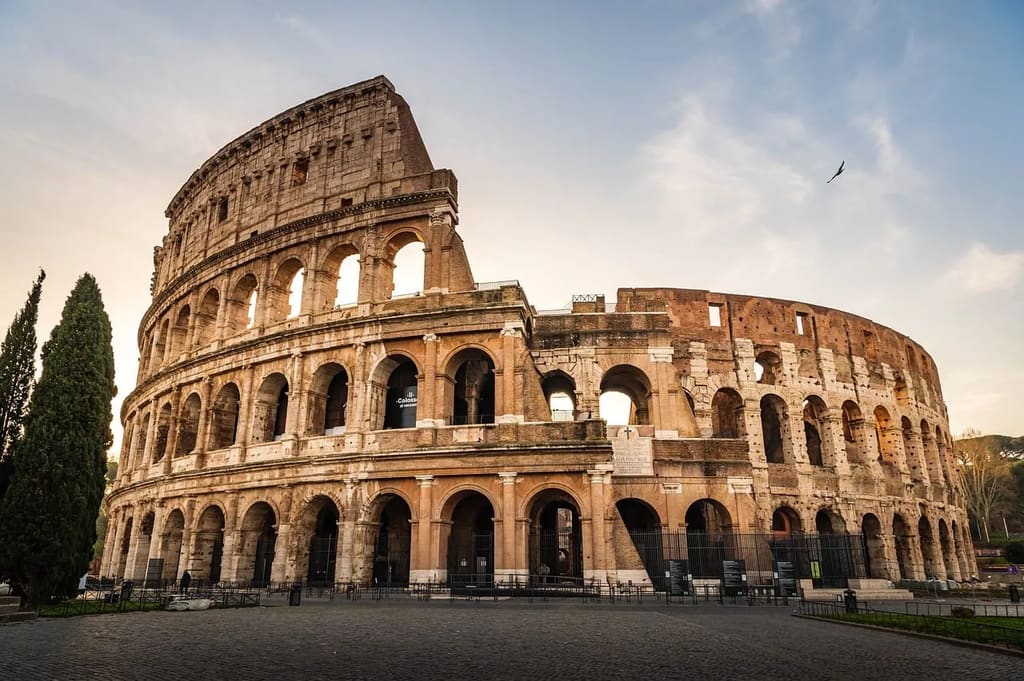
Italy’s most important food gathering for curious eaters is arguably Terra Madre Salone del Gusto. The 16th edition ran from 24 to 27 September 2026 in Turin.[1] Slow Food International organizes it with the City of Turin and the Piedmont Region.[1]
The heart of it is an open air market. More than six hundred producers from Italy and around the world set up along the city’s streets and squares.[1] Because the event takes place every two years[2], the next edition falls in 2028, so the planning window is long but unforgiving.
Spain: San Sebastián Gastronomika
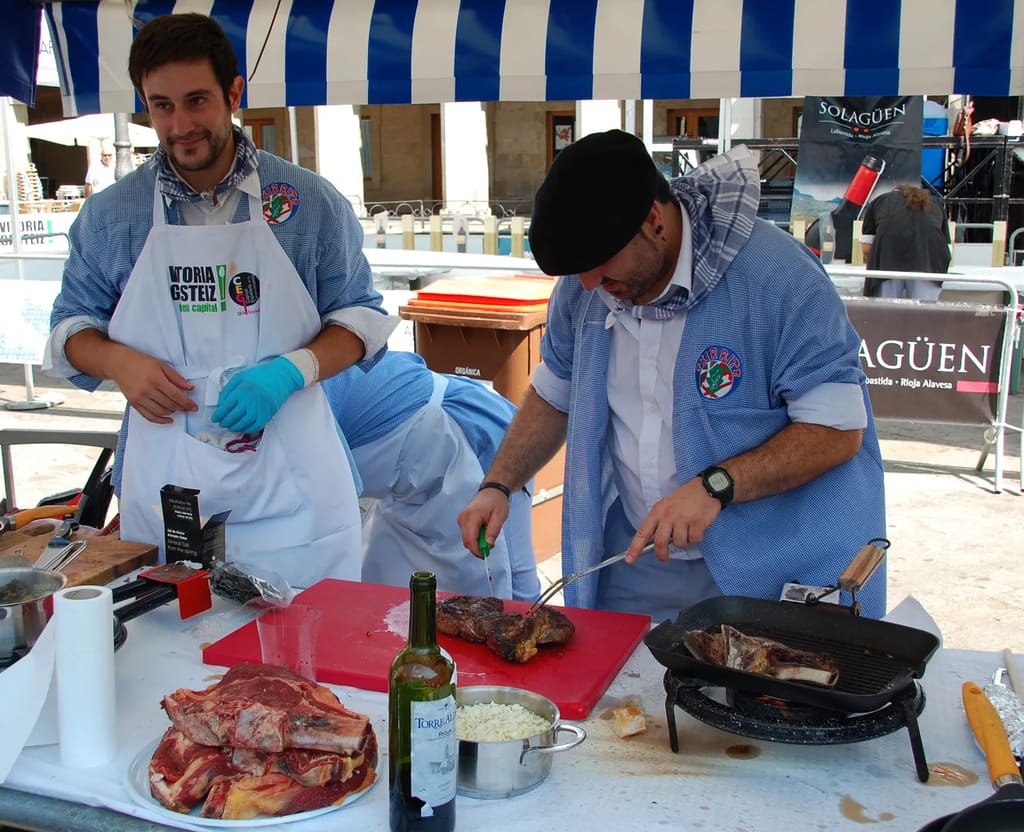
Spain has plenty of local fiestas built around food, yet Gastronomika in the Basque Country is the one that draws chefs. It is held at the Kursaal in San Sebastián and has become a global benchmark for haute cuisine.[3] The 2026 edition ran from 5 to 7 October.[3]
That year had a special theme. It marked fifty years since the birth of New Basque Cuisine.[3] It is mostly a congress rather than a street party, so it suits travelers who want masterclasses and tastings more than market stalls. Recent editions have landed in early October, with 2025 running from 6 to 8 October.[4]
Australia: Melbourne Food and Wine Festival
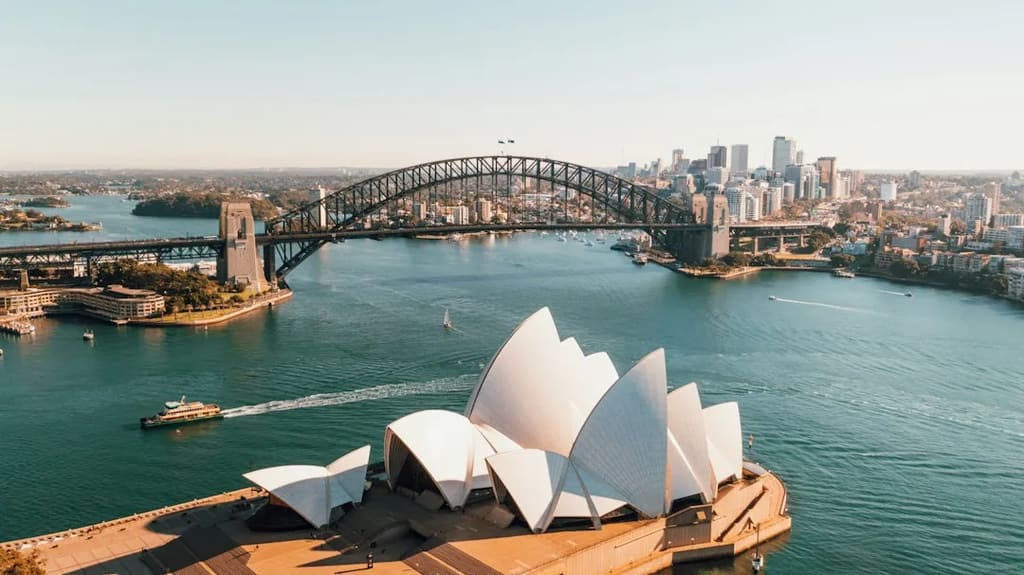
Melbourne turns its whole calendar toward food each autumn. The 2026 festival ran for ten days, from Friday March 20 to Sunday March 29.[5] The program had over two hundred events and experiences.[6]
The signature draw is the World’s Longest Lunch. The 2026 edition was Greek themed, held at Kings Domain, with seating for around 1,600 guests.[7] Planning matters here, because tickets went on sale in late November the year before[5], and some of the big ticket events were practically sold out[8] well ahead of the festival.
Singapore: The Singapore Food Festival
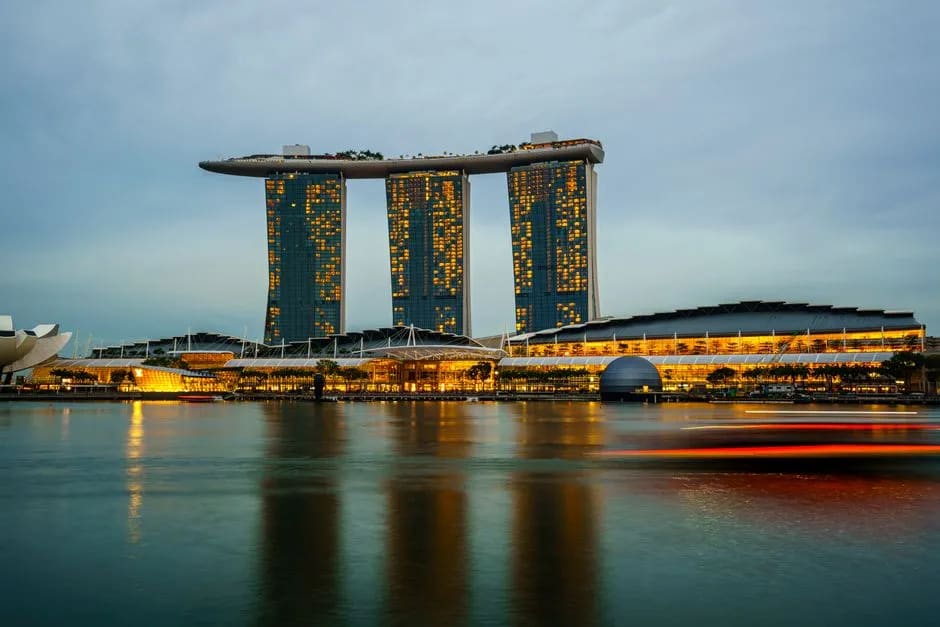
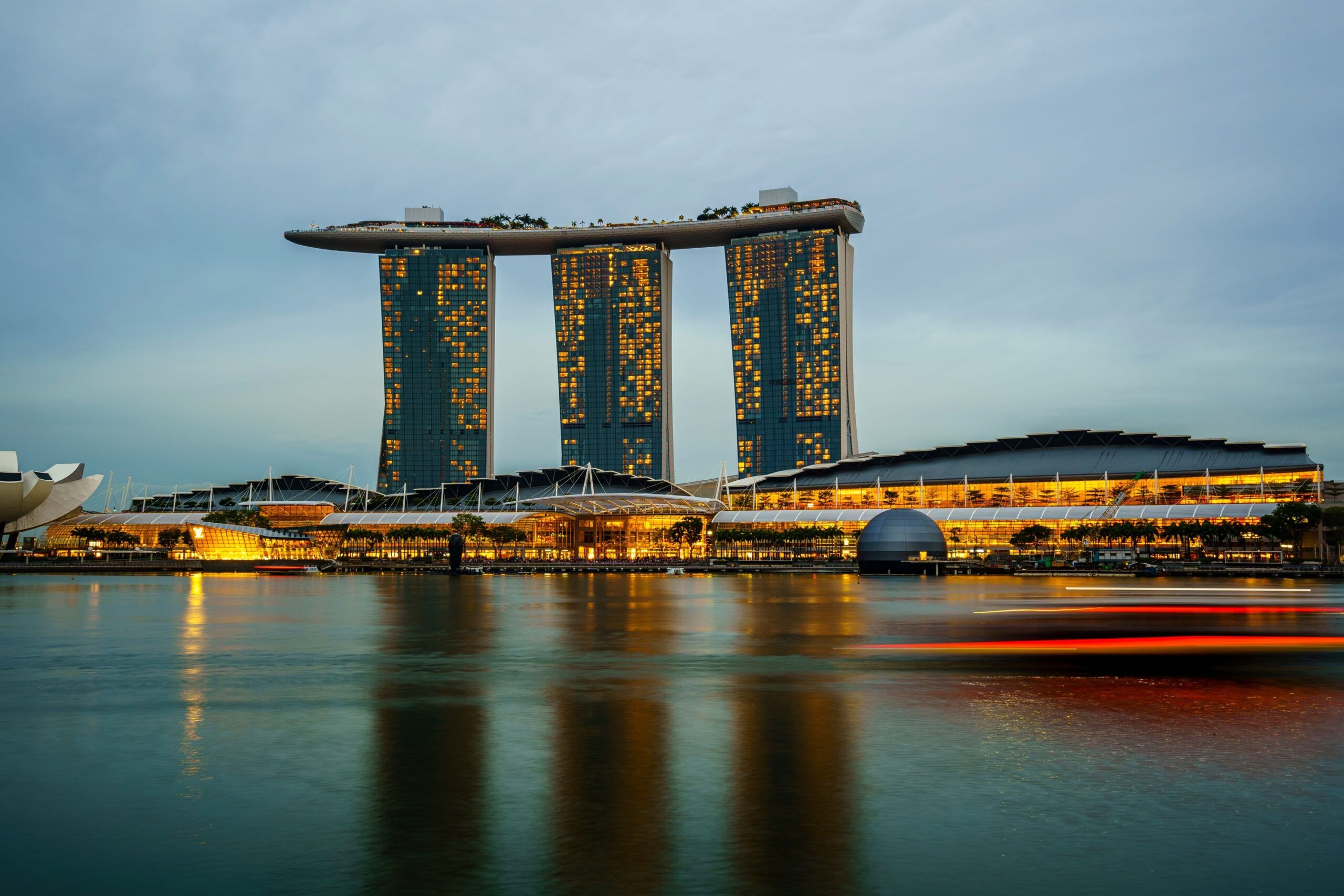
Singapore’s festival leans on the city’s hawker culture. It is billed as an annual celebration of Singapore’s food culture.[9] Its signature events are large, immersive experiences that pair tradition with innovation.[9]
Dates have shifted in the past, and listings disagree for 2026, so check the official site before booking flights. One travel guide notes that the 2025 edition ran from 4 to 24 September[10], which makes early September a reasonable window to watch. Some events are free, while chef dinners and signature experiences are ticketed.[10]
Japan: Autumn Food Fairs and Washoku Culture
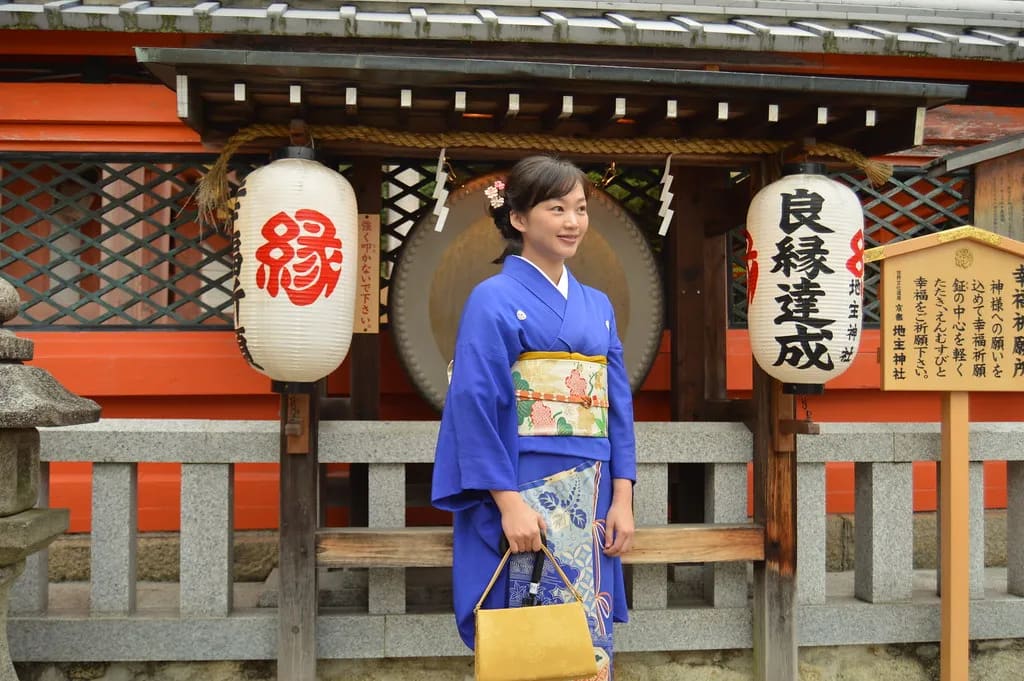
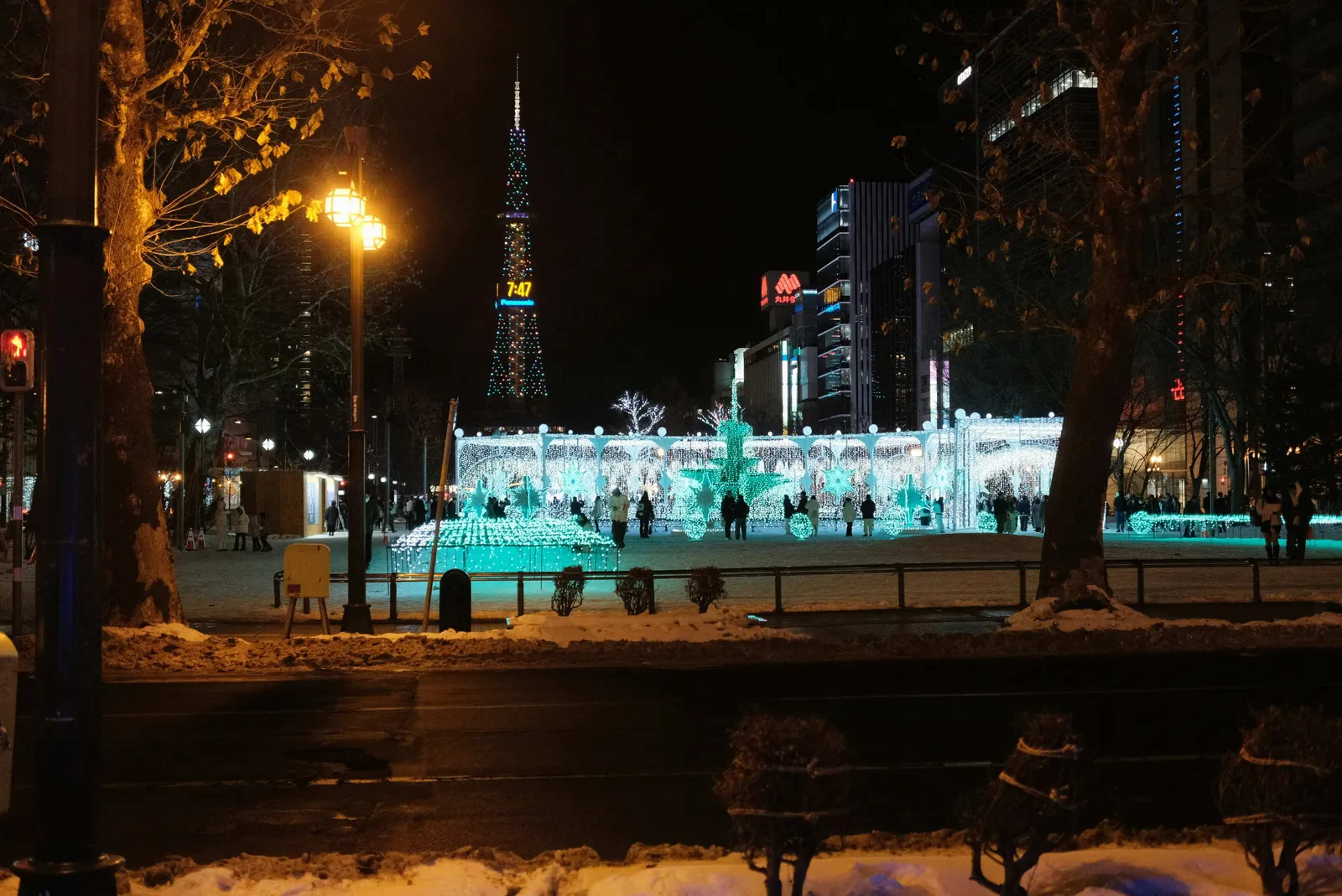
Japan’s food calendar is driven by seasons and regions. Autumn is a good example, with Sapporo’s Autumn Fest filling Odori Park with stalls from across Hokkaido, a region known for seafood and dairy. Dates change from year to year, so confirm them with the organizers.
The country’s culinary identity also has formal recognition. Washoku, the traditional Japanese food culture, was added to UNESCO’s intangible heritage list in 2013. Pairing a festival visit with a regional trip gives you more than the stalls alone.
United States: Taste of Chicago
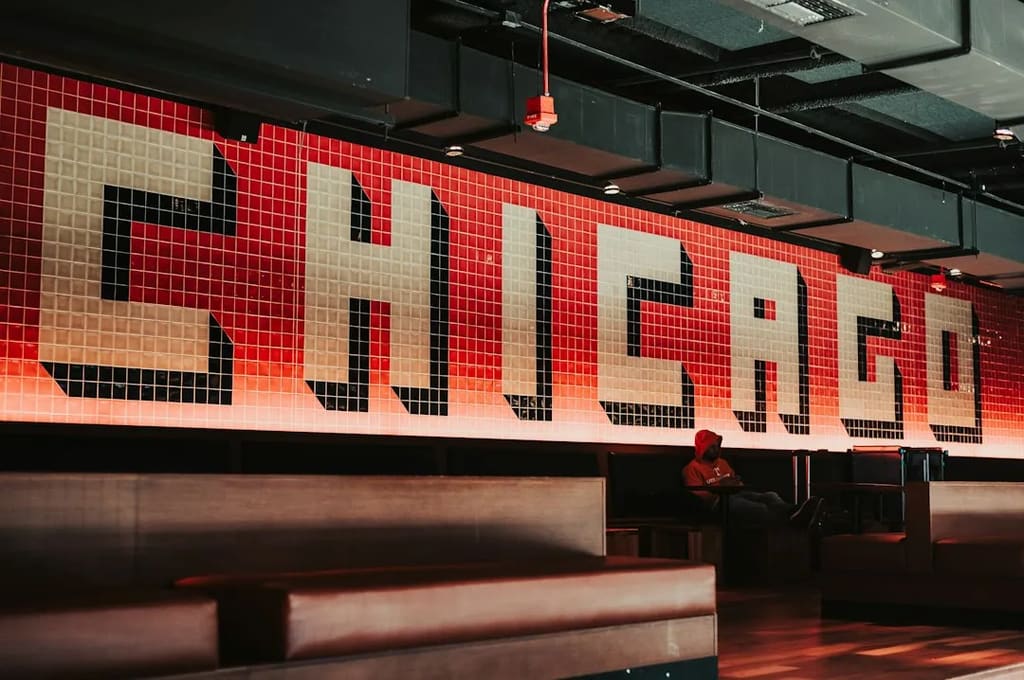
The American food festival scene is huge and mostly local, and Taste of Chicago is among the best known. It takes place in Grant Park, and the format has traditionally let visitors walk in and buy food by the portion from many of the city’s restaurants. That makes it approachable for first timers on a budget.
Scheduling has changed in recent years, so don’t assume last year’s dates will repeat. The city’s event pages are the reliable place to check. A visit pairs easily with Chicago’s restaurant scene, which runs year round.
South Korea: Kimchi and the Kimjang Tradition
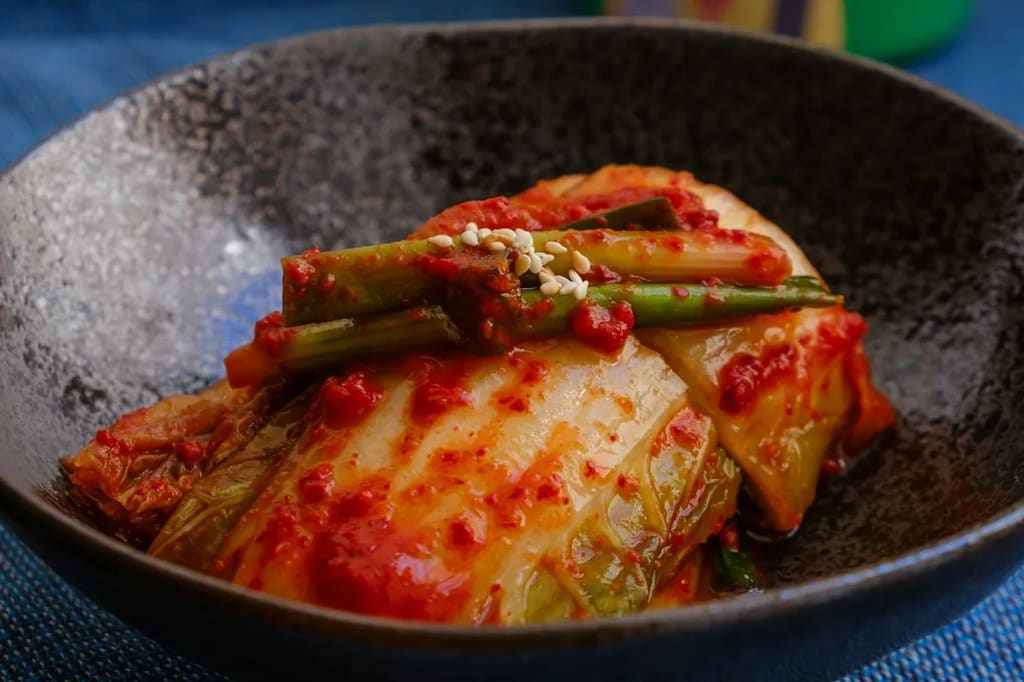
South Korea ties its best known food gathering to a household ritual. Kimjang, the making and sharing of kimchi, was inscribed on UNESCO’s intangible heritage list in 2013. Seoul hosts a kimchi making and sharing festival built around it, typically in late autumn when families prepare kimchi for winter.
Visitors can usually watch demonstrations and taste varieties from different regions. The exact schedule shifts each year, so confirm it through Seoul’s tourism channels. Late autumn is a sensible season to plan around.
North Korea: Tourism Too Restricted for Food Travel
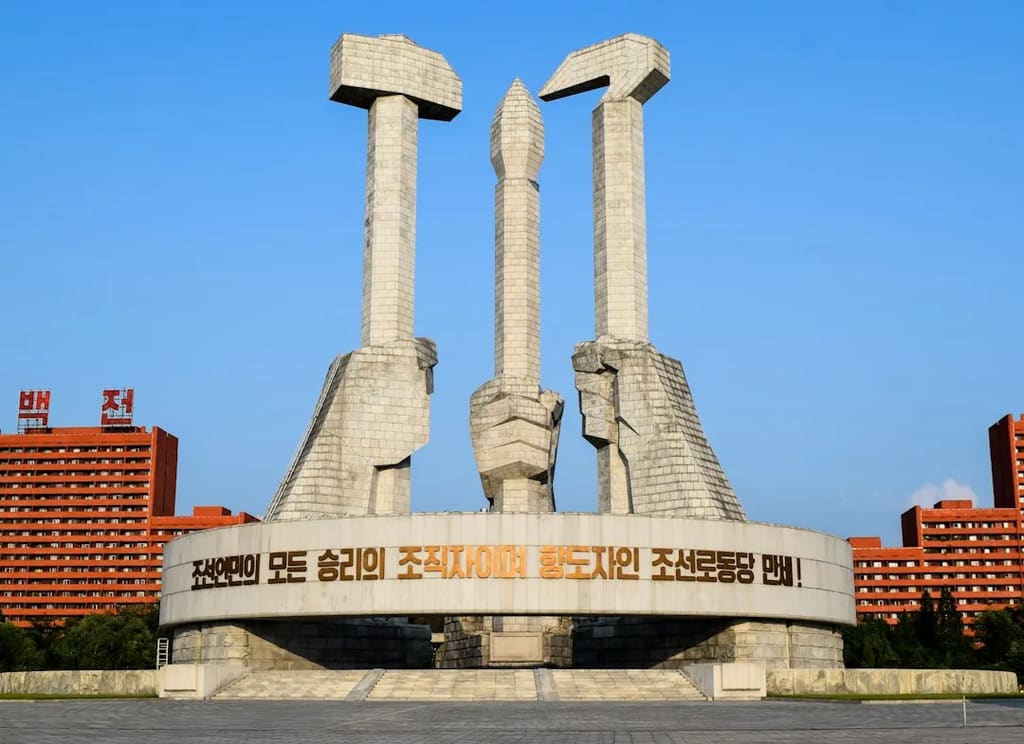
North Korea does not have a food festival circuit that a visitor can plan around. Foreign tourism has been tightly controlled for years, and the borders were closed to most visitors in 2020. Itineraries, where they exist, are set by the state.
Occasional state organized events have happened, including a beer festival in Pyongyang in 2016. Nothing comparable is marketed to foodies, though. If food is the reason for your trip, other destinations are far more practical.
Afghanistan: Public Events Under Heavy Restrictions
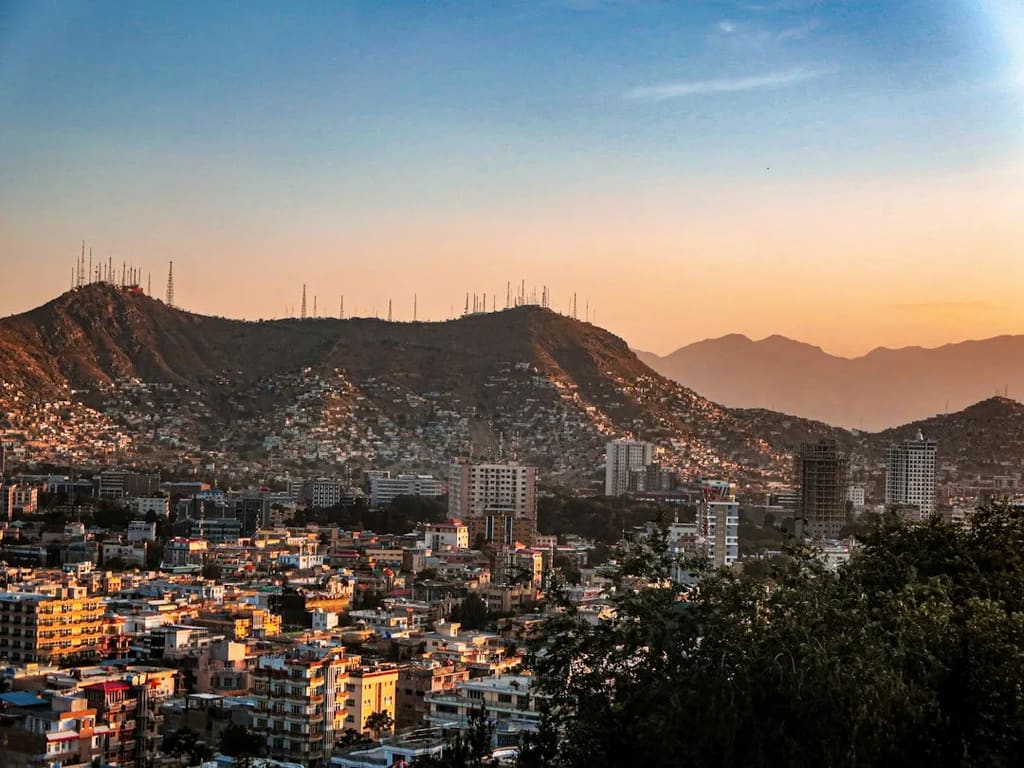
Afghanistan has a rich cuisine, from rice dishes to fresh bread and dried fruit. Large public celebrations of it are rare, however. The Taliban has governed the country since 2021, and independent travel and public gatherings face significant limits.
Government travel advisories from many countries warn against visiting. Anyone curious about the food is better served by restaurants and festivals run by the Afghan diaspora abroad. Those events are far easier to attend.
Related Stories From Travelbinger



Turkmenistan: Few Open Doors for Visitors
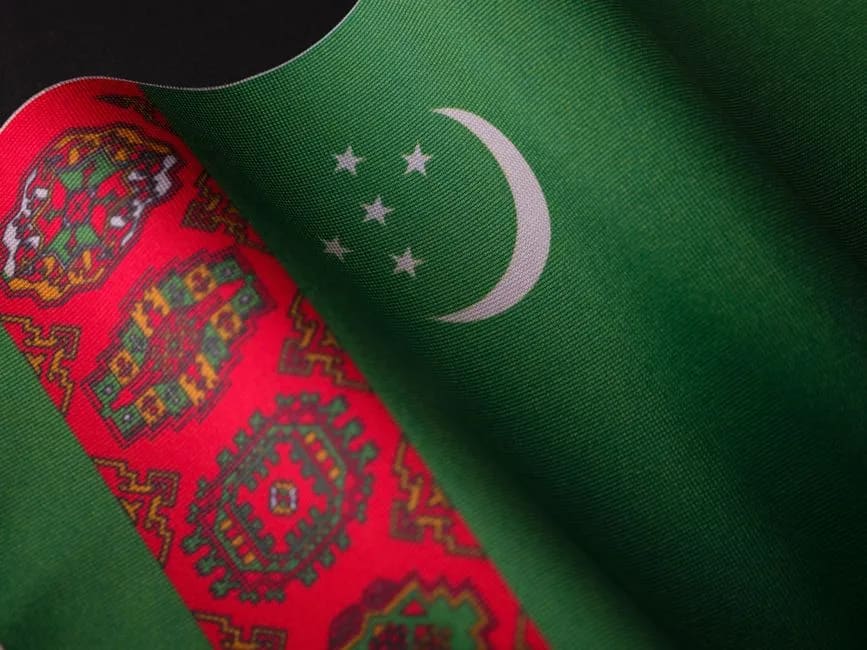
Turkmenistan is one of the least visited countries in the world. Visas are difficult to obtain, and travel is generally arranged through approved tour operators. The structure leaves little room for the spontaneous festival hopping that foodies enjoy.
The country has food traditions of its own, such as plov and fresh flatbreads. They show up mostly at family tables and national holidays rather than on tourist calendars. As far as can be confirmed, there is no international food festival built for visitors.
Yemen: Conflict Has Overshadowed Food Culture
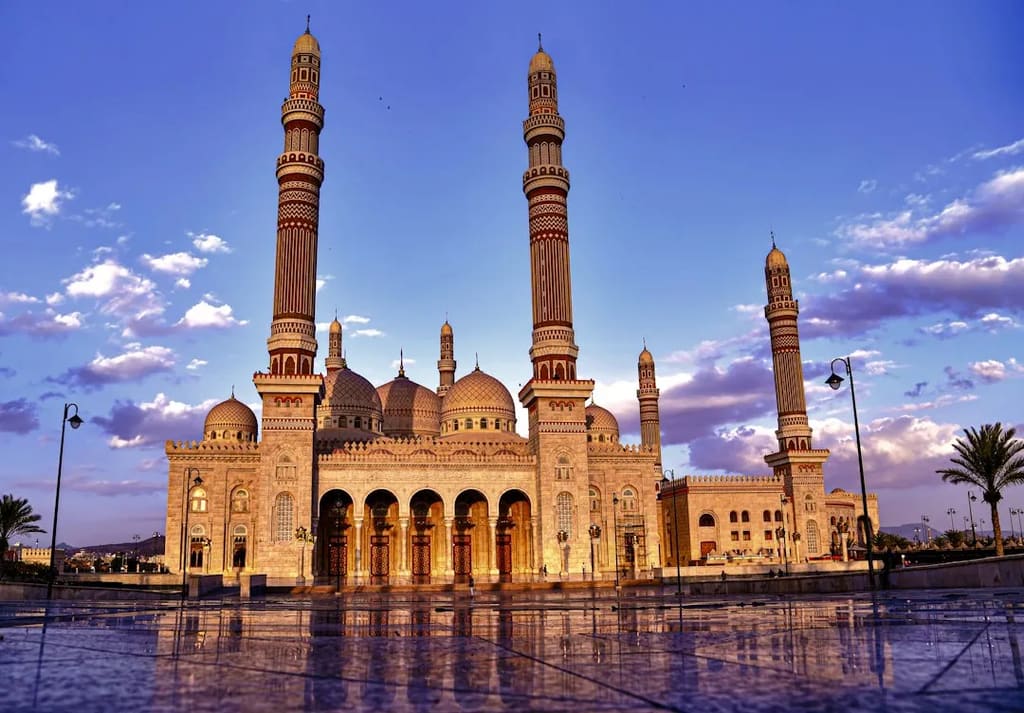
Yemen’s cuisine includes dishes like saltah and flatbreads served with stews, and its coffee history is famous. Years of conflict have damaged the country’s economy and infrastructure. In that setting, food festivals aimed at visitors are not realistic.
Most governments advise against travel to Yemen. The humanitarian situation means food is more often discussed as a matter of access and security than of tourism. Yemeni restaurants abroad offer a safer introduction.
Somalia: Security Concerns Limit Public Food Events
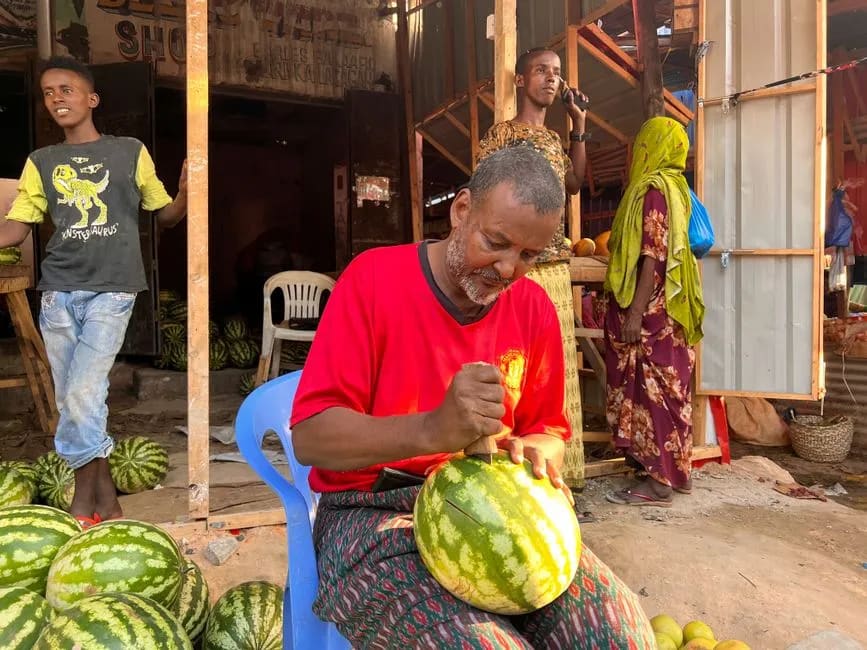
Somalia has distinctive cooking influenced by Indian Ocean trade, including spiced rice and pasta dishes shaped by its history. Security conditions have limited tourism across much of the country. Large public food festivals for travelers are not part of the picture.
Travel advisories from many governments urge caution or recommend against visiting. Somali food is easier to find in diaspora communities in cities such as Minneapolis and London. Those restaurants and community events are the practical way to taste it.