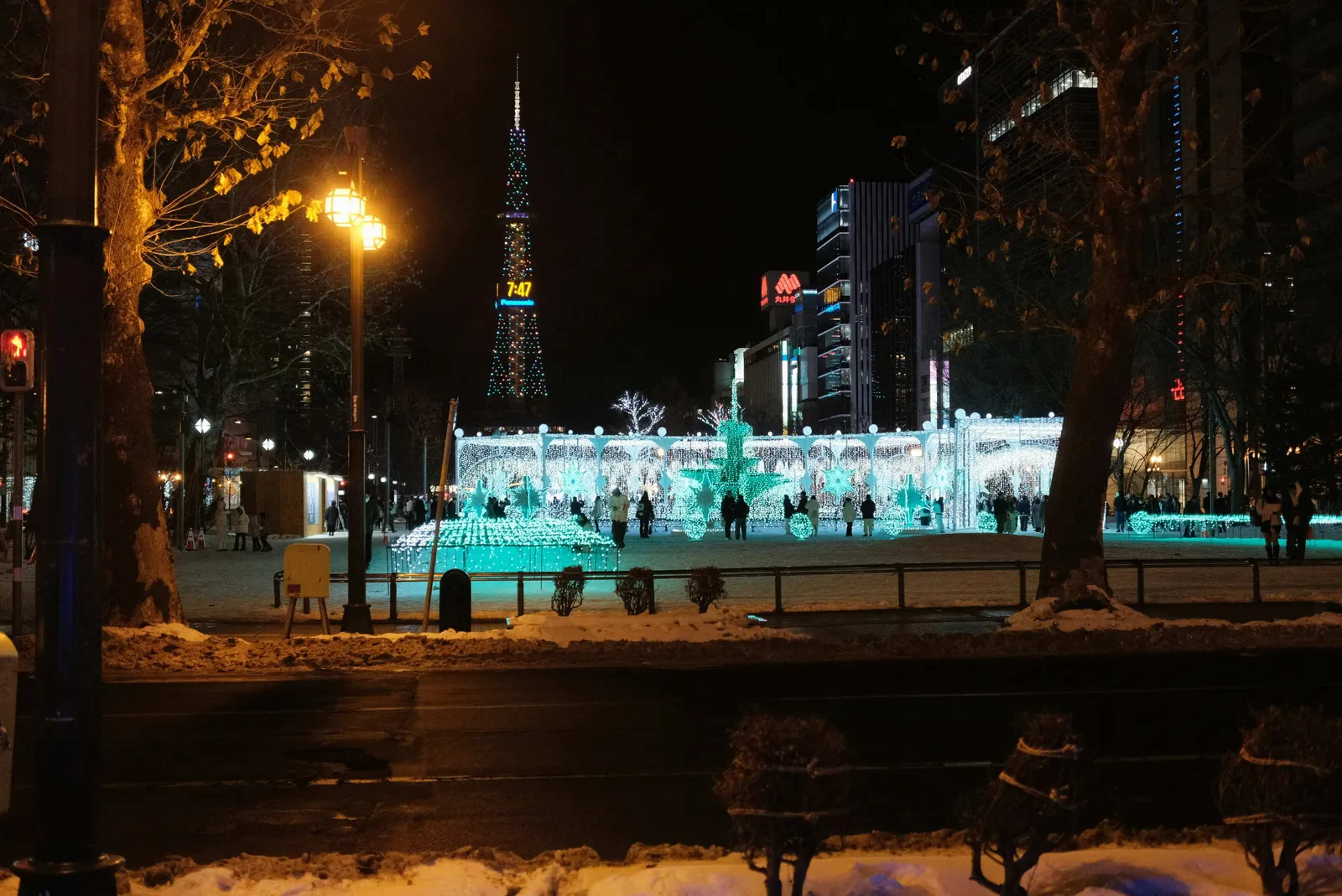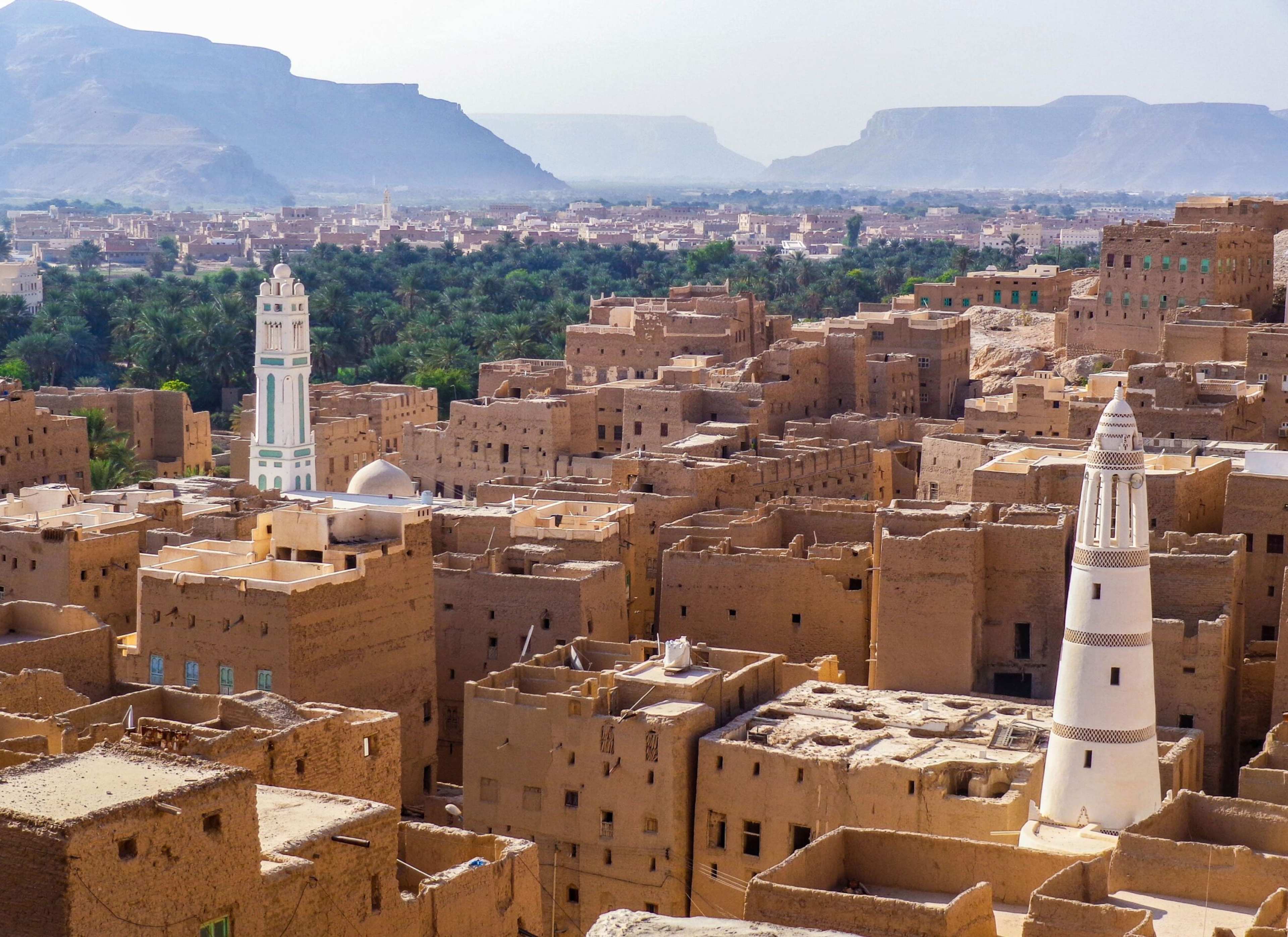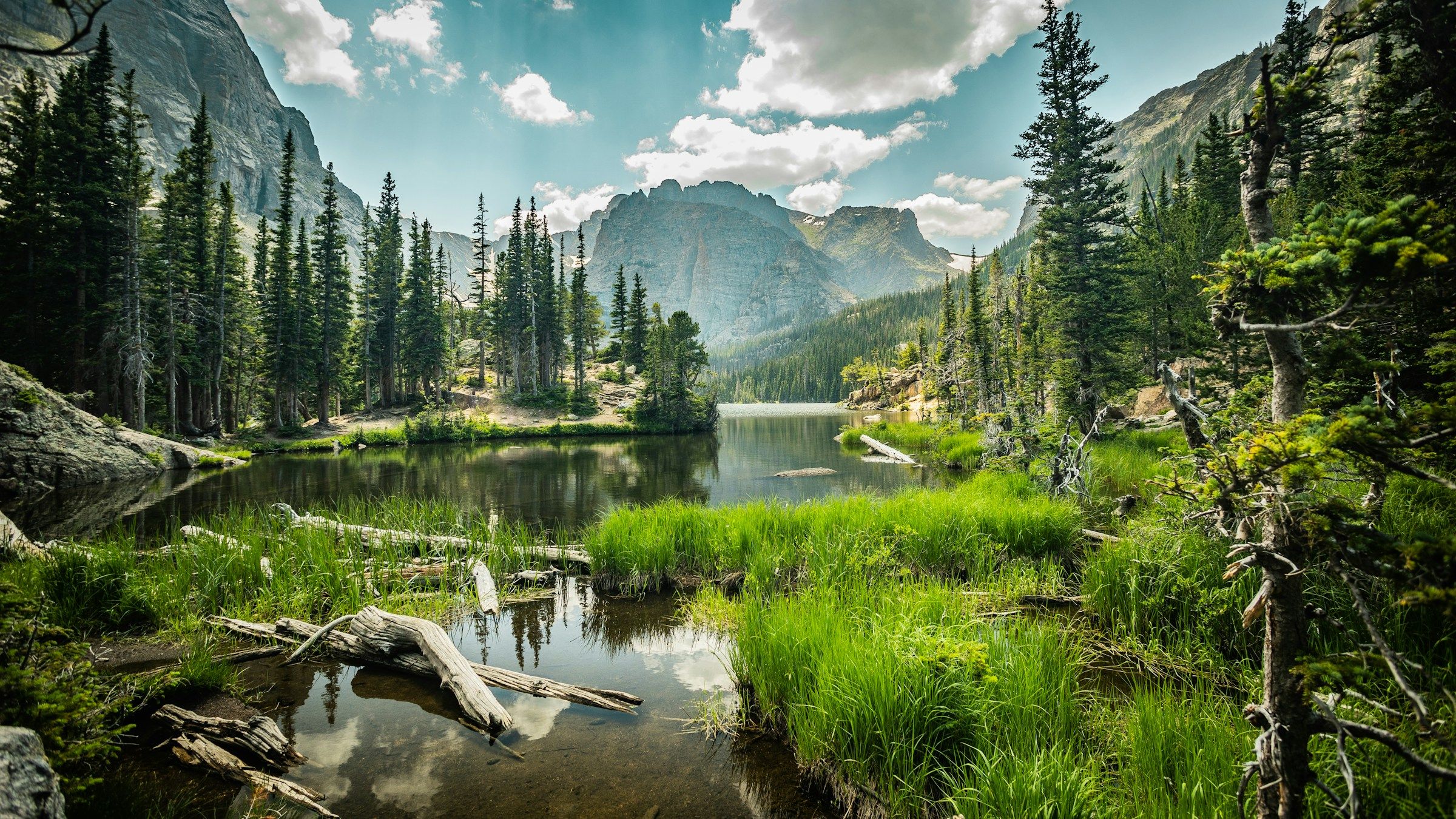
It’s late November, and Japan has already had its first heavy snow of the season. Substantial snowfall has been recorded across Hokkaido, Tohoku and the Japanese Alps, giving the ski season an early start.[1] Meanwhile, flights to the tropics are filling up for the same weeks.
Winter travel tends to split people into two camps. Some want cold air, deep snow and a warm lodge at the end of the day. Others would rather skip the coat entirely. Here are ten countries built for the first group, followed by eight that stay warm whatever the calendar says.
Japan: Hokkaido Powder and Hot Springs
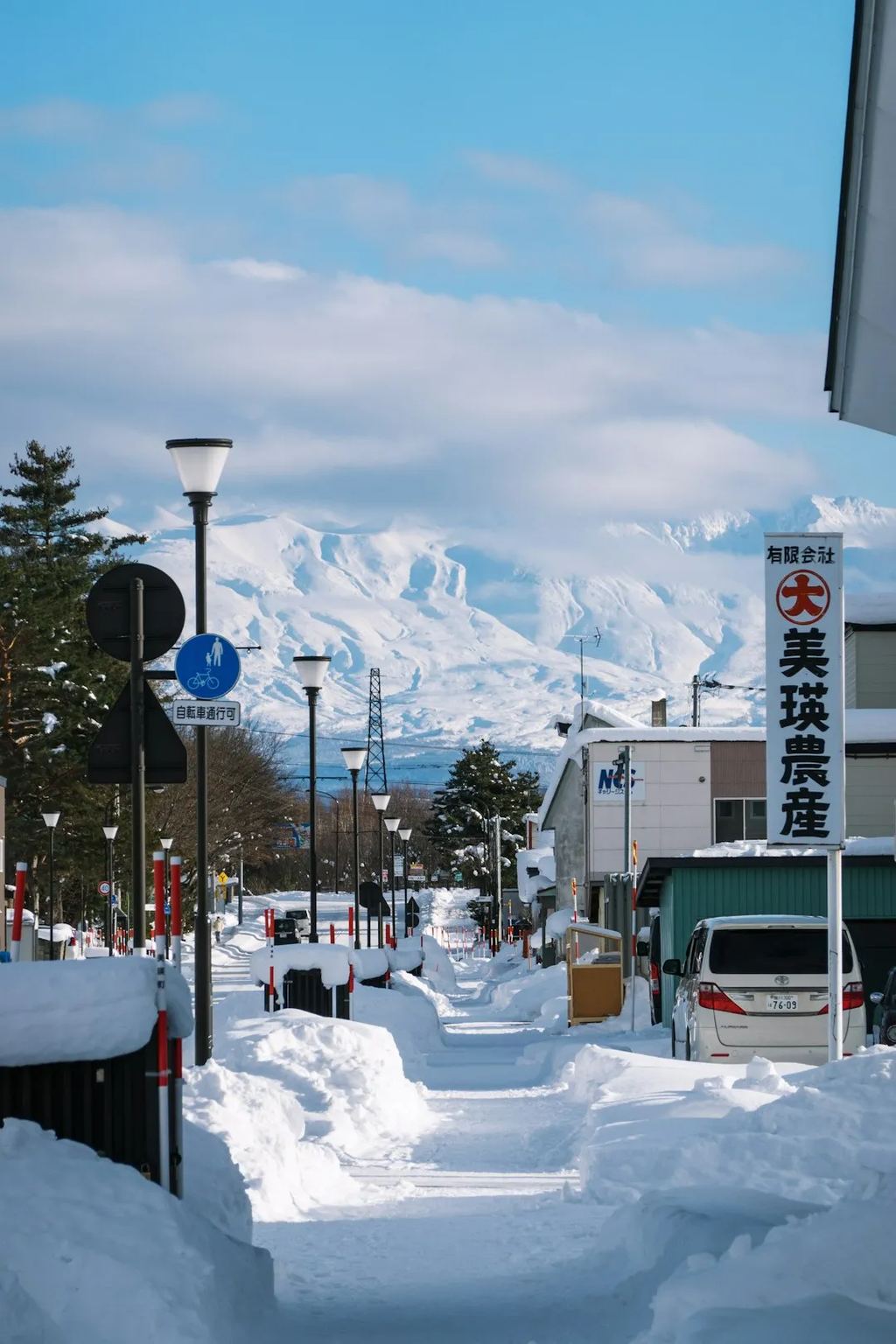
Japan’s powder reputation rests largely on Hokkaido. Cold Siberian winds blow across the Sea of Japan and produce the light, dry snow the region is known for.[2] Niseko still averages well over ten metres of snow in a season.[3] Niseko United has confirmed a village wide opening for 28 November 2026.[4]
Last winter set a high bar. The 2025 to 2026 season brought over six metres of snow in January alone.[5] This year may look different, since one forecast expects a very strong El Niño to produce a shorter, sharper powder window in January and February.[3] Even so, Hokkaido resorts like Niseko remain the most snow reliable in Japan.[6]
Switzerland: Car Free Villages Under the Matterhorn
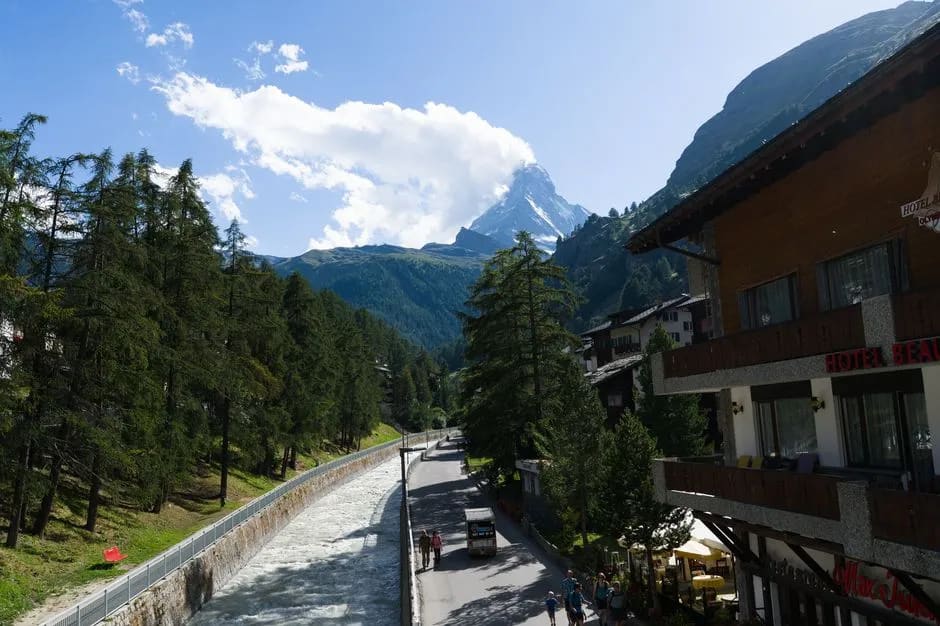
Switzerland is the easy choice for anyone who likes their mountains with good logistics. Trains and cable cars reach many alpine villages, so you can arrive without ever renting a car. Zermatt goes a step further by keeping petrol vehicles out of the village centre.
Above town, the Matterhorn rises to 4,478 metres, and the high glacier terrain nearby holds snow well after lower slopes thin out. That makes late season skiing more dependable here than in many lower resorts. Prices are high, so many visitors build a trip around a few focused days on the slopes.
Austria: Arlberg Skiing and Old Town Charm
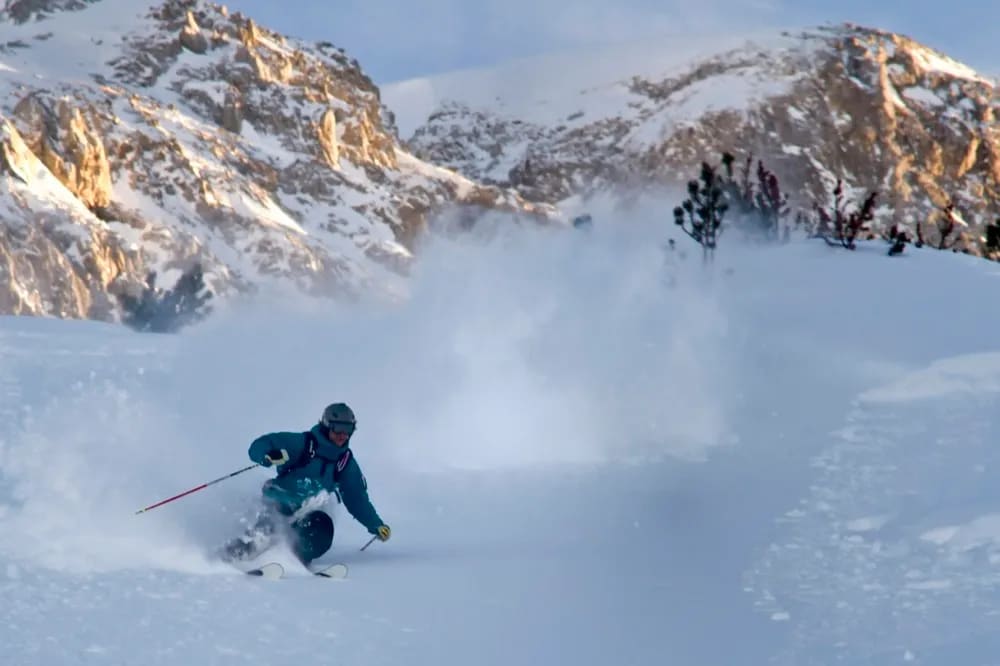
Austria’s strength is how neatly it combines serious skiing with village life. The Arlberg region around St. Anton and Lech forms one of the largest connected ski areas in the Alps, with more than three hundred kilometres of marked runs. Every January, Kitzbühel hosts the famous Hahnenkamm races, which draw crowds even from non skiers.
Off the slopes, cities such as Innsbruck and Salzburg put mountains and historic centres within a short walk of each other. Mountain huts serve hearty food, and the rail network makes ski towns reachable from several European hubs. It suits families and mixed ability groups well.
Canada: Big Mountains and Reliable Cold
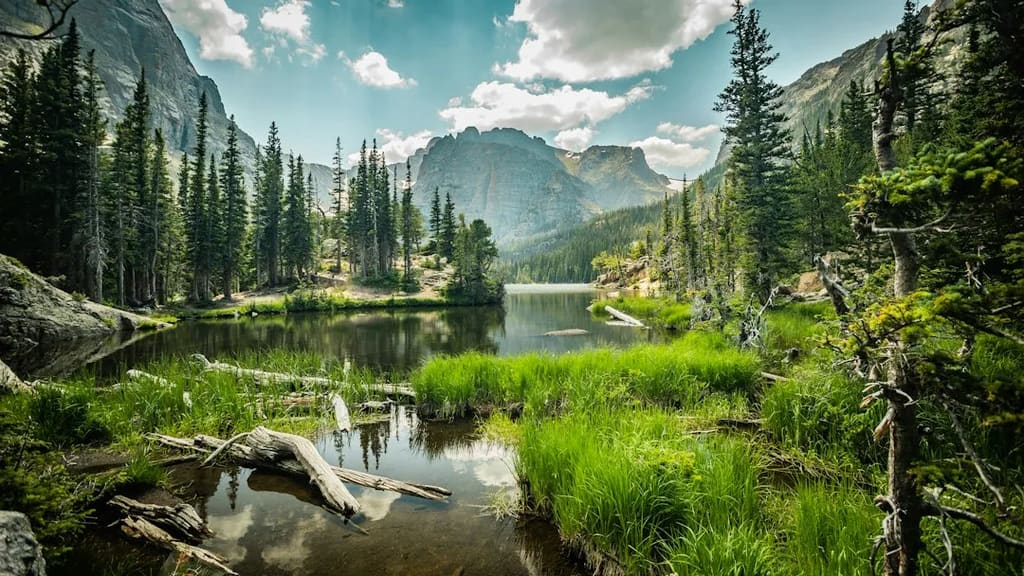
Canada offers scale. Whistler Blackcomb in British Columbia covers more than eight thousand acres, and it hosted alpine events at the 2010 Winter Olympics. The Canadian Rockies around Banff and Lake Louise add dry, cold conditions and sweeping scenery.
Interior British Columbia is a quieter option, with smaller resorts and a reputation for deep, light snow. Winter here means serious cold, so layers matter more than style. Snowshoeing, ice skating on frozen lakes and wildlife spotting give non skiers plenty to do.
Norway: Where Skiing Feels Like a Birthright
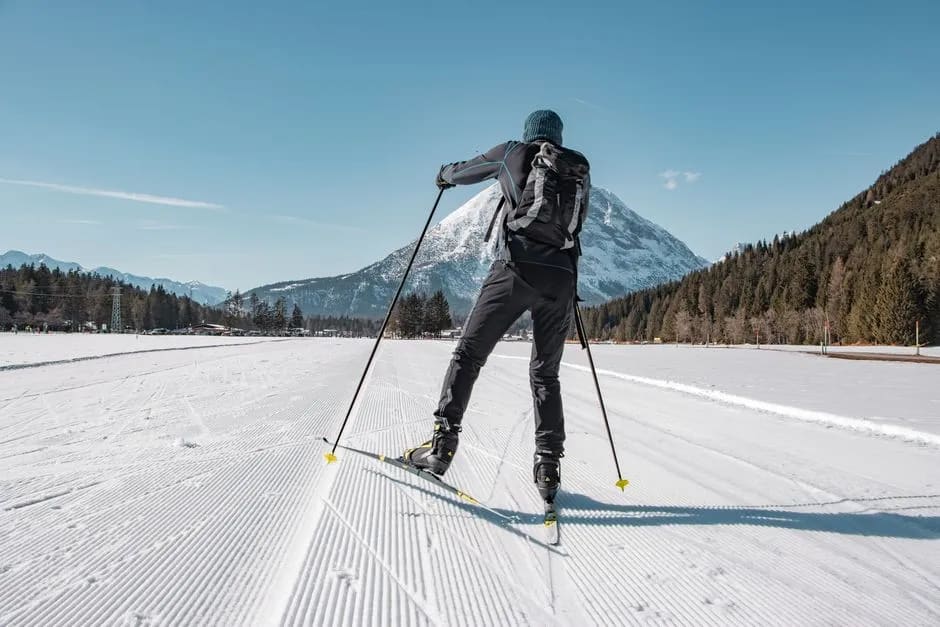
Norway treats winter as a national pastime. Cross country skiing is woven into everyday life, and Lillehammer hosted the Winter Olympics in 1994. Visitors can ski, skate or simply walk through snowy forests without much planning.
Farther north, Tromsø sits well inside the Arctic Circle. The sun stays below the horizon there from roughly late November to mid January, which suits northern lights hunting. Dark days are part of the deal, so this trip is best for people who find that atmosphere appealing.
Finland: Lapland for Aurora and Quiet
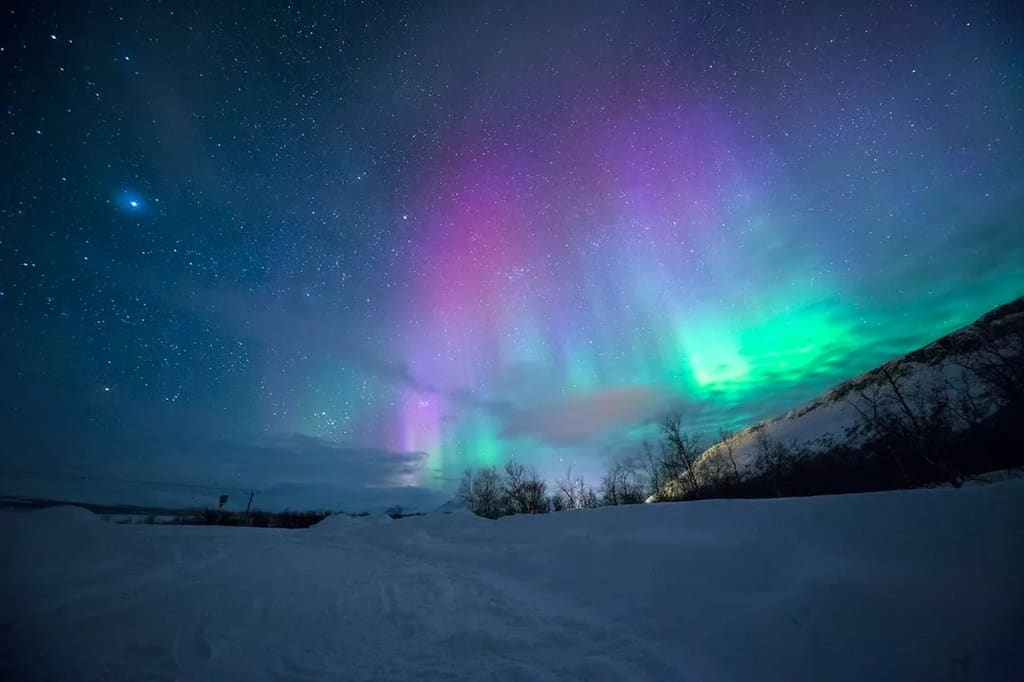
Finnish Lapland trades big lift systems for sled dogs, snowmobiles and frozen lakes. Rovaniemi marks the Arctic Circle and is best known for Santa Claus Village. Resorts such as Levi and Ruka offer skiing alongside the Nordic experiences.
Cold is dependable here, and so is the silence. The long winter nights give good odds of seeing the aurora on clear evenings, though no operator can promise it. Saunas are practically a daily ritual, and after a few hours outdoors you’ll understand why.
France: The Three Valleys and Chamonix
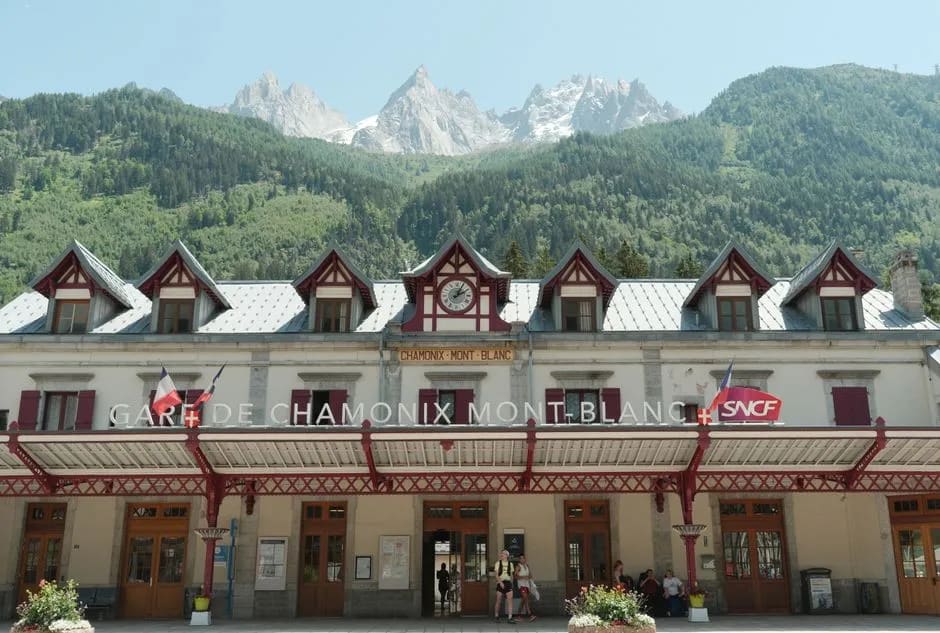
France is home to Les Trois Vallées, usually described as the largest linked ski area in the world, with around six hundred kilometres of pistes. Resorts such as Courchevel, Méribel and Val Thorens sit within it, covering everything from gentle beginner slopes to demanding terrain. High altitude villages help snow hold longer into spring.
Chamonix, beneath Mont Blanc, appeals more to experienced skiers and mountaineers. The French Alps are also set to host the 2030 Winter Olympics, a decision the IOC made in 2024. Expect investment and attention in the region over the next few seasons.
Italy: Dolomites After the Olympic Spotlight
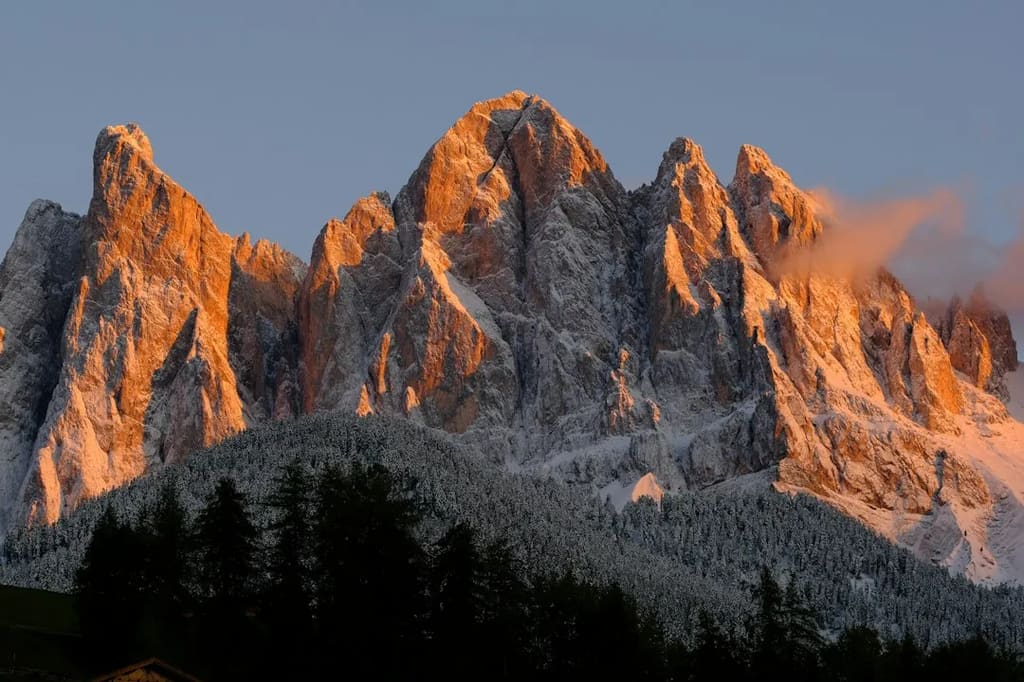
Italy has just had its big moment. The Milano Cortina Olympic Winter Games ran from 6 to 22 February 2026.[7] Events were spread across four main clusters in northern Italy: Milan, Cortina d’Ampezzo, Valtellina and Val di Fiemme.[8] Ski mountaineering made its Olympic debut in Bormio’s Stelvio area.[9]
Cortina remains an elegant base. Its ski area has 27 retro lifts that provide access to 66 slopes, from easy blues to expert blacks.[10] Cortina also hosted the Winter Games back in 1956.[9] The Dolomites’ pink glow at sunrise and the mountain food are worth the trip on their own.
Iceland: Winter Without the Ski Resort Crowds
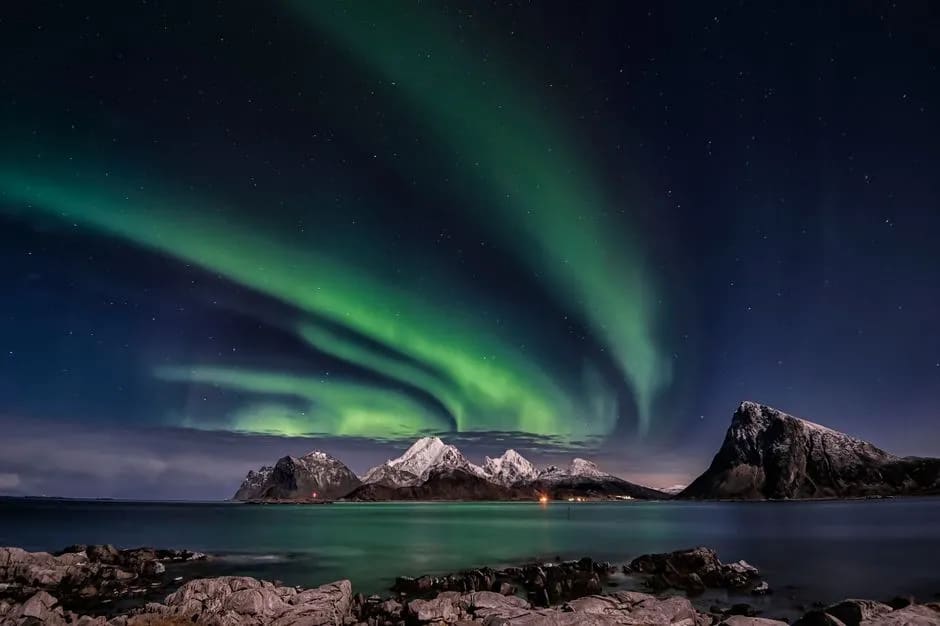
Iceland is less about lift passes and more about landscapes. Reykjavik stays milder than its latitude suggests, thanks to the surrounding ocean, though wind and rain can make it feel harsher. Skiing exists, mainly in the north near Akureyri, but conditions vary from year to year.
What you get instead is geothermal pools, glaciers, ice caves and aurora viewing. Daylight is short around the solstice, with only about four hours in Reykjavik. Driving in winter needs care, so many visitors choose guided tours for the more remote routes.
Sweden: Åre and the Ice Hotel Region
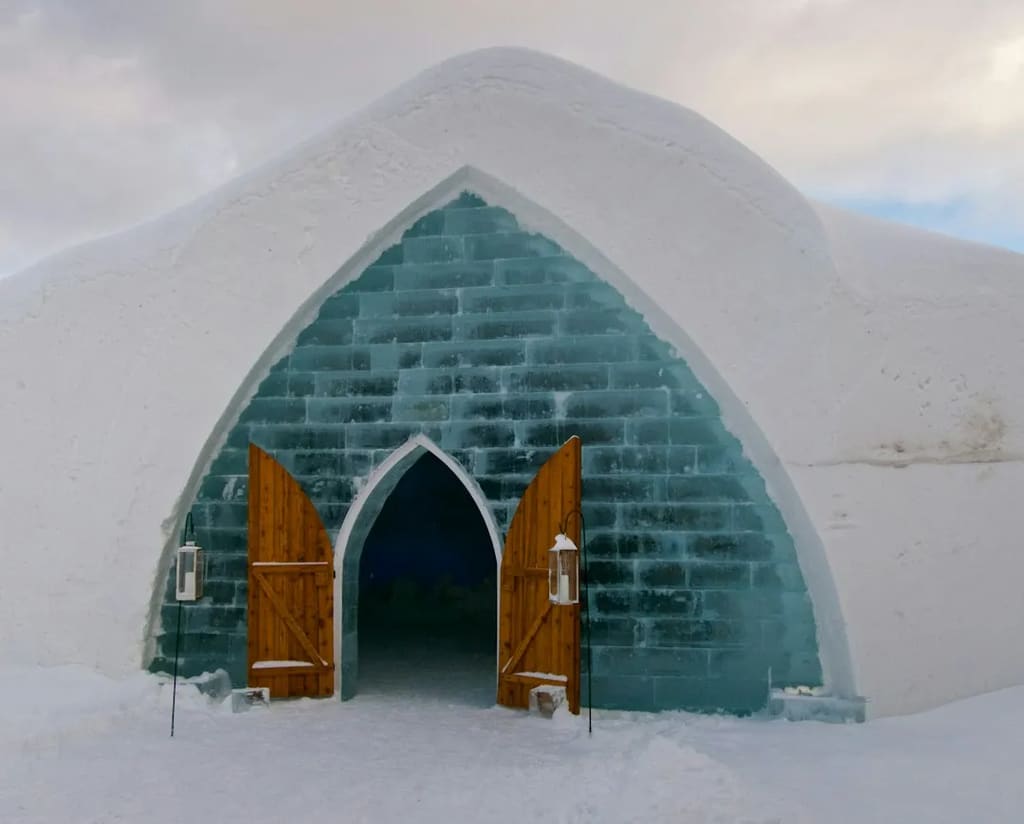
Sweden offers two quite different winters. In the south of the mountain range, Åre is the country’s best known ski resort and hosted the Alpine World Ski Championships in 2019. It has a lively village feel, which helps if you’re travelling with friends who don’t all ski.
Far north, Swedish Lapland leans toward the Arctic experience. Jukkasjärvi is home to the Icehotel, which is rebuilt from river ice each winter. Abisko is known for relatively clear skies, which is why aurora watchers favour it.
Thailand: Warm Beaches and Busy Seasons
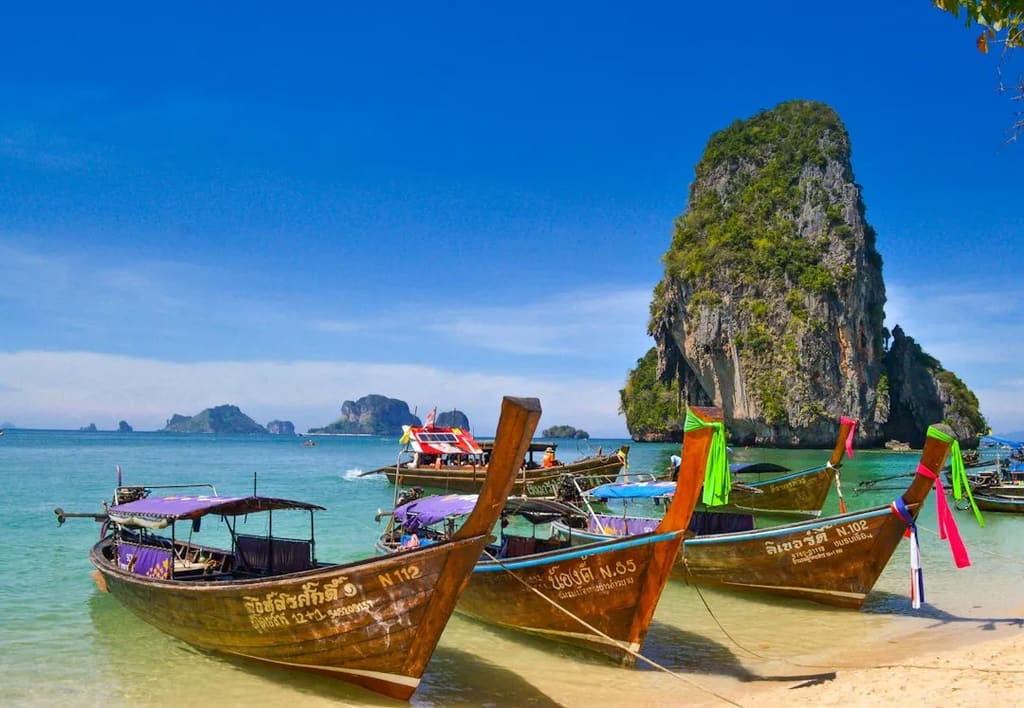
Thailand stays warm across the calendar, though the weather changes with the monsoon. The rainy months bring heavier showers, while the cooler, drier stretch from roughly November to February is the favourite for travellers. The country welcomed 32,974,321 international tourists in 2025, down from 35,545,714 in 2024.[11]
That drop was real but uneven. It was the first annual fall since reopening, driven mainly by a sharp decline in visitors from China.[11] Meanwhile, more than ten million visitors came from long distance markets for the first time, including over one million from the United Kingdom.[12] January was the busiest month of 2025, while September was the quietest.[13]
Maldives: Constant Warmth on the Water
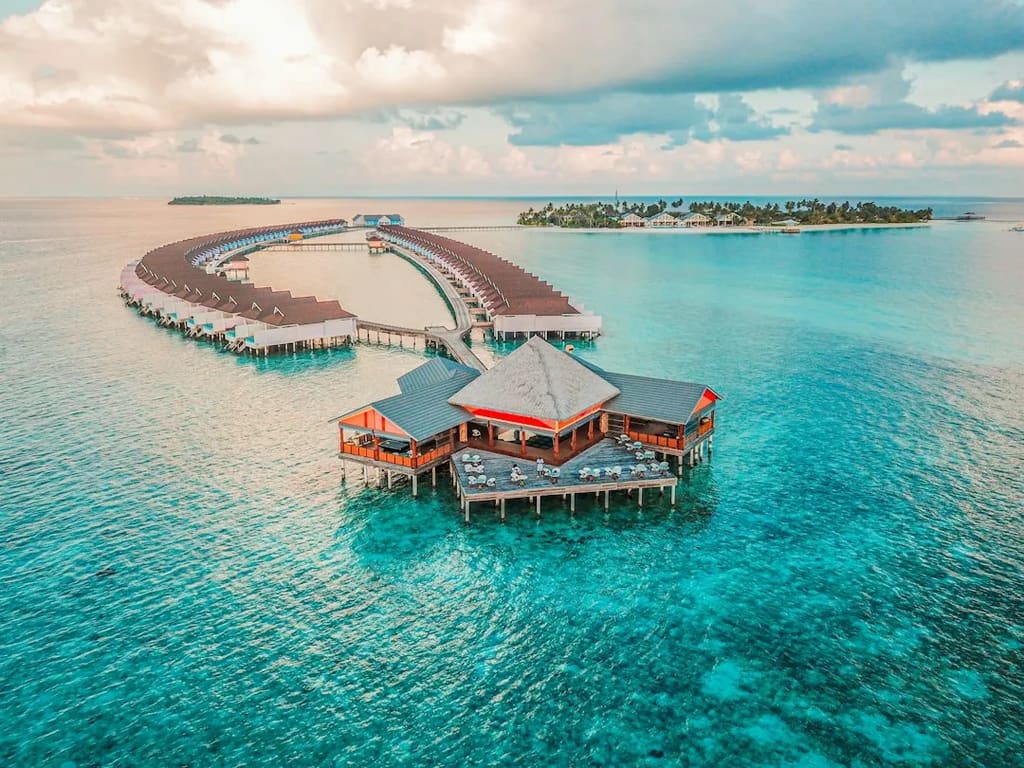
The Maldives sits near the equator, so temperatures hover around the low thirties Celsius most of the year. The wetter months run roughly from May to October, but they rarely turn cold. The country recorded 2,246,516 tourist arrivals in 2025, nearly ten percent above 2024.[14]
Timing affects price more than comfort. The highest monthly arrivals were in December, January, February and March.[14] Even in May, the slowest month, daily arrivals averaged 4,375.[14] Roughly three quarters of visitors stayed at resorts.[15]
Singapore: A City With No Cold Season
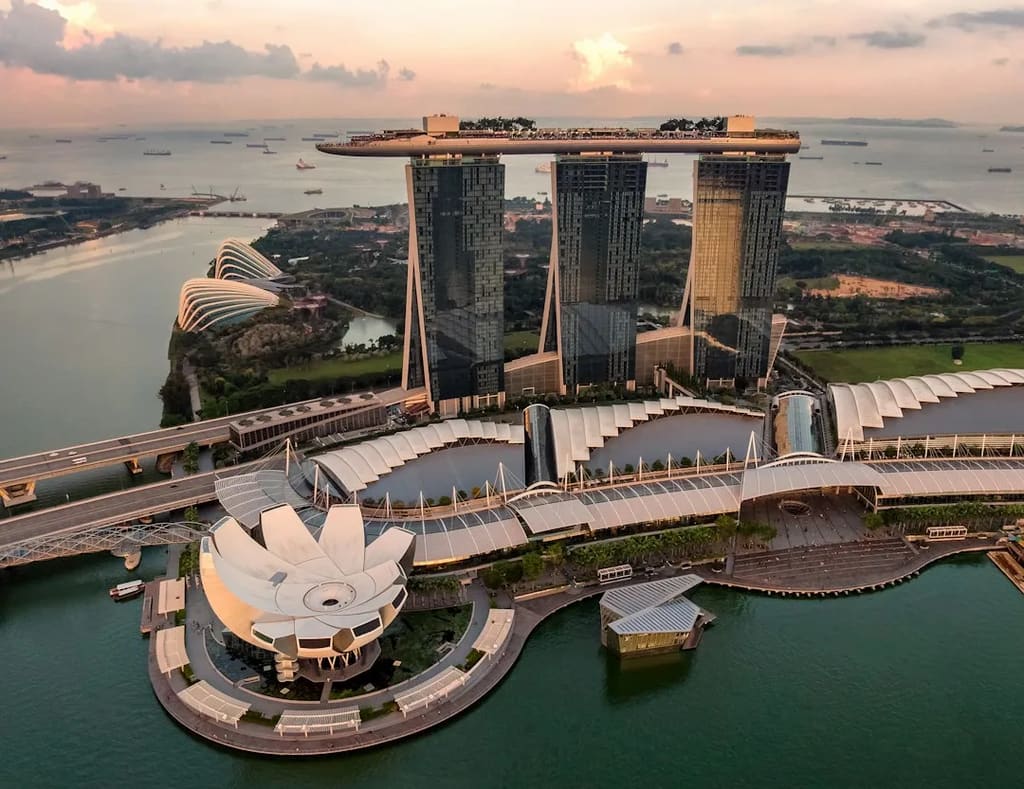
Singapore sits just north of the equator and has no real winter. Temperatures usually range from the mid twenties to the low thirties Celsius, with humidity staying high. The wetter northeast monsoon period typically runs from December into early March, bringing frequent showers rather than a drop in warmth.
It works well as a short stay or a stopover. Changi Airport is a major connection point, and the city compresses food, gardens and museums into a compact area. Air conditioning is everywhere, which is useful when the heat settles in.
Philippines: Island Hopping in Tropical Heat
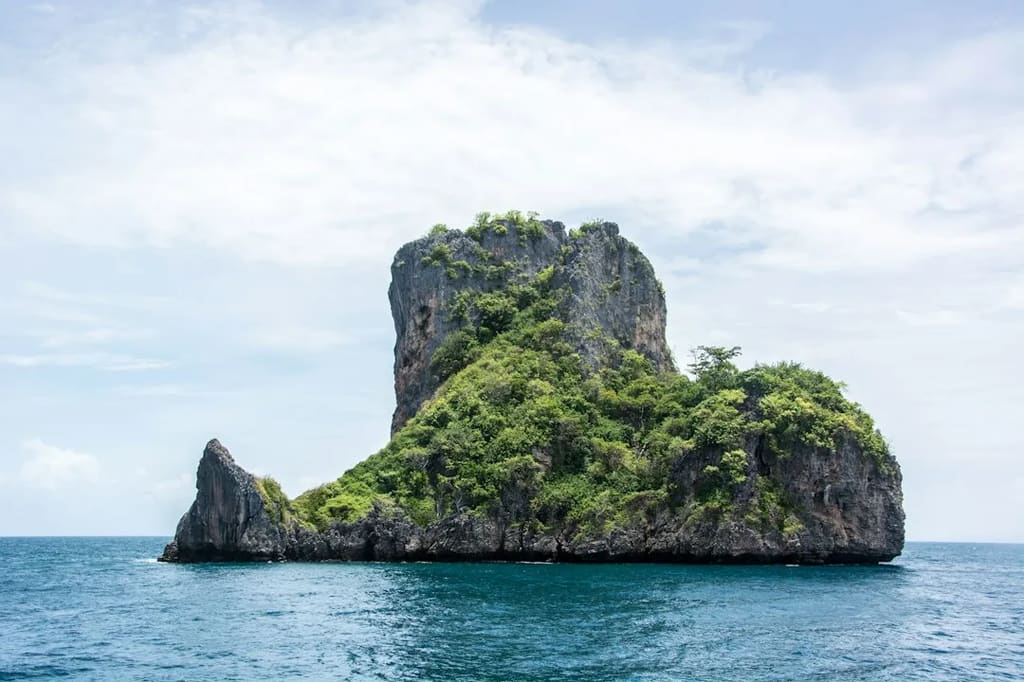
The Philippines has more than seven thousand islands, and nearly all of them stay warm through the year. Palawan, Cebu and Bohol are popular for beaches, diving and snorkelling. The drier months run roughly from November to April, which is why many visitors plan winter trips then.
Related Stories From Travelbinger
The country lies in a typhoon belt, and storm risk is highest later in the year. It’s worth checking forecasts, keeping flexible plans and buying travel insurance that covers weather disruption. Travel between islands can take time, so fewer bases usually make for a smoother trip.
Indonesia: Bali, Lombok and the Equatorial Belt
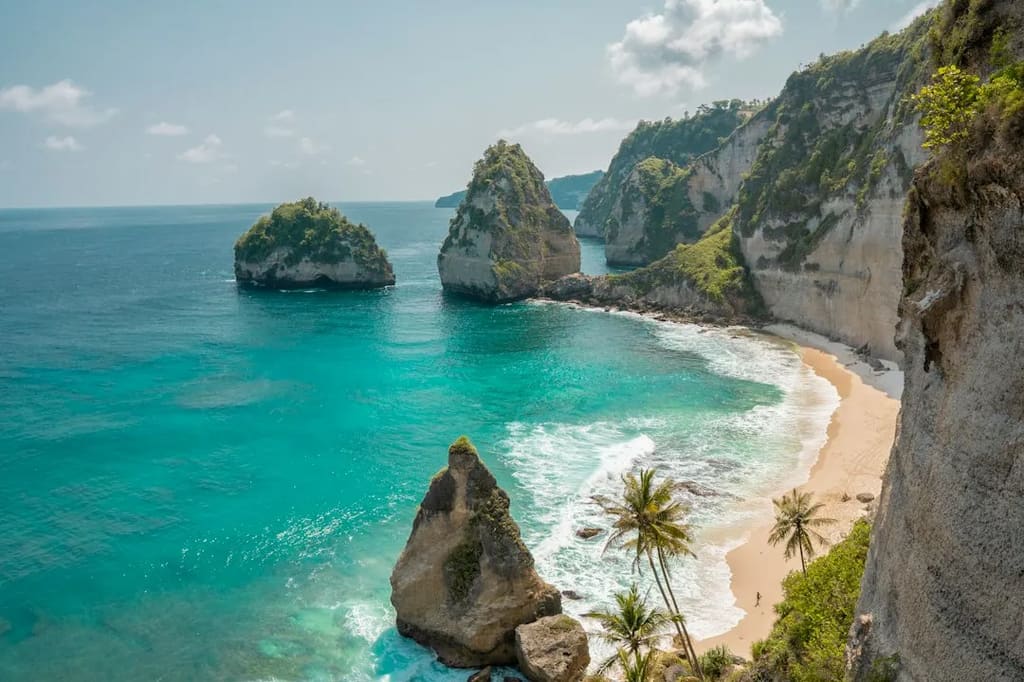
Indonesia straddles the equator and spans thousands of islands, so warmth is the constant. Bali typically sees temperatures in the high twenties Celsius all year. The drier season runs roughly from April to October, while the wetter months bring heavier afternoon showers.
Beyond Bali, Lombok and the Gili Islands offer quieter beaches, and Java has volcanoes and temples. Distances are large, so a trip focused on one or two islands tends to work best. Higher inland areas feel noticeably cooler in the evening.
Sri Lanka: Two Coasts, Two Seasons
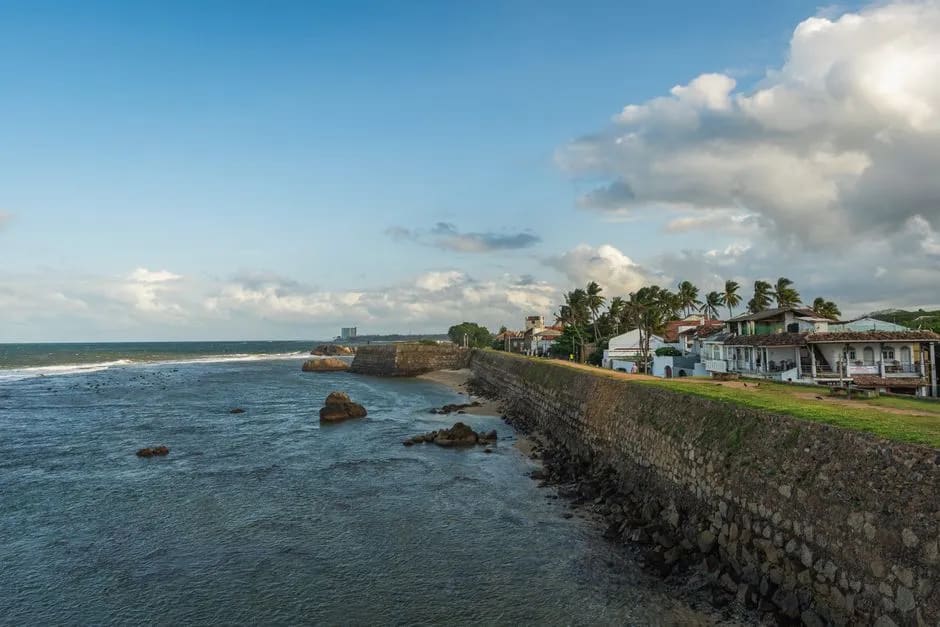
Sri Lanka stays warm, but its two monsoons mean the best beach side changes through the year. The southwest coast is generally at its best from about December to March. The east coast tends to be more pleasant from roughly April to September.
That flexibility is a rare advantage in a small country. The central highlands add variety, with Nuwara Eliya sitting at roughly 1,900 metres and feeling much cooler than the coast. Tea estates, wildlife parks and ancient sites fill the space between beach stays.
Costa Rica: Tropical Warmth With Two Coasts
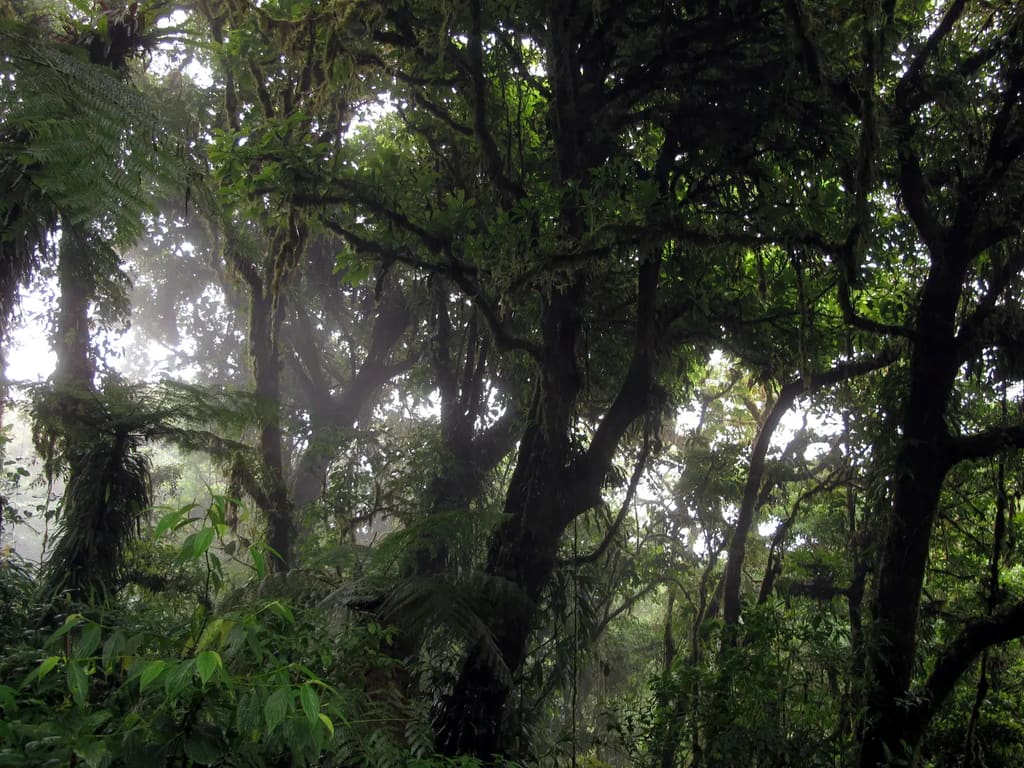
Costa Rica’s climate follows a dry season, roughly December to April, and a green season for the rest of the year. Lowland and coastal areas stay warm in both. Elevation changes the feel, so places like Monteverde are noticeably cooler and often misty.
The Pacific and Caribbean coasts have different weather rhythms, which can help when one side is rainy. Volcano hikes, rainforest walks and wildlife spotting are the main draws. Green season travel can mean fewer crowds, with rain most often arriving in the afternoon.
Malaysia: Rainforest, Islands and Street Food
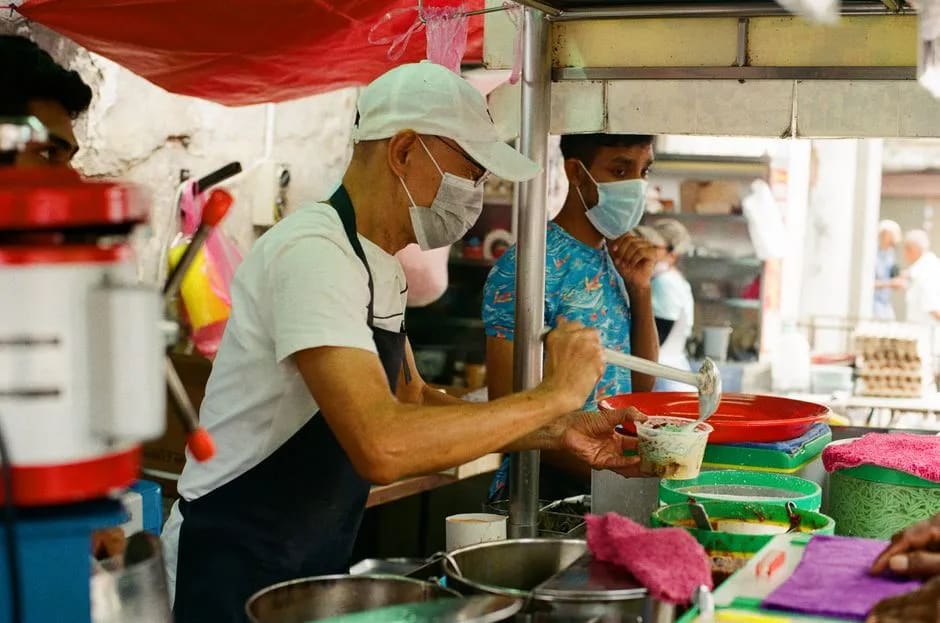
Malaysia is equatorial, so it stays hot and humid throughout the year, with temperatures generally in the low thirties Celsius by day. The weather shifts by coast, though. The northeast monsoon, roughly November to February, brings heavy rain to the east coast, and many islands there, such as the Perhentians, reduce operations during that time.
Langkawi and Penang on the west side are easier winter picks. Penang is especially known for street food, and Borneo adds rainforest and wildlife. The Cameron Highlands offer cooler air if you need a break from the heat.