Hokkaido’s capital is preparing for one of Japan’s best-known winter events. The Sapporo Snow Festival is scheduled to run across three sites in central Sapporo from February 4 to 11, 2027, with the Odori, Susukino and Tsudome venues all listed for the same window ([1]). For American travelers weighing a winter trip to Japan, that gives a clear date range to plan around.
A calendar built around a national holiday
The festival will go on for eight days from Thursday, February 4 to Thursday, February 11, 2027, National Foundation Day in Japan. The closing day falls on a public holiday, which may shape how crowds move through the city in the final days.
A related event follows immediately afterward. A separate collaborative event, the Sapporo Snow Sports Park, will be held at the Daiwa House Premist Dome (formerly Sapporo Dome) for three days after the main festival, from February 12 to 14. Visitors who want to combine snow sculptures with winter sports could extend their stay for that stretch.
Admission is not a barrier. Entry is free, so the main costs for most visitors will be transportation, lodging and meals. Some planning details are still shifting between sources. The English official site still shows the 2025 dates, while the Japanese official site lists 2027. Travelers should confirm hours and schedules on the official festival site before booking.
Three sites, three different moods
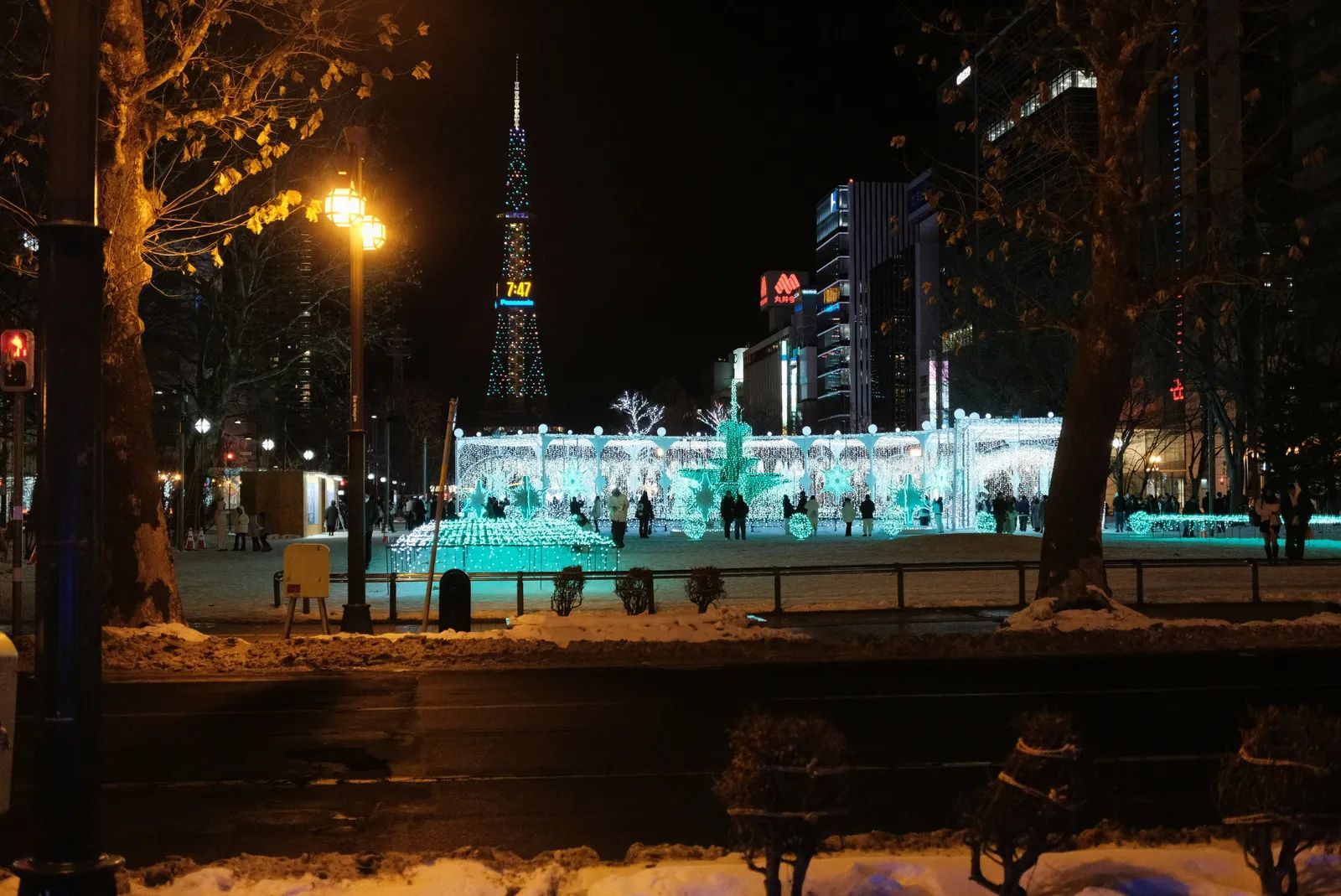
The festival is spread across three areas, and each one offers a different experience. As usual, there will be the International Snow Sculpture Contest and a number of food and drink stalls at three sites across Sapporo, Odori Park, Susukino, and Tsudome. Odori is the anchor, and its scale is easy to grasp on foot. The main Odori site stretches about 1.5 kilometers through central Sapporo.
Each site draws a different crowd, so it helps to match the venue to your group. First time visitors should prioritize Odori in the evening for the lit sculptures, then walk to Susukino for the ice displays. The table below summarizes how the venues differ.
| Site | What stands out | Best suited for |
|---|---|---|
| Odori Park | Large snow sculptures, lit after dark | First-time visitors and evening sightseeing |
| Susukino | Ice sculptures in the entertainment district | Night owls and dinner plans |
| Tsudome | Snow slides and indoor and outdoor snow play | Families with children |
Tsudome deserves a separate plan. The Tsudome site normally opens earlier and closes earlier than the two central sites, so confirm its exact dates on the official festival website before you book. Travelers who arrive late may want to give Odori the evening and set aside a full day for Tsudome.
From six student sculptures to an international showcase
The festival’s origins are modest. The snow festival first began in 1950, when local middle and high school students created six snow sculptures in Odori Park. The scale grew quickly. In 1953, a 15-meter snow sculpture titled “Shoten,” meaning “ascension,” was created by a Sapporo high school.
Today’s works demand logistics that the early students never needed. So many sculptures are now built for the event, around 400 in total, that snow has to be trucked in from the surrounding countryside. Military participation also shaped the festival’s ambitions. Two years later, Japan’s Self-Defence Forces joined the festivities, raising the bar for large-scale snow sculptures. The competitive side followed. The International Snow Sculpture Contest began in 1974.
Related Stories From Travelbinger

What US travelers should plan now
Lodging is likely to be the first pressure point. Rooms in central Sapporo, around Odori, Susukino and Sapporo Station, for 4 to 11 February sell out months ahead, and prices rise long before that. Booking early can protect both availability and budget, particularly for those who want to stay near the main sites.
A practical itinerary is simple to build. One day can cover Odori in daylight and Susukino after dark. A second day can add Tsudome, especially for travelers with children. Anyone who wants more time on the snow can extend the trip to the Sapporo Snow Sports Park dates that follow.
The festival has moved from six student sculptures to a winter event that draws visitors from around the world. For 2027, the calendar is set, the sites are known and the planning window is open. Those who book early and check official details closer to the date will have the easiest path to seeing the sculptures lit against the Sapporo night.