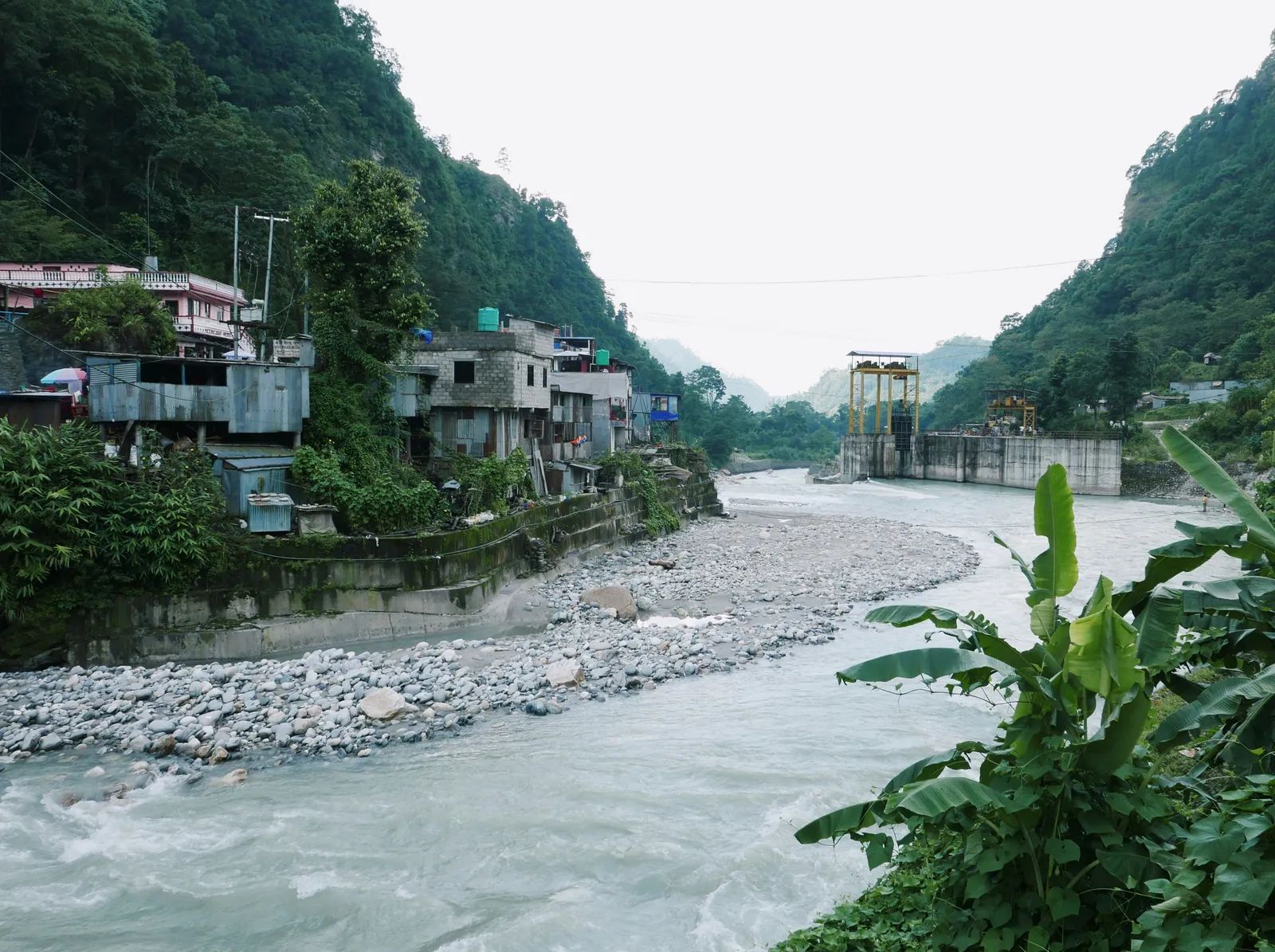
Kathmandu, Nepal – For many people in the Himalayan foothills, the mountains have long meant stability, a source of snowmelt that rarely changes. A flood in central Nepal has challenged that picture. The disaster, which followed a major avalanche on Aug. 26, has also pushed the country’s policy circles to reconsider how it should harness its rivers ([1]). ([1])
A Mountain Road Gives Way
On the morning of Aug. 26, a slope on Langtang Lirung above the Bhotekoshi river valley gave way. The movement appears to have been an avalanche, and it sent a churning mass of water, mud and boulders down the valley below. Villages along the river had little time to react. The sudden surge made clear how quickly a calm mountain setting can turn dangerous.
The Langtang region draws trekkers and adventure travelers, so the event reached well beyond the communities that live along the river. Many people who had planned to walk those trails now have reason to ask how safe the routes remain.
Losses Spread Beyond the Valley
The flood killed many people, and thousands more were reported missing. Several hydropower projects were also damaged, leaving operators and local workers facing an uncertain future. For families still searching for relatives, the scale of the loss is far more immediate than any question about energy policy.
As the water receded, attention shifted to what the country should build next. Engineers, policymakers and researchers are now weighing whether the damage points to a different approach to the rivers that flow from the Himalayas.
A Fresh Argument for Mega-Dams
Some experts now argue that large dams in the mountains could hold back floods, store water for the winter months and provide a buffer if snowfall declines in the future. Supporters see reservoir projects as a way to stabilize power supplies when demand peaks and rivers run low.
Their case has limits. Engineers face steep terrain and young, unstable geology, and earthquakes pose a constant threat to large structures. Supporters of dams often point to Kulekhani, a plant southwest of Kathmandu that generates about 92 GWh each year and helps meet winter peak demand. The plant is now about four decades old, a reminder that even proven infrastructure requires careful upkeep and reassessment.
Columnist David Fickling of Bloomberg has framed the choice as a question of design. Nepal will keep developing its rivers, he argues, but the key issue is whether new projects simply produce electricity from run-of-river flows or also build storage that protects communities downstream.
Related Stories From Travelbinger


What Comes Next
The debate is likely to unfold over several fronts. Residents and local officials will be watching for clear answers on the following points:
- Whether new hydropower plans include storage dams or stick with run-of-river designs
- How aging facilities such as Kulekhani will be maintained for winter power demand
- What engineering standards will apply in areas exposed to earthquakes and slope instability
- How early warning and safety measures will protect people living along the Bhotekoshi and similar valleys
For now, the mountains that once felt permanent are a reminder of how much can change in a single morning. The choices Nepal makes about its rivers will shape how safely its communities live beneath those peaks in the years ahead.