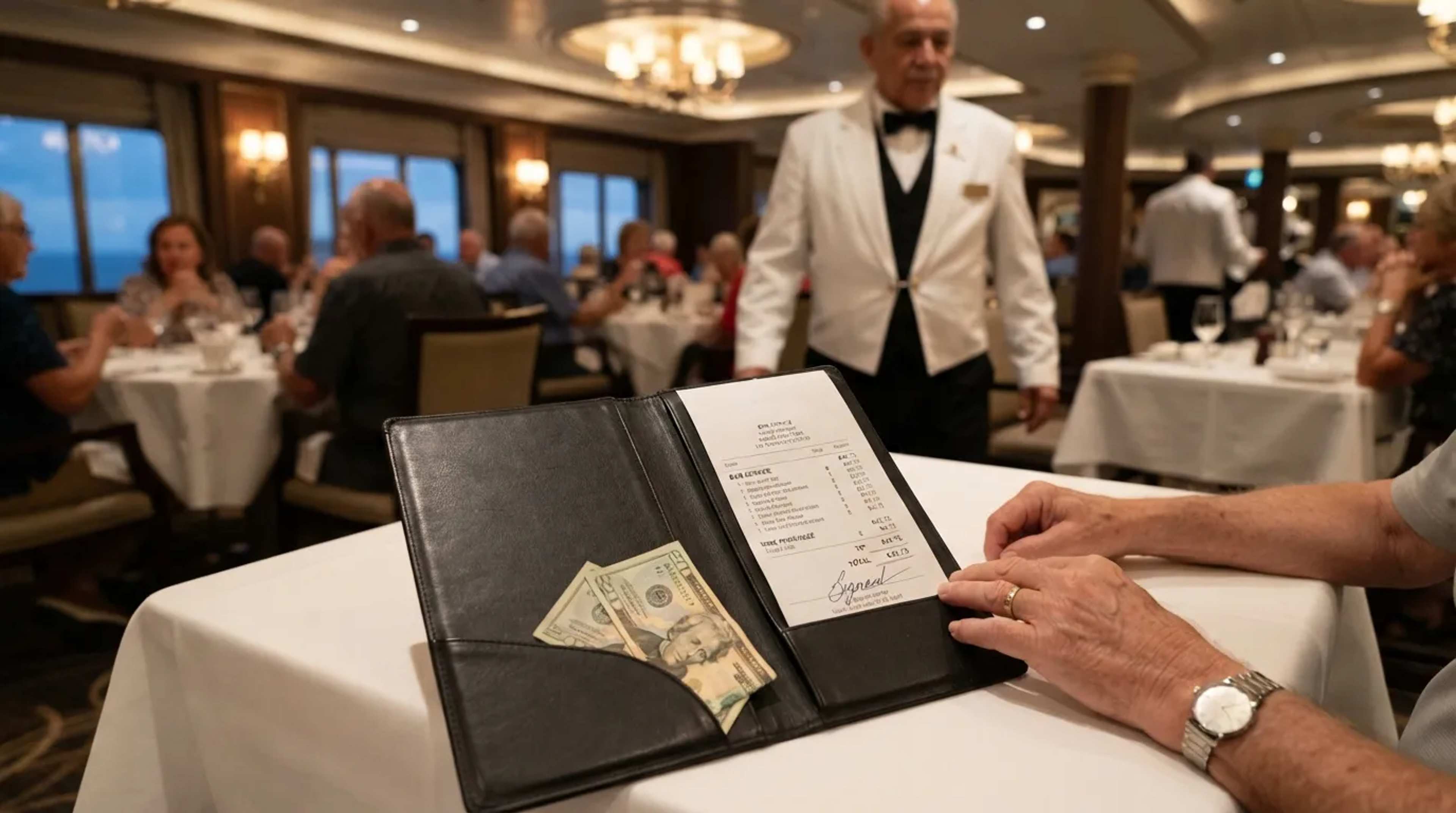
Tipping has become a bit of a mood in America. A WalletHub survey released in March 2026 found that nearly nine in ten Americans think the country’s tipping culture is out of control[1]. Even so, the habit travels with us, and it doesn’t always land well once the passport comes out.
A tip that reads as generous at home can read as confusing, awkward, or even insulting somewhere else. The reasons usually come down to wages, built-in service charges, and local ideas about what good service means. Here are nine places where leaving extra money is unnecessary or unwelcome, followed by the seven where skipping it causes real trouble.
Japan, Where a Tip Can Backfire

Japan is the textbook example. The philosophy of omotenashi treats excellent service as a point of professional pride rather than something that needs extra payment[2]. Restaurant staff may refuse extra cash, and some workers can feel embarrassed to receive a tip[3].
Leave money on the table and you may see it come back to you. Service workers may chase customers down to return forgotten money[4]. The exceptions are narrow, such as a ryokan attendant or a private guide[5], and upscale hotels and restaurants that add a set service charge are charging a fixed fee, not collecting a tip[5].
South Korea and the Charity Problem

South Korea has long operated without tipping. Service workers are usually paid a livable wage by their employers[3]. Because of that, a tip can be viewed as insulting, since it suggests the worker needs charity from the customer[3].
The debate has stirred a little in recent years. Controversy arose over tip jars appearing in certain establishments, as many international visitors felt obliged to leave a gratuity[3]. Locals haven’t warmed to the idea: only 5% of Korean survey respondents said they were fine with the practice[3]. Higher end hotels might add a compulsory service charge of 10% to 15%, which needs no additional supplement[6].
Mainland China, Where Attitudes Are Shifting Slowly
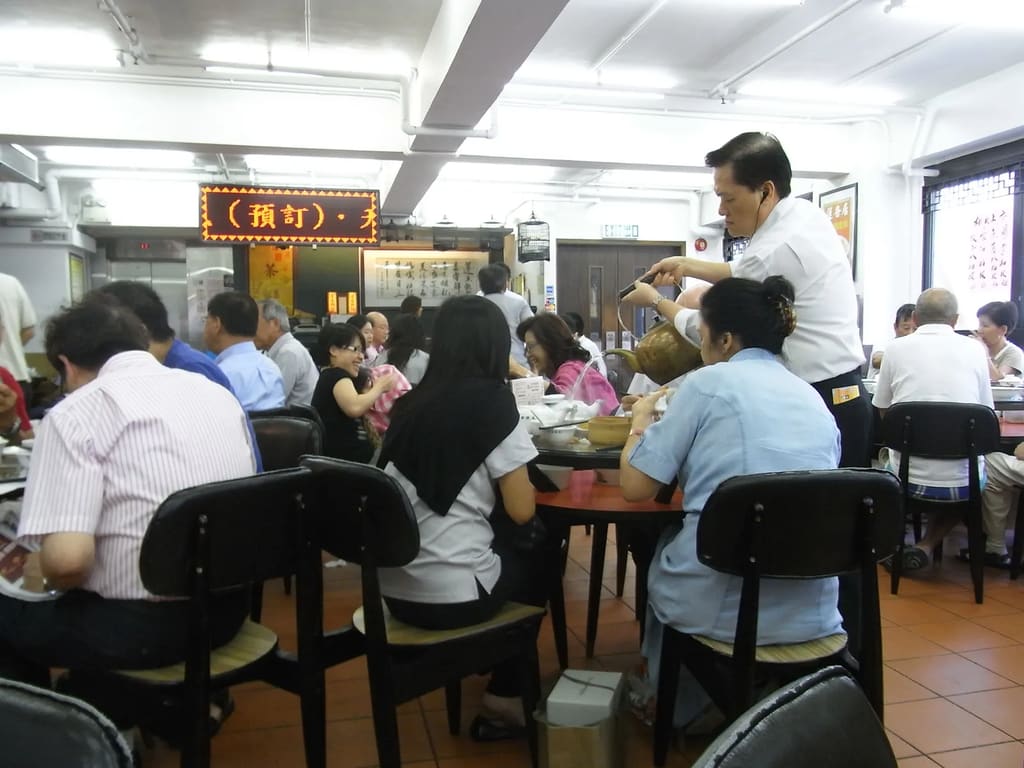
In mainland China, wait staff draw a regular wage with no link to gratuities[7]. Tipping was once considered rude there, and according to the BBC it has become more acceptable as more Western tourists have visited[3]. Even so, there is still no expectation of tipping on the mainland[3].
Some travel guides add a practical warning: in some regions of China tipping a taxi driver is illegal[8]. Others note that tipping can create confusion or even be read as showing off[9]. If a bill shows anything extra, it’s more likely a built-in service charge[3] than a request for a tip.
Singapore and Those Two Little Plus Signs
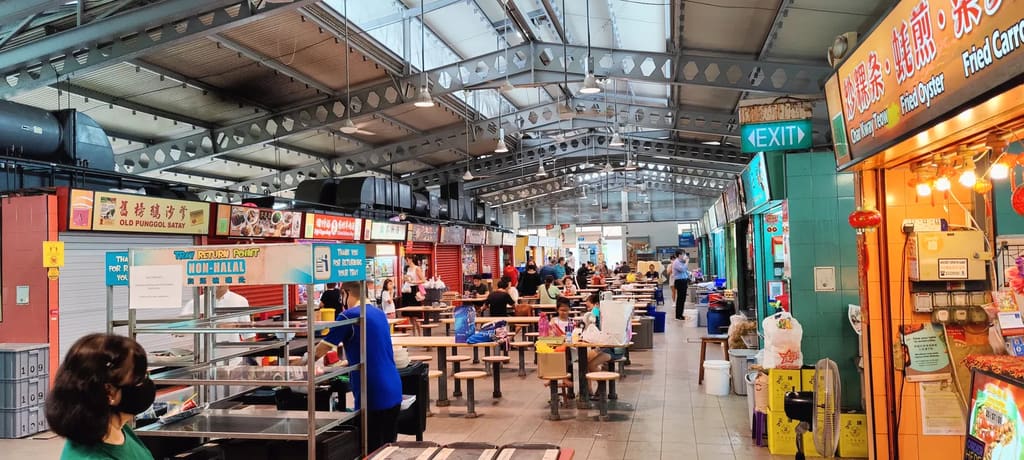
Singapore handles gratuities through the bill itself. Food and beverage businesses often add a service charge, typically ten percent[5]. Menu prices followed by two plus signs signal that this charge and the goods and services tax will be added on top.
Government attitudes have leaned against tipping on top of that. Tipping is generally not expected, and hawker centres and food courts don’t add a service charge at all[5]. If you want to reward someone directly, hand over cash discreetly or tell the floor manager[5].
Australia, Where It’s Your Call
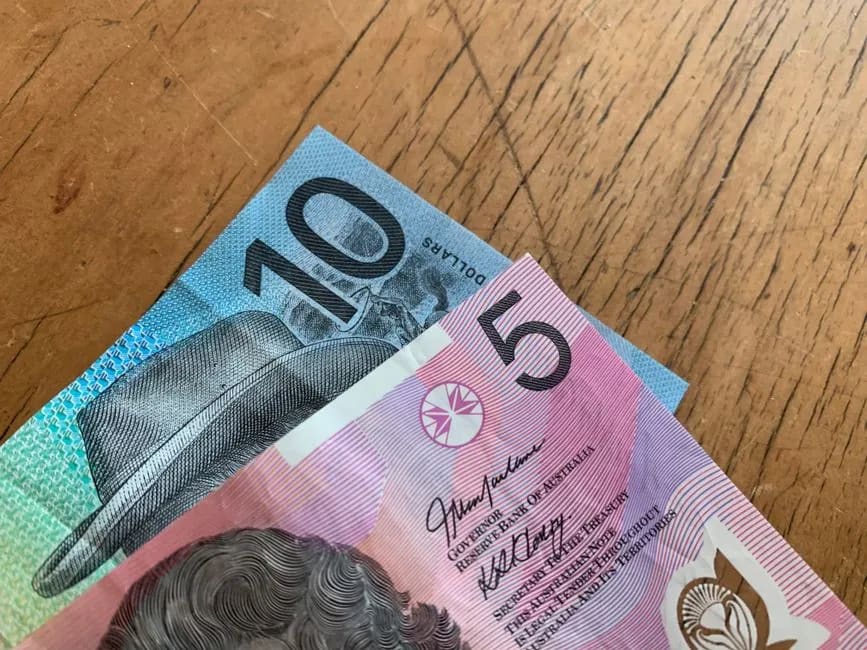
Australia doesn’t punish a tipper, but it doesn’t ask for one either. Tipping remains a matter of choice, and most venues don’t expect it[7]. Part of the reason is pay: countries with strong minimum wages, including Australia, don’t need tips to subsidize income[2].
There is one place where a tip can cause real trouble. Casinos in Australia, and some other places, generally prohibit tipping gaming staff because it is considered bribery[8]. Anywhere else, a sincere thank you does the job.
New Zealand, a Tip-Optional Neighbor

New Zealand follows much the same script as its neighbor across the Tasman Sea. Like their Australian neighbors, New Zealanders don’t have a tipping culture[9]. Travel guides group the two countries together as genuine no tipping cultures where hotel staff neither expect nor want tips[4].
A tourist who tips by habit probably won’t offend anyone, but they may draw a puzzled look. Staff are paid a regular wage, so the bill you see is the bill you pay. If someone goes out of their way for you, thanking them in person is the more natural gesture.
Denmark and the Equality Argument

Denmark treats tipping as a poor fit for its values. Danes value equality and prefer straightforward pricing over the uncertainty of tipping[9]. That attitude is backed by pay, since Nordic countries pay service workers living wages, so tips aren’t needed the way they are in the USA[10].
Rounding up a bill for a particularly good meal is a small personal choice, not an obligation. What you shouldn’t do is apply a twenty percent American habit to a Danish check. Staff aren’t counting on it, and the gesture can feel out of step with local norms.
Switzerland, Where Service Is Already Priced In
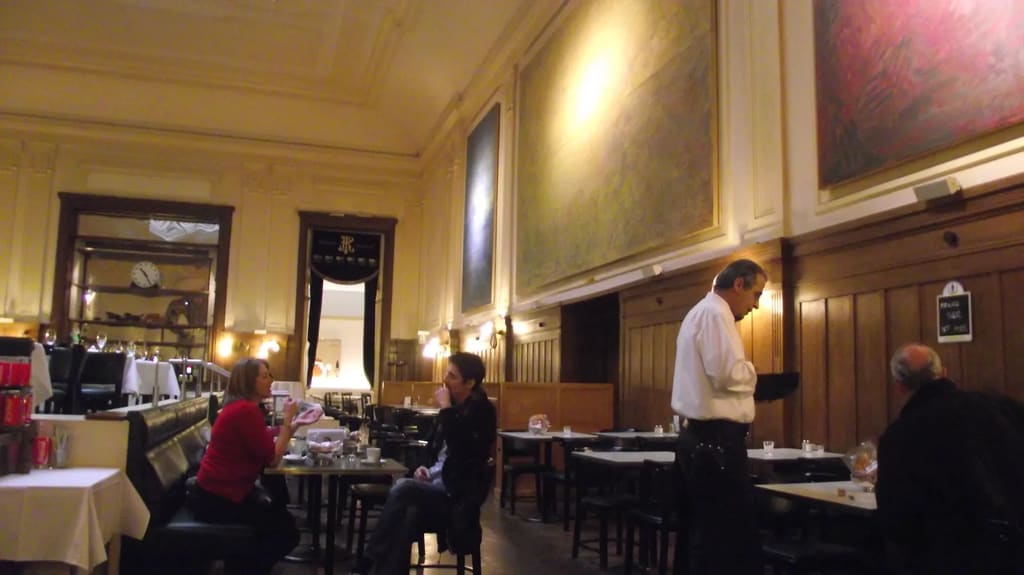
In Switzerland, prices already include service charges, and tipping for basic service is a foreign concept in Swiss culture[9]. The economics help explain it. Strong wage floors in countries such as Switzerland mean tips aren’t needed to top up incomes[2].
Visitors sometimes round up the bill anyway, and that’s fine as a small thank you. Treat it as a bonus rather than a requirement. A large percentage added to the total would simply be unusual.
Related Stories From Travelbinger

France and the Service Compris Rule
French restaurants have long worked from a different model. By law, French restaurants include a service charge, known as service compris, on the bill[9]. Extra tipping is therefore unnecessary.
That pattern shows up across much of the continent. Most European dining spots include a service charge of 10% to 12%, so rounding up in cash is optional but appreciated[6]. In practice, leaving small change is welcome, while a twenty percent tip would seem excessive[11].
Now the other side of the ledger. Tipping is firmly expected in seven places. The first is a sit down restaurant in the United States, where Toast data shows the average is 19.3% at full service restaurants as of Q1 2026[12]. Servers lean on those tips because of a low base wage, a $2.13 an hour base that depends on customers[13].
The second is American food delivery. The most common tip is 10% to 14%, chosen by 23% of people, followed by 15% to 17% at 20%[14]. Bankrate suggests $5 or 20% of the meal price, whichever is greater[15]. The third is the American bar, where one etiquette expert advises tipping $2 per drink or 15% to 20% of the total tab[14].
The fourth is the hair salon or other beauty service, where an etiquette expert recommends tipping 5% to 20%, depending on the quality of service[15]. The fifth is Canada, where tipping runs around 15% to 20% in restaurants and other service sectors[8], and in Quebec especially, it’s considered impolite to leave a restaurant without tipping[8].