Safety advice usually comes in two forms. One is a ranking that sounds reassuring, and the other is a government warning that sounds alarming. Each tells you something useful, though neither covers everything a traveler needs to know.
This list draws on two public sources from 2026. The first is the Global Peace Index from the Institute for Economics & Peace, which compares countries on safety, conflict and militarization. The second is the U.S. State Department’s travel advisory system, which rates destinations from Level 1 to Level 4.
Iceland: The Long Running Leader

Iceland sits at the top of the 2026 Global Peace Index with a score of 1.161.[1] The country also recorded an improvement in peacefulness of about two per cent over the past year.[2] It has held the position of the world’s most peaceful country since 2008.[3]
The usual explanations are the absence of a standing military, very low crime rates and strong social cohesion.[2] One caution applies to every country on this list. The index measures a country’s overall peacefulness rather than the safety of individual tourist destinations.[4] It’s a strong starting point, not a guarantee for any particular street or trail.
New Zealand: Calm at the Far End of the Map

New Zealand follows Iceland in second place in the 2026 index.[2] It is the most peaceful nation in the Asia Pacific region.[5] That makes it the highest ranked country outside Europe.
Geography matters in the rankings. Seven of the top ten countries are European, with Singapore and Japan representing Asia and New Zealand representing Oceania.[1] For travelers who want a long haul trip with a strong peace record behind it, New Zealand is the clearest option on the list.
Switzerland: Neutrality Pays Off

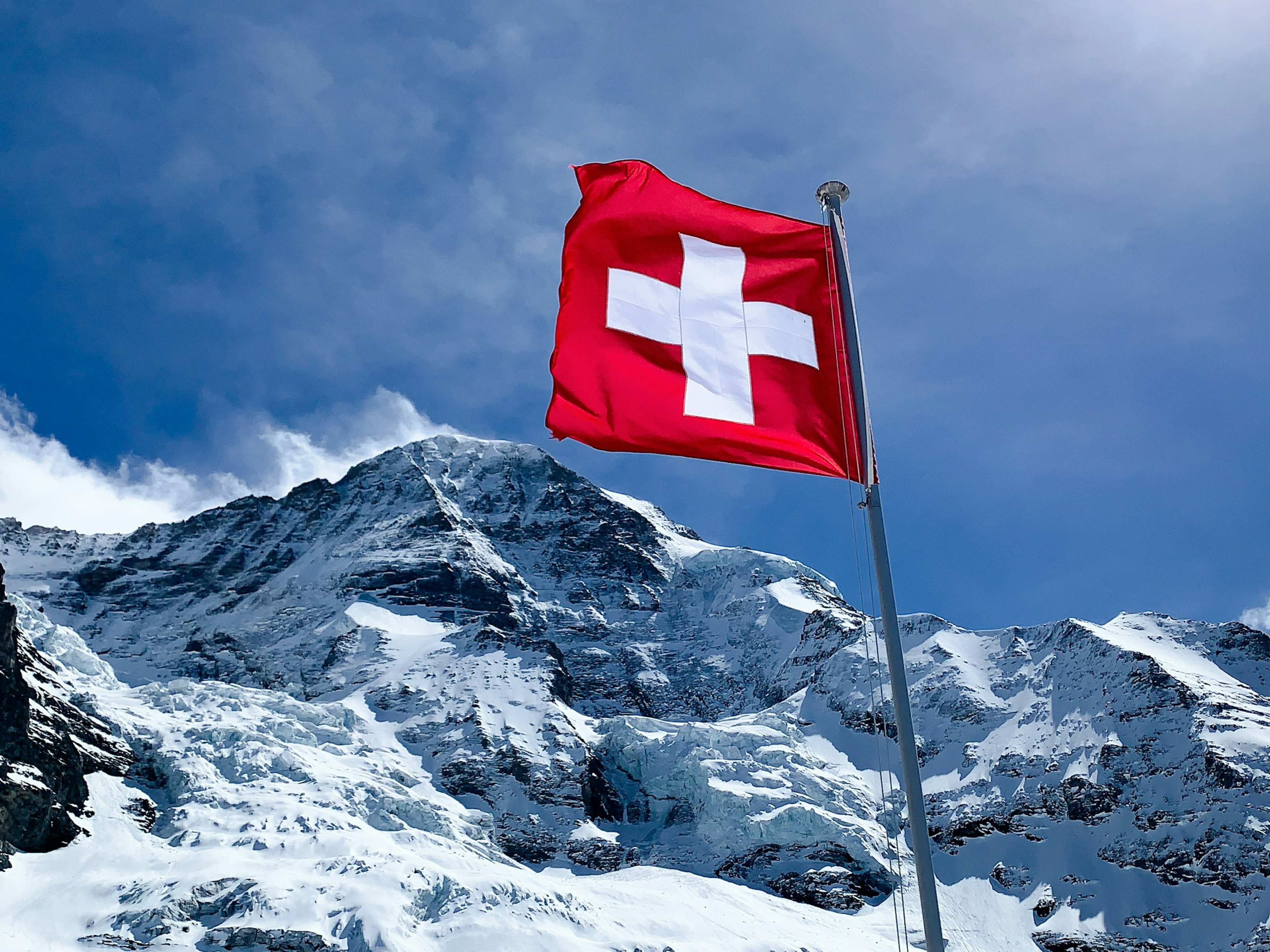
Switzerland scored 1.363 and ranks third, down one place from the previous year.[1] Its position reflects centuries of neutrality and strong safety scores.[5] The slip in rank is small and shouldn’t worry anyone planning a visit.
The gap between the countries near the top is also narrow. Slovenia, in fourth, scored 1.369, only a sliver behind Switzerland.[1] Rank changes at this level often come down to small shifts in individual indicators.
Slovenia: A Quiet Climber

Slovenia moved up two places to fourth, with a score of 1.369.[1] It is described as a stable democracy with low displacement numbers.[5] For many visitors it is still one of the less obvious names in Central Europe.
Its neighbors do well too. Europe’s leading group in the 2026 data consists of Iceland, Slovenia, Portugal and Ireland.[6] A trip that links Slovenia with nearby countries stays within some of the most peaceful territory on the continent.
Ireland: A Fixture in the Top Five
Ireland ranks fifth in 2026 with a score of 1.371, down one place.[1] It has been a consistent top five performer for years.[5] That steadiness is much of the appeal.
The country’s standing is tied to low levels of militarisation and a stable political environment.[4] For visitors, that translates into a destination where large scale disruption is rare. The usual travel sense still applies in cities, as it would anywhere.
Austria: Stability With Good Neighbors
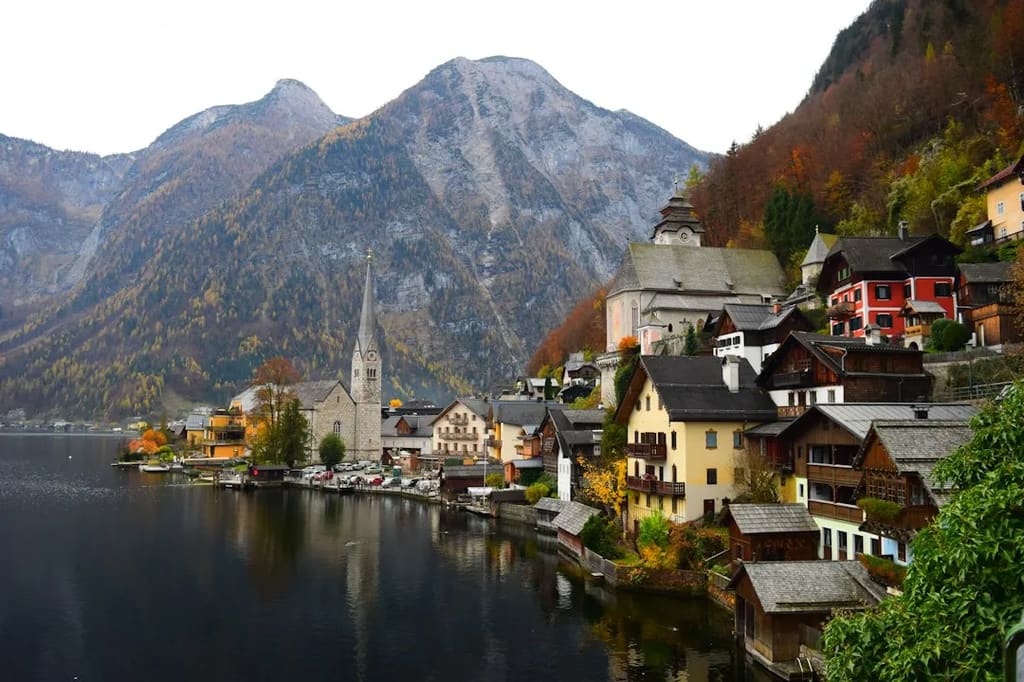
Austria placed sixth with a score of 1.421, one place lower than the year before.[1] It remains one of Europe’s safest countries, helped by political stability and strong relations with its neighbours.[4] Those neighborly ties matter for anyone crossing borders by train or car.
Strong governance and low militarization are the factors usually cited for its position.[5] The ranking measures peacefulness at the national level, so it says little about pickpockets in busy tourist areas. Still, as a baseline for a country, Austria’s position is solid.
Portugal: Consistent Across the Board

Portugal rose one place to seventh, with a score of 1.427.[2] It performs consistently across all three index domains and remains one of the most stable performers in Western and Central Europe.[2] That is a quiet but meaningful strength.
Those three domains are societal safety and security, the extent of domestic and international conflict, and the degree of militarisation.[3] In the 2025 edition, Portugal was already among the top five regionally.[3] Its steady record suggests the 2026 result isn’t a one year blip.
Singapore: Safe and Rated Level 1
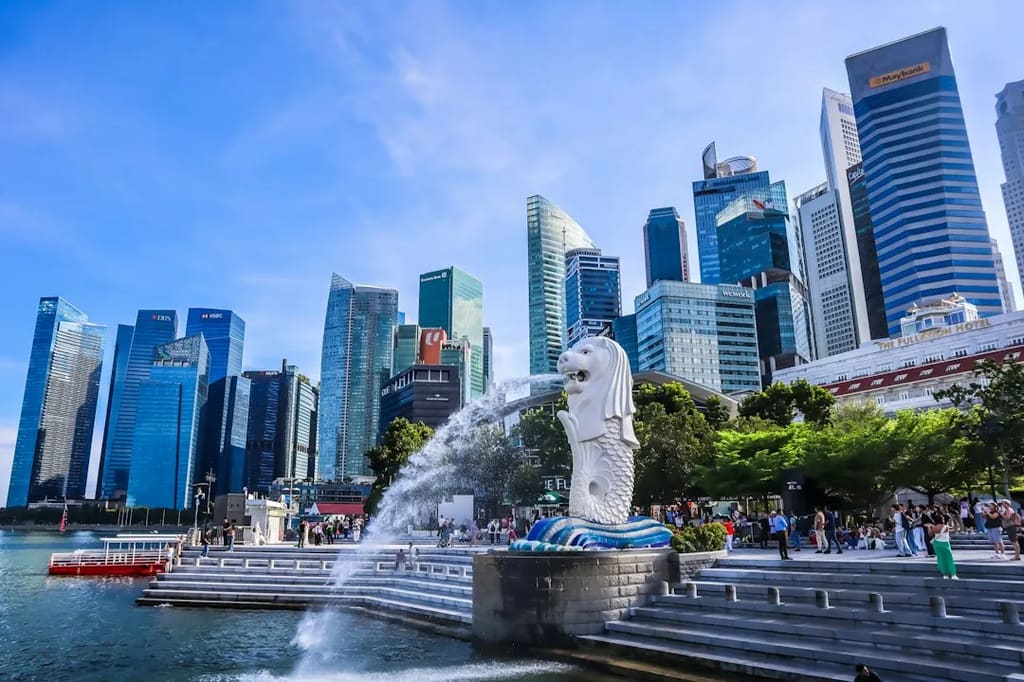
Singapore ranks eighth with a score of 1.435, down one place.[1] It holds the top safety ranking in Southeast Asia.[5] It is one of only two Asian countries in the top ten.
The official travel advice backs this up. The State Department lists Singapore at Level 1, exercise normal precautions, in an advisory dated March 9, 2026.[7] That is the lowest of the four advisory levels.
Finland: Trust as a Safety Feature

Finland rose one place to ninth, with a score of 1.478.[1] Its position is credited to high levels of trust, good governance and a strong social welfare system.[4] Those are social factors rather than anything a visitor sees directly.
The country’s recent trajectory is upward. In the 2025 edition, Finland had the best improvement in the index, climbing three positions into the top ten.[3] It has now held that place and moved up another spot.
Japan: The Biggest Mover in the Top Ten

Japan rose three places to take the final spot in the top ten, after an improvement of about one and a half per cent.[2] Its score is 1.489.[1] Among the ten, it posted one of the larger rank gains.
Japan shares the Asian slice of the top ten with Singapore. Together they are the only Asian countries among the ten most peaceful.[1] For travelers who want a large, culturally rich destination with a strong peace ranking, it is a natural pick.
Haiti: A Level 4 Warning With Little Ambiguity
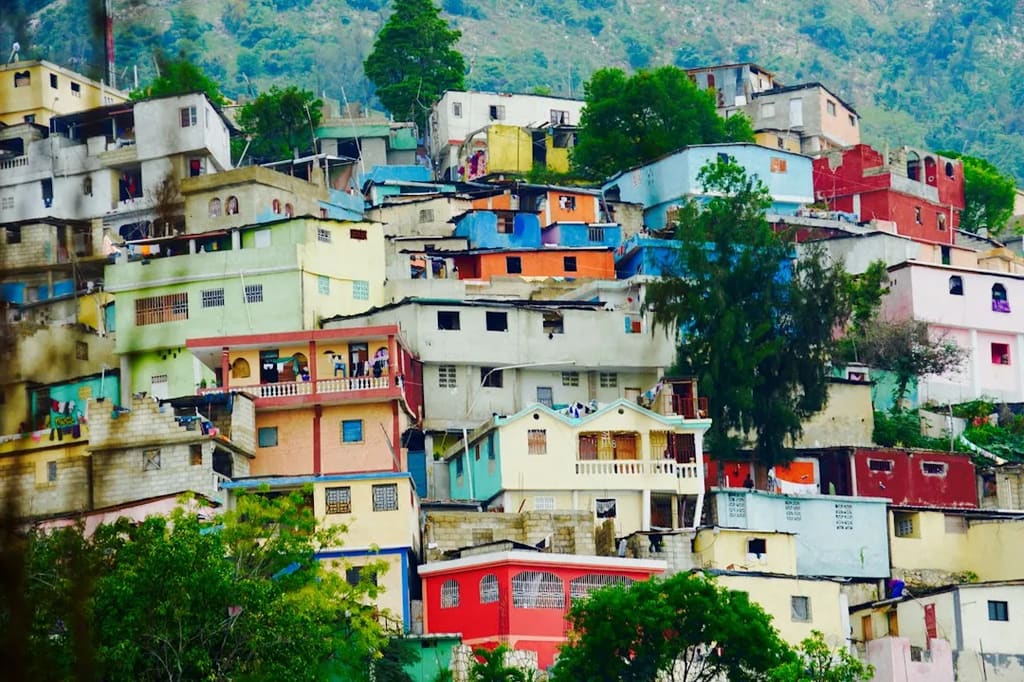
The State Department issued a Level 4 advisory for Haiti on July 10, 2026, telling travelers not to go for any reason.[8] The country has been under a national state of emergency since March 2024.[9] The cited risks are crime, kidnapping, terrorism, unrest and limited health care.
The advisory says kidnapping is widespread, with ransom demands typically in the tens of thousands to hundreds of thousands of dollars.[10] Local law enforcement has an extremely limited ability to respond to serious crimes outside the main cities.[10] It is the clearest case on this list for skipping a destination entirely.
Related Stories From Travelbinger



Mali: Insecurity Reaching the Capital
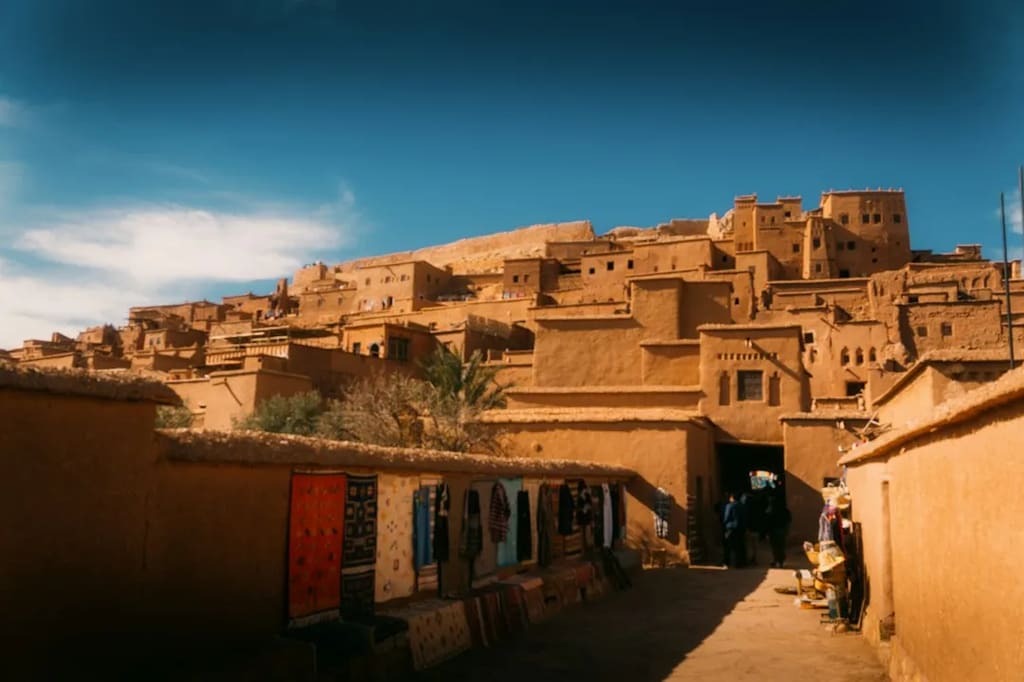
The State Department’s Level 4 advisory for Mali was issued on June 8, 2026, and says not to travel there for any reason.[11] It notes that insecurity has recently intensified within Bamako itself and in other cities.[11] That matters because capitals are often treated as safer bases.
Foreigners are frequently targeted for kidnapping by criminal or terrorist groups throughout the country.[11] The UK Foreign, Commonwealth & Development Office also advises against all travel to the whole of Mali.[12] With two governments giving the same advice, there is little room for debate.
Ukraine: War Keeps the Warning in Place

Ukraine carries a Level 4 advisory from the State Department, last dated August 28, 2026.[7] Reporting earlier in the year described the Russia and Ukraine war as still grinding on.[13] Conditions can change quickly, so any plan should rest on the current advisory.
The peace index tells a similar story. Russia and Ukraine remain the least peaceful countries in Europe.[6] Ukraine’s score improved by a quarter of a point in 2026, though its overall level remains extremely high.[6]
Lebanon: A Long List of Risk Flags
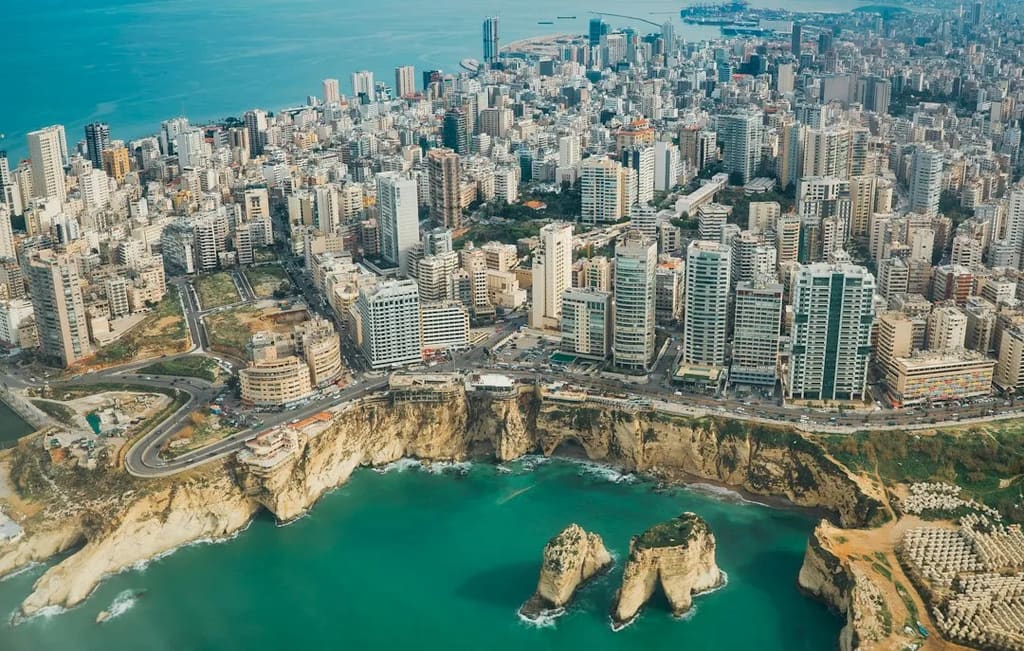
The State Department’s advisory index lists Lebanon at Level 4, with an update dated October 23, 2026.[14] The risk indicators attached to it are unrest, crime, kidnapping or hostage taking, terrorism and an additional category marked other.[14] That is a broad set of concerns rather than a single threat.
Level 4 has a specific meaning in practice. The State Department says it will have very limited ability to help U.S. citizens in these countries and in many cases urges those already there to leave.[15] Travelers from other countries should check their own government’s advice, since each issues its own assessments.
Sudan: One of Several African Countries at Level 4

Sudan is rated Level 4 by the State Department, with an advisory dated May 15, 2026.[7] Independent compilations show that more than twenty countries worldwide sit at Level 4, including eleven on the African continent.[16] Sudan is among them.
Level 4 is the State Department’s highest warning level, meaning travelers may face life threatening risks.[17] Advisory levels are revised often, and the official travel advisories page shows the current rating for every country. Checking it shortly before you book is the most reliable way to confirm where a destination stands.