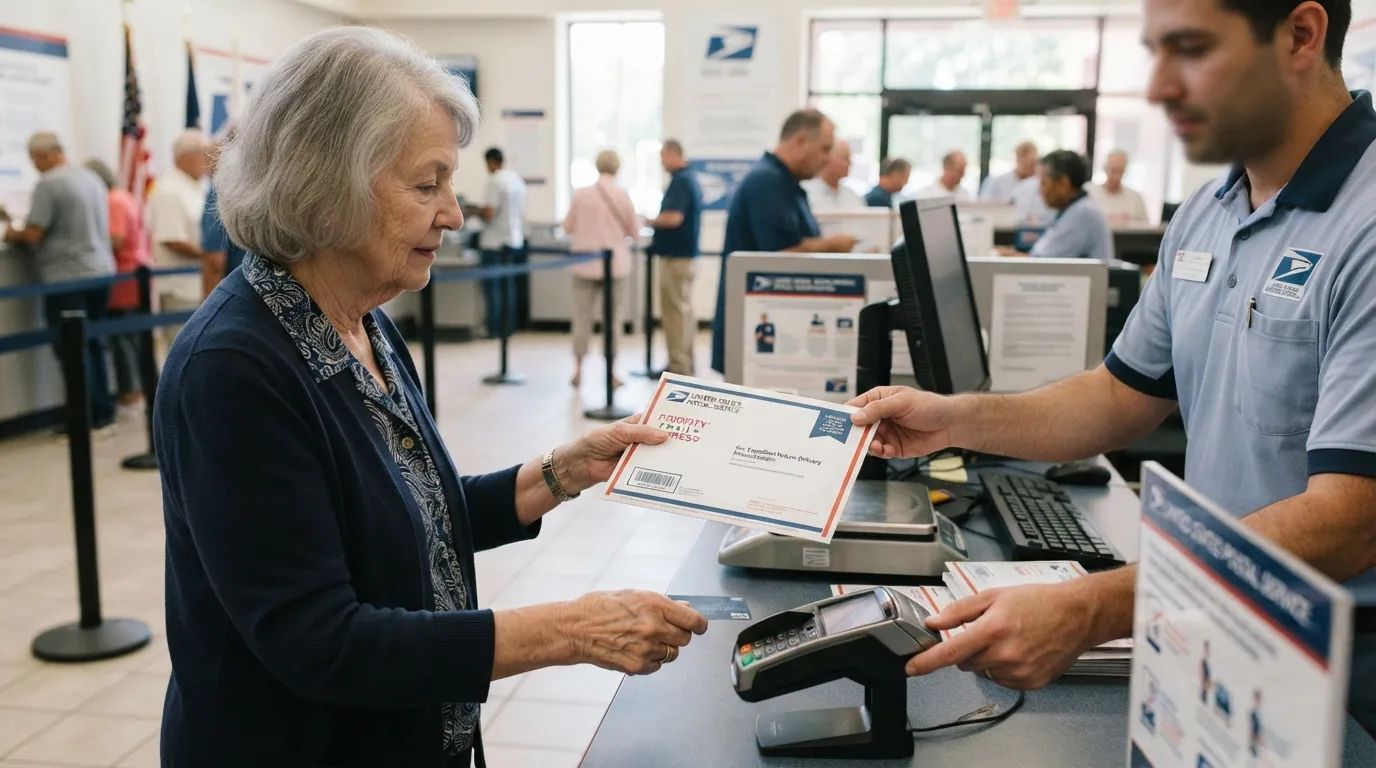
Here’s the surprise about renewing a passport by mail after 70: the State Department has no separate rule for your age. The rules that can sink your application are about the old book, the photo and the check, and each one is easy to miss.
Routine renewal is posted at four to six weeks, and that clock starts when the agency receives your application, not when you drop it in the mailbox. Add about two weeks for the envelope to get there and two more for the new passport to come back, and you can be without a passport for roughly ten weeks.1
One rejected photo or one badly written check can burn weeks you may not want to spare. The rules below count down from small slip-ups to the one that decides whether a booked trip survives.
Stay through the final rule, which shows how to count backward from a trip date so a booking never outruns your passport. The first rule is about the form itself, and it saves you $35 before you’ve mailed a thing.
#12 – The Right Form Is DS-82
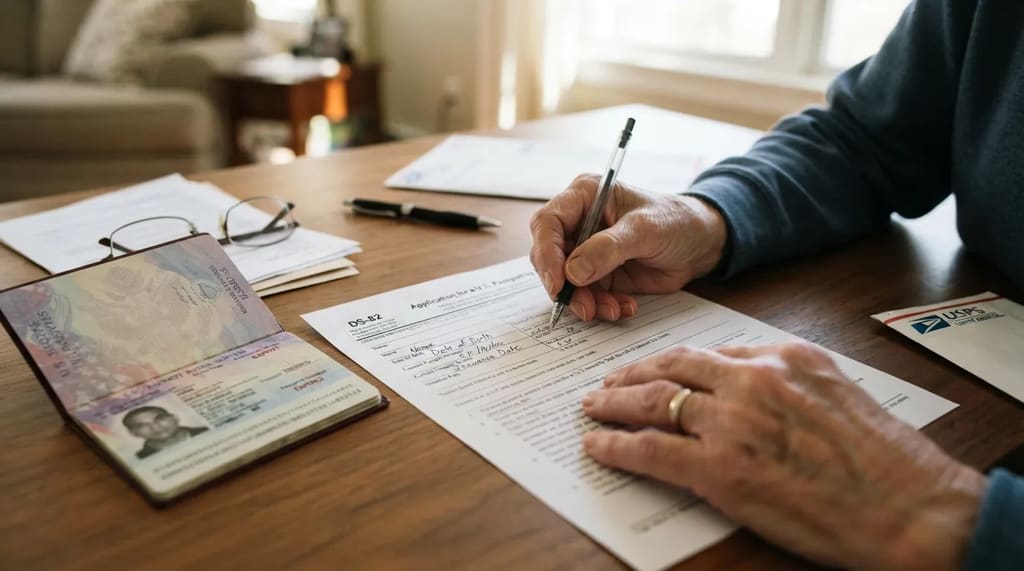
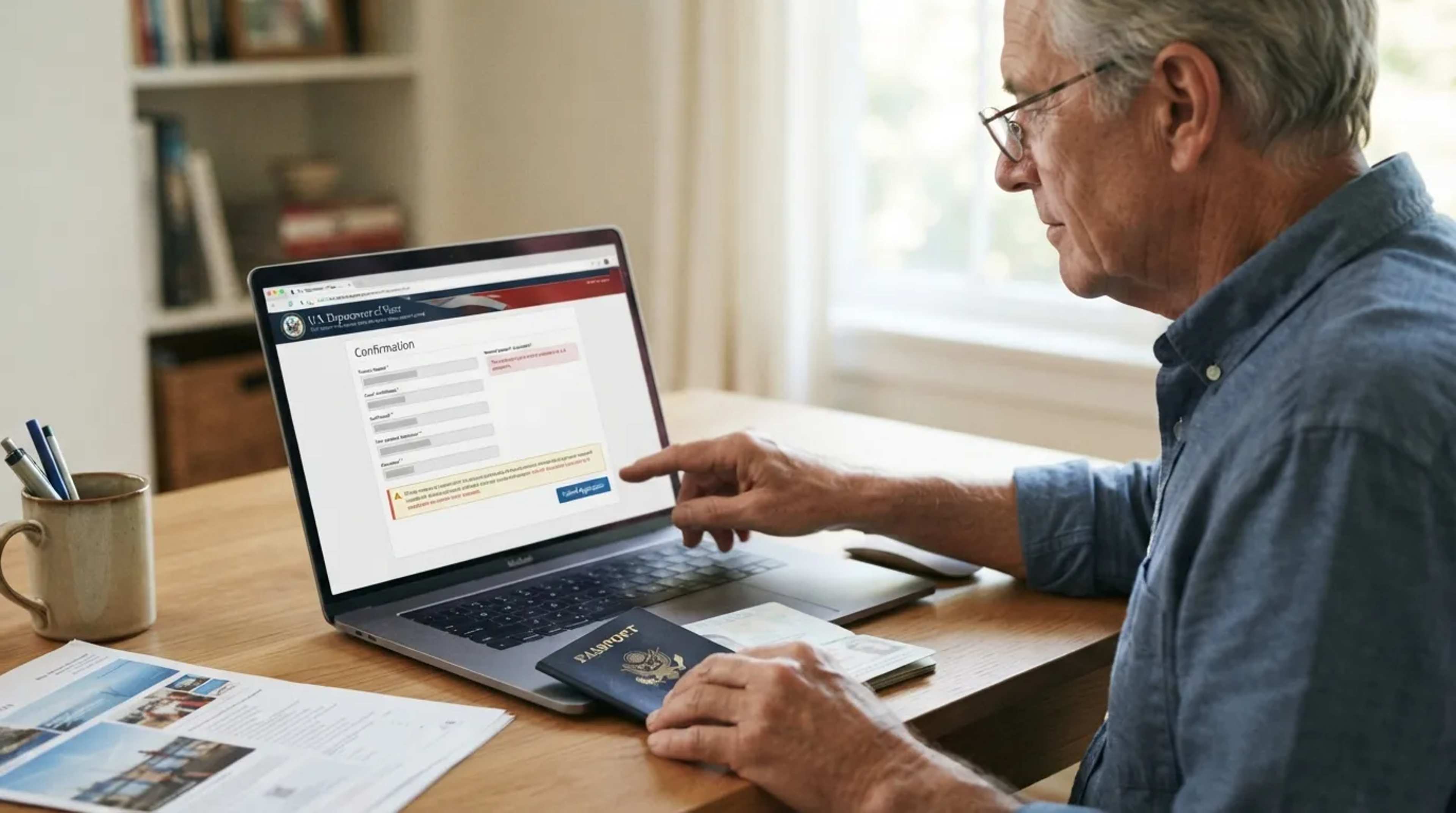
You don’t need an appointment, a post office clerk or an acceptance fee to renew by mail. You need Form DS-82, which you can fill in online at travel.state.gov and print, or complete by hand in black ink.
Form DS-11 is the in-person application for first-time applicants and for anyone who doesn’t qualify to renew. It requires an appointment at a passport acceptance facility and carries a $35 acceptance fee.
The renewal form’s own instructions say you don’t pay that fee with DS-82, so a mail renewal skips the $35 fee entirely.2 That’s money back in your pocket before you’ve mailed anything.
Dates go in as month, day and year, and the form asks for your old passport’s number and issue date. Keep the old book beside you while you fill it in.
If you’re working from a form you printed years ago, pull the current edition from travel.state.gov instead. Forms get updated, and the current edition is the safe one to send.
The form is the easy part. Your old passport has to pass a short set of tests before the State Department will take it by mail, and one of them concerns your name.
#11 – What Your Old Passport Must Look Like
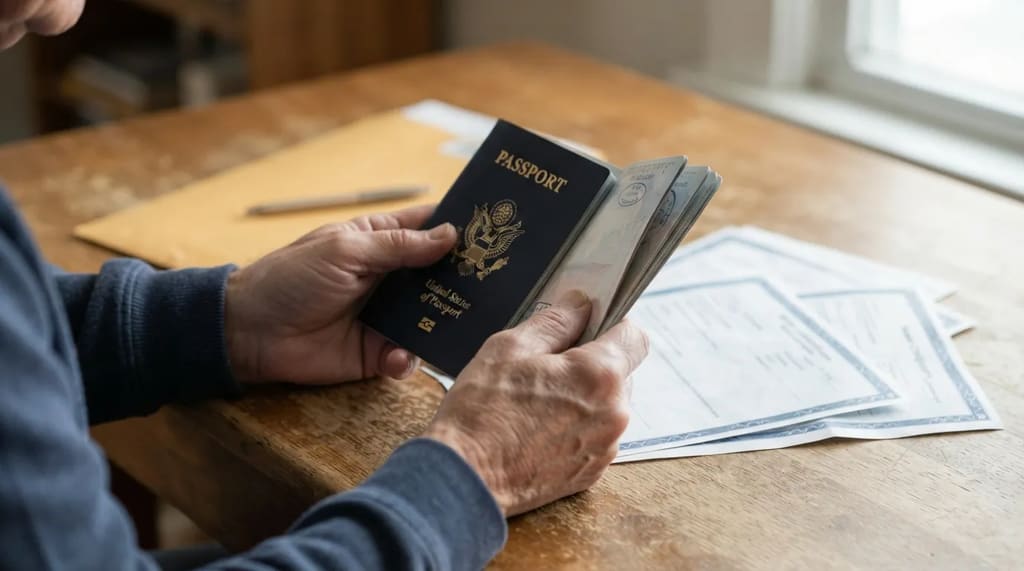
Four conditions decide whether your old passport qualifies for the mail route. Your most recent passport has to be undamaged, in your possession, issued when you were 16 or older, and in your current name or backed by legal documentation of a name change.
- You have the book in hand, not lost or stolen.
- It isn’t damaged.
- It was issued when you were an adult, not as a teenager’s five-year book.
- Its name matches yours, or you can document the change.
The physical book matters because it stands in for the in-person identity check you went through when it was first issued. That is why the department lets you skip the counter the second time, and why a photocopy won’t substitute for the real thing.
If your passport was lost or stolen, or needs replacing because of damage, you must follow separate procedures. In practice that usually means Form DS-11 and an in-person appointment.
At 70, the likeliest snag isn’t your age. It’s a name change you never updated, or a passport that has been through a washing machine.
A book that fails any one of the four tests sends you down the appointment road, so check before you spend money on a photo. Passing those tests still leaves a date test, and it counts from a line on the data page that you probably haven’t read since the passport arrived.
#10 – The 15-Year Rule Counts From the Issue Date
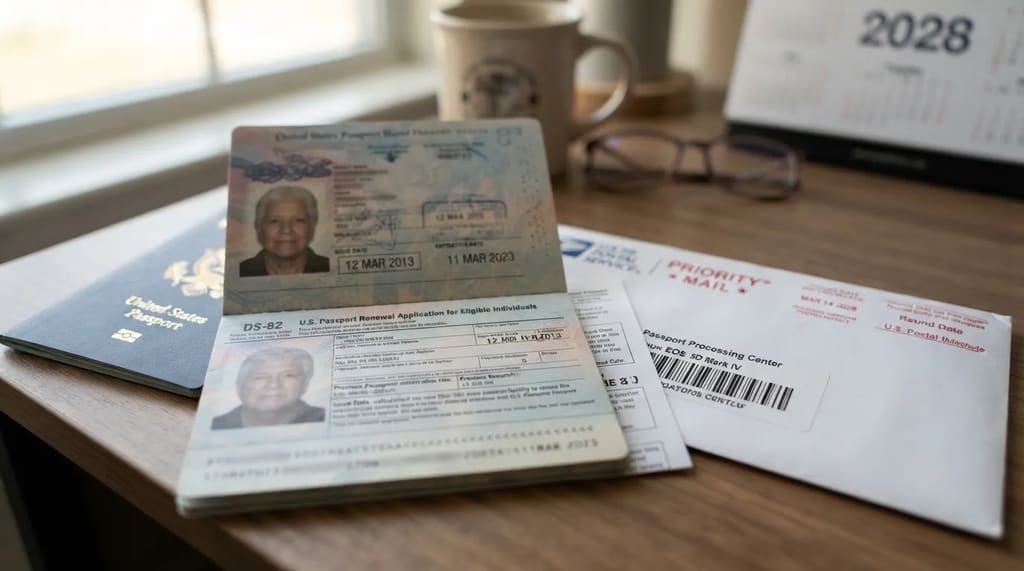
An expired passport isn’t a dead one. What matters is how long ago your most recent passport was issued, not how long ago it expired.
Adult passports are valid for ten years, which leaves an extra five years after expiration in which you can still renew by mail. The cutoff is an issue date within the last 15 years.3
Do the math with your own issue date. A passport issued in 2013 works for mail renewal until 2028, while one issued in 2010 aged out in 2025.
Quick Compare
- Issued within 15 years: renew by mail on Form DS-82, with no acceptance fee.
- Issued more than 15 years ago: apply in person on Form DS-11.
- Outside the window: expect an appointment and the $35 acceptance fee.
If your passport falls outside the window, you can’t renew by mail. You apply as a first-time applicant, in person, on Form DS-11, with the appointment and the $35 fee from rule #12.
The person most likely to cross that line without noticing is the one who let a passport lapse and kept putting off the renewal.
Once the date clears, the next trap is the photo. If your last passport photo shows you in your reading glasses, that habit has to change this time.
#9 – The Photo Rules Changed After Your Last Renewal

Since November 1, 2016, glasses are no longer allowed in U.S. passport photos. A passport issued before that date may show you wearing them, but your renewal photo must not.
The department’s own instructions list the rest. Submit one new color photograph, 2 by 2 inches, with these features:
- Head measuring 1 to 1 3/8 inches from chin to top of head
- Taken less than six months ago, against a plain white or off-white background4
- Printed on matte or glossy photo-quality paper
The expression rule is looser than people fear: a neutral expression or a natural smile is fine. Both eyes should be open and clearly visible.4
If you truly can’t remove your glasses, you need a signed statement from a doctor explaining why, for example during recovery from eye surgery. Without that statement, the glasses come off.5
Skip the shortcut of printing your own photo on plain paper at home. The instructions require photo-quality paper, and a few dollars at a drugstore photo counter is cheaper than a rejection.
With the photo attached, the packet needs payment. The State Department wants details on the front of your check that no checkbook prints for you.
#8 – Write the Check the Way the Form Demands
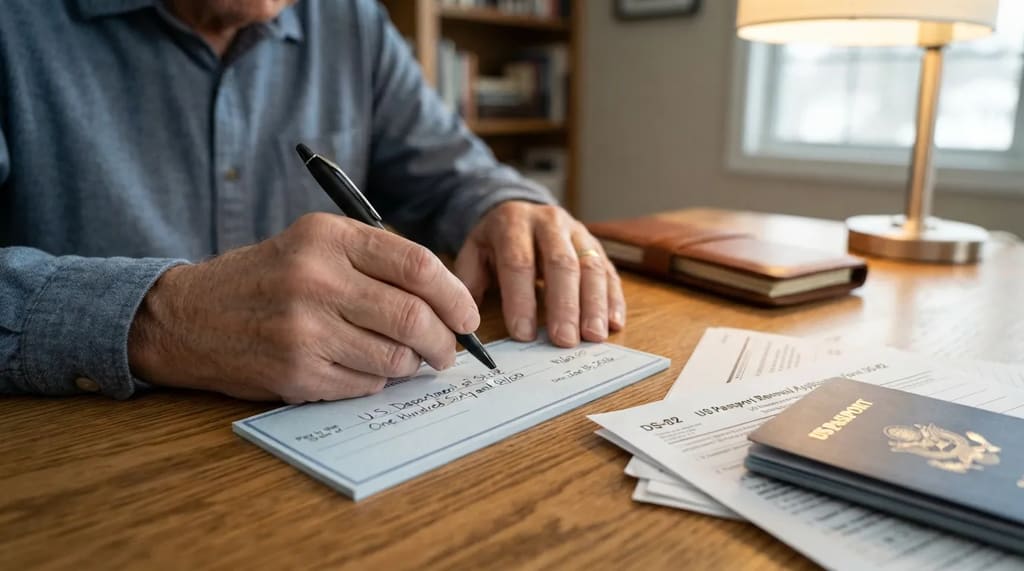
The fees are $130 for a book, $30 for a card, and $160 for both. Those are the figures posted for DS-82 renewals as of early 2026, so confirm them at travel.state.gov/passportfees the week you mail.6
Pay with a personal check or money order made payable to “U.S. Department of State.” Do not send cash.
The check must carry your full name and date of birth. Print both on the front yourself, because your checkbook almost certainly doesn’t.
If you’d rather not use a checkbook, a money order from the post office works the same way. A check that doesn’t clear, or one written for an old fee, holds up the application.
Fast Facts
- Book renewal: $130
- Card renewal: $30
- Book and card together: $160
- Payee: “U.S. Department of State”
- Never cash, and always your name and birth date on the front
The fees are non-refundable, and the department may process your check electronically. Don’t expect the paper original to come back to you.2
That $160 line on the fee list adds a plastic card to the order. For some travelers, the extra $30 buys nothing at all.
#7 – The $30 Passport Card Is Overrated for Flyers
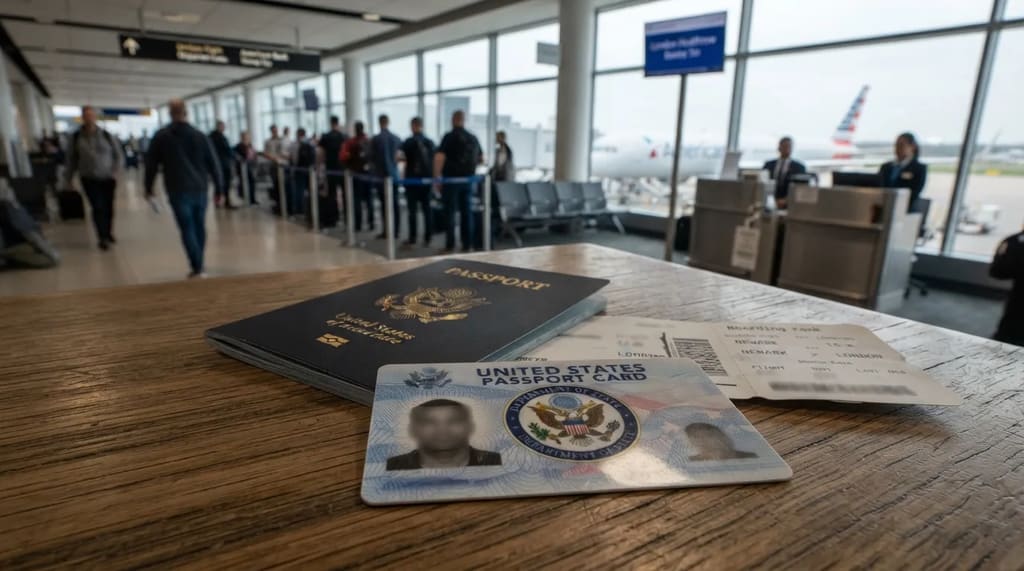
The passport card can’t get you on an international flight. The State Department says plainly that the card is not valid for international air travel.6
It’s a wallet-sized ID for crossing the border by land or sea. It suits someone who drives to Canada or Mexico, or takes cruises that start and end in the same U.S. port.
If you only fly abroad, skip the card and keep the extra $30 out of the envelope. The book alone does everything you need.
If you already hold a card and want to renew both, you send your most recent passport book and/or card in with the form. A book-and-card renewal costs $160.
Cards also arrive by first-class mail only, so there’s no faster delivery option to pay for. Whether the card is worth $30 depends entirely on how you travel.
Paying for the wrong extras is one way to waste money. Using the wrong name is another, and it’s the one that stops an envelope cold.
#6 – When Your Name Has Changed Since the Last Passport
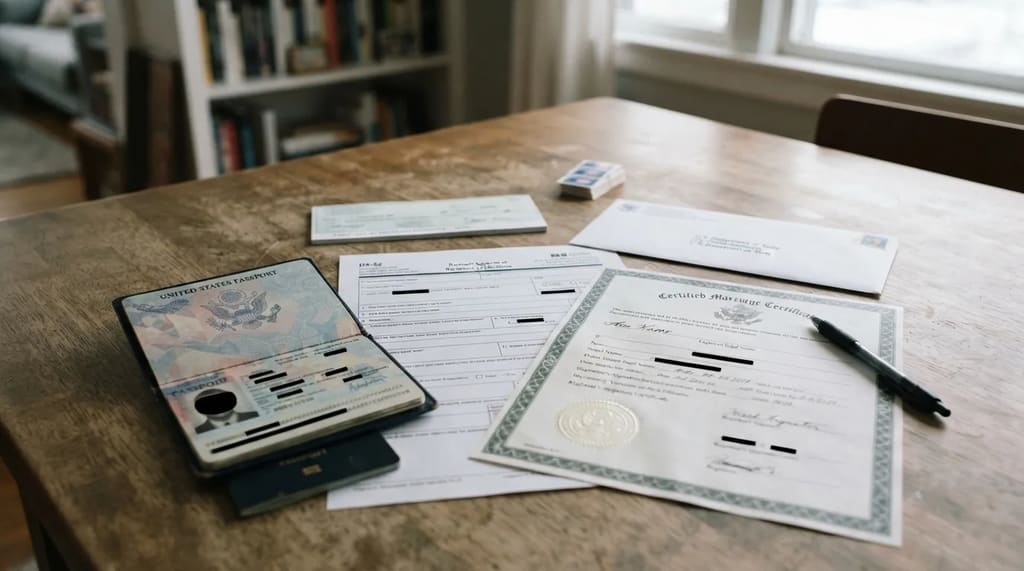
If the name in your passport isn’t the name you use today, mail renewal is still open to you. You need a certified marriage certificate or court order documenting the change.
The form asks for the name you want printed in the new passport. That name should match your previous passport unless you submit proof of the change.
Send the document with the application. Original documents are returned to you by mail, so you don’t lose your certificate.
Include the name-change document, or the application can’t move forward by mail. Online renewal is no help here, because it can’t be used to change a name.
The department’s name-change instructions are at travel.state.gov/namechange if you’re unsure whether your paperwork qualifies.
Once the papers are sorted, the envelope is ready. The State Department makes a specific recommendation about how to send it, and it isn’t a plain stamp.
#5 – Send the Packet by Trackable Mail
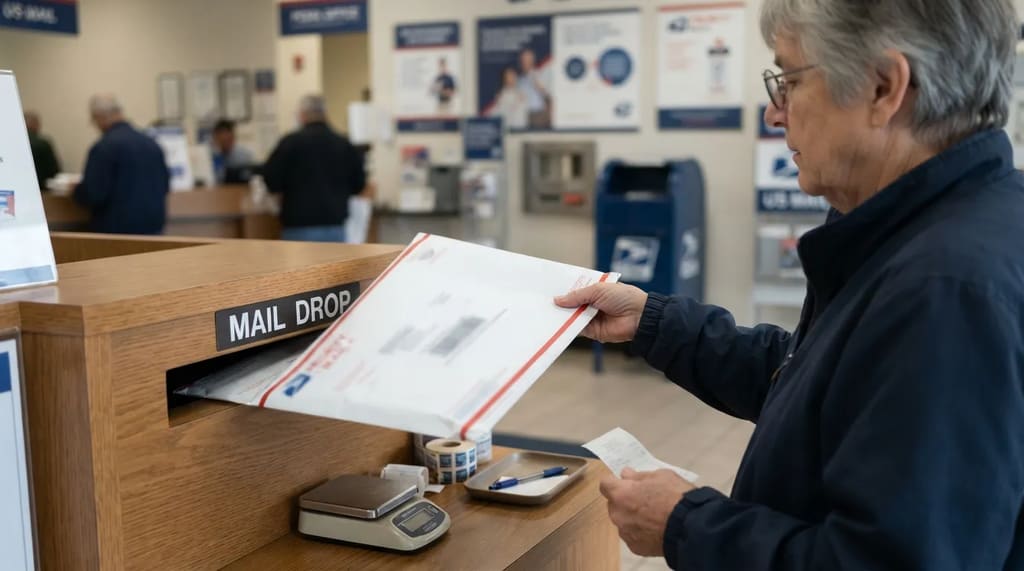
Your passport, your photo and a check for $130 or more travel in one envelope. The department recommends using a trackable mailing service, and it’s the cheapest insurance in the whole process.
Send the real passport, not a photocopy, along with the form, photo, check and any name-change papers. Use a large envelope and don’t fold anything.
The mailing address depends on the type of service you choose, so use the one printed in the form’s instructions, not one from memory. For expedited applications, the instructions also recommend 1-2 day delivery.
Worth Knowing
- Completed Form DS-82, signed
- Your most recent passport, the real book
- One new 2-by-2-inch color photo
- Check or money order for the right fee
- Certified name-change document, if your name has changed
Before you seal it, photocopy the photo page of the old passport and photograph the finished check. Then keep the tracking number.
If anything goes wrong, those three items let you identify the packet over the phone. Pay for tracking, and keep a copy of the data page.
Tracking tells you when the envelope arrived. It doesn’t tell you when to expect the passport, and that’s where a $60 option and a delivery upgrade come in.
#4 – Expedite and Return Delivery: Where the Extras Add Up
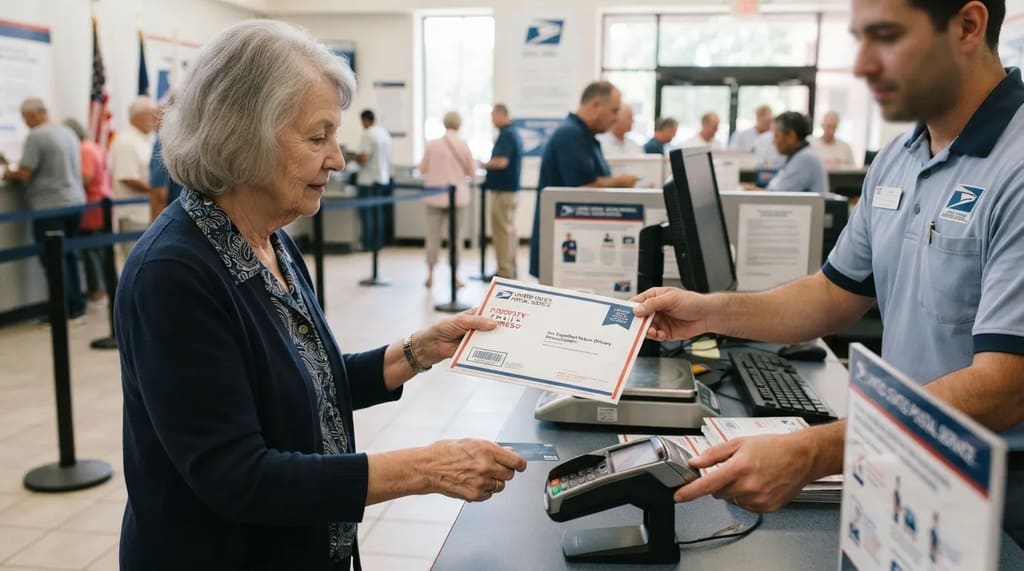
Routine service posts at four to six weeks, and expedited processing adds $60 to the application fee. In exchange, expedited service runs two to three weeks, with mailing time on top of both.7
You can also pay for 1-2 day return delivery, available for passport books mailed to U.S. addresses only. The price sits a little above $20 and can change, so check the fee page.
Add it all up and an expedited book renewal comes to $190 before the return delivery. Add the delivery upgrade and you’re past $210.
Expediting is worth the $60 only when the trip date falls inside the routine window of about ten weeks door to door. If your trip is five months away, the extra money buys impatience, not safety.
And since processing time counts from when the agency receives the application, the $60 doesn’t shrink the days the envelope spends in the mail.
Once the envelope is gone, you’ll want to know where it is. The State Department offers two ways to find out, and one of them involves a telephone and a human being.
#3 – Check Status Online or by Phone
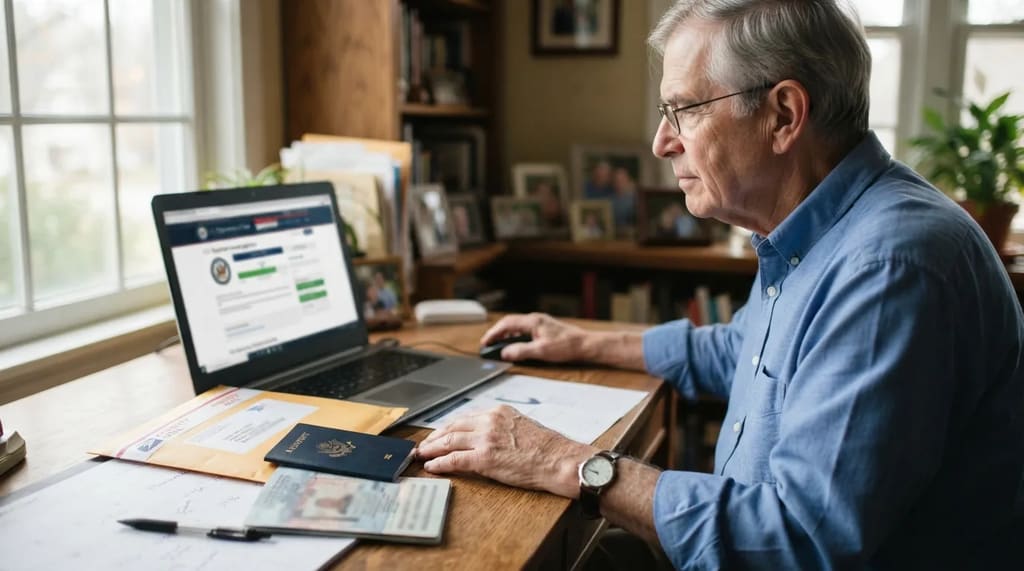
After you mail the packet, you don’t have to wait in silence. You can track your application status online at passportstatus.state.gov.
If you’d rather talk to a person, the National Passport Information Center answers at 1-877-487-2778, or 1-888-874-7793 for TDD/TTY. Have your name, date of birth and the details from that photocopied data page in front of you before you call.
Don’t start calling in the first week. The agency’s clock only begins when it receives your envelope, so give it time.
Related Stories From Travelbinger



When the new book arrives, don’t expect the old one in the same package. Your old passport is cancelled and returned in a separate mailing, so don’t panic if one shows up before the other.
A cancelled passport can’t be used for travel, but it still holds ten years of stamps. Keep it somewhere safe.
Everything so far assumes an envelope. The State Department now lets some people skip it entirely, with strings attached.
#2 – Online Renewal Skips the Envelope, With Strings Attached

Some applicants can renew with no envelope at all. The conditions are strict: age 25 or older, a 10-year passport that expires within a year or expired less than five years ago, no name or sex change, a U.S. address, and no travel for at least six weeks.8
It costs the same $130 for a book, and you’ll need a digital photo and a credit or debit card. And once you renew online, your previous passport is no longer valid for international travel.
Online isn’t automatically better. Mail is your route if your name has changed, if you’re leaving within six weeks, or if you don’t have a scanner or smartphone to handle the photo.
The two routes reach equally far back. Both stop five years past expiration, so a passport too old for one is too old for the other.
Online or by mail, every renewal runs into the same clock. That clock decides whether a booked trip survives.
#1 – Count Backward From Your Trip, Not Forward From Today
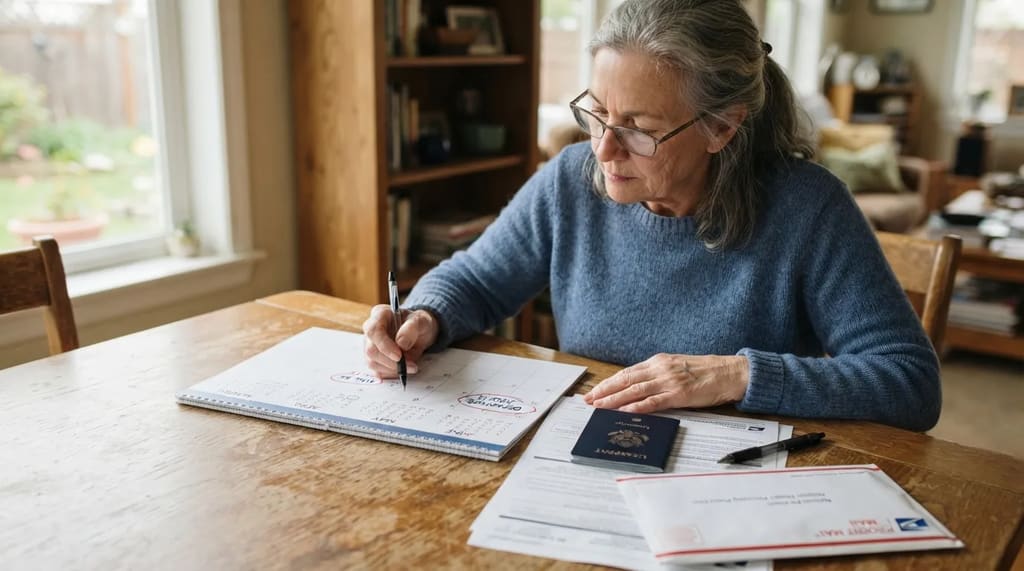
The calendar is the part of this process that costs real money. The posted routine time of four to six weeks covers only the days inside the agency, so add mail in both directions and plan for a ten-week door-to-door window.
Expedited service cuts that, but not to nothing: roughly six to seven weeks door to door with the $60 upgrade. And because a mail renewal requires you to send in the actual passport, you have no passport to travel on while it’s in transit.
Here is the math. For a June 15 departure, subtract 70 days and the envelope should be in the mail by April 6, with late March safer.
At a Glance
- Routine processing: four to six weeks inside the agency
- Routine door to door: about ten weeks
- Expedited processing: two to three weeks, for an extra $60
- Expedited door to door: roughly six to seven weeks
- Urgent-travel appointments: international travel within 14 days
Count back about ten weeks from departure, and mail by then. If your trip is closer than that, expedite, or ask about the State Department’s urgent-travel appointments, which are for international travel within 14 days.7
That leads to the one rule that protects your money. Don’t pay for nonrefundable flights, cruises or tours until the new passport is in your hand, or at least until tracking shows the envelope was delivered and you’ve done this arithmetic.
Plan the Renewal Around the Calendar, Not the Form
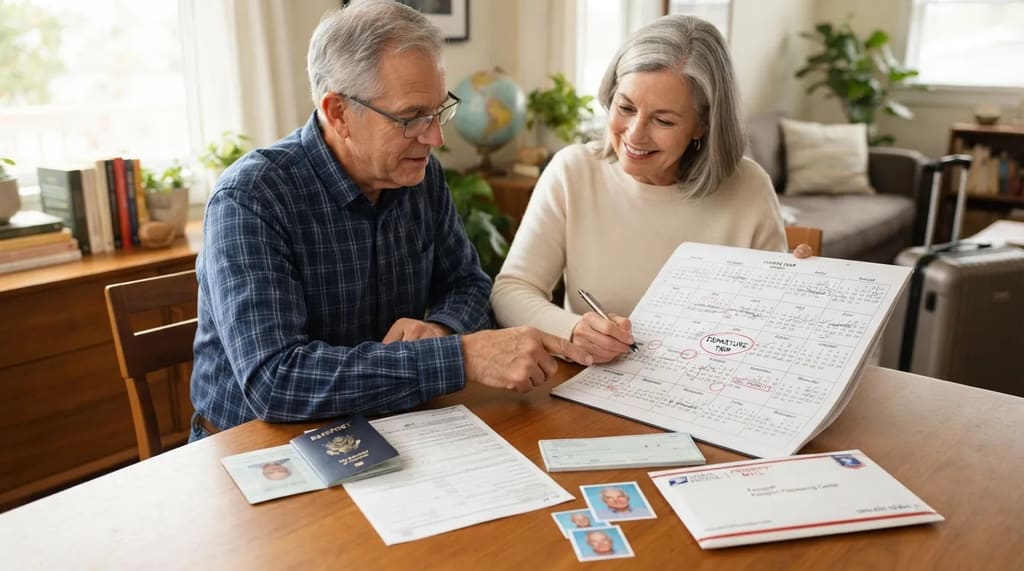
The form, the photo and the check are the easy pieces. All of them can be fixed in an afternoon.
The weeks you can’t get back are the ones the envelope spends in the mail and inside the agency. So treat a renewal like any other project with a deadline.
Pick the trip date, subtract the ten weeks, and set that as your mailing date. If your passport is within a year of expiring, start the work this month, not when a trip comes up.
What’s the next trip on your calendar, and how many weeks away is it from today?
- Apply for Adult Passport: https://travel.state.gov/content/travel/en/passports/need-passport/apply-in-person.html
- State Department Passport FAQs: https://travel.state.gov/content/travel/en/passports/passport-help/faqs.html
- State Department Renew By Mail: https://travel.state.gov/en/passports/renew-replace/mail.html
- Passport Photo Requirements PDF: https://49fss.com/wp-content/uploads/2024/07/passport_photo_requirements.pdf
- State Department Passport Photos: https://travel.state.gov/en/passports/apply/help/photos.html
- Passport Fees October 2026: https://travel.state.gov/content/dam/tsg_aem/passports/documents/forms-fees/Passport_Fees_OCT_2026.pdf
- State Department Processing Times: https://travel.state.gov/content/travel/en/passports/how-apply/processing-times.html
- Online Renewal Eligibility: https://opr.travel.state.gov/en/application/eligibility-requirements/