

Every European city looks good in a photograph. The harder question is which ones hold up once you’re standing in them, with sore feet and a half-folded map. Some have a plan for their crowds, some have a story that’s still being written, and a few simply reward you for slowing down.
The eight cities below span the continent, from Atlantic hills to Baltic-facing harbours and Danube embankments. Each section sticks to what can be checked, with dates and figures from the last couple of years where they matter.
Lisbon, Portugal
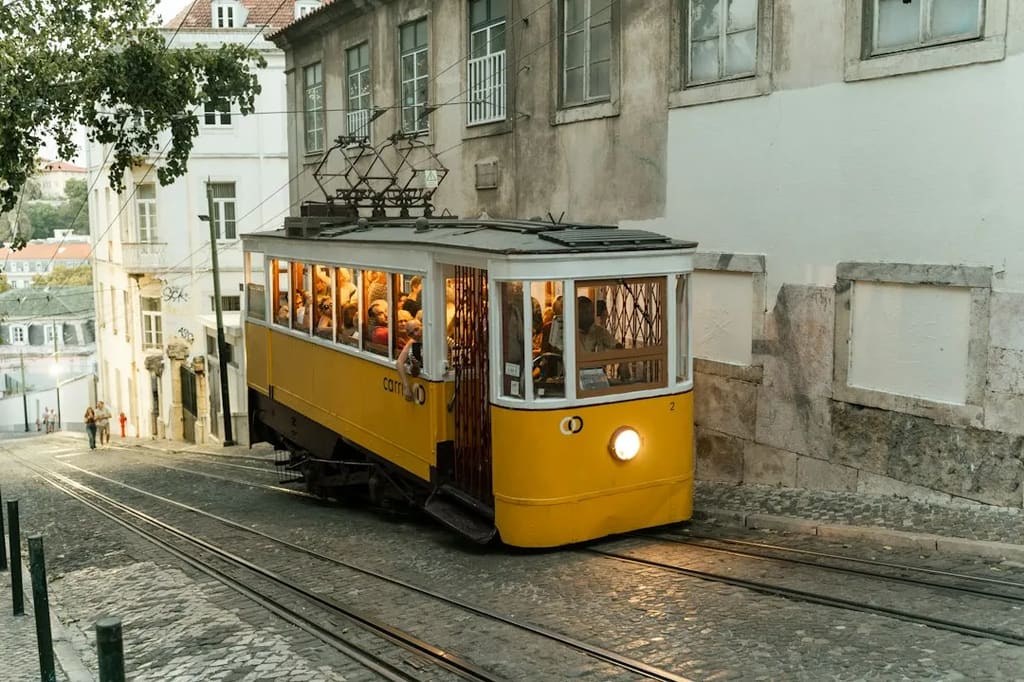
Lisbon is built on steep hills above the Tagus, and the climbs are part of the deal. Portugal counted 29 million international visitors in 2024[1], and the capital takes a large share of them. The city has responded in small ways, including a tourist tax that doubled from €2 to €4 in September 2024[2].
Getting around has changed recently. After a fatal accident on the Glória funicular on 3 September 2025, the Glória, Bica and Lavra funiculars and the Santa Justa lift closed.[3] The upside is that tram 28 has run its full route between Martim Moniz and Campo de Ourique again since 11 May 2026[3]. If you want the tram without the crush, an early start helps.
Florence, Italy
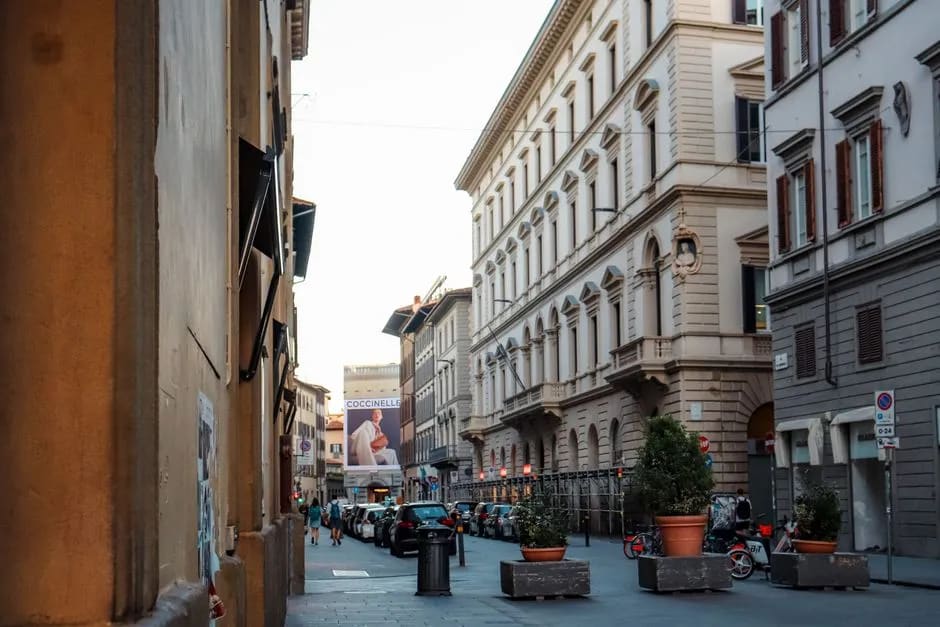
Florence is compact enough to cross on foot in under an hour, which is part of why it feels so crowded. The historic centre sits on the UNESCO World Heritage list, and the city has been tightening the rules around it. New rules that took effect on 31 May 2025 banned new tourist rentals in the centro storico.[4]
Those measures survived a legal fight. A regional administrative court in Tuscany rejected 19 legal challenges against the city’s restrictions.[5] The ban has since been widened, with the council voting to extend it to more residential neighbourhoods from June 20th[6]. For a visitor, that mostly means more of the old centre stays lived in, so you’ll still see locals buying bread and heading to work.
Vienna, Austria
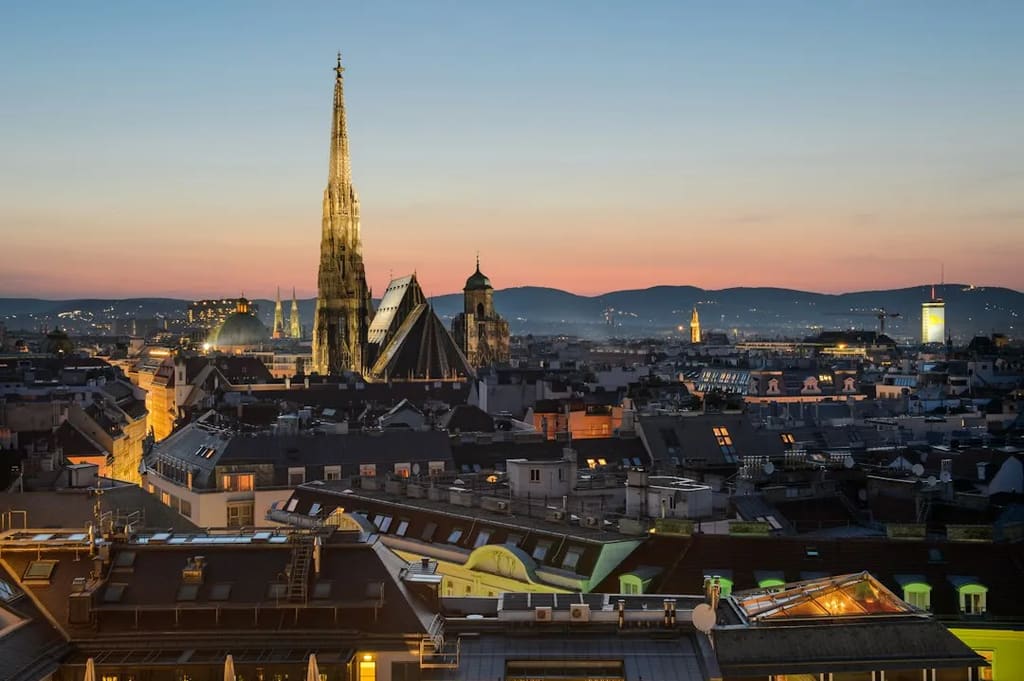
Vienna has long been famous for how smoothly it runs, and the numbers back that up. After three years at the top of the Economist Intelligence Unit list, it dropped to joint second place in 2025 after losing points in the stability category.[7] It tied with Zurich, and the EIU linked the dip to terrorism scares in 2024 and 2025[8].
For a visitor, the ranking translates into trams that arrive, museums that stay open and parks that feel safe in the evening. The city’s coffeehouse culture is on UNESCO’s intangible heritage list, which makes a long afternoon over a single coffee entirely respectable. Schönbrunn Palace and the Ringstrasse can fill a day, though the café stop might be the part you remember.
Copenhagen, Denmark
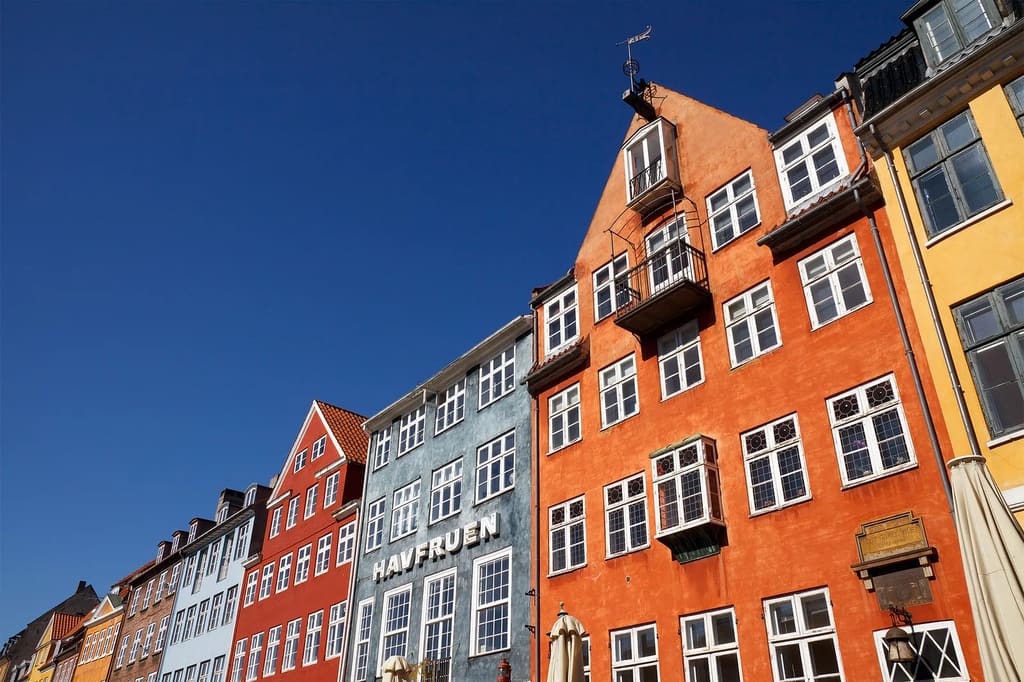
Copenhagen took the top spot in the 2025 liveability ranking. The Economist Intelligence Unit assessed 173 cities on healthcare, education, stability, infrastructure and environment.[9] The Danish capital received perfect scores for stability, education and infrastructure.[9]
Nyhavn’s painted townhouses are the postcard, though they’re best seen early, before the terraces fill. Tivoli Gardens has been open since 1843, and the Little Mermaid has sat on her rock since 1913. Most of the centre is easy to cover by bicycle, which is how a lot of locals get around.
Prague, Czech Republic
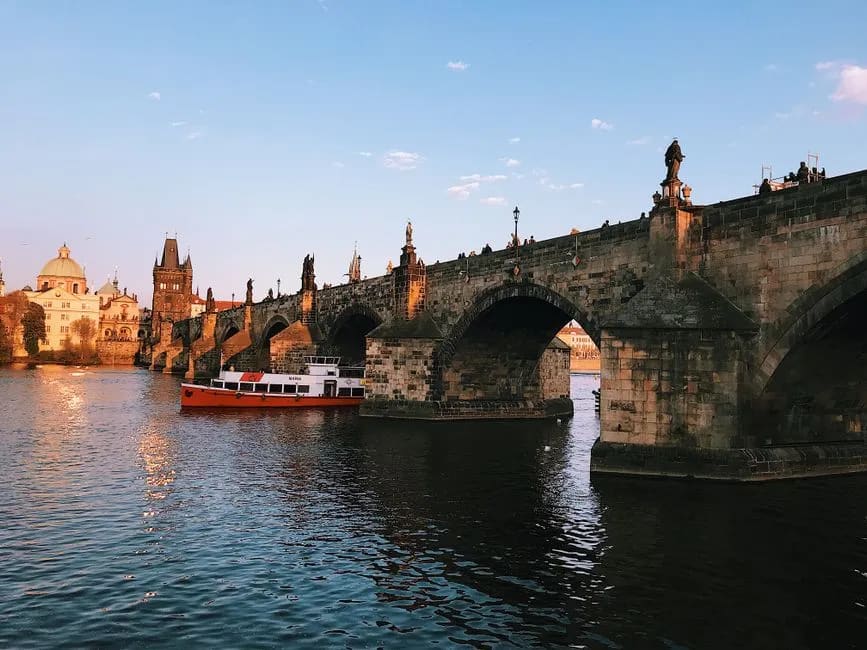
Prague’s historic centre was inscribed on the UNESCO World Heritage list in 1992, and it escaped major wartime destruction, so the layers of Gothic, Baroque and Art Nouveau are largely intact. Charles Bridge dates to the fourteenth century, when construction began in 1357 under Charles IV. By mid morning it can be packed, so sunrise is the better hour for photographs.
The Old Town Astronomical Clock has been marking time since around 1410, and its hourly show draws a crowd on the square. Prague Castle rewards a slower visit, particularly St. Vitus Cathedral. One practical note: the Czech Republic uses the koruna rather than the euro, so check what your card charges for conversion.
Budapest, Hungary
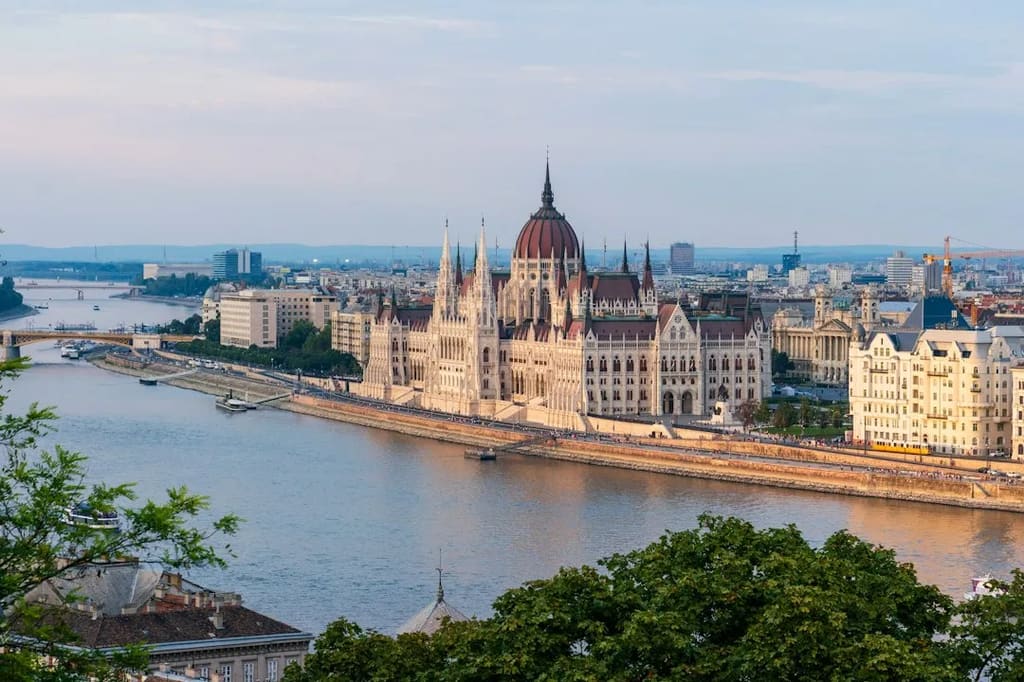
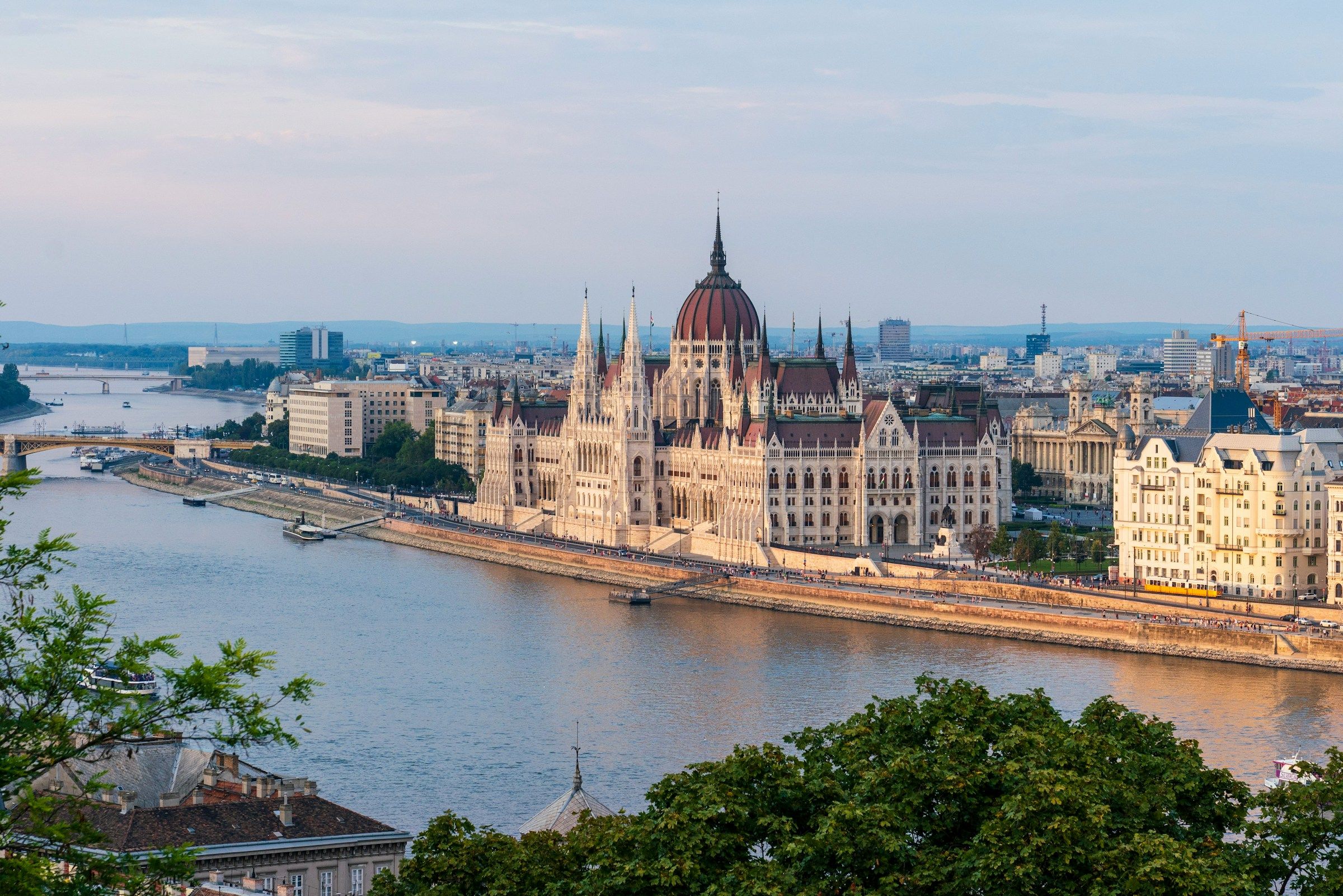
Budapest was formed in 1873 when Buda, Pest and Óbuda merged, and the Danube still divides the city’s character. Buda is hilly and old, with the castle district on the west bank, while Pest is flatter and busier on the east. The Hungarian Parliament, finished in 1904, looks best from the water at dusk.
The city sits on thermal springs, and bathing is a normal part of local life, not just a tourist stop. Széchenyi Baths opened in 1913 and remain among the best known, with outdoor pools that stay open through winter. It’s the kind of place where a cold evening makes the experience better rather than worse.
Bruges, Belgium
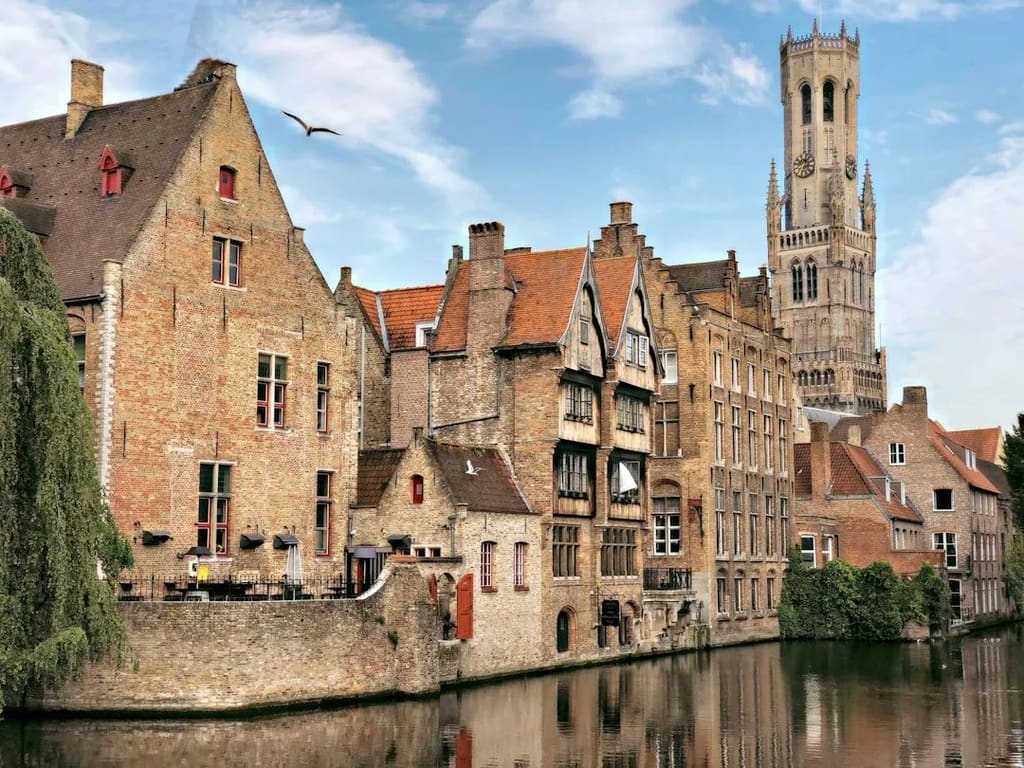
Bruges is small, and that’s the appeal. Its medieval centre has been on the UNESCO World Heritage list since 2000, with canals, brick gabled houses and cobbled squares laid out within a few minutes’ walk of each other. The Belfry on the Markt rises to roughly 83 metres, and climbing its 366 steps gives you the whole town at once.
Related Stories From Travelbinger

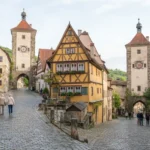

The centre is quietest early in the morning and after the day trippers leave in the evening. Staying overnight, rather than visiting for a few hours, changes the experience considerably. Belgian chocolate and beer are good excuses to wander the side streets.
Seville, Spain
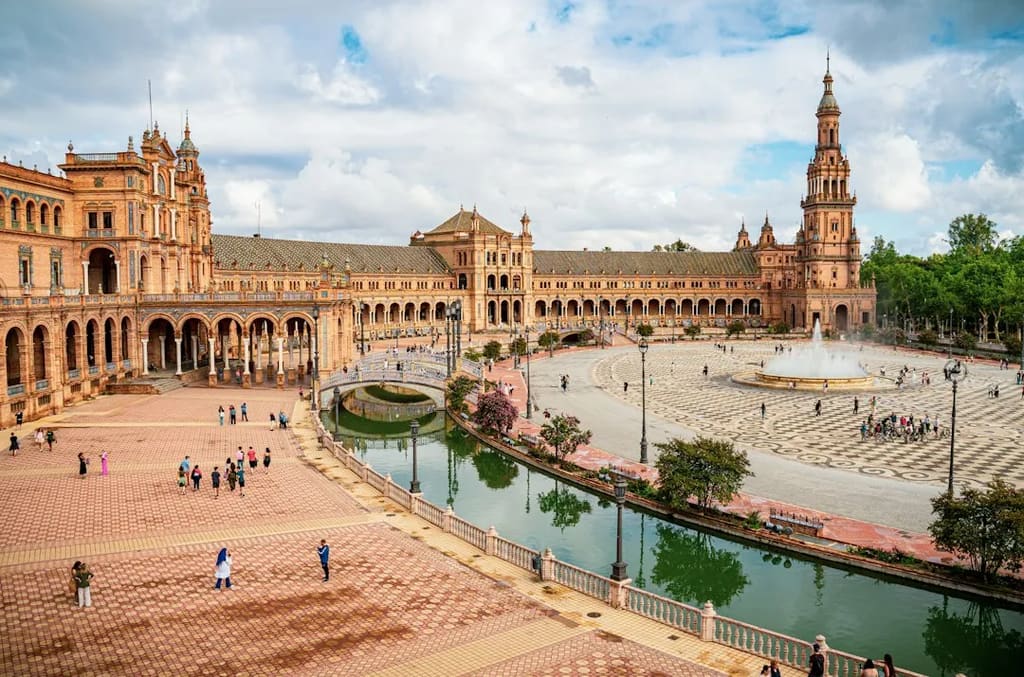
Seville’s Royal Alcázar, cathedral and General Archive of the Indies were inscribed together on the UNESCO World Heritage list in 1987. The cathedral’s Giralda tower began as a minaret, and its ramps, rather than stairs, were designed so a rider could reach the top. Plaza de España was built for the 1929 Ibero-American Exposition and is one of the city’s most photographed spaces.
Timing matters here. Summer afternoons regularly climb past forty degrees Celsius, so spring and autumn are far more comfortable. In April, the scent of orange blossom and the Feria add to the atmosphere.
Planning Around the New Entry Rules
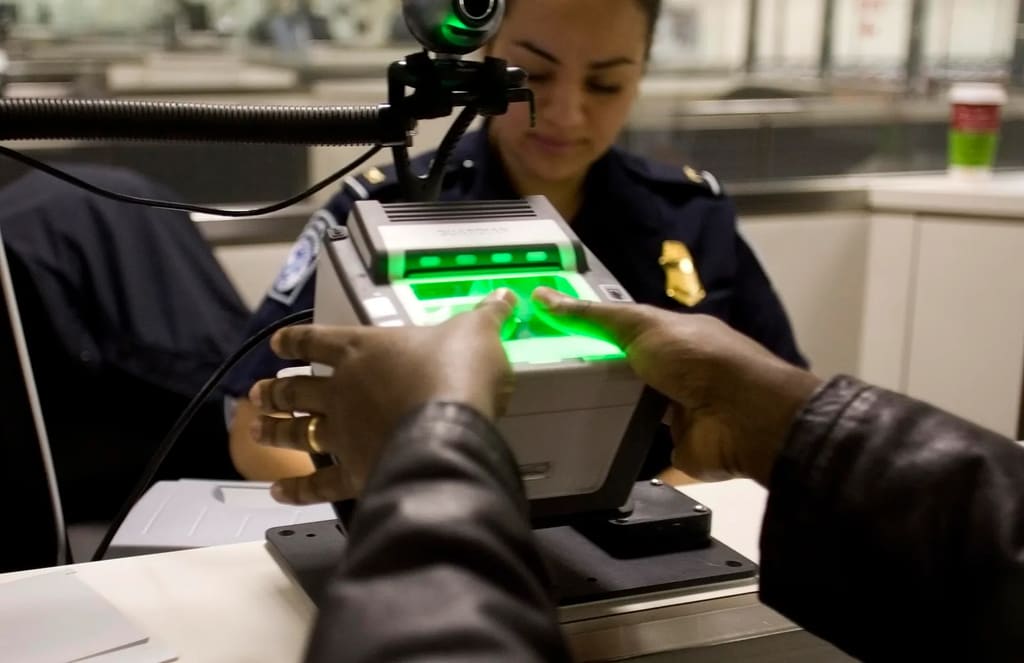
Travellers from outside the EU should know that border checks have changed. The Entry/Exit System began its progressive rollout on October 12, 2025[10], and the Commission confirmed it reached full operation at every external air, sea and land border crossing on 10 April 2026[11]. It replaces passport stamping[10], and first crossings require fingerprint scans and a facial photo[10], so leave a little extra time.
The next step is ETIAS, a travel authorisation for visa exempt visitors. The official EU site states that ETIAS is expected to become operational in the last quarter of 2026[12], with transitional and grace periods lasting at least 12 months[12]. As of late October, one tracking site reported that no start date had been announced[13], so confirm the current status on the official Travel to Europe website before you book.