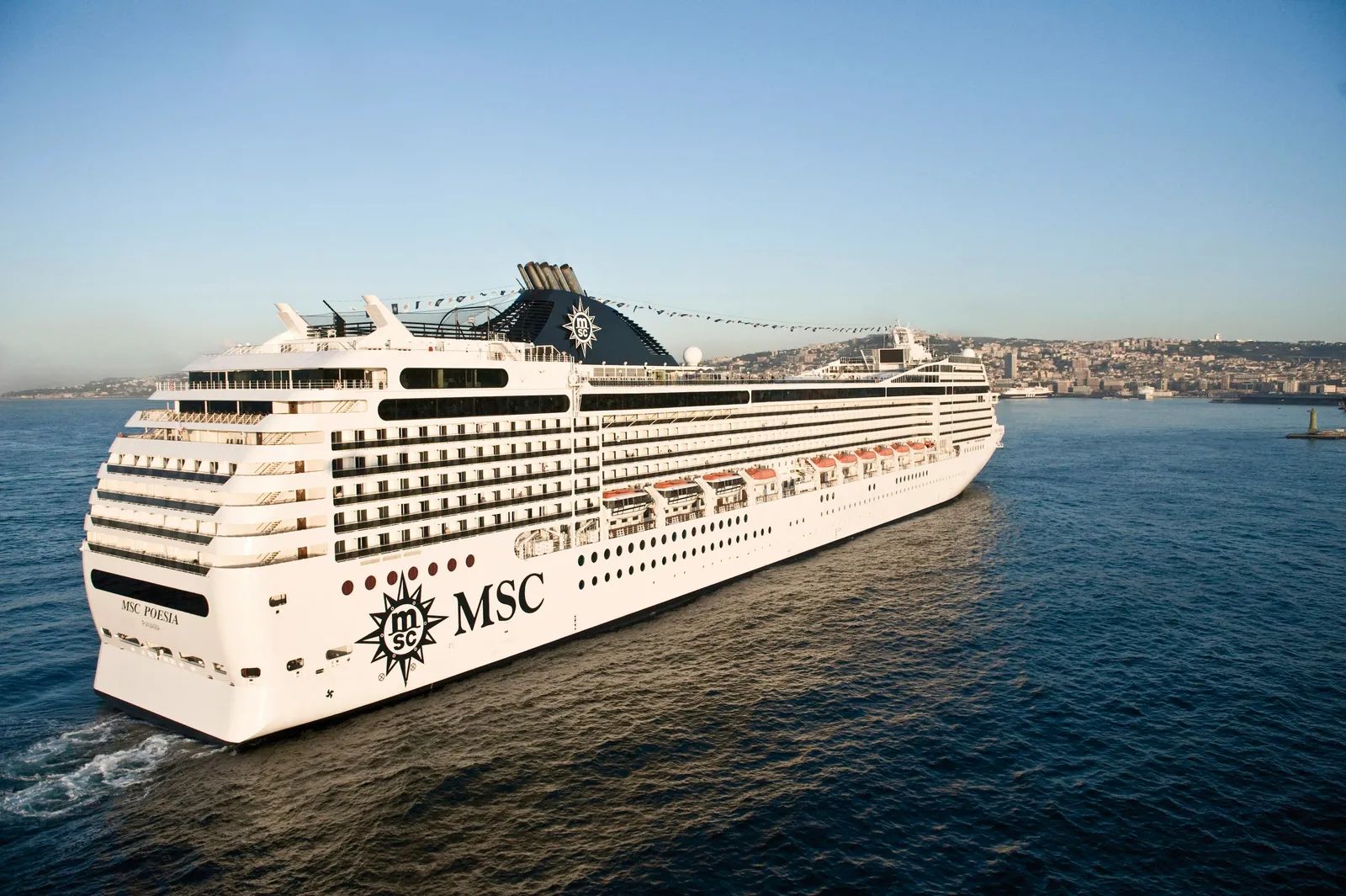
MSC Cruises is in the middle of its largest push into North America, and its chief executive has put a specific figure on the ambition. Speaking with TPG aboard MSC World Asia as the ship was unveiled in France, Gianni Onorato said the line wants to carry 5 million American passengers a year within a decade, more than double the number it carries now. The goal is a target, not a result, but it signals how far the Europe-based company is willing to reshape its business to win over U.S. travelers. ([1])
A Bigger Share of the Business
The plan depends on changing the company’s passenger mix. Onorato said North American guests would rise to 50% of MSC’s business, up from roughly 30% to 35% today, which would make Americans and Canadians the largest group of customers. He argued that the cruise industry has long drawn about half its guests from North America, and that MSC should reflect that reality.
In his words, “I believe that MSC should reflect this share.” The comment was made during a one-on-one interview on the new ship, and it frames the strategy as a matter of catching up with the market rather than simply adding capacity.
Ships and Ports Taking Shape
Much of the expansion is tied to a new generation of large vessels built for the region. MSC World America, a sister ship to MSC World Asia, has been sailing out of Florida for about 19 months and was customized for North American travelers in ways no earlier MSC ship had been. Several other deployments are underway or planned:
- MSC World Atlantic is due to debut in late 2027 with sailings from Port Canaveral, Florida.
- MSC World Asia will begin sailing in North America late next year, after initial Mediterranean voyages.
- Seven- and 14-night winter cruises in the Southern Caribbean will depart from Martinique, Guadeloupe and Barbados.
- The line’s first Alaska sailings began in May, and its first departures from Galveston, Texas, started in December.
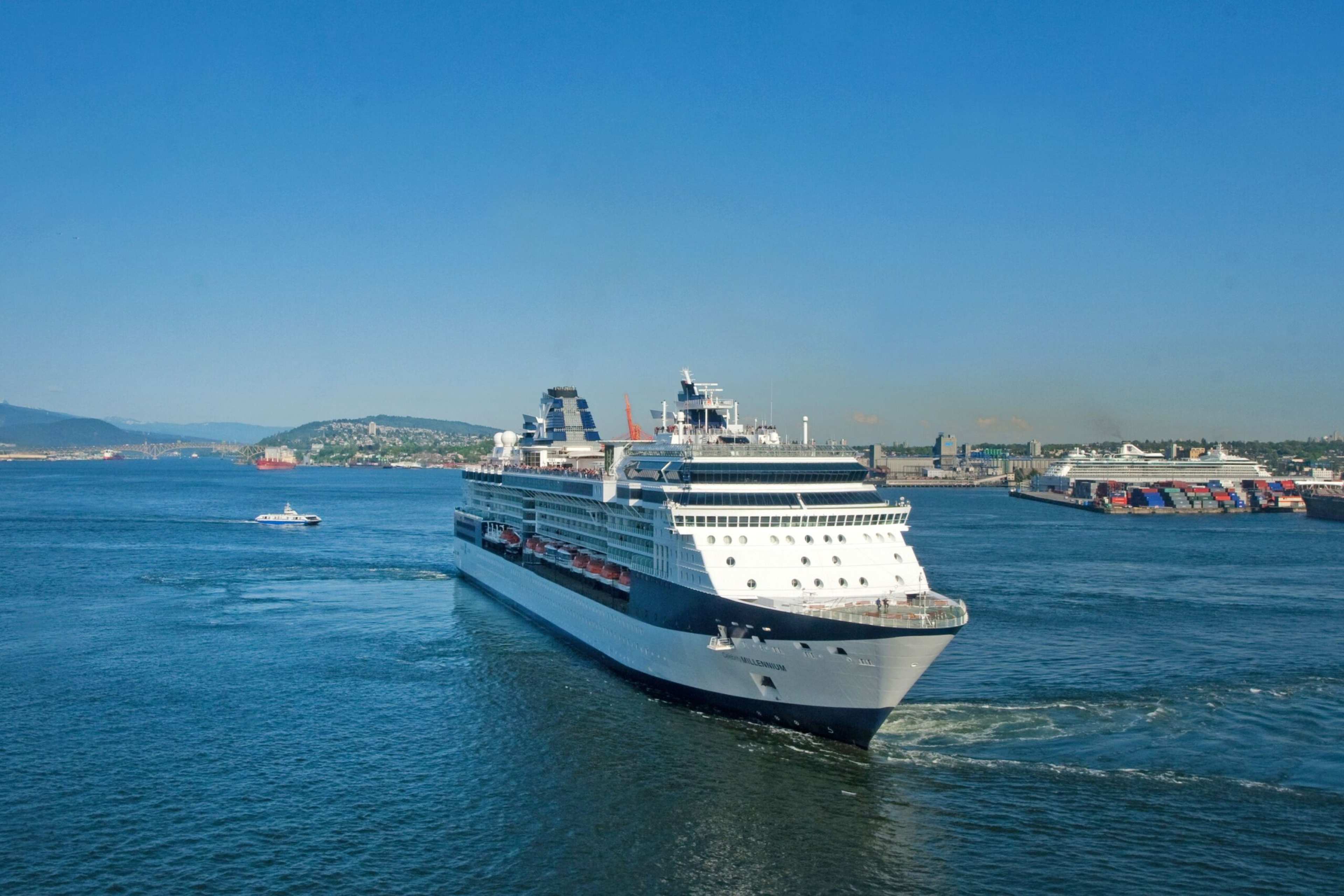
The World Class ships are the largest MSC has built. Each can carry nearly 6,800 passengers when every berth is filled, which places them alongside the biggest ships operated by Royal Caribbean in both size and onboard amenities. MSC also has invested in North American port infrastructure and in Ocean Cay MSC Marine Reserve, its private destination in the Bahamas.
From One Year-Round Ship to Nine
The scale of the change is clearer when set against the company’s recent history. As recently as 2017, MSC had just one ship sailing year-round from a U.S. port, along with a handful of vessels operating from Caribbean ports. For 2027, the line expects seven ships to sail from U.S. ports for all or part of the year, plus two from Caribbean ports, for a total of nine in North America. The company’s fleet overall will reach 24 vessels with the addition of MSC World Asia.
Onorato was cautious about further U.S. departure points. He said the line could eventually add more American ports, but not in the near term. “We’re not [planning this] for 27, for 28 or for 29 yet,” he said, adding that the question remains open for the longer term.
Europe Remains the Core
MSC is not shifting its focus away from Europe. Onorato said the company wants to keep its capacity there because it holds a leading market position it values. He also argued that Europe helps the North American strategy, since American travelers visiting Europe may find the line’s many departure points convenient. According to Onorato, MSC lets passengers board in 10 ports around the Mediterranean, including Marseille, Genoa and Naples, with departures every day of the week.
Naples is now easier for Americans to reach, with daily nonstop United and Delta flights from the United States. Onorato summed up the pitch simply: “Nobody else is giving you this opportunity.”
Related Stories From Travelbinger

What the Capacity Plans Signal
The worldwide target is 10 million passengers a year within a decade, up from a little more than 5 million today. Reaching it will require more ships. MSC has five more World Class vessels on order for delivery by 2031, along with a new class of four slightly smaller ships set to arrive between 2030 and 2033. Together, the nine ships are expected to lift the line’s capacity by nearly 50%. Asia is also expanding, with a second ship scheduled for Singapore starting in late 2028.
What matters now: The 5 million American target is an ambition, not a current figure. Its success will depend on whether new U.S. ships and ports fill with American guests while Europe remains strong.
For American cruisers, the practical effect is more choice. Ships based closer to home, a wider Caribbean schedule and new Alaska and Texas departures give travelers more options than the line offered only a few years ago. Whether MSC meets its goal will show how quickly a European brand can reshape its presence in a market it has long courted.