
For years, a stop in Mexico on a cruise itinerary came with no federal visitor charge attached. That quietly changed, and the figure most travelers remember from the headlines has since moved on.
The story behind the fee involves a government proposal, an industry pushback and a negotiated schedule that stretches into 2028. Here is how it all fits together, and what it means for your next sailing.
How Mexico Ended a Long Standing Exemption
Mexico’s Congress initially approved a $42 head tax in November 2024, scheduling it for Jan. 1, then delayed implementation to July after cruise industry backlash.[1] The charge was aimed at passengers who had never paid it before.
Mexico does have a tourism tax, but it applied only to overnight visitors, and cruise passengers were exempt because they come and go the same day.[1] Cruise lines had been treated as “in transit,” a status that spared passengers the charge since they sleep on the ship rather than in hotels.[2]
The $5 Fee That Started It All
After negotiations, the original figure was cut sharply. The Florida Caribbean Cruise Association (FCCA) announced the tax would be $5 per passenger when introduced on July 1, a big drop from the $42 first announced.[1] That first tier took effect on July 1, 2025.[3]
The FCCA represents the vast majority of cruise capacity in the Caribbean and Latin America, and it reached what it called an “in transit fee” agreement with the Mexican government.[4] The deal set a gradual schedule rather than a single jump, which is why the $5 number only tells part of the story.
What the Fee Costs Right Now
The $5 tier has ended. On Aug. 1, 2026, the fee paid by foreign cruise passengers visiting Mexican ports increased to $10 per person, up from $5.[5] That is the rate in force today.
The change matters most for families and groups. A family of four on a single Mexico sailing goes from $20 to $40 in this one fee.[6] Any cruise that called in Mexico and departed on or before July 31, 2026 fell under the $5 tier.[3]
Who Pays and How Often
The charge is officially a Non Resident Duty, often shortened to DNR. It applies to non resident cruise passengers arriving at any Mexican port.[3] That includes most of the country’s cruise ports, such as Cabo San Lucas, Puerto Vallarta, Cozumel and Costa Maya.[5]
Staying on board does not get you out of it. The duty applies whether or not the passenger disembarks, so someone who never leaves the ship still owes it.[3] It is also not charged at every stop: a seven night Western Caribbean cruise calling at Cozumel and Costa Maya triggers a single $10 charge per passenger, not $20.[3]
Where It Appears on Your Bill
You won’t be paying at the pier. Cruise lines collect the fee in advance, so it shows up inside your fare or on the taxes and fees line of your booking.[6] The fee is collected by cruise companies.[4]
That setup makes it easy to miss. Cruise lines often fold the charge into taxes and fees instead of listing it separately from the fare.[7] If you booked a sailing before the increase, your booking documents or your cruise line can confirm how the fee is being applied to your trip.
Where the Money Is Meant to Go
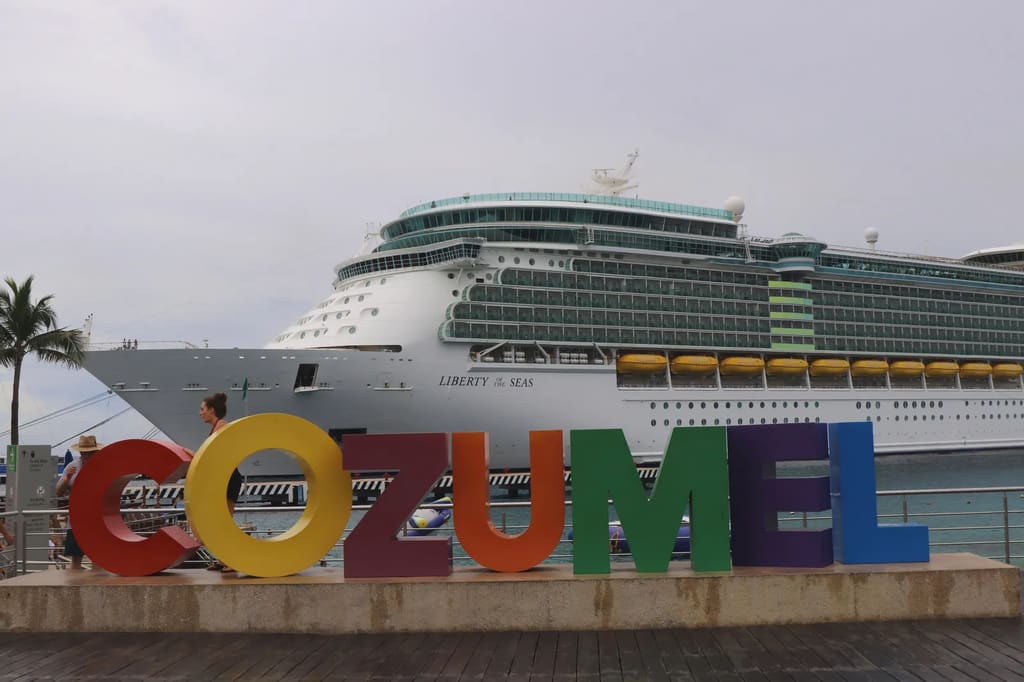
The fee is tied to port projects rather than general cruise costs. The FCCA says it supports port infrastructure upgrades and environmental initiatives at Mexican cruise ports.[3] Cruise lines also agreed to promote port infrastructure projects, including the proposed fourth pier in Cozumel.[8]
The agreement came with other commitments. Cruise lines said they would seek to bring more passengers to Mexican ports, promote Mexican goods aboard their ships and buy more supplies in Mexico.[8] How those pledges play out in practice is something only the coming years will show.
Why the Cruise Industry Pushed Back
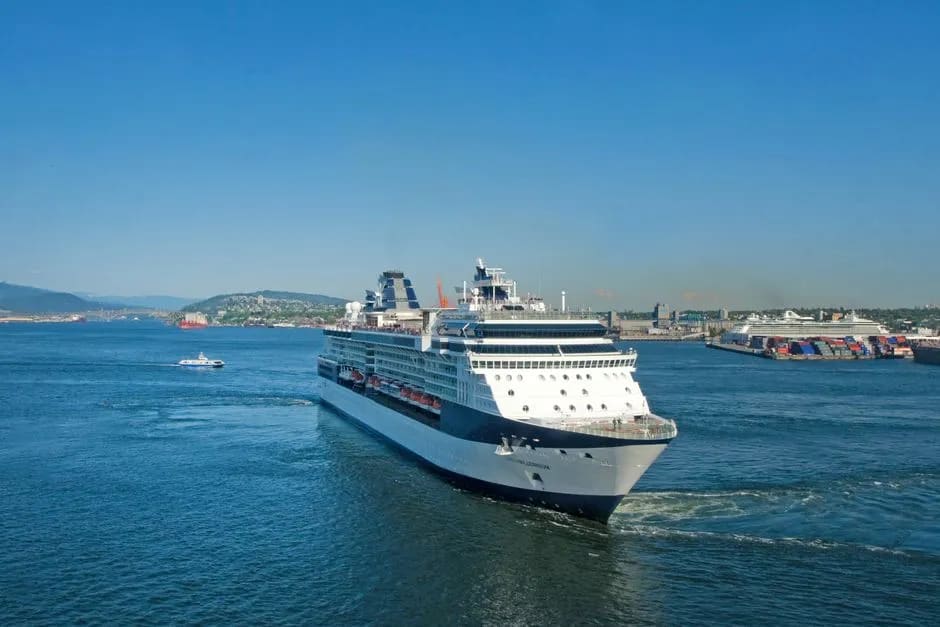
The industry’s objection was mostly about the original $42 figure. In a letter to President Claudia Sheinbaum, the FCCA claimed cruising to Mexico would become 213 percent more expensive than the average Caribbean port of call.[1] It also warned that cruise lines could reroute ships away from Mexico, with major economic fallout for the country.[5]
So far, the lower schedule appears to have eased those fears. One report citing port authorities in Quintana Roo and national tourism data says ship calls and passenger numbers strengthened through 2025 and into 2026, even after the first fee.[9] That is a limited snapshot, though, and the higher tiers are still ahead.
Other Charges You May Run Into

The federal duty isn’t the only cost tied to Mexican ports. Visitors to Quintana Roo may also owe Visitax.[7] One Mexican state has announced a tourist tax increase that may affect cruise ship guests.[10]
Related Stories From Travelbinger


Puerto Vallarta’s local fee has been less settled. The city added its own municipal visitor fee starting January 1, 2026.[11] Yet Mexico’s Supreme Court struck that provision down in December 2025, and the city then sought to restore it for 2026.[7] For comparison, the Bahamas already charges $30 to $32 a person.[12]
A Separate Rule for Families With Children

A different change took effect this month and is worth knowing about, though it isn’t a fee. The law took effect on November 14, 2026, after a decree published on November 13 amended Article 58 of the General Tourism Law.[13] It requires certain tourist attractions and providers to verify that adults traveling with anyone under 18 can prove they are the parent, legal guardian or otherwise authorized.[13]
For cruisers, the practical effect looks limited. Simply walking off the ship and exiting the port doesn’t trigger a document check under the new law.[13] Families with children should still be prepared to show proof of their relationship when using certain tourism services.[10]
The Schedule Through 2028
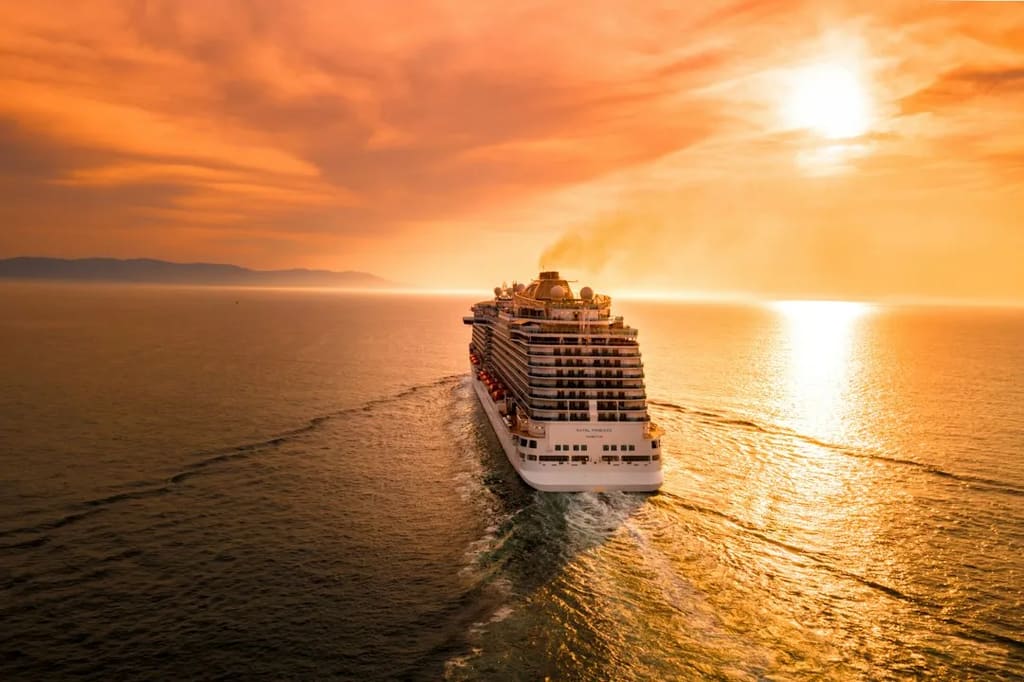
The fee is set to keep rising on a published timetable. The rate increases to $15 on July 1, 2027, and to $21 on Aug. 1, 2028.[1] One outlet reported the final step as arriving in November 2028, so the exact date is worth confirming as it gets closer.
Across four years the duty is scheduled to more than quadruple, from $5 to $21 per passenger.[6] A sailing booked for 2028 will therefore carry a very different charge than one taken in 2025, and anyone holding a Mexico cruise that departs on or after August 1, 2026 should expect at least the $10 rate.[6]