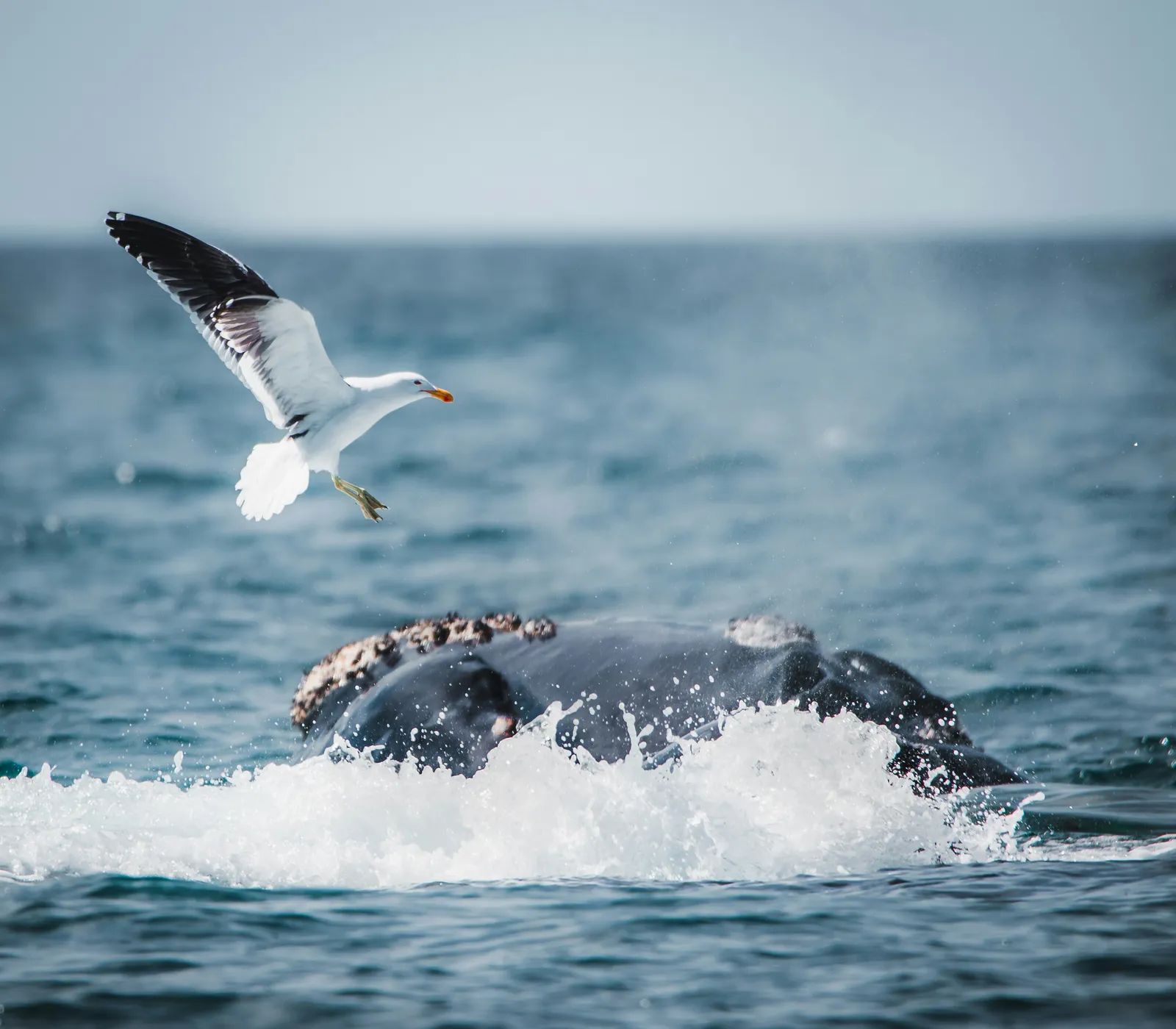
Few wildlife stories carry as much history as the return of whales to Argentina’s shores. Commercial hunting once devastated their populations, and for a long time the animals were rarely seen in many coastal areas. Now different species of cetaceans are once again repopulating parts of the Argentine Sea ([1]). The recovery is encouraging, yet it is unfolding alongside pressures that could test how durable it proves to be.
A humpback comeback in the Beagle Channel
Humpback whales have come back to the Beagle Channel in Argentina’s far south, where they feed in waters that had seen their sightings fall for decades. The reappearance is notable because the channel had been losing its humpbacks for so long. Local observers now report a steady climb in sightings, a trend that appears to have taken hold in recent years.
Two animals have become familiar figures in the record. A female named Shima returned to the channel for eight consecutive years, while a young male called Buddha resurfaced after several years without any sightings. Their individual histories show how much can be learned when the same animals are tracked over time.
Counting whales by their tail flukes
Researchers distinguish one humpback from another by the unique markings on its tail fluke. The photographs that make this possible come largely from people working on or near the water, including boat crews, tour guides, photographers and tourists. A collaborative analysis carried out in 2025 used these images to build a more complete picture of the channel’s humpbacks.
| Measure | What the records show |
|---|---|
| Individual humpbacks identified since 2013 | 208 whales, tracked by a local initiative |
| Humpbacks in the 2025 collaborative analysis | 22 whales, with 17 recorded for the first time |
| Sightings trend | Long decline, followed by a steady rise since at least 2018 |
Food, boats and a new kind of pressure
The whales are drawn to the channel by food. They feed mainly on squat lobster and Falkland sprat, two species that sustain them during their stay. The same growing population that signals recovery also brings a practical risk, since more whales raise the chance of collisions with vessels in busy waters.
Scientists are following the wider recovery through new sightings and tracking technologies that map migratory routes and feeding grounds. The source material also points to larger forces at work. Climate change, krill fishing and expanding oil and gas development are all identified as new challenges to the survival of these animals.
Related Stories From Travelbinger



What the recovery has yet to answer
Researchers suggest the return in the Beagle Channel may reflect a broader rebound among cetaceans, one that followed bans on commercial whaling set decades ago. That link is plausible, but the evidence gathered so far does not fully confirm how far the rebound extends across the Argentine Sea.
Much also remains uncertain about how the newer pressures will play out. Whether fishing, shipping, warming waters or energy development will affect the animals most heavily is still an open question. For now, the whales are back in numbers that were hard to imagine a few decades ago, and the next stage of the story will depend on how carefully their recovery is watched.