Picture this: you’ve finally booked that dream Caribbean getaway, your bags are packed with swimsuits and sunglasses, and you’re ready to experience the white sand beaches you’ve seen in a thousand Instagram posts. Aruba seems like paradise where nothing could go wrong, right? Well, not exactly. Even the happiest island in the Caribbean has its quirks, unwritten rules, and potential pitfalls that can turn your tropical escape into a cautionary tale. From environmental faux pas that could land you with hefty fines to safety oversights that locals know to avoid, there’s more to visiting this Dutch Caribbean gem than meets the eye.
The good news is that most vacation mishaps in Aruba are completely preventable once you know what to watch out for. Thousands of travelers make the same mistakes year after year, whether it’s getting scorched by that deceptively strong Caribbean sun, missing out on the island’s hidden treasures by never leaving their resort, or running into unexpected legal trouble over things that might be perfectly fine back home. Learning from the experiences of others can save you time, money, and potentially even your health during your Aruban adventure. Let’s dive into the most common mistakes visitors make and how you can avoid them.
Don’t Skip Reef-Safe Sunscreen

Let’s be honest, nobody wants a painful sunburn to ruin their vacation, yet here’s the thing. The sun in Aruba is stronger than what your skin is used to, being only 9 miles from the equator. Even on cloudy days, those UV rays are working overtime to fry your exposed skin. What makes this trickier is that Oxybenzone was banned by the parliament in Aruba in 2019 because it harms marine life.
This means you can’t just grab any old bottle off the drugstore shelf back home. Many sunscreens labeled “reef-safe” aren’t actually protecting coral at all, so do your homework before packing. Buy your approved reef-safe sunscreen before you arrive because prices on the island run higher. Honestly, if you’re planning to spend any time outdoors between 10 a.m. and 4 p.m., you’re gambling with your skin’s well-being.
Don’t Leave Your Valuables Unattended

Aruba is rated as Level 1 by the U.S. Department of State, meaning visitors should exercise normal precautions. That said, crime against tourists consists primarily of theft, with valuables left unattended in public areas like beaches, cars, and hotel lobbies being the main targets. Car break-ins are the most common, so it’s important not to store any valuables in your rental car.
Think about it this way. You wouldn’t leave your designer handbag sitting on a park bench in your hometown, would you? The same logic applies in paradise. Use hotel safes for passports, jewelry, and electronics. Most crime directed at tourists falls into the petty theft category rather than violent crime, which is reassuring, yet it’s still frustrating to lose your phone or camera to an opportunistic thief because you got careless at the beach.
Don’t Swim at Dangerous Beaches
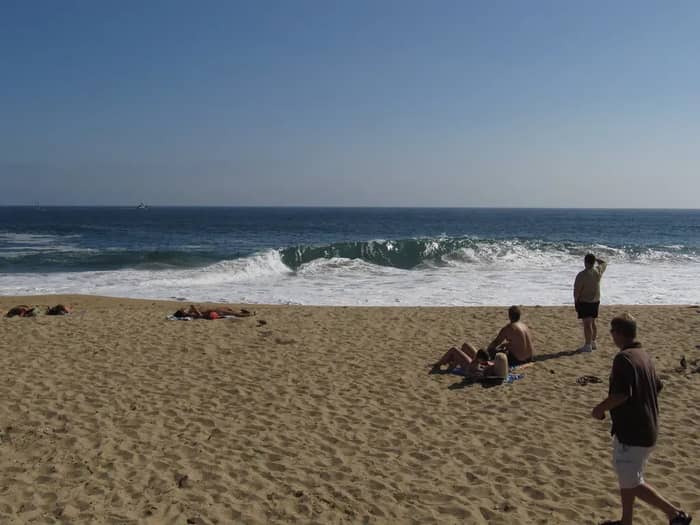
Aruba’s stunning beaches are renowned for strong rip tides and currents, posing potential risks for inexperienced swimmers. The picturesque north coast beaches like Boca Keto, Dos Playa, Andicuri Beach, and Blackstone Beach might look Instagram-perfect, yet they feature strong currents and rough seas, making swimming hazardous, especially for inexperienced individuals.
Most of Aruba’s beaches do not have lifeguards on duty. Swimming alone anywhere on the island is a terrible idea. If you get caught in a rip current and nobody’s around, you’re in serious trouble. Rip currents are strong currents that can pull even the best swimmers out to sea, and they tend to be strong near piers, so swim at least 100 feet away. I know it sounds crazy, but respecting the ocean’s power could literally save your life.
Don’t Ignore Drug Laws

Here’s where things get serious fast. Aruba’s enforcement policy concerning drug possession differs significantly from the Netherlands; laws against possession of controlled substances are enforced rigorously, including against tourists in possession of marijuana for personal use. Drug offenses carry harsh punishments in Aruba, where they are treated seriously with heavy fines and jail time.
Even if cannabis is legal where you’re from, that means absolutely nothing here. Local law is based on Dutch law, which allows for the detention of subjects during an investigation with the approval of a judge, and people detained in Aruba do not have the option of posting bond for their release. You could be sitting in a cell for weeks before your case even moves forward. Not worth the risk, no matter how relaxed the island vibe feels.
Don’t Stay Only at Your Resort

Sure, all-inclusive resorts are comfortable and convenient. Yet if you spend your entire trip inside the resort bubble, you’re missing roughly three-quarters of what makes Aruba special. Aruba is one of the safest islands, and violent crime is extremely low, so there’s no legitimate reason to be nervous about exploring.
Rent a car and discover beaches beyond Palm and Eagle Beach. Visit the capital city, Oranjestad, with its Dutch colonial architecture, explore Arikok National Park, drive to the California Lighthouse, or check out the colorful street art in San Nicolas. The island is small enough that you can reach most destinations within 20 to 30 minutes. Staying confined to your resort is like visiting Paris and never leaving your hotel. What’s the point?
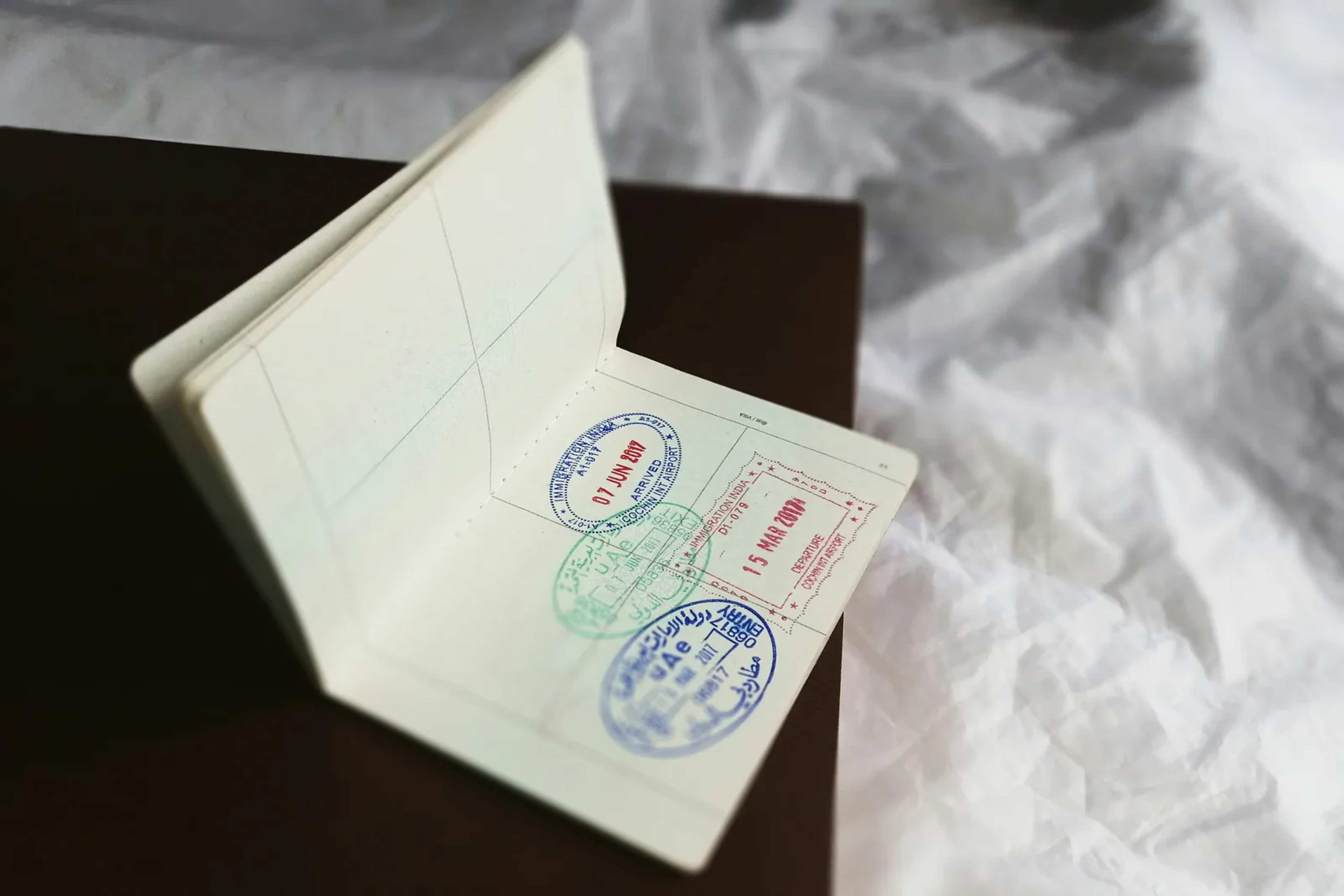
Don’t Forget to Fill Out Your ED Card

Aruba requires that the Embarkation and Disembarkation card be completed and submitted before you even board your flight; all non-resident travelers, including minors and infants, must complete it up to a week before arrival. This isn’t optional or something you can do at the airport. Without this approved ED card, you literally cannot check in for your flight, even online.
Fill it out as soon as your trip is booked to avoid last-minute panic at the airport. The form asks basic questions about your accommodation, purpose of visit, and contact information. It takes maybe five minutes online. Forgetting this step can derail your entire vacation before it even starts, and trust me, watching your flight leave without you because of forgotten paperwork is not the island adventure you had in mind.
Don’t Disrespect the Environment

It is strictly prohibited to remove or attempt to leave the island with seashells, corals or beach sand. You are not allowed to bring any flora, fauna, or other natural treasures unique to Aruba back home with you, including any and all seashells. These laws exist to protect Aruba’s fragile ecosystem from being stripped bare by millions of tourists annually.
Respect designated routes when driving off-road vehicles in nature areas like Arikok National Park. Stay on marked trails. Don’t litter. The island’s natural beauty is its greatest asset, and preserving it requires everyone’s cooperation. It’s pretty straightforward: take only photographs, leave only footprints. Breaking environmental laws can result in hefty fines, and more importantly, you’d be contributing to the destruction of the very paradise you came to enjoy.
Don’t Underestimate the Sun and Heat

The Caribbean sun is relentless. Visitors from northern climates especially underestimate how quickly they can become dehydrated or overheated in Aruba’s climate. The average annual temperature is 82°F, with no month having an average high lower than 85°F or higher than 89°F; lows range from 76°F to 80°F.
Drink significantly more water than you think you need. Wear hats and lightweight, light-colored clothing. Take breaks in the shade or air conditioning during peak afternoon heat. Heat exhaustion and heatstroke are real dangers that can land you in the hospital instead of on the beach. Aruba’s tap water is perfectly safe to drink according to international standards, so carry a reusable bottle and refill it constantly throughout the day.
Don’t Expect Hurricane Season Worries

While most islands in the Caribbean face hurricane season from June through November, Aruba rarely finds itself in the path of hurricanes or other natural disasters; Aruba is well-sheltered against hurricanes due to its southern location in the Caribbean Sea. Aruba sits below the hurricane belt, so you face a low risk of major storms; in 2024, a tropical wave passed north of the island with no real harm.
This geographical advantage makes Aruba one of the most reliable year-round Caribbean destinations. You can book your vacation for any time of year without worrying about it being canceled by a hurricane. Occasionally, the island gets brief rain showers from passing weather systems, yet they clear quickly. This predictable weather is one reason repeat visitors keep coming back, knowing their investment in flights and accommodation won’t be wasted by a tropical storm.
Aruba offers an incredible vacation experience, yet avoiding these common mistakes will make your trip significantly better. The island welcomes over a million visitors each year, and most have amazing experiences by simply using common sense, respecting local laws and customs, and taking basic safety precautions. From protecting your skin with proper sunscreen to respecting the ocean’s power and the island’s environmental regulations, these guidelines help ensure your vacation creates lasting positive memories rather than frustrating problems. So, what’s the one thing you’re most excited to experience in Aruba?