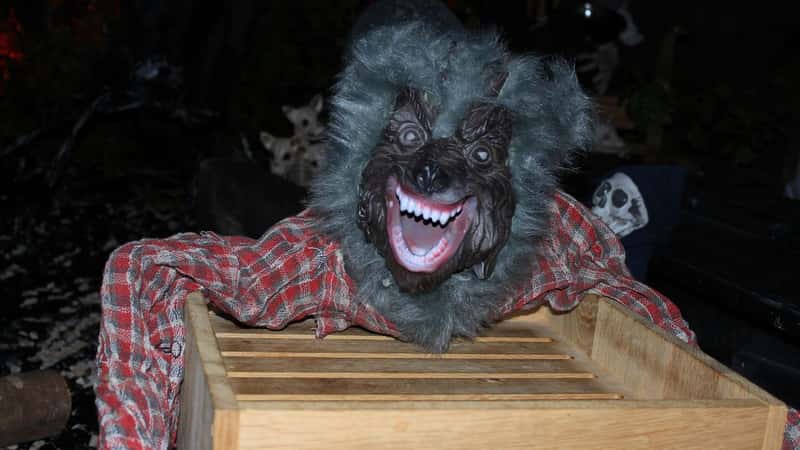
As bear attacks boom, so does demand for ‘Monster Wolves’ – Image for illustrative purposes only (Image credits: Unsplash)
Japan recorded its highest number of bear attacks last year, with 13 deaths and more than 200 injuries. The trend has continued into 2026, prompting renewed interest in an unusual deterrent. A Hokkaido company reports that sales of its animatronic “Monster Wolf” devices have already exceeded a full year’s typical volume in just five months.
Record Encounters Prompt New Precautions
Since April 2026 alone, authorities have logged three additional fatalities and 20 injuries from bear encounters. These figures add to the previous year’s totals and reflect a sustained pattern of human-wildlife conflict. Outdoor workers in rural regions have responded by seeking stronger protective measures for fields, courses, and other open spaces.
The increase has drawn attention from farmers and golf course operators who spend extended time in areas where bears forage. Their purchases reflect a practical response to the ongoing risk rather than a temporary reaction.
Inside the Monster Wolf Design
The device stands just under a meter tall and features artificial fur over a pipe frame, along with speakers and glowing red eyes. It can play more than 50 recorded sounds, including human voices that carry up to a kilometer. The unit was introduced in 2016 primarily to limit crop damage from deer, wild boars, and bears.
Although Japan’s native wolves disappeared more than two centuries ago, the mechanical version still triggers avoidance behavior in the target animals. Priced near $4,000, each unit is built for repeated outdoor use in remote settings.
Buyers have noted that the combination of movement, sound, and light creates an effective barrier without requiring constant human presence. The technology has proven durable enough to handle seasonal weather while remaining simple to reposition as needed.
Factors Behind the Rise in Attacks
Experts cite several overlapping causes for the growing number of incidents. Rural population decline has left more abandoned fields and forests where bears can approach human areas with less disturbance. Shifting weather patterns and changes in food availability have also altered traditional bear movement.
These environmental and demographic pressures have pushed encounters into zones that were once considered low risk. The result is a steady stream of reports from both remote countryside and the edges of developed towns.
Orders Reflect Practical Demand
By May 2026 the Hokkaido manufacturer had already received 50 orders, surpassing its usual annual total. Most buyers work outdoors and view the units as a reliable addition to existing safety routines. The surge indicates that the devices are moving from niche curiosity to standard equipment in affected regions.
Early adopters report fewer intrusions after installation, which has encouraged further purchases among neighboring properties. The trend shows no sign of easing as the season progresses.
What matters now: With attacks continuing and orders climbing, the Monster Wolf offers one measurable response to a persistent safety challenge in Japan’s rural landscapes.